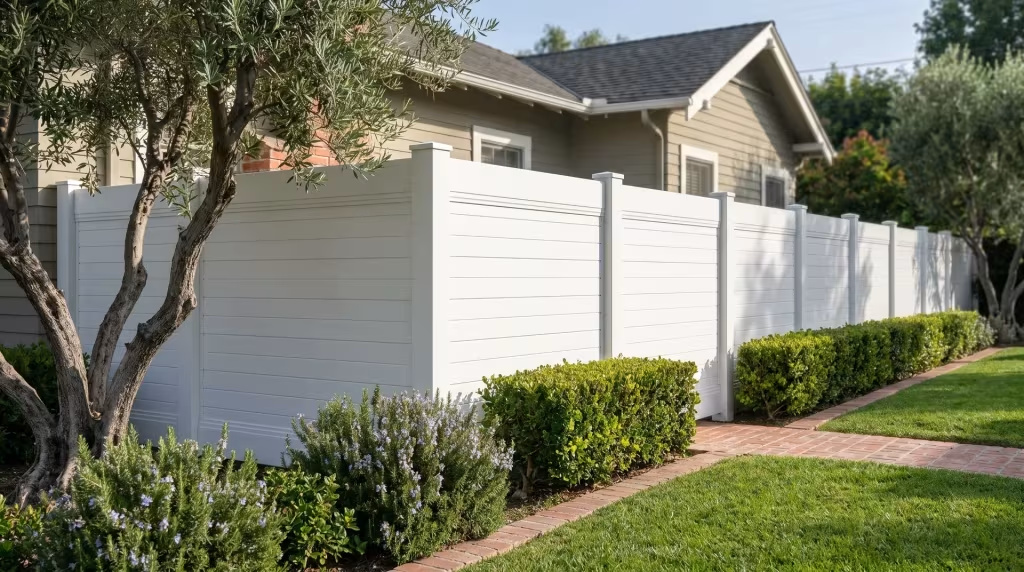
White
Call Now: (844) 744-0707
A picket fence is a row of spaced upright pickets on top and bottom rails, the classic open boundary that marks your yard without walling off the view. In vinyl, it keeps that look and drops the paint, rot, and rust.
Almost everything that ranks for picket fencing ships flat in a box for you to build. We work the other way: a licensed crew measures, fabricates to your size and color, and installs it across Greater Los Angeles and the Bay Area, backed by 500+ five-star reviews.
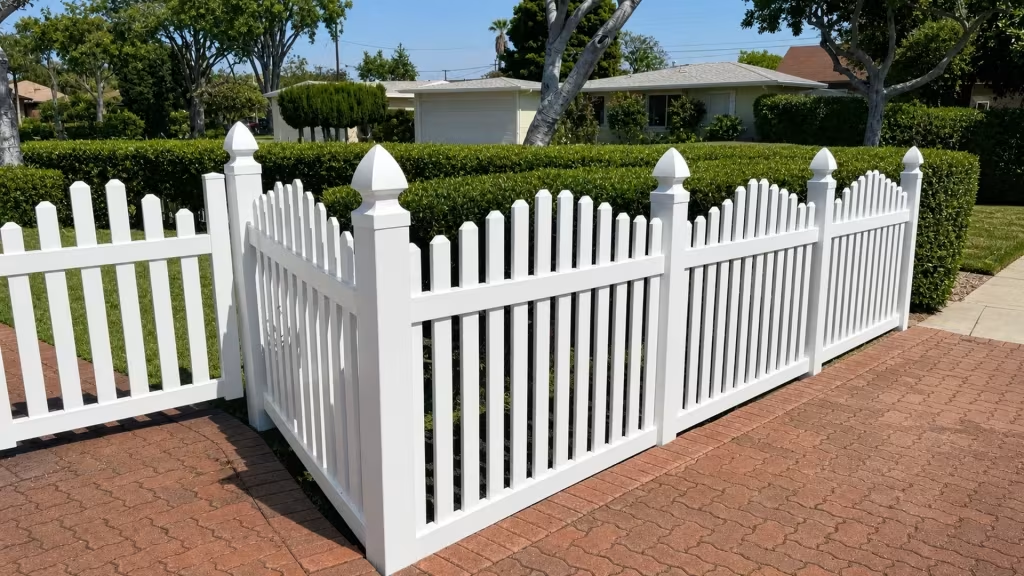
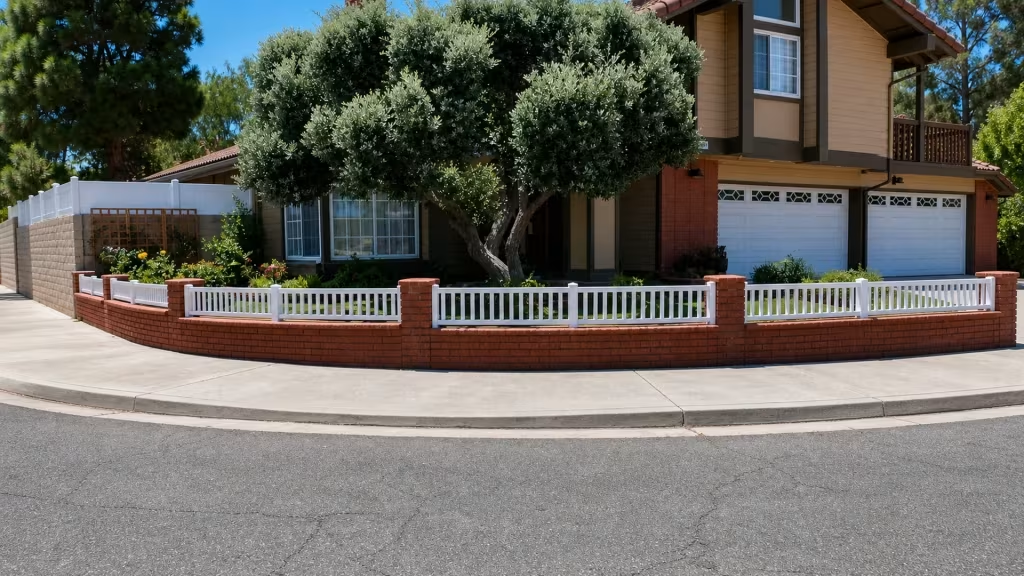
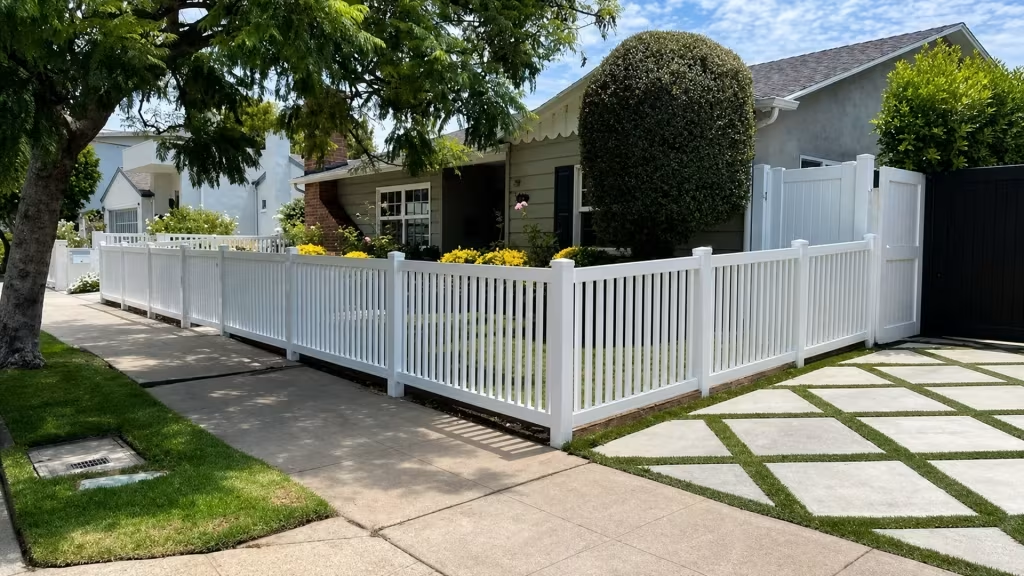
A vinyl picket fence is a decorative, see-through front-yard fence, and we build and custom-fabricate it to your size and color.
Here is the straight version: the real gap between the pickets, the front-yard height rule that decides how tall yours can be, your color options, and where a picket is the wrong call. Then a free estimate.
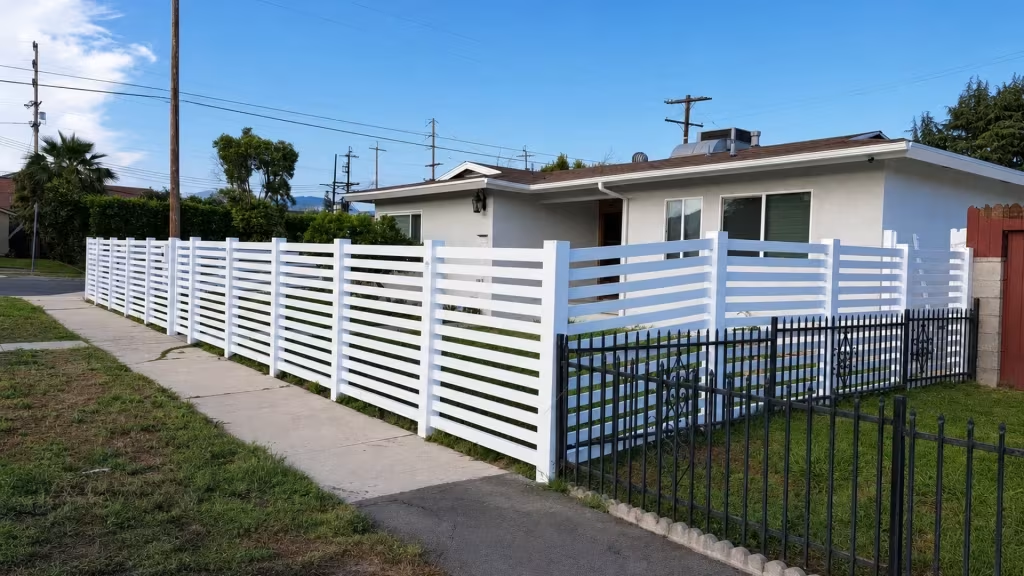
A vinyl picket fence is a line of evenly spaced uprights, the pickets, locked into a top and bottom rail, with roughly 2.5 to 3 inches of open air between them; on our standard panel that is ten 7/8 by 3 inch pickets across a 6 foot section.
That gap is the point of the style: a defined boundary and clean curb appeal, with the view open behind it. It also separates a picket from a semi-privacy fence, which closes those gaps to screen the yard. A picket keeps them wide, so it marks a line and lets wind through, but will not screen a yard, hold a small pet, or serve as a pool barrier.


The main decision in a picket fence is the top profile, the shape along the top of the run. Six looks cover almost every yard.
| Shape | Look | Best for |
|---|---|---|
| Dog-ear | Moulded cap fitted to the picket top | Traditional and cottage homes |
| Scalloped | Top dips in a gentle curve | Cottage and Victorian fronts |
| Arched | Top rises in a raised curve | Formal entries and focal runs |
| Closed-top | Pickets meet the top rail | Modern, contemporary homes |
| Horizontal | Pickets run side to side | Modern, low and wide lines |
| Vertical | Traditional upright picket | Any classic front yard |
Open the one you like for its detail, and we settle it at the estimate.
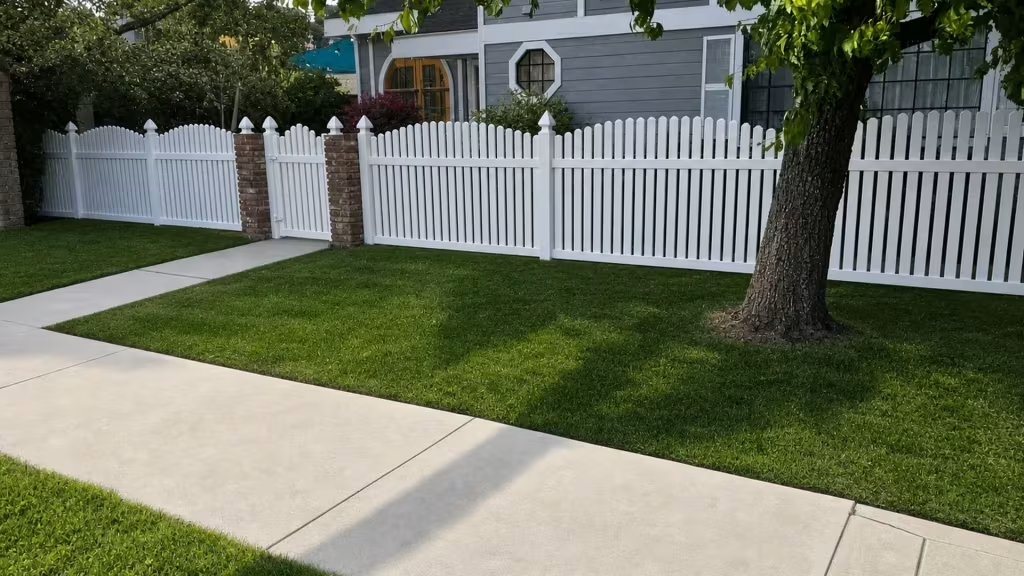
Most picket fences stand 3.5 to 4 feet tall for a legal reason: in a front yard, city code caps fence height. In the City of Los Angeles the limit is 42 inches; Glendale allows 4 feet; county and Ventura areas sit in the same 3 to 4 foot band. Taller runs belong in side and rear yards. Flat pickets run 2 to 6 feet, shaped styles 3.5 to 4 feet, with custom sizes on request.
Rules vary by city, so verify the limit for your address with your local building department. One honest limit: a spaced picket sits below California’s 5 foot pool-barrier minimum and its rails are climbable, so it is not a pool fence. On a slope the run stair-steps down the grade, posts set in concrete.
Nearly every picket result online is a DIY kit you build over a weekend. If you would rather it measured, built, and standing straight the first time, that is our job: we pull the old fence, set the posts in concrete, hang the panels and gates, and clear the debris.
The bigger difference is fabrication: kits come in fixed sizes, and we build to yours, from non-standard heights and runs to a picket top on a privacy base. The heights and small jobs others turn down are usually the ones people come to us for. And the law requires utilities to be located before any post hole is dug.
A spaced picket takes wind better than a solid fence: the gaps let air pass instead of catching it like a sail. Where a run needs more backbone, we set a metal insert inside the bottom rail on the taller and shaped panels, so the line stays straight where it counts, not on every panel as a matter of course.
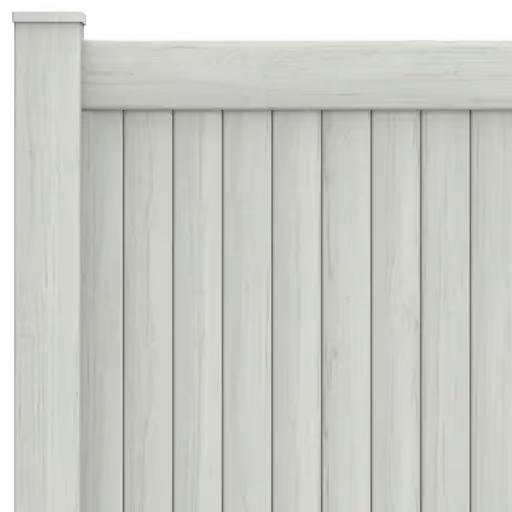
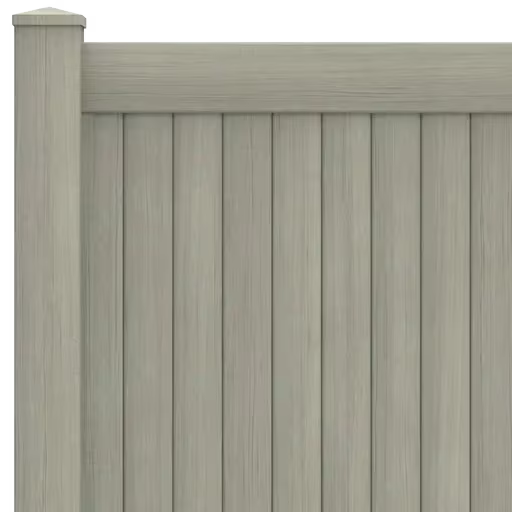
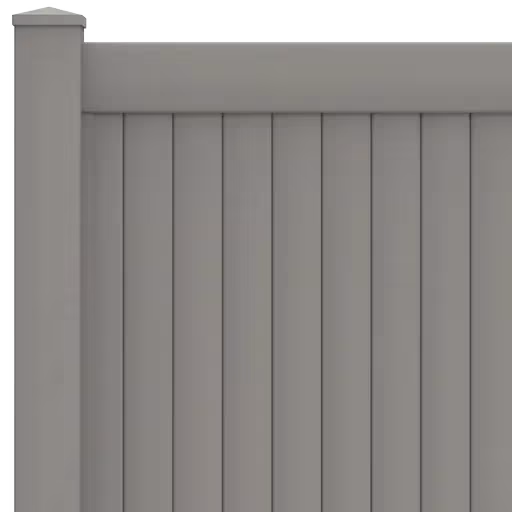
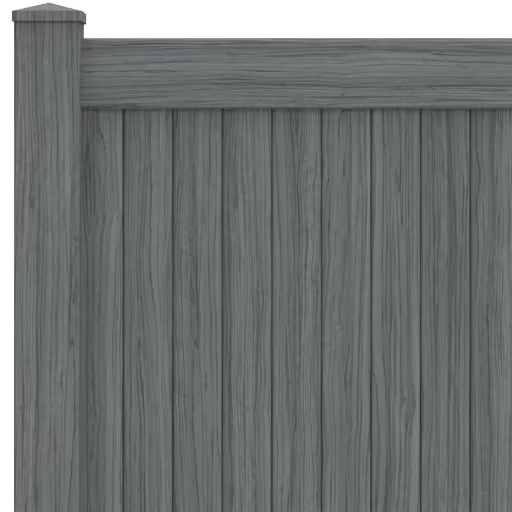
Upkeep is close to nothing: vinyl will not rot, need paint, or yellow in the sun, so a hose and mild soap twice a year is the whole plan. Shaped pickets come in White, Tan, and Clay; the flat styles open the wider vinyl palette, including woodgrains, with custom matching on a build.
Every picket style comes with a matching gate, fabricated to the same shape and color so your entrance matches the run. Gates use a metal frame with a vinyl finish, in single, double, and rolling versions; we do not motorize gates, and you hear that up front.
Two warranties back it: the vinyl carries a transferable limited lifetime warranty, and we add a 5-year workmanship warranty. Financing runs through Synchrony with zero down, and we answer estimates the same business day. When you are ready, the free estimate is the fastest way to a real number.
Pickets split two ways on color. The shaped profiles, straight, scalloped and arched, take three of the four plain solids, Clay among them. Flat pickets open on the full vinyl range instead: smooth woodgrains, textured blends, solids. We match a color on a custom build.
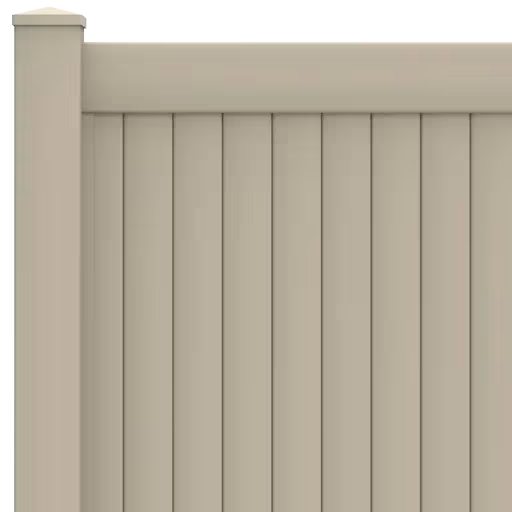
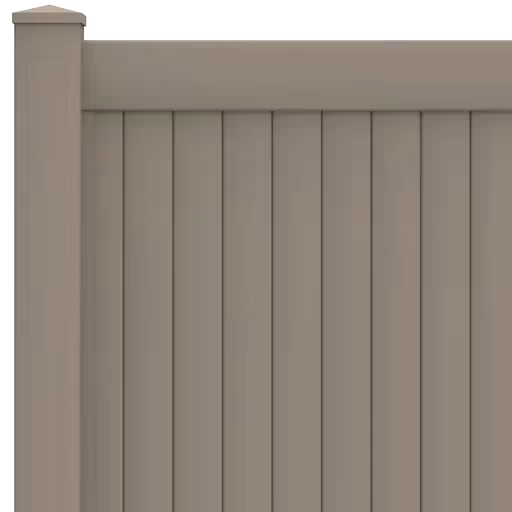
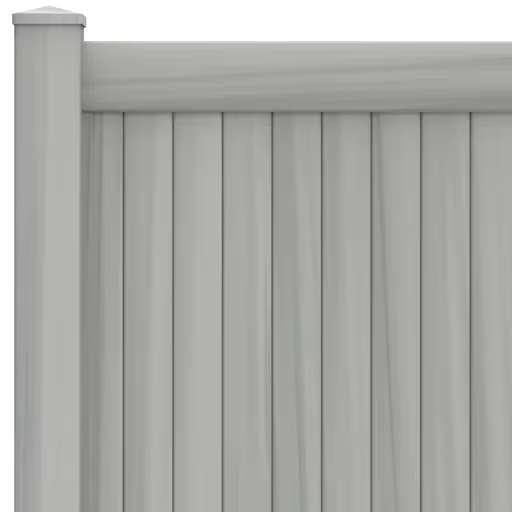
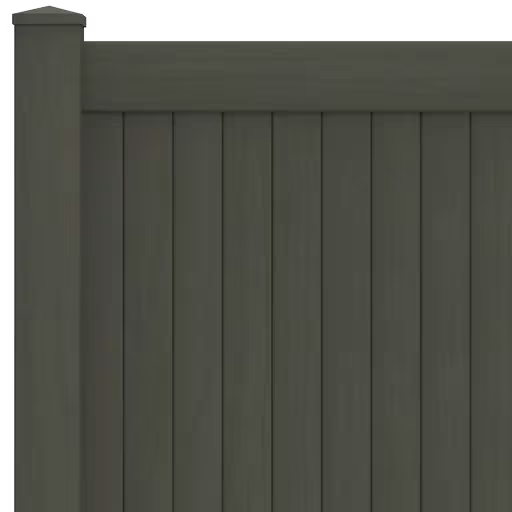
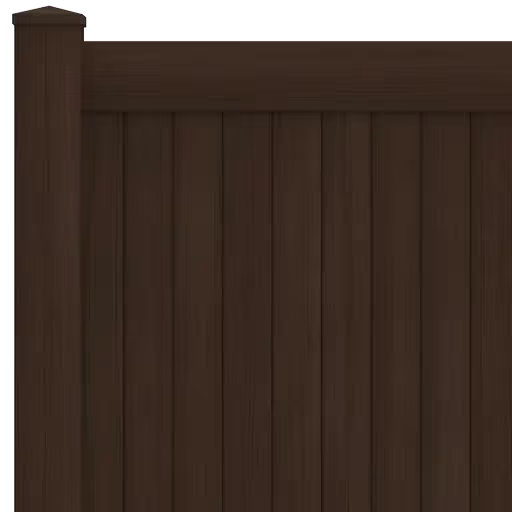
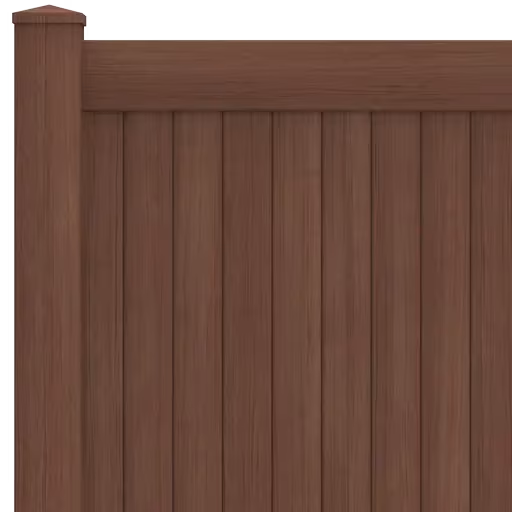
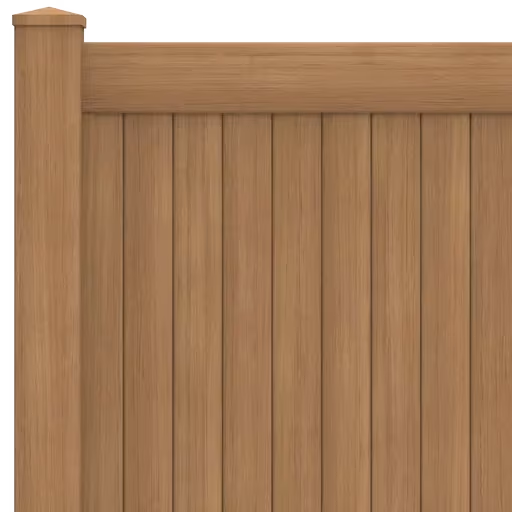
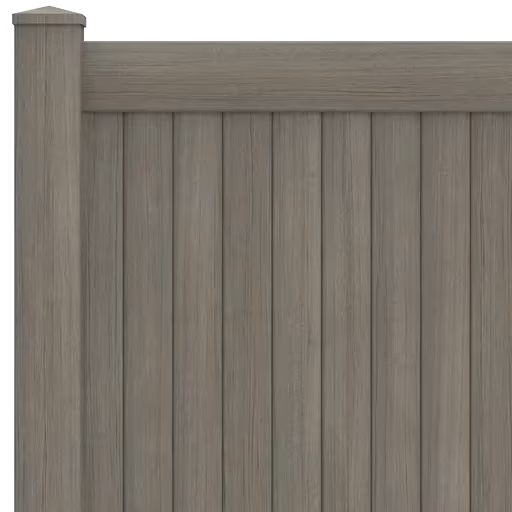
A front yard rarely wants the same fence as the back. We build the taller privacy runs, the gates that go with them and the aluminum side of the trade, so one property can carry two fences that still look related.
Arched picket tops climb to a gentle crown at the center of each section instead of running level.
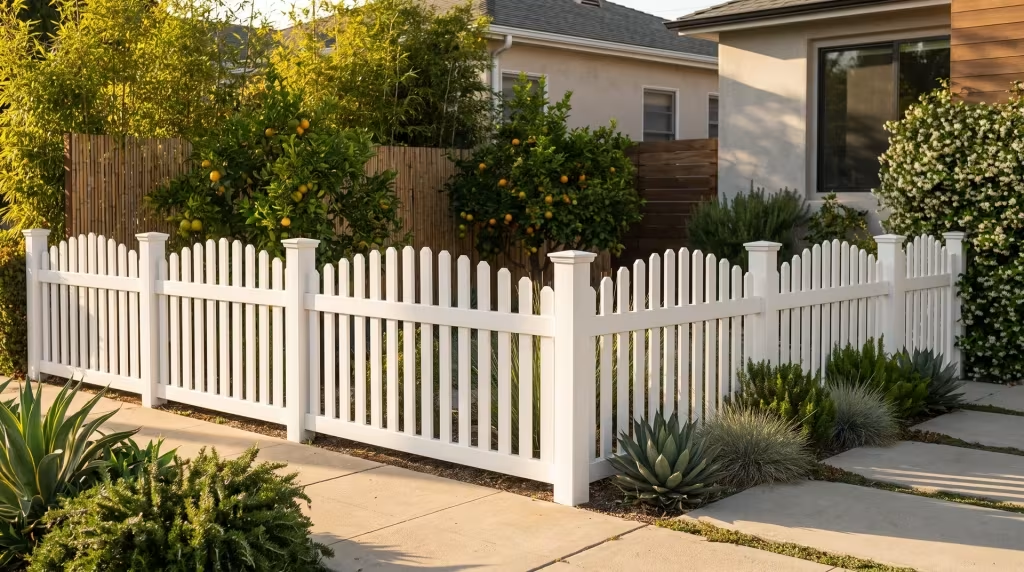
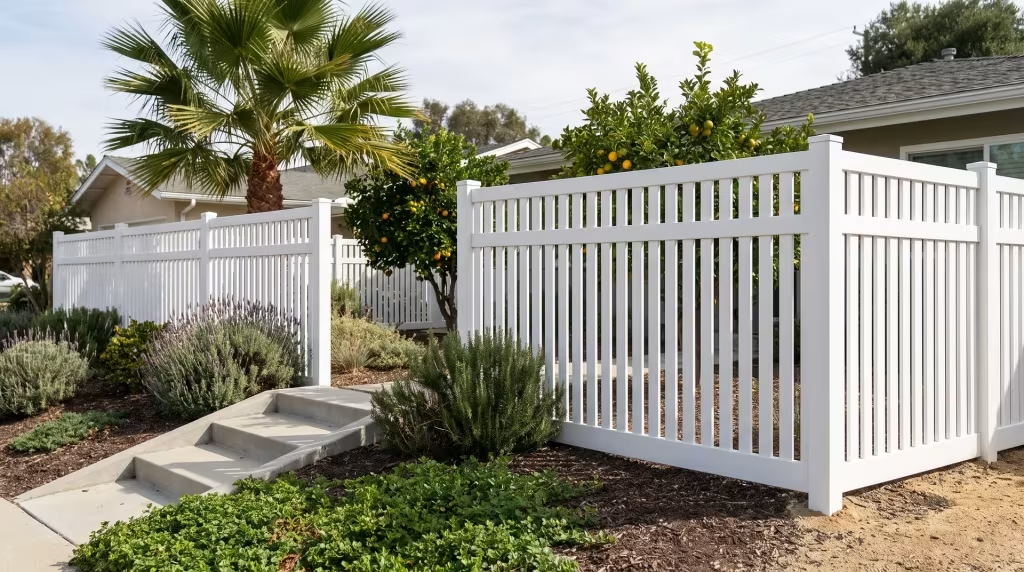
Closed-top pickets sit flush under a top rail for a finished, level line, with the gaps between boards left open.
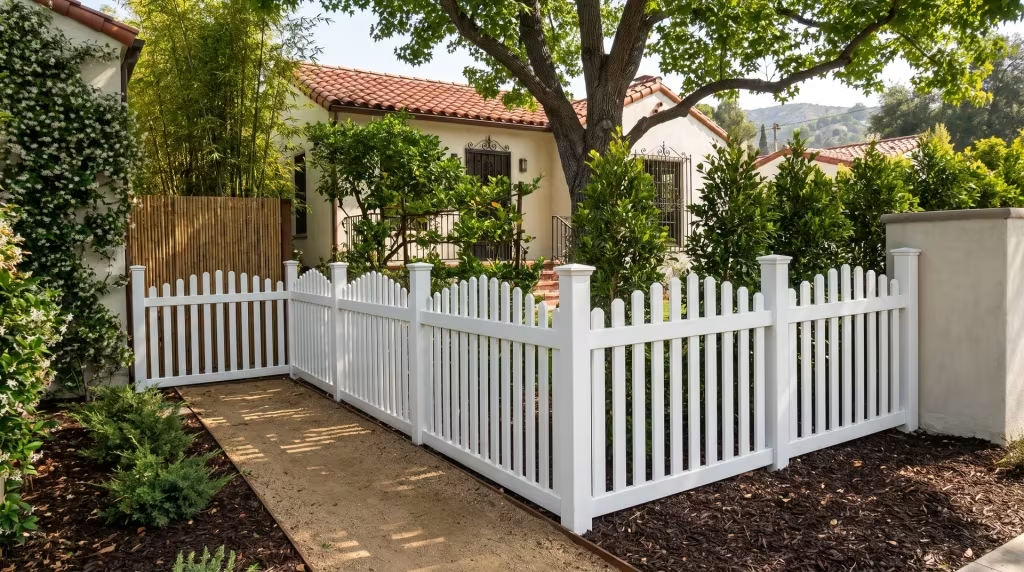
Dog-ear pickets run up through the top rail and stand exposed above it, each one wearing a molded cap.
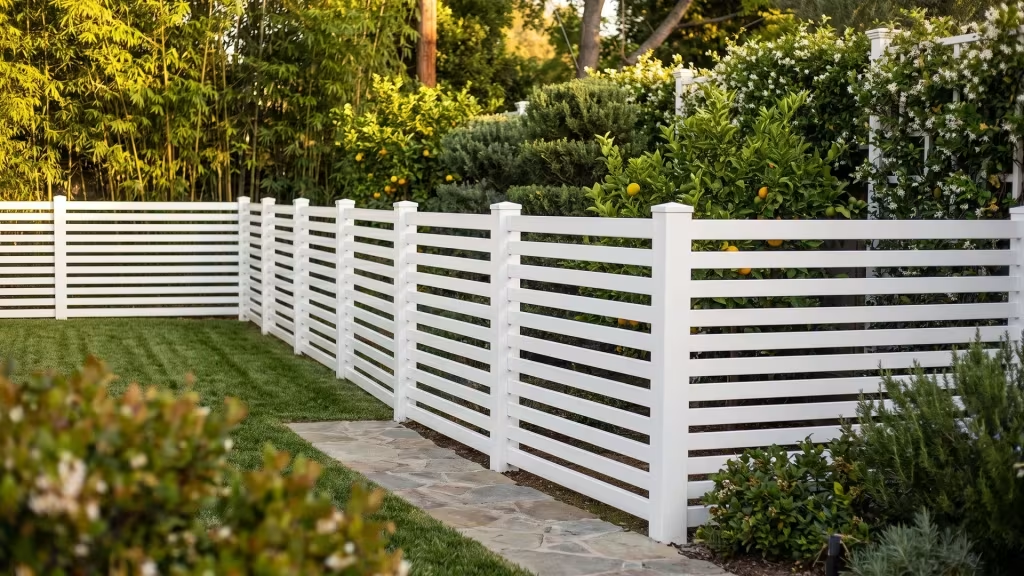
Horizontal pickets run flat boards side to side instead of standing upright, open enough for light and air to pass.
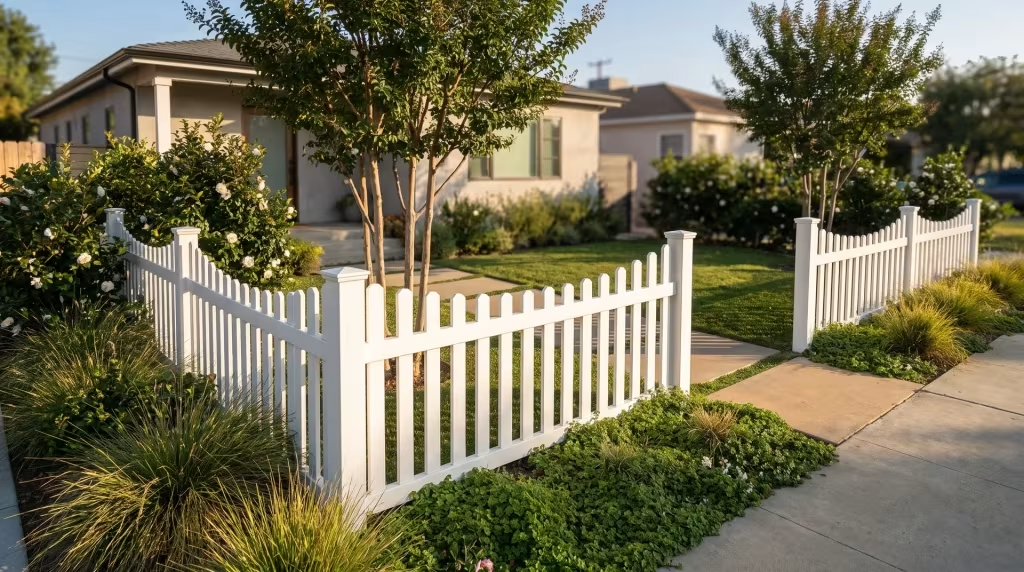
Scalloped picket tops dip into a soft scoop at the center of each section and rise back up at the posts.
Straight picket tops hold level the whole way across the run, no dip at the center and no rise to a crown.
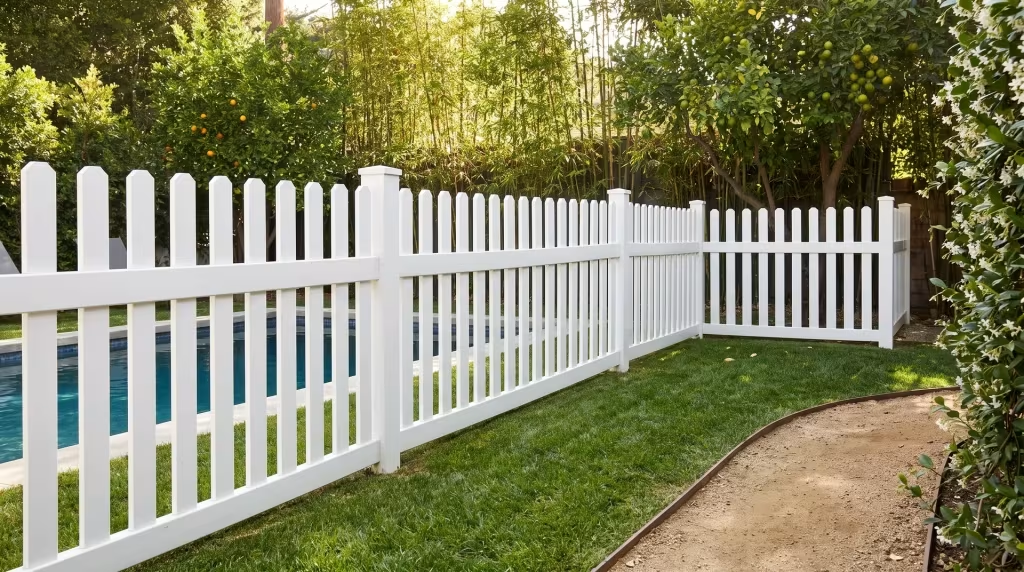
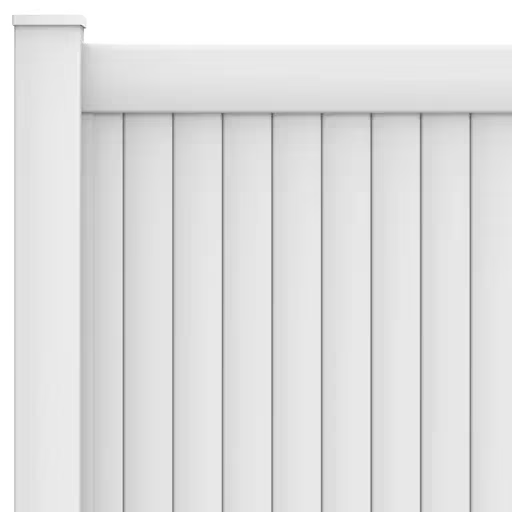
Pickets stand upright and stop clean at the top rail, the closed-top spacing behind the classic white-picket look.
All went well. My estimate (from David) included two options with all the detail needed for the build and pricing that did not change. The installer (Chris) was skilled and hard working, resulting in an excellent build.
My project included a short vinyl fence, driveway gate, and some fence topper. Recommended.

David and his team were timely, and professional. They came right out to look at the area we wanted to fence in and gave a quote. A week and a half later they came to install the custom-made gate.
It looks great and they finished the job in about 90 minutes. I will use them again!

I am happy with Levon’s service. He is professional and on time. He installed the gate based on my request and he is happy to do it. After finishing, he cleaned the area and he is make sure I am happy before he left. Overall he is great and I would prefer him to my friends for his service.

Michael is the G.O.A.T. when it comes to fencing. Pro Vinyl Fencing was not only one of the cheapest but also best quality material used. DO NOT GO WITH A SUB CONTRACTOR, they use overseas material that will warp andor turn color after a few years.
Pro Vinyl removed the old and installed the new fence in one day. Highly recommend these guys.

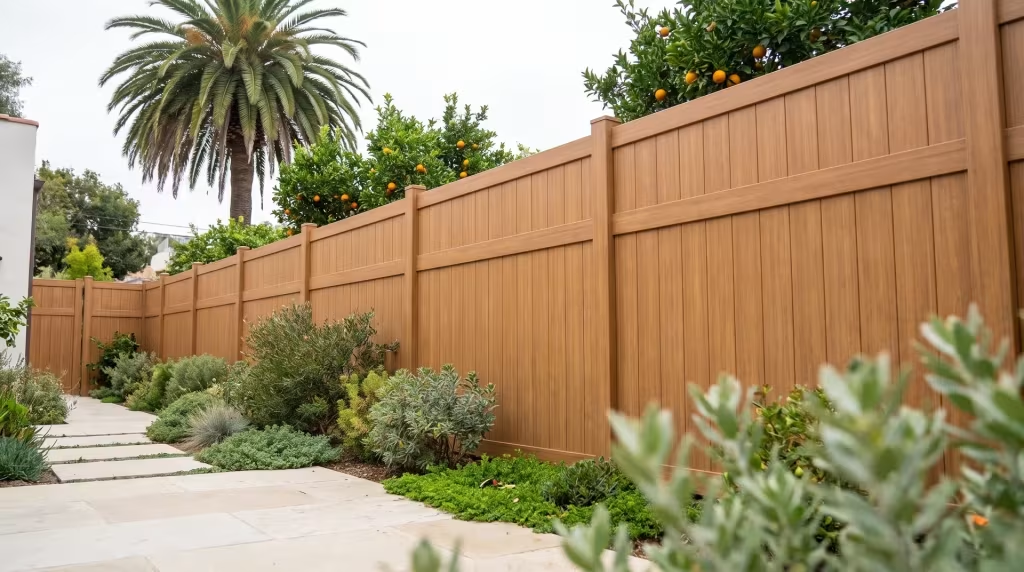
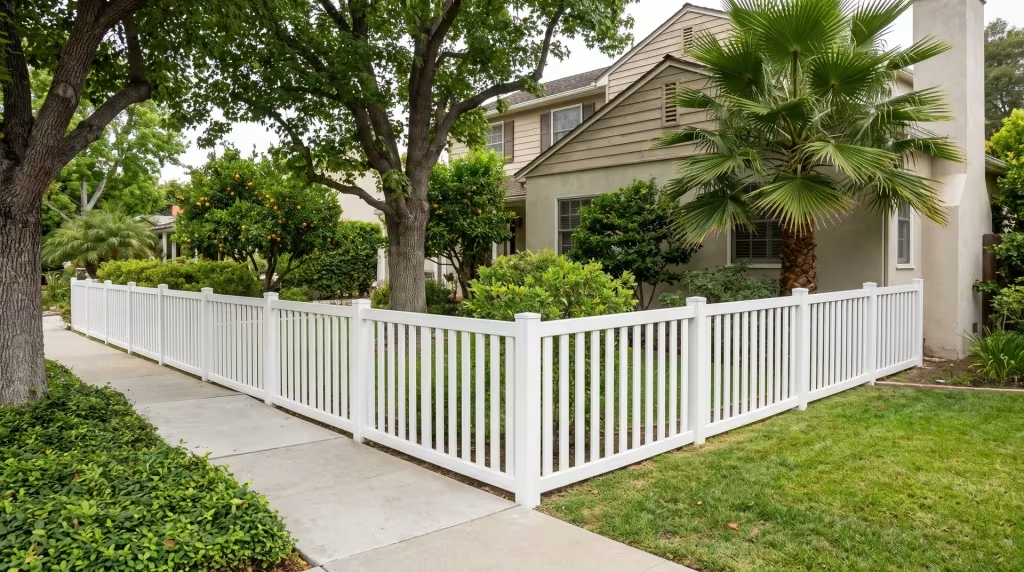
These are real picket fences our crews have built and installed for property owners across our service areas. Look at the different top profiles, the 3.5 and 4 foot front-yard heights, and the color choices, from clean white to warm woodgrain, and picture the same line along your own yard.
Across Greater Los Angeles and Ventura County, a picket is almost always a front-yard fence, and the height rule shapes it first. In the City of LA the cap is 42 inches, Glendale allows 4 feet, and nearby areas sit in the 3 to 4 foot range. Confirm your city’s limit with your local building department.
Bay Area property owners get the same crew and custom fabrication. Front-yard rules here are set city by city: San Jose, Oakland, San Francisco, and Fremont each set the limit differently. Verify the limit for your address with your local building department.
Here is how a picket project runs, from the first visit to the last gate latch. You know the shape, height, color, and price before anyone digs, and there are no line items that appear after you sign. The crew keeps you in the loop each stage.
Four steps, no pressure, and the same team usually runs it from the estimate through the final walk-through.
A salesman measures the yard, talks through shape, height, and color, and gives you a real number based on what he sees.
You get it on paper: scope, height, shape, gates, color, and price, with old-fence removal and ground work spelled out.
We set the posts in concrete, hang the panels and matching gates, cap the line, and clean the whole site before we go.
The vinyl carries a transferable limited lifetime warranty and our workmanship a 5-year warranty, plus simple care tips.
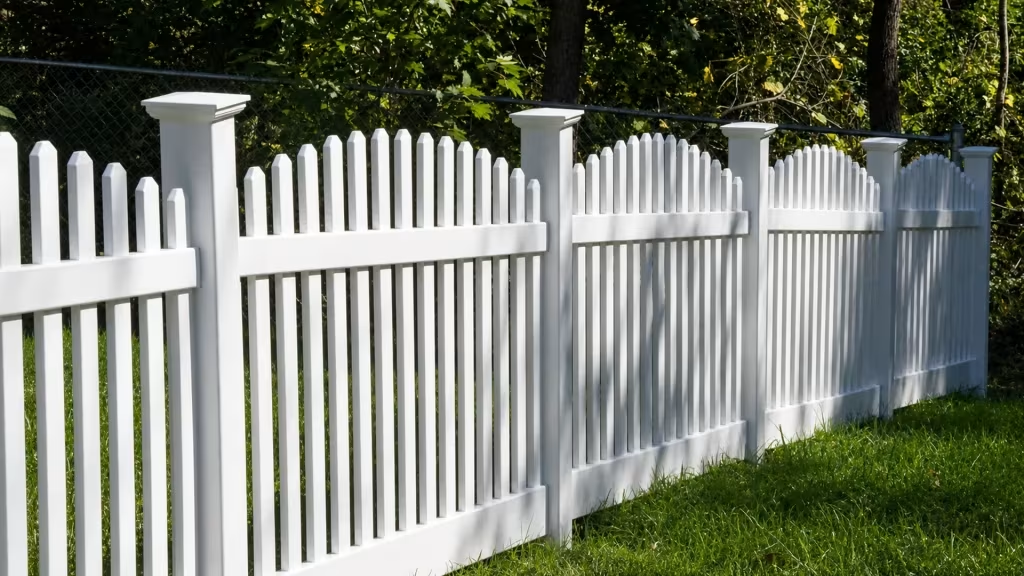
Guides on installing on a slope, cutting pickets to fit, and keeping vinyl looking new, from our crew.
Horizontal picket fencing swaps the classic upright slats for a sideways run with a more modern look.
Fences blog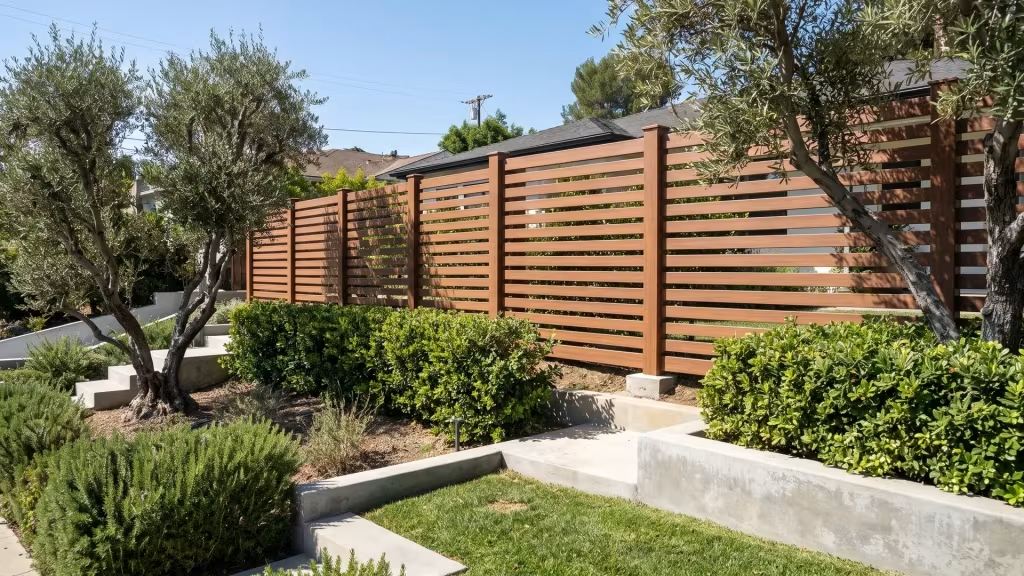
Vinyl picket fencing: the questions buyers ask
The picket questions that actually decide a project are about the gap, the legal front-yard height, whether it can stand in for a pool fence, and what really moves the price. Here are straight answers to each, and if yours is not here, call the same crew that would build your fence and ask.
Ready for a real number?
Book a free, no-pressure on-site estimate and we will price it with you.
On our standard panel the gap runs about 2.5 to 3 inches, ten 7/8 by 3 inch pickets across a 6 foot section.
That wide, decorative gap is the idea: it gives you a clean boundary, lets wind pass, and is exactly what separates a picket from a near-closed semi-privacy fence.
Most pickets land at 3.5 to 4 feet because city code caps front-yard height. In the City of Los Angeles the limit is 42 inches; Glendale allows 4 feet; nearby cities and counties usually sit in the 3 to 4 foot range.
Taller runs belong in side and rear yards. Confirm the limit with your city first.
No. A spaced 3.5 to 4 foot picket sits below California’s 5 foot pool-barrier minimum, and its horizontal rails are climbable.
The code wants a solid, non-climbable fence at pool-code height with a self-closing, self-latching gate, which we also build. If a pool is in the plan, tell us early.
You do not paint vinyl, and would not want to. The color is molded all the way through, so it never needs repainting, and painting the surface voids the warranty.
Instead you choose the color up front: White, Tan, or Clay on the shaped styles, the wider palette on the flat styles, or a custom match.
The honest ones: a spaced picket gives no privacy, will not contain a small dog or cat, and is not a pool barrier.
It is built for boundaries and curb appeal, not screening. If you need privacy or containment, a privacy or semi-privacy fence is the better fit, and we build those too.
It depends on run length, height, shape, how many gates, the slope of the ground, and whether an old fence comes out first.
Rather than guess, we measure on site and give you a real number, and the estimate is free. Financing through Synchrony with zero down is there if you want to spread it out.