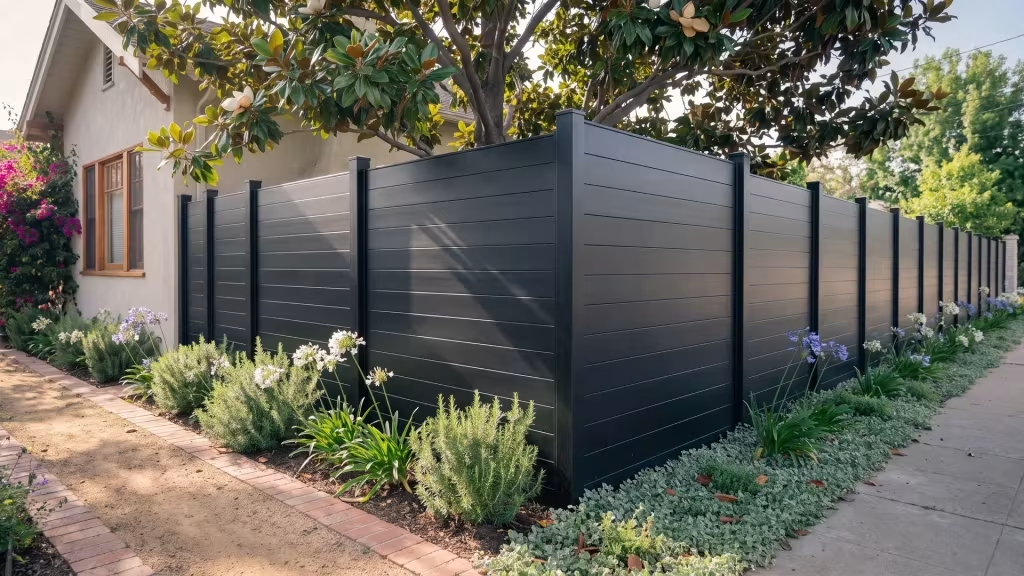
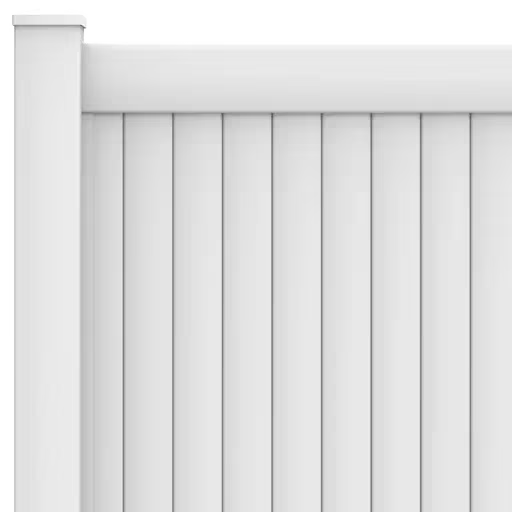
White
Call Now: (844) 744-0707
A vinyl rolling gate slides to one side along the fence line, riding a track on wheels. It clears a wide opening with no arc to swing into and no leaf hanging off hinges to drag it down over the years.
We build the whole gate, as a licensed installer and custom fabricator, never a flat-pack kit: a metal rolling frame wrapped in vinyl cladding, sized to your opening and made to match your fence, then installed across Greater LA, Ventura County, and the Bay Area.
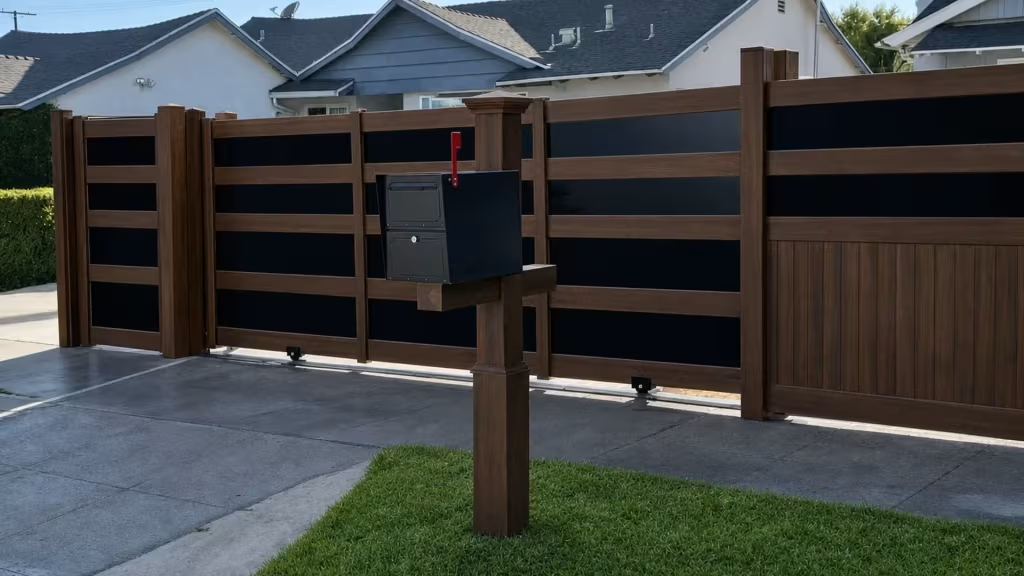
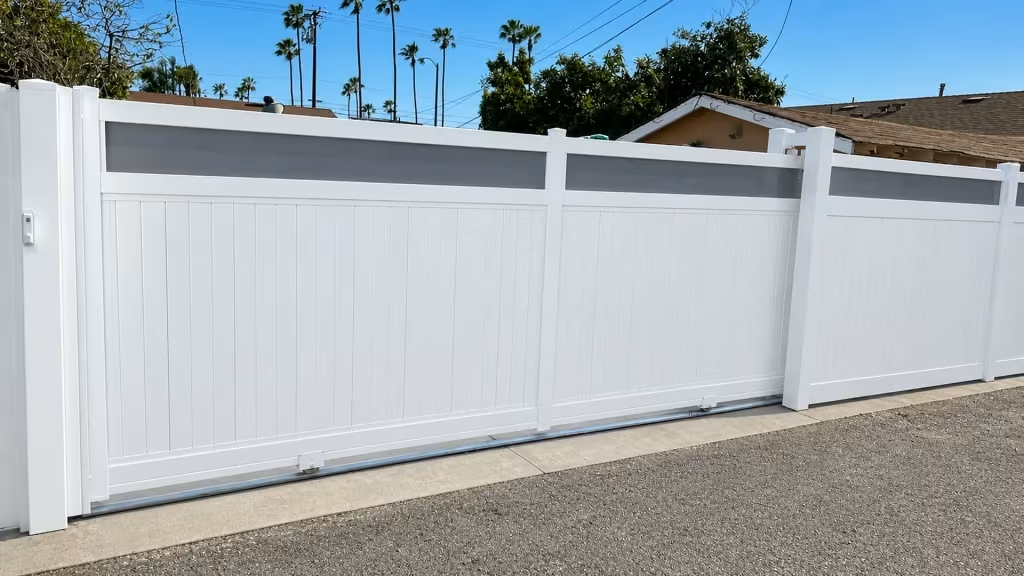
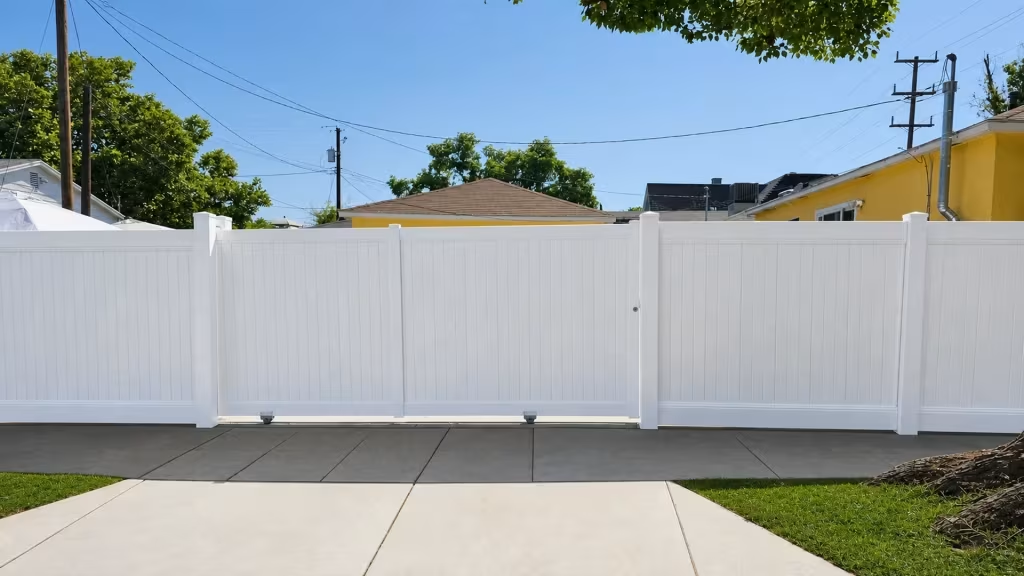
A rolling gate rides a track on wheels and runs alongside the fence, so it clears a wide gap with nothing swinging into the drive.
Once an opening gets wide, a vinyl swing leaf tends to pull down on its hinges; roll it instead and the weight lands on wheels. Which gate type your opening needs in the first place is a question for the vinyl gate family as a whole.
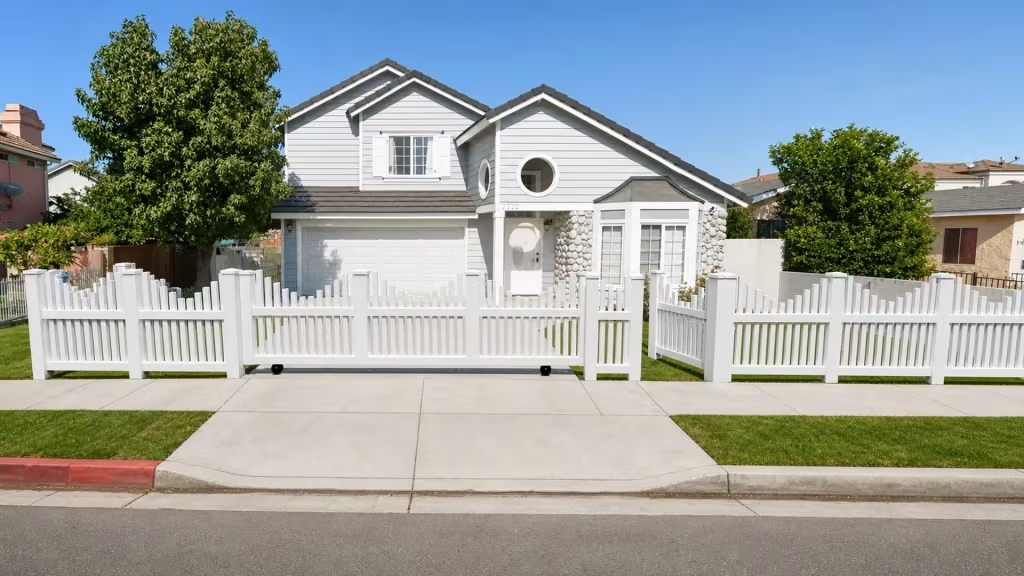
For a wide opening, it comes down to where the weight goes: a slide carries the gate’s weight on wheels along the bottom instead of hanging it off hinges. A wide vinyl swing leaf sags because its full weight, plus the wind against it, pulls down on the hinges, and vinyl is too soft to resist that alone.
On a track the same gate rests like a supported beam on its wheels and leans on the posts only to stay plumb, so the sag that caps a wide swing mostly disappears. It also needs no arc to open into, which usually helps on a short or blocked approach. How wide a vinyl swing goes before it needs a double or a roll is a vinyl driveway gate question.


A vinyl rolling gate is not a fence panel with a wheel bolted to the corner. It is vinyl cladding sleeved over an internal metal rolling frame, galvanized steel or aluminum tube, with metal inserts stiffening the uprights so hardware bites into metal, not hollow plastic. That frame rides a galvanized V-track on V-groove wheels, and overhead guide rollers keep it from tipping as it travels.
The frame carries the mass, the wheels carry the weight, the guide rollers keep it vertical, and a wider span simply gets more wheels. On a sloped or debris-prone approach it can run trackless on roller carriages instead. We do not name one maximum width, because the gate is sized to your opening at the estimate; a single leaf usually runs about 12 to 16 feet, more with heavier framing.
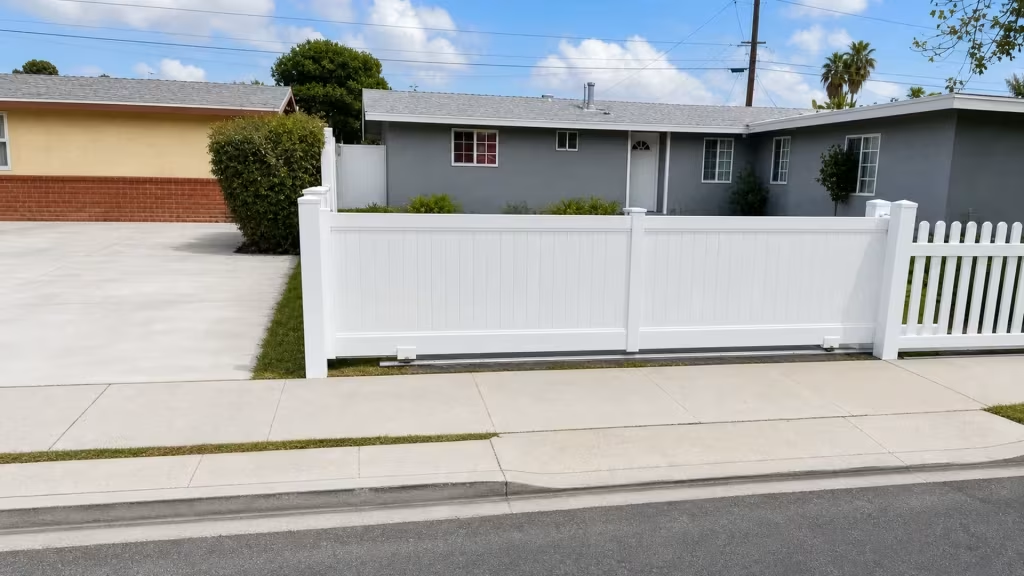
Yes, and that is the part a store kit ignores. A solid vinyl privacy panel is a sail, so on a rolling gate the wind load, not just the weight, sizes the frame tube, the wheel and roller rating, the guide post, and the footings.
The wider and taller the gate, the more wind it catches, and the heavier the metal behind the vinyl has to be. This is why an engineered frame beats a panel with a caster screwed on: the metal takes a push soft plastic never could. We read the opening and how exposed the spot is, then build to match both.
A rolling gate parks its whole panel off to one side, so you need clear, firm run-back beside the opening about as wide as the gate itself. In our experience, people measure the gap and forget the parking space beside it, the very measurement that decides whether a roll fits.
A ground V-track also wants a level, well-drained, clean surface, since grit, leaves, and standing water are what make wheels bind and a gate drag. Worth knowing up front: a tall or automated gate, or one that reaches the public right-of-way, can require a permit, and the threshold varies by city, so verify with your local building department.
We build every rolling gate automation-ready: the frame reinforced, the posts sized for the load, the weight balanced so power can go on later.
What we will not do is sell or fit the motor, opener, or solar panel; that is your automation contractor’s trade, and whether a gate can take an operator comes down to its final size and weight. Building it ready now keeps your options open: you add power whenever you like, through the installer you choose.
Price tracks the gate we build, not a catalog line. What moves it: the width of the opening, whether one leaf covers it or it needs a wider multi-wheel run, how tall the gate stands, the hardware, framing built for an operator, and any track or ground prep the site calls for.
So we quote it with a fast, free on-site visit, and a custom-built gate is worth more than a flat-pack frame that skips the metal, the wheels, and the install. Vinyl is the budget-friendly pick and aluminum the premium one; both are honest choices, and neither is a lesser gate.
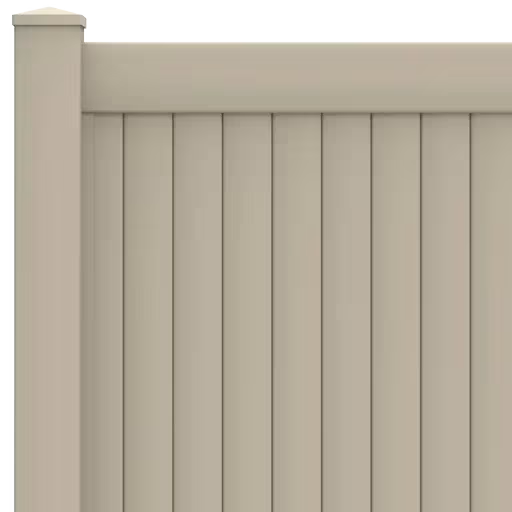
Sliding gear puts the leaf in motion, and motion finds edges. Nothing about the tone here sits on the surface, so a scuff on a rail never flashes white underneath. Pick the family the run already wears, solid, smooth grain or textured, and the leaf is made in it.
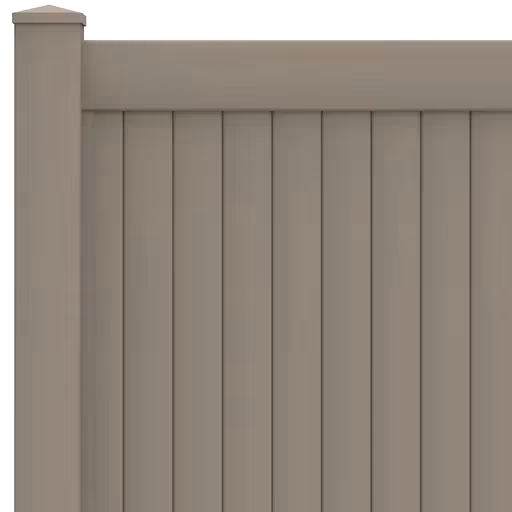
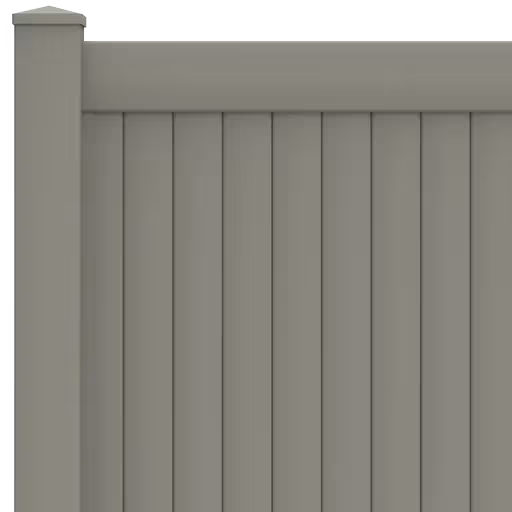

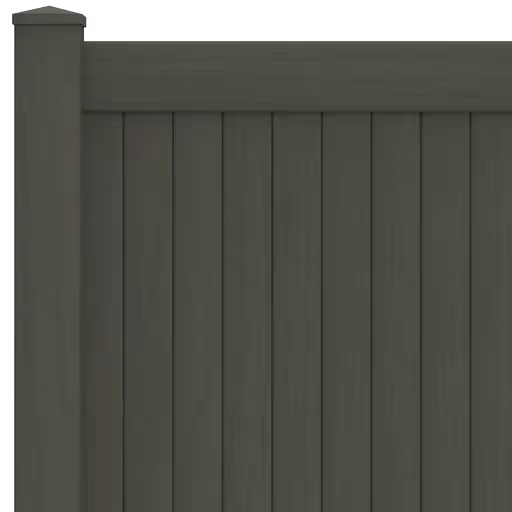


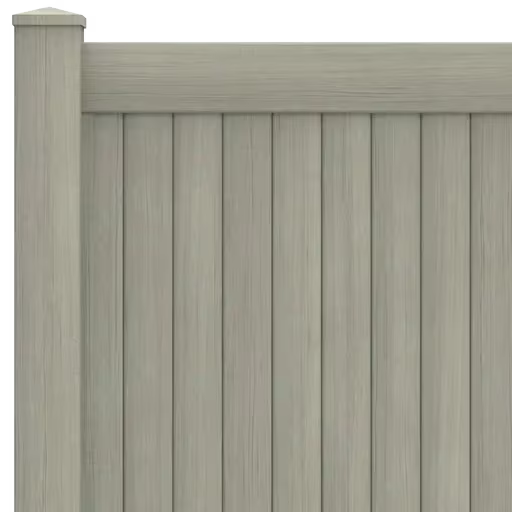
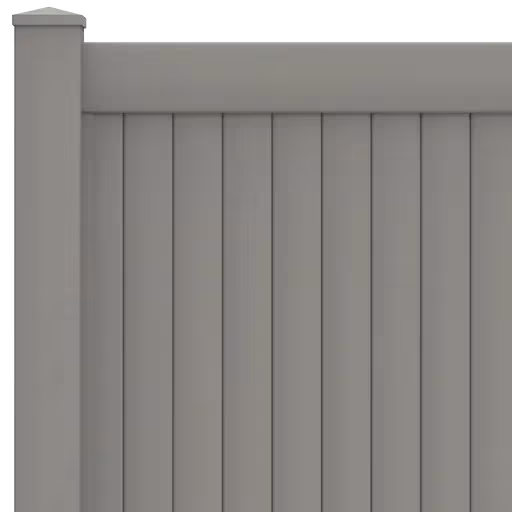
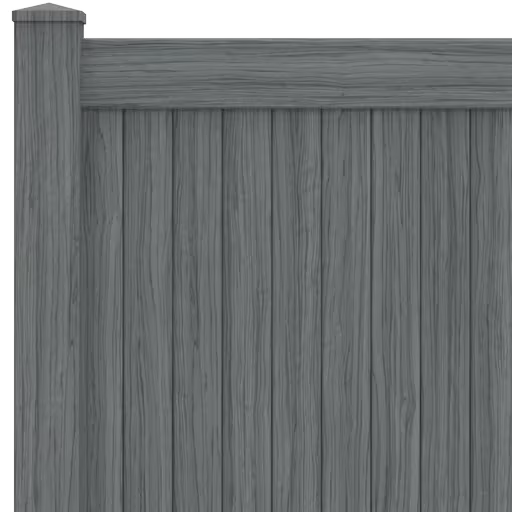
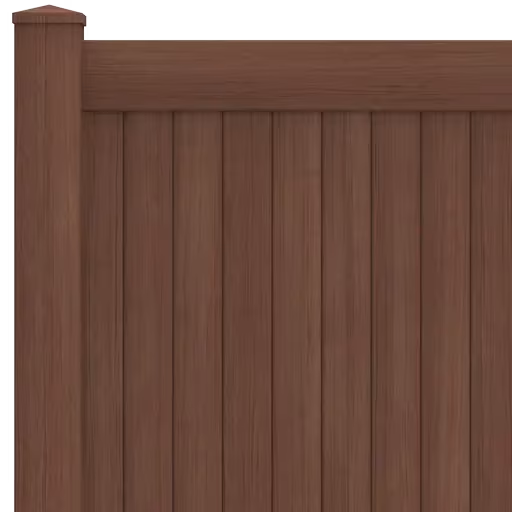
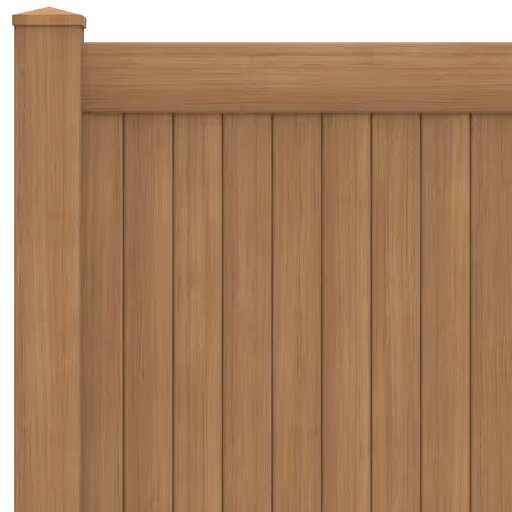
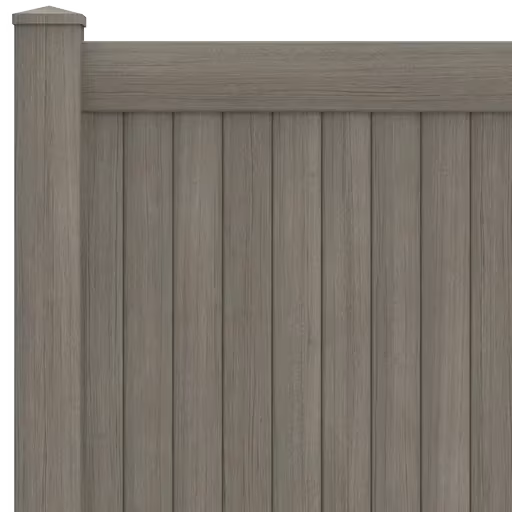
Wide openings are one line of work we keep. We also build the fence runs that flank them, the smaller passages a household uses daily, and the metal side of the trade when a yard wants aluminum instead.
Driveway gates ride on a welded steel frame under the vinyl skin, sized to your opening so it never sags.
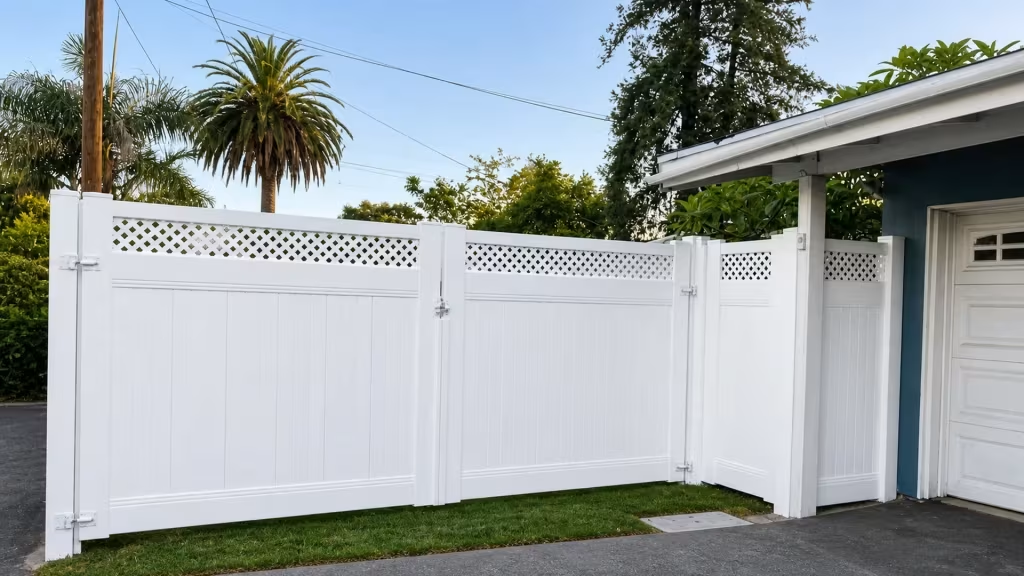
Fence gates get built to match your run exactly, same style, color, height, and pickets, on a metal frame.
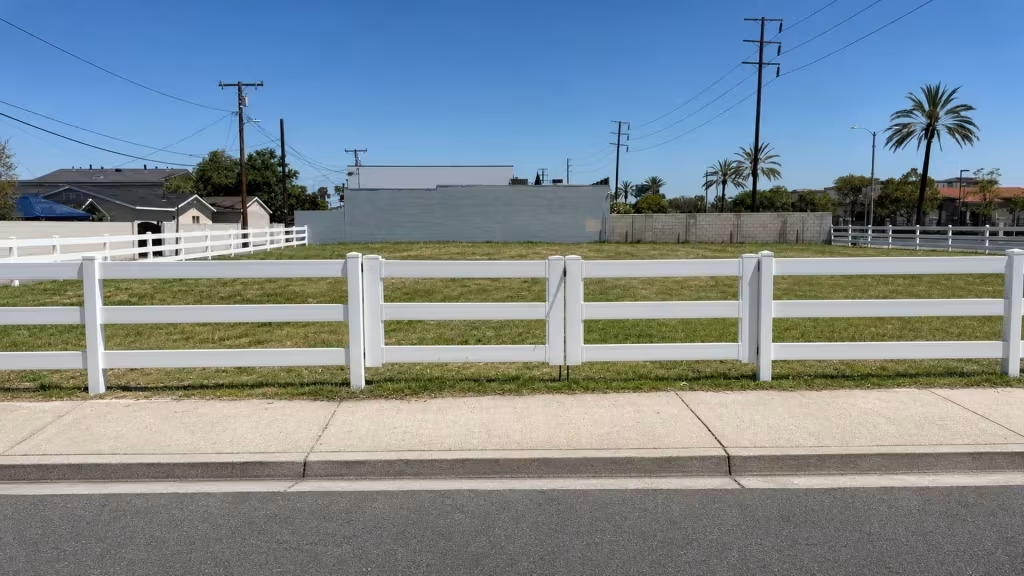
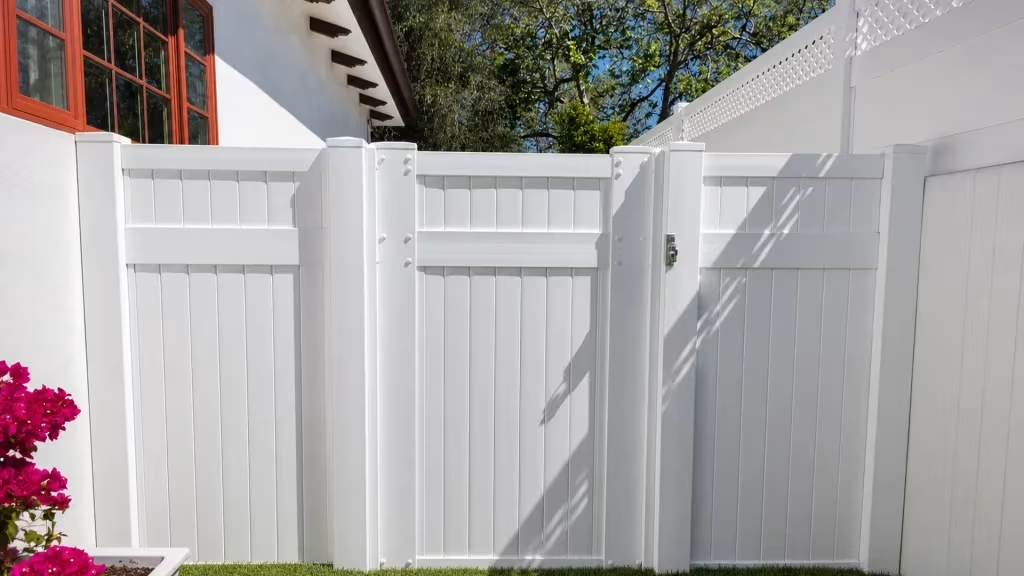
The pedestrian side gate is measured to your actual passage and hung self-closing and self-latching.
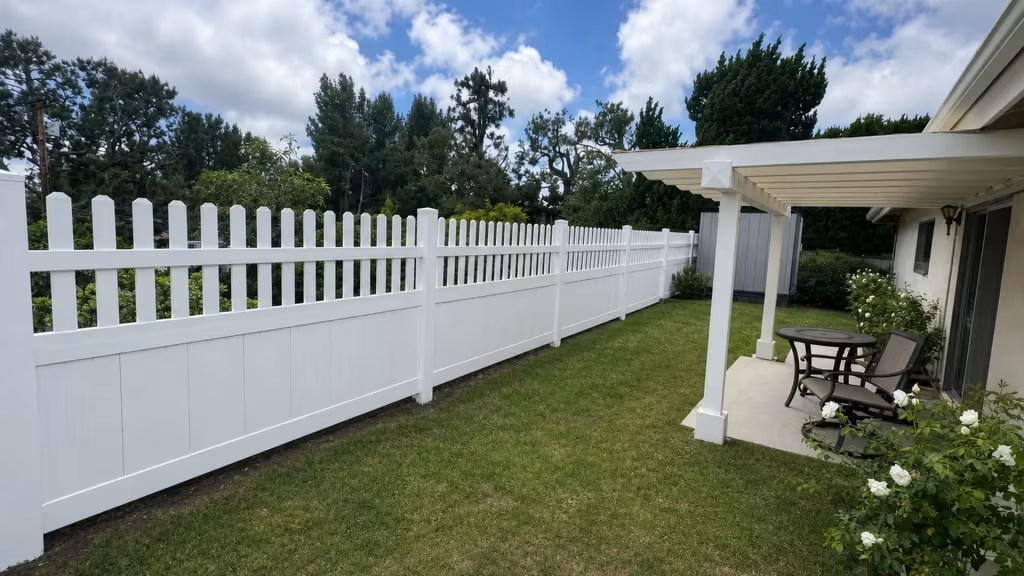
Our new fencing is beautiful, durable, and just what we needed to freshen up our back yard. Russell took pride in his work and made sure it was perfect and that our yard was clean when he left.
Can’t wait to update my plants and flowers. Our new fence makes a perfect backdrop for them. Thank You Zoro and Russell!

Pro Vinyl Fence just installed a beautiful privacy fence on the side of our house and we are very happy. Verkah and his crew were amazing! They removed a cinder block wall and prepped the space leaving the area clean and ready. They were timely, polite, and professional. I recommend them completely.

I have several properties and have used 3 different companies for fencing and I must say that Mike was the most professional , timely and friendly person I’ve ever worked with. Thank you for your hard work and I’ll definitely be referring your company to friends and family.

My husband and I hired pro vinyl fencing to do our backyard fencing, and we absolutely love it. The workers were hard-working and we couldn’t have asked for a better crew to do it. The fencing is gorgeous and I would definitely hire them to do future work.
they left my place clean. They were courteous and amazing.

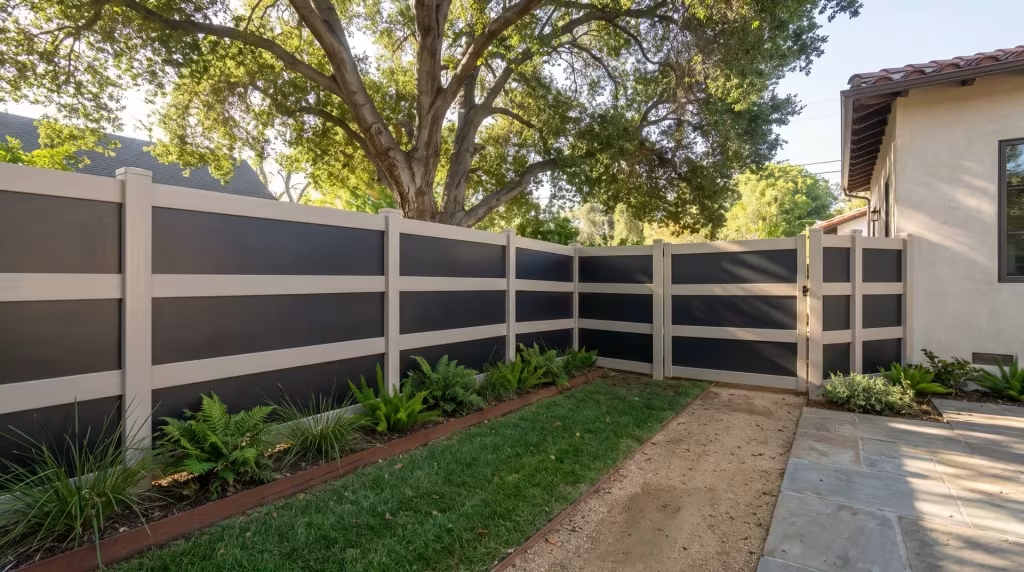
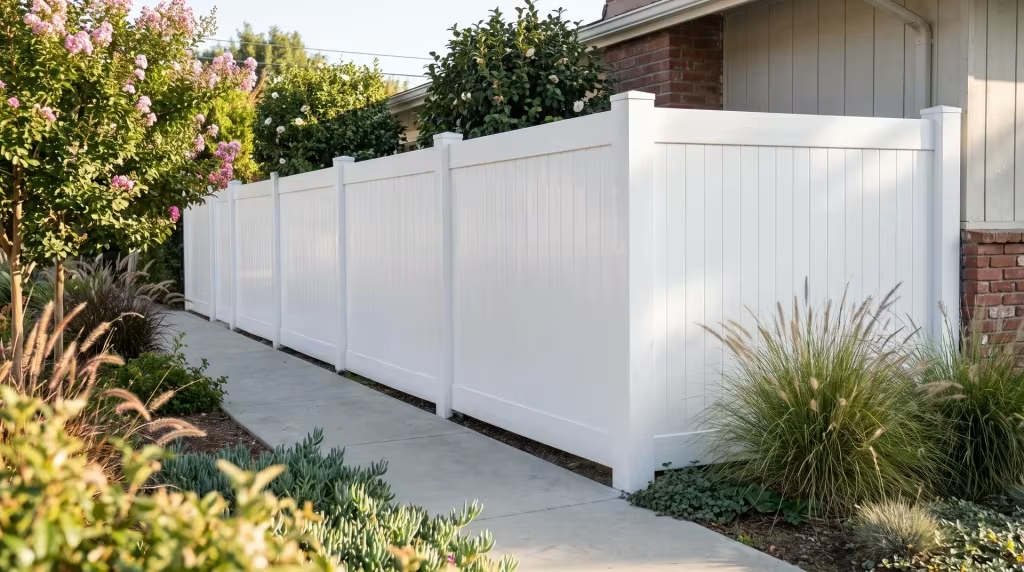
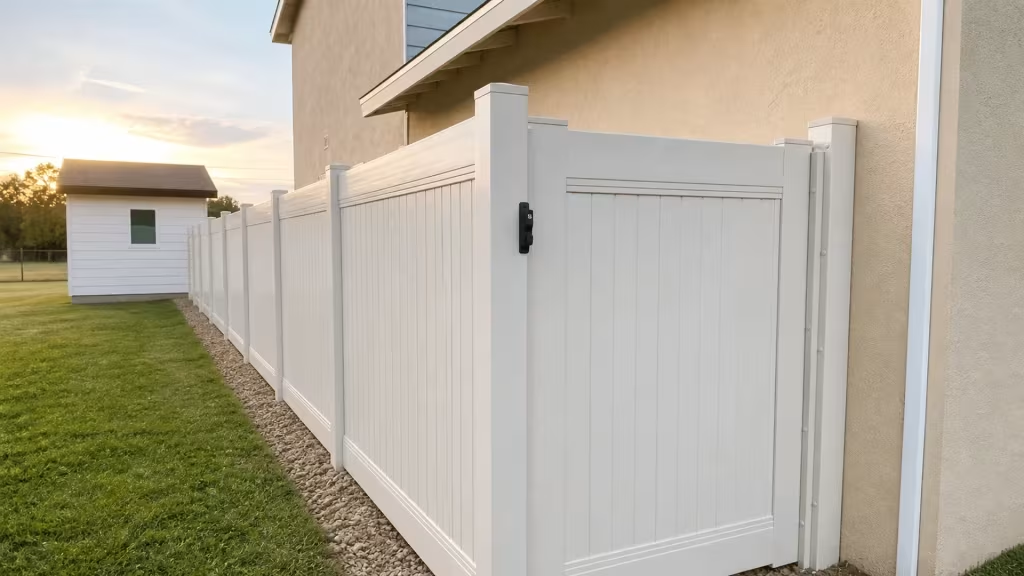
Every gate here rolled open for a real customer once we hung it. Browse vinyl rolling and sliding gates our crew fabricated and set across LA and the Bay, each keyed to the fence beside it and running true on its track. Look for the wheel detail and the color match to the fence line.
Across Greater Los Angeles and Ventura County, we fabricate and install vinyl rolling gates. We measure the opening and the run-back on site, match it to the fence already there, and hang it to roll true. Around here we are the best-rated fence company, with 500+ five-star reviews.
Up in the San Francisco Bay Area we are the new arrival, so a vinyl rolling gate there is built the same way, by the same crew, as the ones we set across Los Angeles. No long local record yet, so we earn it one clean install at a time. City permit and curb rules vary, so we verify yours first.
A vinyl rolling gate reaches a clean-sliding install in four steps, and the first is on your driveway, not the phone. A salesperson reads the opening, the run-back beside it, and the ground under the track, then confirms a roll is right.
From there: a written scope, one crew building and hanging the gate, and a warranty behind the vinyl and the work.
Free and on-site, a salesperson sizes up the opening and the run-back beside it, then confirms a roll fits your drive.
You get the size, the color, the hardware, and the automation-ready prep in writing before we cut a thing.
Our crew fabricates the vinyl-clad rolling frame, sets track and posts, hangs it on the wheels, and tunes the guides.
Your vinyl comes with a transferable limited lifetime warranty; we back our work 5 years, then keep the track clean.
Want the details on rolling gates, sizing, and upkeep before you commit? These guides lay it out plainly.
A vinyl privacy driveway gate blocks sightlines into the property while also cutting street noise at the curb.
Fences blog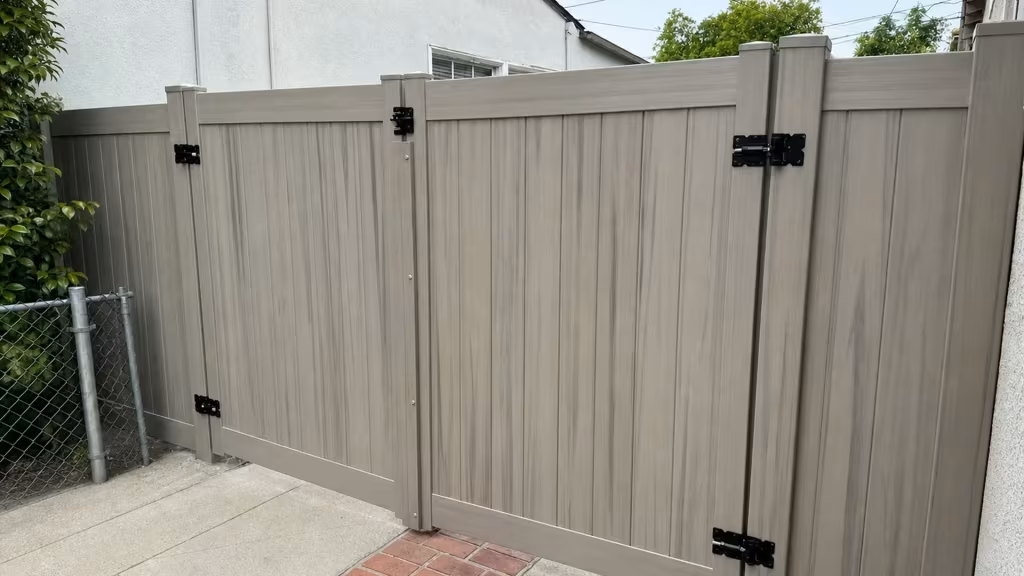
Vinyl Rolling Gate Questions, Answered Straight
Here is what buyers ask us most about vinyl rolling and sliding gates: why roll instead of swing, what keeps one from sagging, how much side room it takes, who handles the motor, whether you need a permit, and what moves the cost. Straight answers below, and if yours is missing, just ask.
Still weighing it up?
Send it our way and grab a free on-site estimate while you are at it.
For a wide opening, yes. On a slide the gate rides on wheels rather than hinges, so it will not sag like a wide swing leaf, and it opens without needing an arc of clear space.
Where a swing still works, a vinyl driveway gate handles the same opening.
The metal inside it. A vinyl sliding gate is built on an internal metal rolling frame with inserts in the uprights, and that frame, not the vinyl, holds the shape.
It rides V-groove wheels on a track, and a top guide roller holds it plumb. The vinyl is the finish, not the structure.
Enough clear, firm run-back to one side to hold the whole panel, roughly the width of the gate itself. That parking space is what people forget to measure.
It also wants to be level and well drained, because a track full of grit or standing water is what makes the wheels bind.
Your automation contractor does, not us. The gate leaves our shop ready for power: frame reinforced, posts sized, and the weight set so an operator can drive it.
What we never do is sell, wire, or fit the motor and its controls. You add power later, through the installer you choose.
Sometimes. Height and automation are usually the triggers, along with anything that reaches the sidewalk or street.
A modest side-yard roll often needs nothing. Thresholds vary by city, so verify with your local building department before the build.
The size and the build: a wider opening, a taller gate, a multi-wheel run instead of a single leaf, the hardware, automation-ready framing, and whatever prep the track and ground need.
A real figure comes from a quick, free on-site look, not off a shelf.