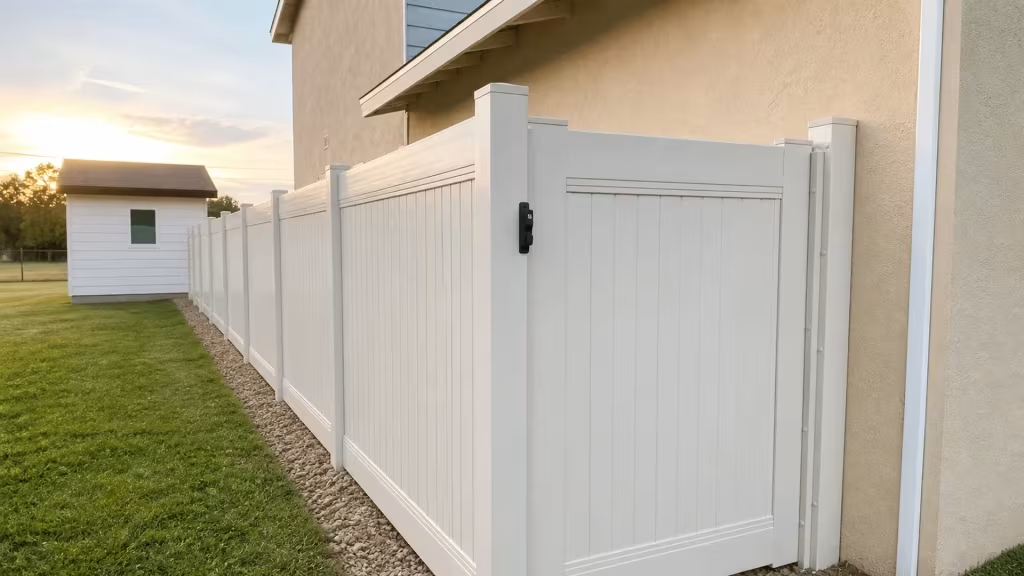
White
Call Now: (844) 744-0707
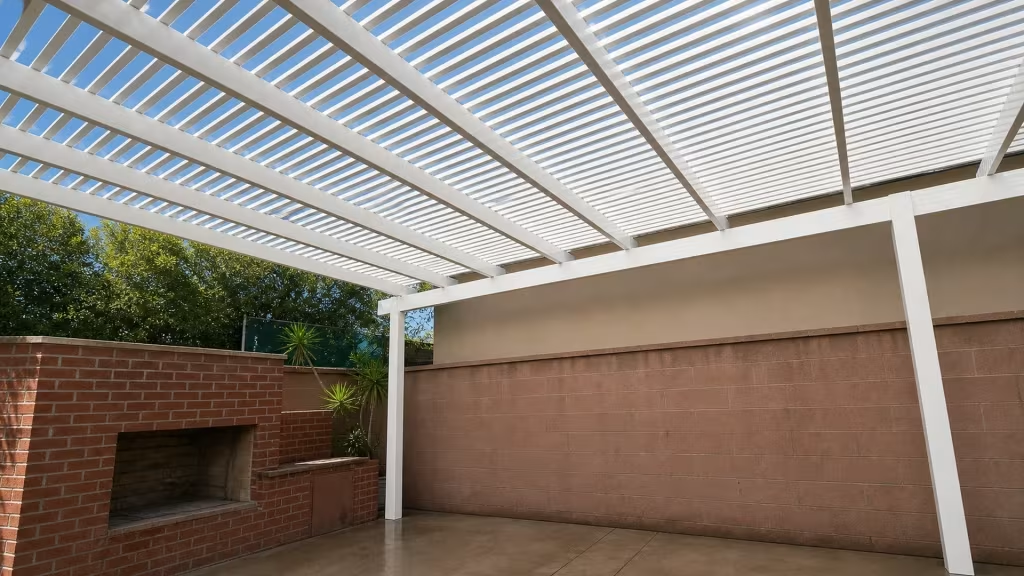
Filtered sun, not a shut-in patio. An open, lattice-style patio cover filters the strong SoCal sun to a comfortable partial shade, roughly 40 to 60 percent, while a breeze still slips through the evenly spaced slats overhead.
Built in vinyl, that cover stays cooler and quieter overhead than metal, and it never needs repainting in the full sun. We fabricate and install each one ourselves, sized to your patio rather than sold as a kit, and we talk you through shade, rain, and cost before you commit.
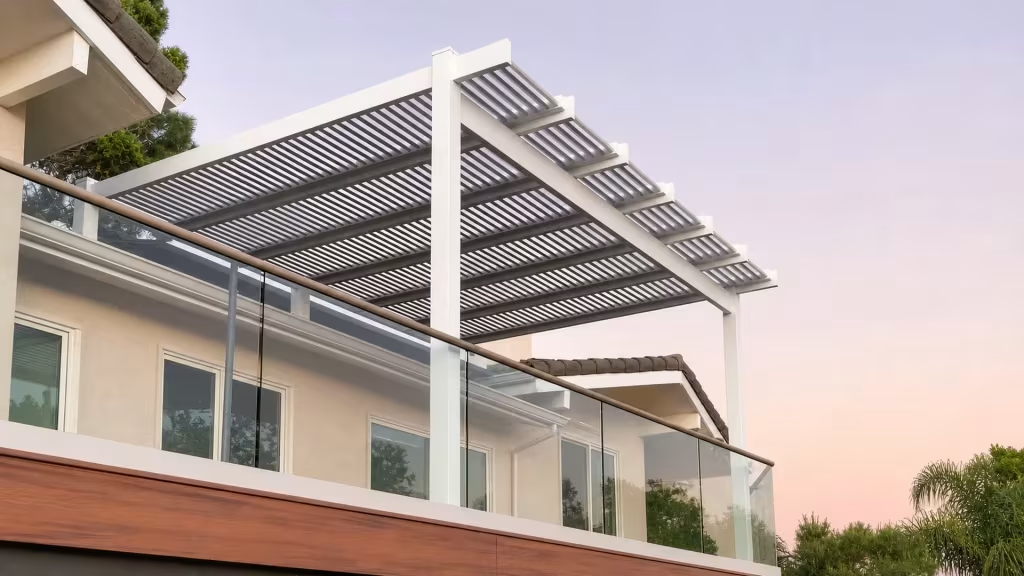
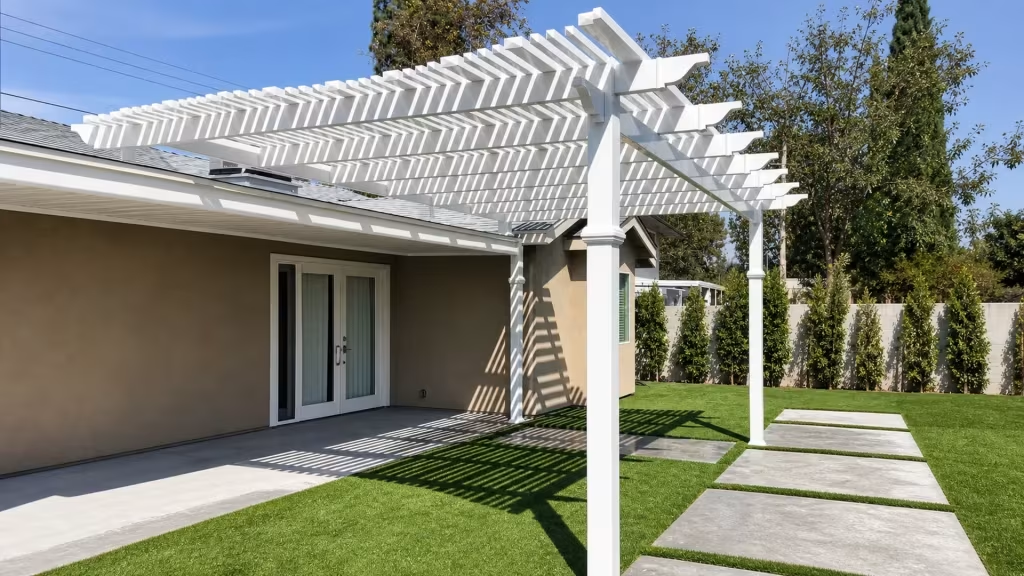
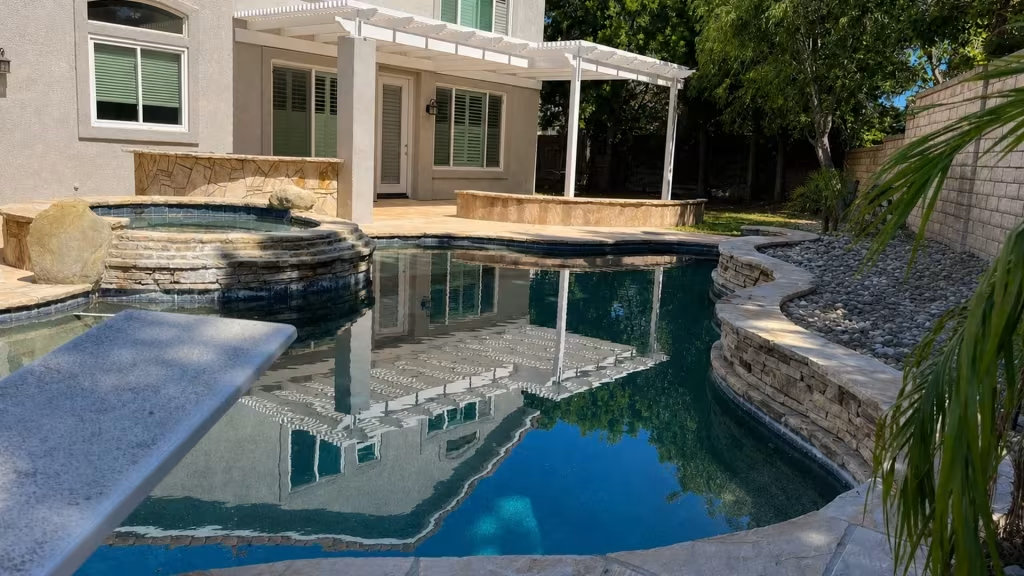
A picket-style cover is the open style in the vinyl line: evenly spaced slats that hold a steady partial shade, not a closed roof.
It suits the patio you want to sit under on a bright day: filtered light over the seating, room for climbing plants, and a cross-breeze throughout. The sections below compare it with a solid roof and a pergola and show what tunes the shade.
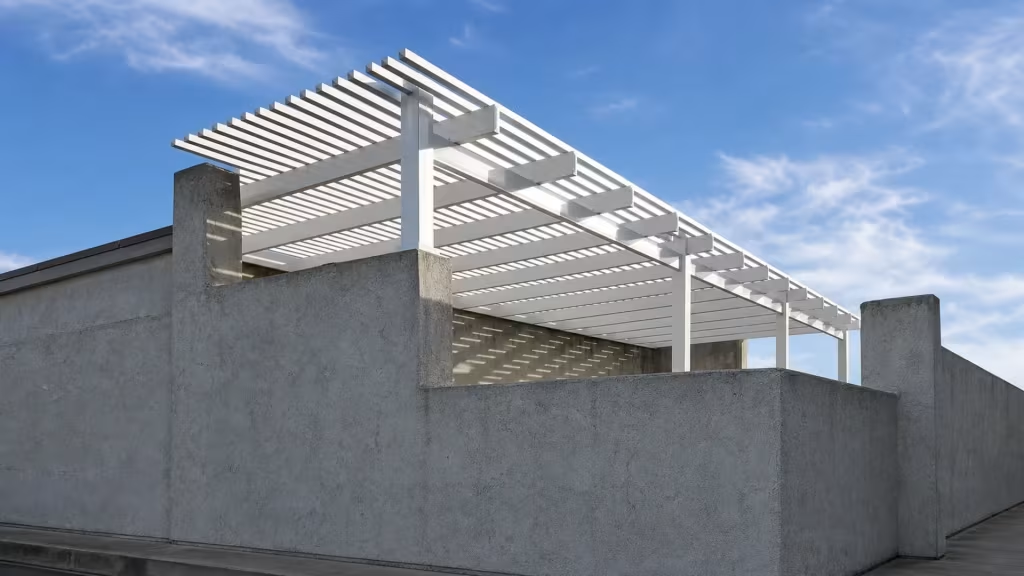
A picket-style patio cover is an open structure of evenly spaced vinyl slats that gives partial shade, roughly 40 to 60 percent, while sunlight and a breeze pass through the gaps. It goes up attached to the house or free-standing over a deck or slab. This is not the big-box vinyl lattice panel you screw onto a fence, but a cover fabricated and framed to the span of your patio.


The choice comes down to one trade: light and air, or full cover. A picket-style cover keeps the patio bright and breezy with soft, moving shade, while a solid roof shuts out the sun and keeps the rain off.
Because the slats are spaced, rain falls straight through the gaps, so an open cover is not built for a dry space. If you want a spot that stays dry in a winter storm, the solid vinyl cover is the one to build, and the related covers slider points you to it.
| If you want | Picket-style (open) | Solid vinyl cover |
|---|---|---|
| Sunlight | Filtered, 40 to 60 percent shade | Fully blocked |
| Rain | Passes through the gaps | Sheds off the edge |
| Airflow | Steady cross-breeze | Still air |
| Best for | Airy seating and plants | Rain-safe dining |
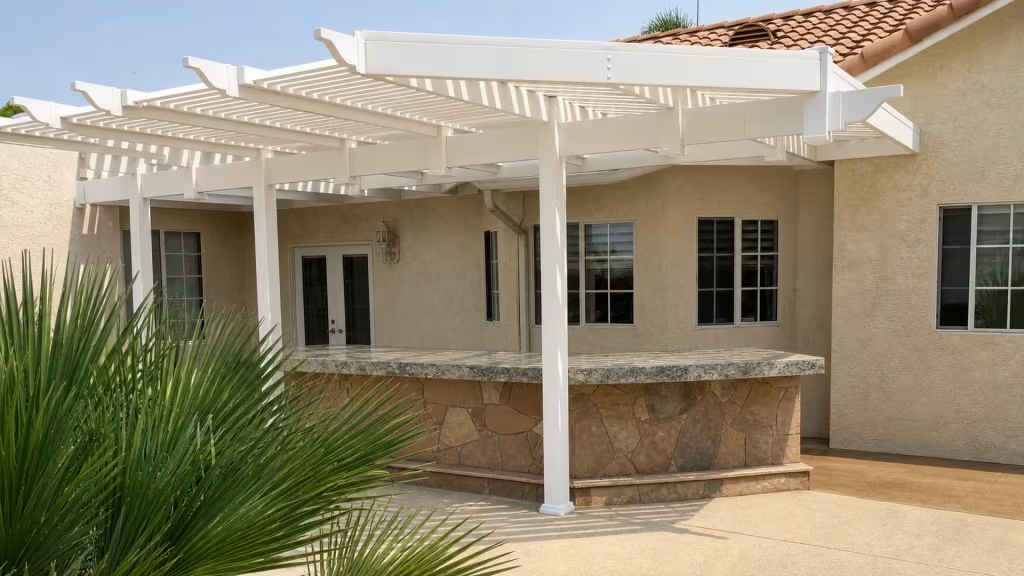
Both are open, so the difference is in the shade. A picket-style cover runs evenly spaced slats close enough to hold a defined partial shade, roughly 40 to 60 percent, with a clean, finished look.
A pergola is an open frame of rafters and beams set wider apart, more architectural than shading, so it casts only light stripes. Choose picket-style for real, countable shade over the seating, a pergola for an airy frame and a looser garden feel.
The slats on a picket-style cover are fixed, evenly spaced pickets, not louvers that tilt open and shut. That is deliberate: nothing motorizes or pivots, so there is no mechanism overhead to jam, wear, or fail. You get one steady partial shade year after year, usually at a lower cost than a moving-louver system and with no electrical work to schedule. We do not motorize patio covers.
How much shade you get is really a design decision, set by how tightly the pickets sit: closer slats cast more shade and usually a cooler patio, wider slats let more sun through. And because the slats are fixed while the sun keeps moving, the shade is never one flat shadow. It falls in soft, dappled stripes that travel across the patio as the day goes, deeper in the low morning and late light, thinner at midday.
On an open cover the slats sit fully exposed to the sun all day, which is exactly where vinyl earns its keep. Overhead it stays cooler underhand and quieter than metal, so it will not bake or drum in heavy sun or a passing shower. This is US-made rigid PVC: it never rots, warps, or asks for repainting, so it usually still looks right long after a bare metal cover has chalked and faded in the same sun.
An open roof does not mean no permit. In the City of Los Angeles an open-slat or lattice cover is treated the same as any patio cover: one attached to the house generally needs a building permit even though the roof is open. Some small detached structures can be exempt, typically a stand-alone cover under 120 square feet, one story, and under 12 feet high. Rules vary by city, so verify with your local building department.
An open cover prices on a handful of real factors, not a flat rate: the size and span of the patio, attached or free-standing, the picket spacing and style, the site prep and footings, and hauling off any old cover up there now. Every patio is its own puzzle, and the true cost surfaces only once a salesperson walks yours in person, free of charge. Synchrony financing is on hand too, starting at nothing down.
Slats leave four faces open on every board: the top, both edges, and the one you stand beneath. No panel above the row shades any of them, so sun works on all sides equally. Colors on an open cover get judged from the patio floor as often as from a window above.
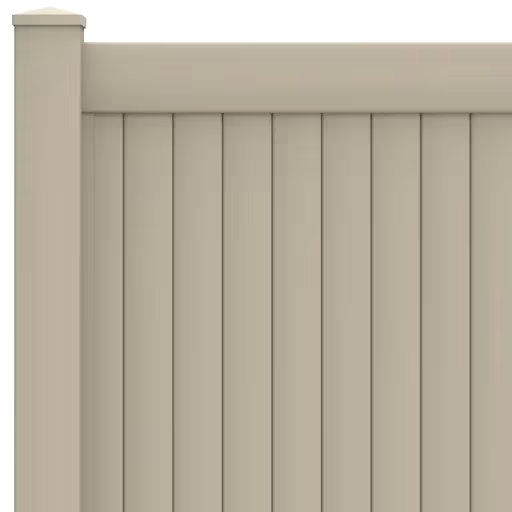
Fencing is the bigger part of what we do. Property lines, driveway entries and the gates between them come in vinyl and in aluminum, and raising one of those while a cover is planned is normal for us.
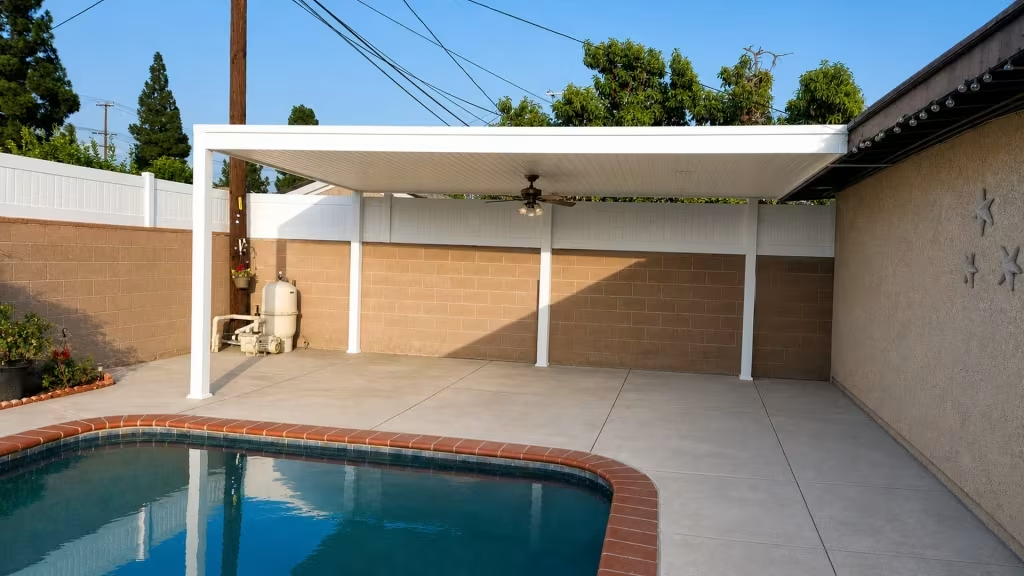
Free-standing covers stand on their own posts with no wall to lean on, so shade can go anywhere in the yard.
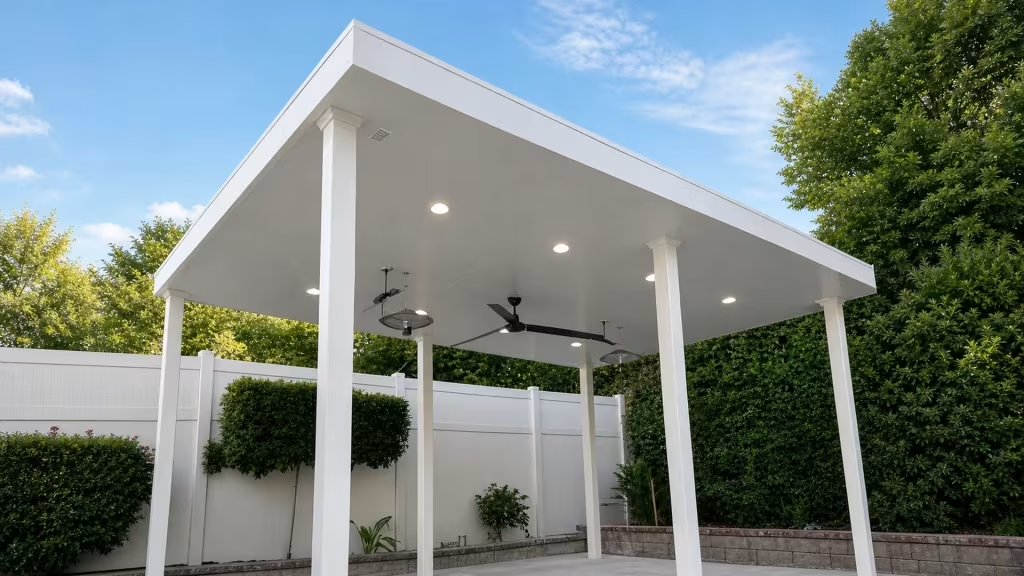
Custom patio covers get drawn to your patio’s exact footprint, built for odd angles or spans no stock kit fits.
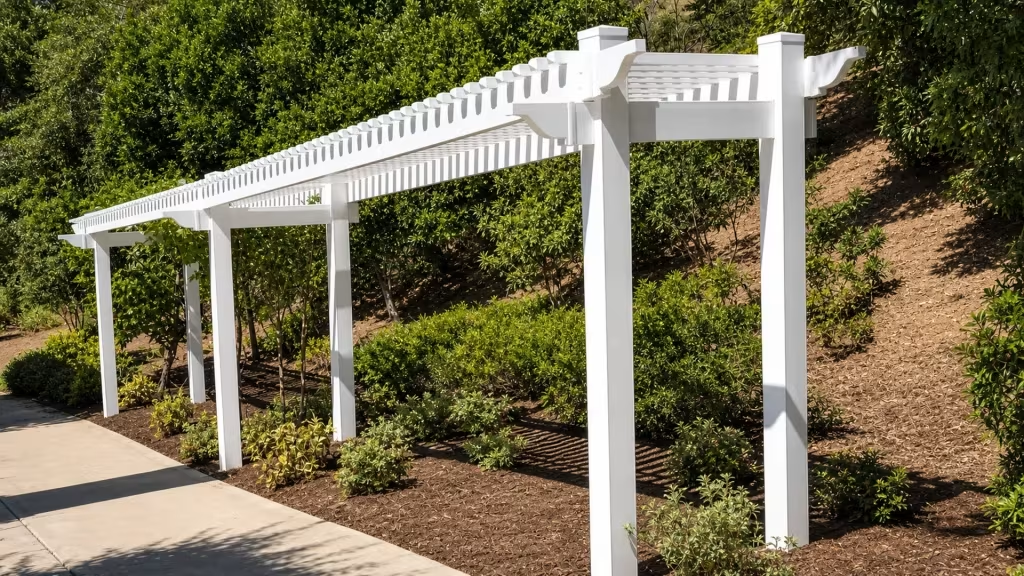
Pergolas set an open frame of posts, beams, and rafters overhead, trading a closed roof for dappled light.
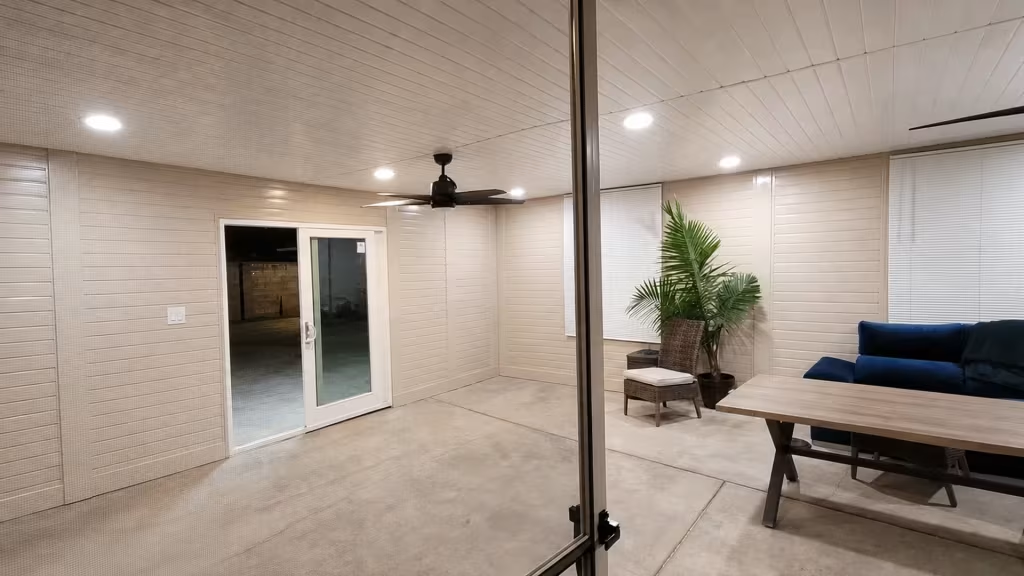
Solid patio covers close the roof completely, built for full shade and real rain protection, not filtered sun.
Pro Vinyl came out and assessed a job for fence toppers. David was wonderful setting up the project. The day came and Vardges did an OUTSTANDING job. His work was efficient, clean and very precisioned.
I would highly recommend the fine work delivered by this company. Everyone was friendly and extremely helpful.

Vic and David were absolutely amazing. These two guys came in and had a challenging layout to work with on a West Hollywood bungalow and powered through every landscape issues they came across.
The final result was spectacular and made my bungalow look like an estate, forever grateful!

Great service and pricing. Many more custom options than other companies. For example we wanted the fence to be 7ft in one area and 8 Ft in another area. Since they manufacture their own fencing they do. All others we contacted just do 6 ft.

I got three estimates for my property and Pro Vinyl Fencing won my bid hands down. The price was fair and the crew was professional, courteous, friendly, and even offered to help with moving some items for me. The job was completed on time and the results were excellent.
I am very happy with my new fence!

The projects here are finished open picket-style covers, each fabricated in our shop and raised over a real backyard, some above a new deck, others across a sun-beaten slab that used to have no shade at all. Browse the work in both markets, then request a free quote for your own patio.
Right across Greater Los Angeles and Ventura County, we build each open vinyl cover to Los Angeles code, cut to the run of the patio it shades. This is the style for strong SoCal sun: dappled light over the seating, a cross-breeze all afternoon, and a price in writing before work begins.
That same crew and its custom covers reach homeowners throughout the San Francisco Bay Area. An open cover suits the softer Bay light, filtering the sun while a breeze keeps the patio fresh. Patio-cover permit rules differ from one city to the next, so verify with your local building department.
Building an open cover breaks into four plain steps, nothing buried in them. It opens in your yard with a tape and a talk about sun, spacing, and drainage, and closes with a warranty you keep. Scope and price are on the table before you sign.
One crew handles the whole job, from the first measure to the final walkthrough, and you owe nothing up front.
A salesperson measures the span, checks your sun exposure, and settles whether the cover attaches or stands free.
You get the factors, the picket spacing, the color, and the price in writing, with Synchrony financing if you want it.
The crew pulls off any old cover, hauls it away, fabricates and installs the open vinyl slats, custom to your span.
The material carries a transferable limited lifetime warranty, backed by our own 5-year workmanship warranty.
Straight talk on shade, spacing, permits, and open-cover upkeep, from the hands that build and raise them.
Tilting louvers let a patio owner dial in exactly how much sun and airflow reach the space below.
Fences blog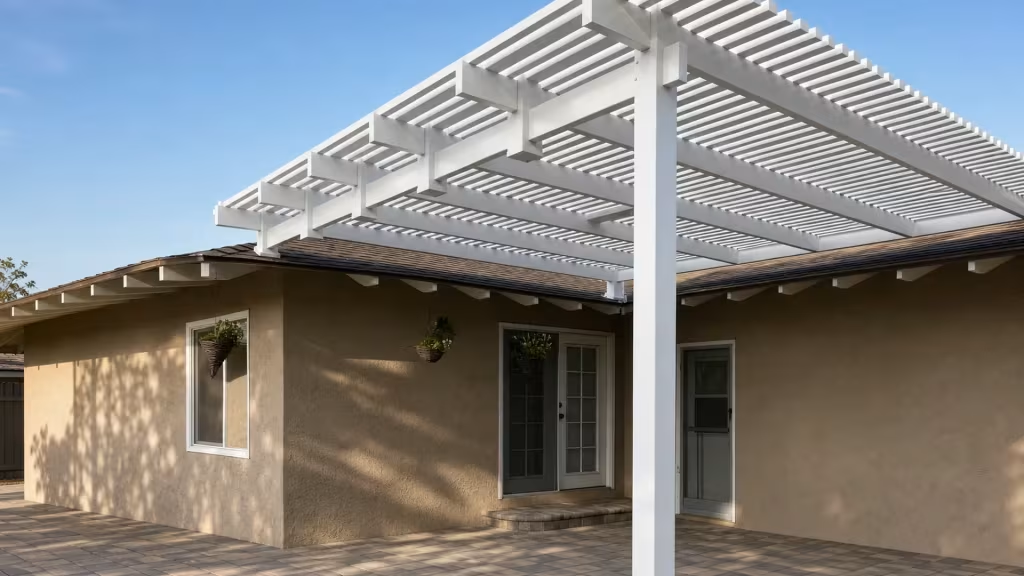
Your Open Patio Cover Questions, Answered
Anyone weighing an open cover circles back to the same handful of questions: how much shade it gives, whether it holds off the rain, and whether the slats actually move. We have answered the ones that come up most below, so you can weigh it with everything in front of you, then book a free measure.
Still weighing it up?
Talk to a patio expert and get a free on-site measure of your patio.
Roughly 40 to 60 percent, so the patio stays bright and breezy rather than dark.
The exact amount comes down to how tightly the pickets are spaced: closer slats cast more shade and usually a cooler patio, wider slats let more sun through. Because the sun travels, that shade shifts across the day.
No. The slats are spaced, so rain falls straight through the gaps, the same as the sun. An open cover is built for shade and airflow, not a dry space.
If you want to sit out through a winter storm, the solid vinyl cover is the one to build, and the related covers slider links straight to it.
No. The pickets are fixed and evenly spaced, so the shade stays steady instead of tilting open and shut.
That is the point of the style: no motor, no moving parts overhead to jam or wear out, a lower cost than a louvered roof, and no electrical work to book. We do not motorize patio covers.
No. An open roof is not an automatic exemption. In the City of Los Angeles an open-slat cover is treated like any patio cover, and one attached to the house generally needs a building permit even though the roof is open.
Rules vary by city, so verify with your local building department.
Yes. The evenly spaced slats double as a trellis, so a climbing plant like bougainvillea, jasmine, or ivy can thread the gaps and grow across the cover.
Over a season or two it adds its own living shade on top of the vinyl, which is a favorite way to soften an open cover.
Both are open, but the shade sets them apart. A picket-style cover runs evenly spaced slats close enough to hold a defined partial shade, roughly 40 to 60 percent, with a finished look overhead.
A pergola is a wider frame of rafters and beams, more architecture than shade, and casts light stripes.