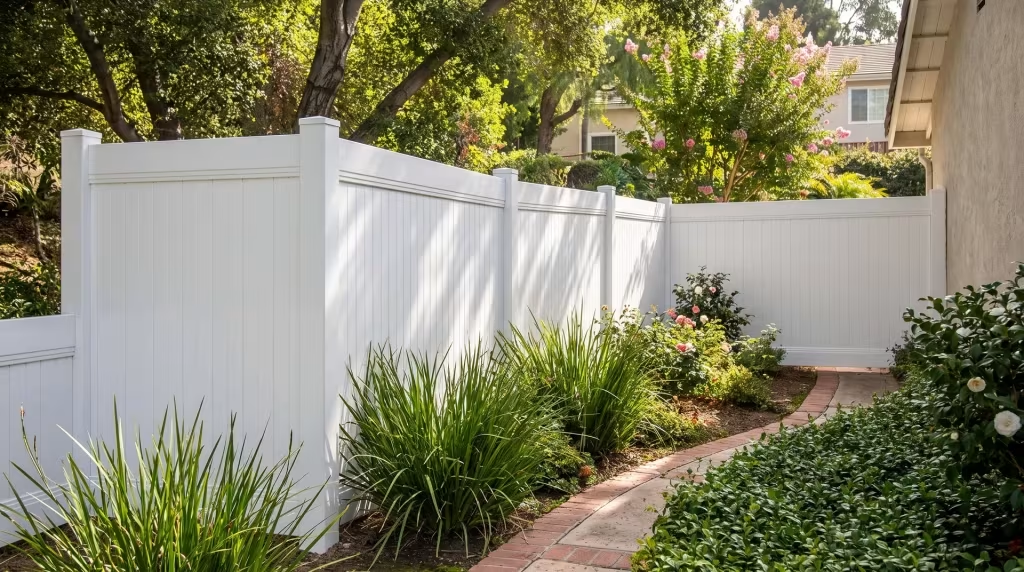
White
Call Now: (844) 744-0707
A vinyl side gate is the pedestrian gate down the side of your house, the one you swing open to reach the backyard with the trash cans, the mower, or the dog. It is the single walk gate a household uses every day.
We measure the actual passage, then fabricate the leaf on a metal frame to fit that opening instead of shipping you the nearest stock width. It hangs self-closing and self-latching, matched in color and height to the run it sits in, so it disappears into that run.
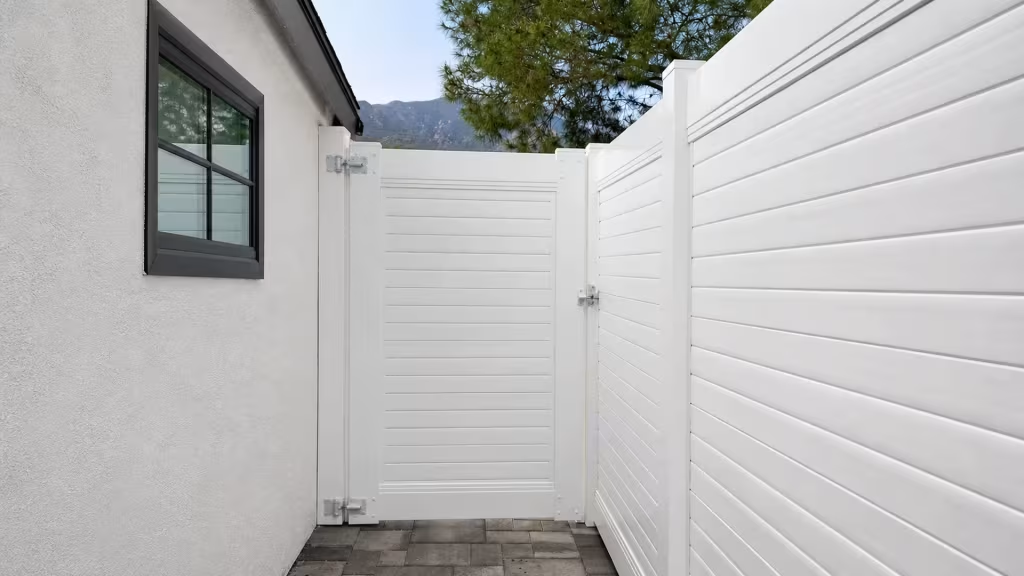
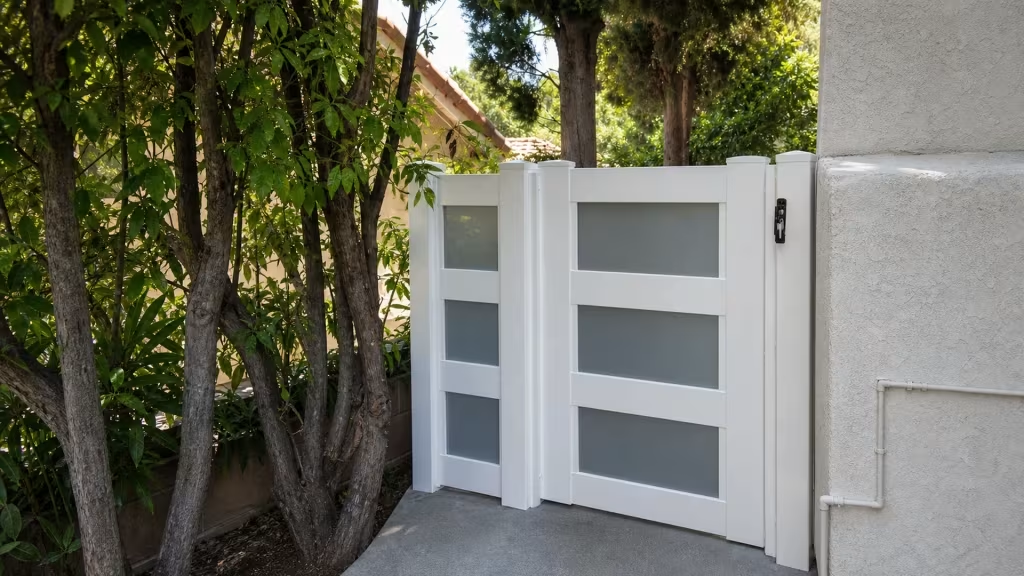
A side gate should fit the passage it lives in, hang so it closes behind you on its own, and match the fence it interrupts.
Search that phrase and you usually get fixed-width kits, boxes you size to the closest listing and hang yourself. A fitted gate is different: sized to your opening, hung to contain pets and kids, and built in a color that blends into the run.
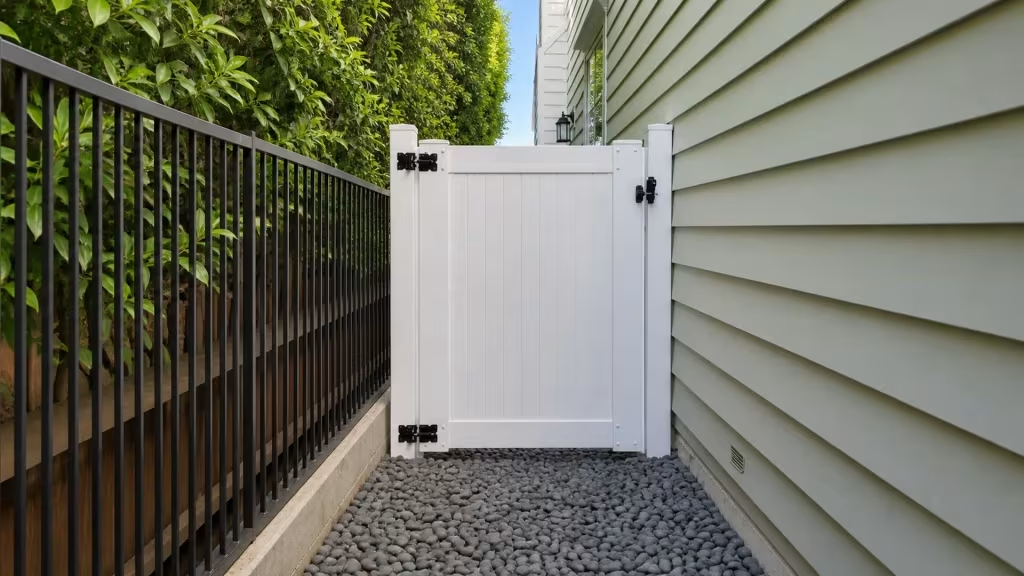
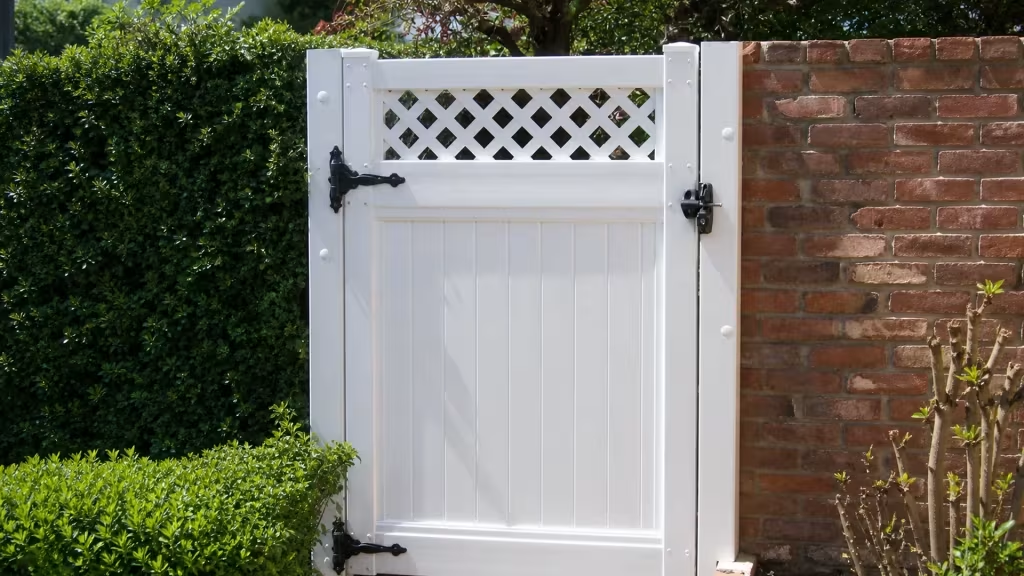
A vinyl side gate is the single-leaf pedestrian gate that lives in the narrow run between your house and the property line. The catalog calls it the Single, or side, gate: a leaf of tongue-and-groove privacy boards or open pickets over a metal frame that carries its weight.
Some buyers call it a gate door, or search for a vinyl door, though that term usually means a house entry door. On a fence line, this is the single walk gate. That frame lets it hang true instead of drooping like a loose panel, and that frame is what every vinyl gate we build starts from. Our crew fabricates and hangs the whole gate, not a shipped kit.


Side yards are the tightest ground on most lots, so the real question is not a catalog width but whether a gate fits your opening at all. A salesperson measures the actual passage, and the leaf is fabricated to that number, not rounded to a stock size.
Then comes the swing: it has to clear the air-conditioning condenser, the house wall, and a downspout, so we set the hinge side to open into the room the yard has. How wide a gate spans before it sags is a driveway-gate question.
The daily failure of a side gate is simple: someone walks through, forgets to pull it shut, and the dog is loose on the sidewalk. So the closing is built in, not left to memory.
Self-closing hinges pull the leaf back on their own, and a locking self-latch grabs the frame every time, with the release set high for a small child. Both pieces through-bolt to the metal frame. Guarding a pool, solid vinyl is an approved, non-climbable barrier that has to self-latch.
A side gate reads right only when it matches the fence on either side of it. Because a side yard is part screen and part passage, you get a real choice: a solid tongue-and-groove leaf that closes off the view, or a picket leaf that keeps things open.
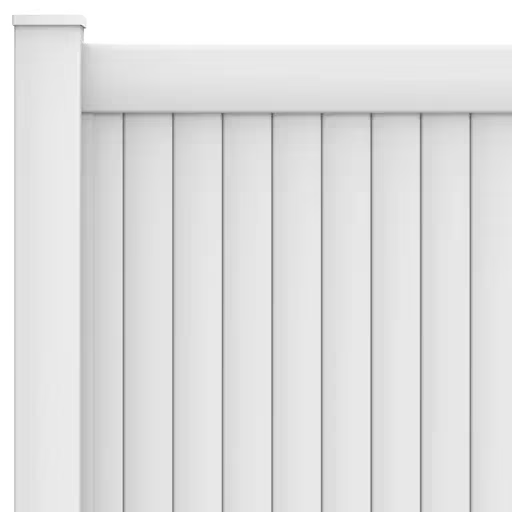
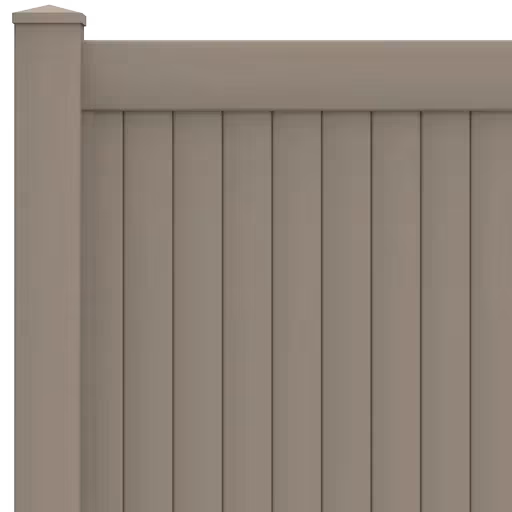
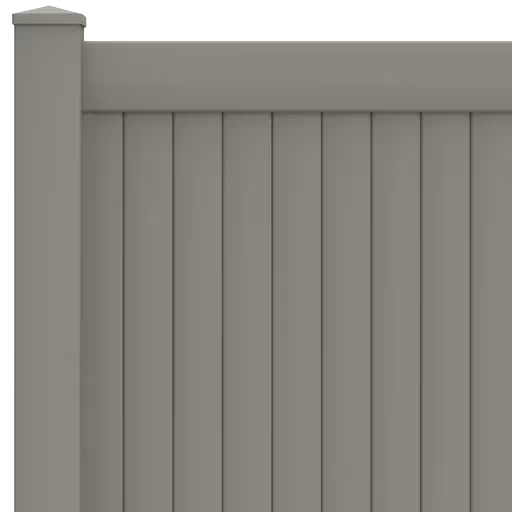
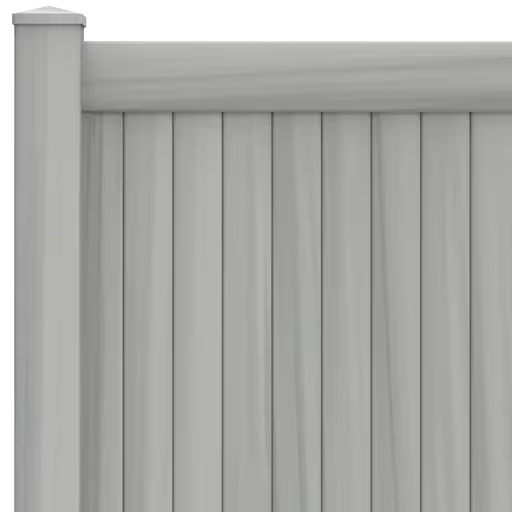
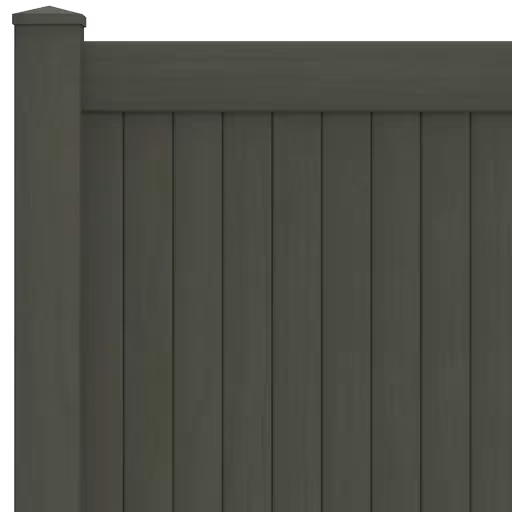
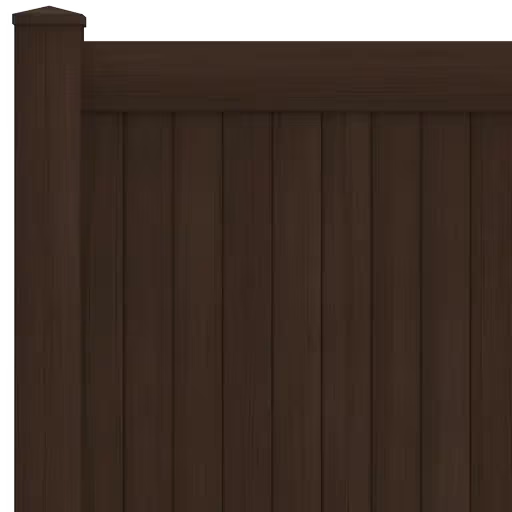
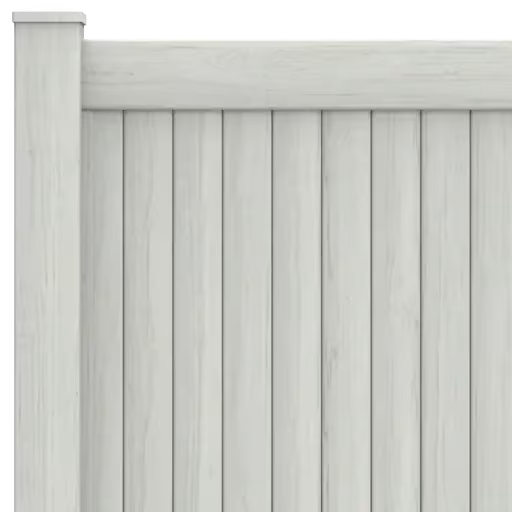
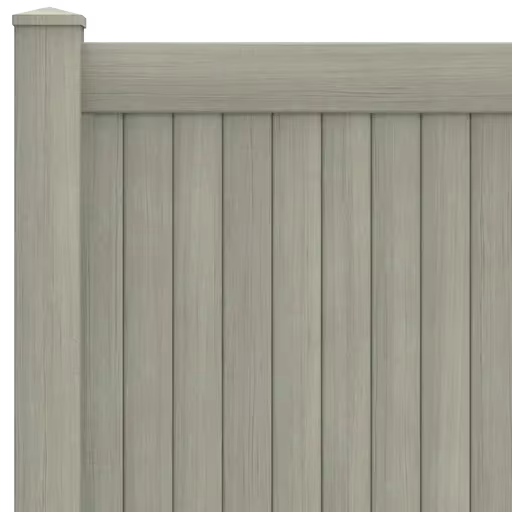
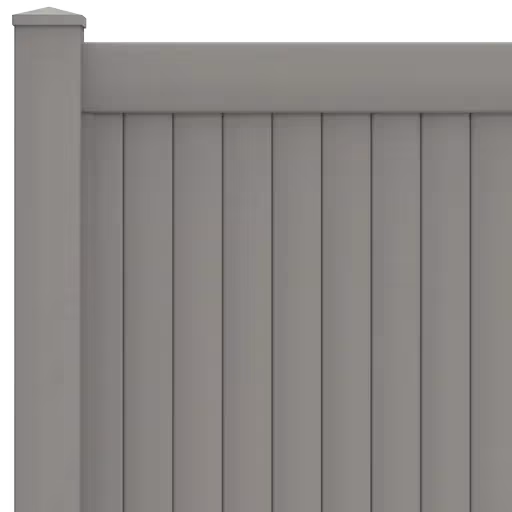
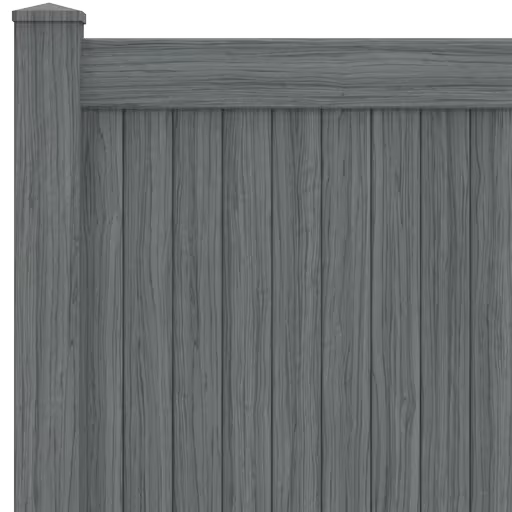
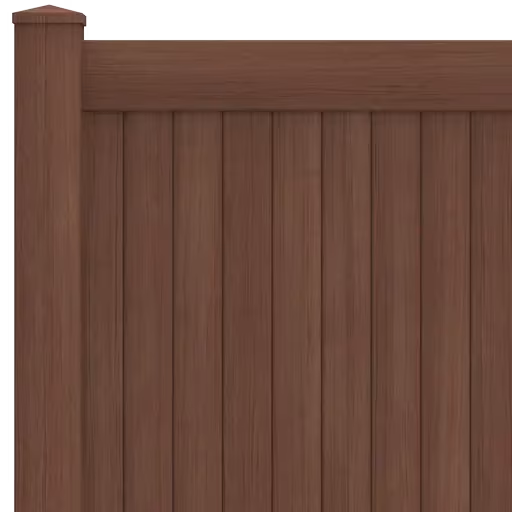
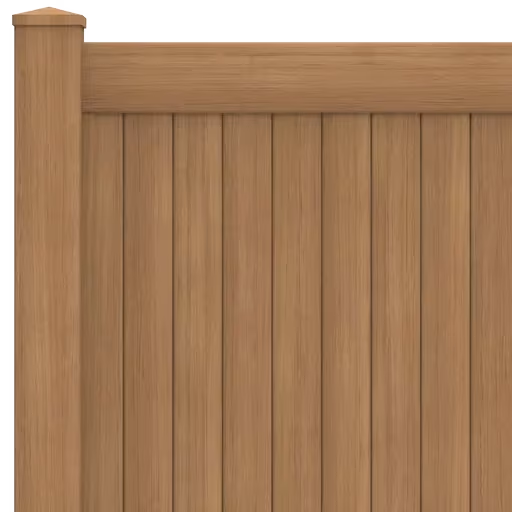
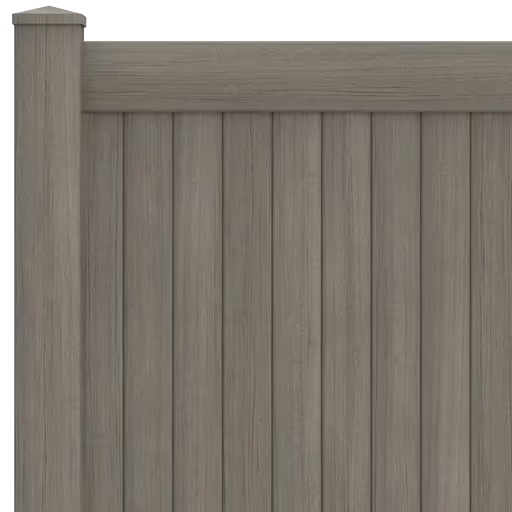
Either way it is fabricated in the same 14 colors across three families the fence already wears, from white and tan through woodgrain and textured blends, and stood to the same height. A kit offers only its own white or tan.
A side yard is the dampest, most shaded strip on a property, and that is exactly where a wood gate loses. Wood swells in the wet, rots at the bottom rail, and sags and sticks within a few seasons.
Vinyl does none of that: it will not rot, warp, or swell, and a garden hose handles the whole upkeep, no sanding, no repainting, no yellowing. So the honest answer to what suits a hard-used side gate is the low-maintenance one, not the usual driveway metals.
The gate alone can be replaced, and the fence stays right where it is. Once a wood leaf warps, rots at the bottom, or sags until it sticks, the crew lifts it off and builds a fresh vinyl leaf on a metal frame. That new leaf hangs back on the posts already standing in your side yard. Color and height come off the boards right beside it, so the repair barely shows. You skip tearing out a run of fence that still does its job.
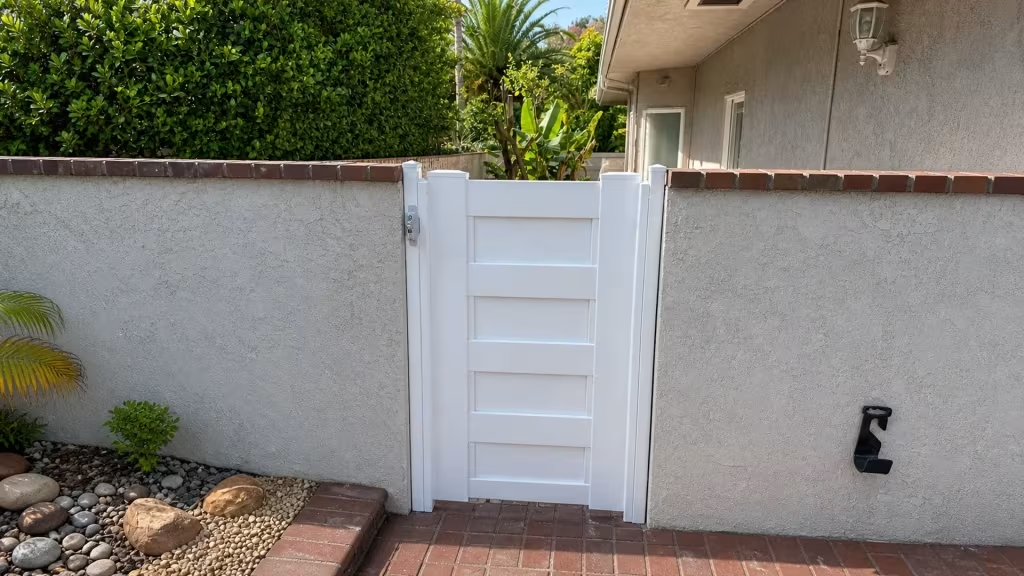
A standard pedestrian side gate normally needs no permit at all, since it is short and hand-operated. Height is what a permit turns on, and a walk gate sits well under every local trigger: in the City of LA a non-masonry fence needs a building permit only above 10 feet, in unincorporated LA County over 6 feet, in Glendale over 7 feet.
Rules vary by city, so verify with your local building department. A side gate is hand-swung, not motorized, so no opener to buy here. If your job is something else, a wide or vehicle opening calls for a vinyl driveway gate, and a pool gate for an aluminum single gate.
You walk past this leaf at arm’s length daily, closer than any run of fence gets looked at. Grain shows at that distance: six smooth woodgrains, four textured blends, four plain solids that read as flat color up close. None of it wants paint or stain to keep the tone.
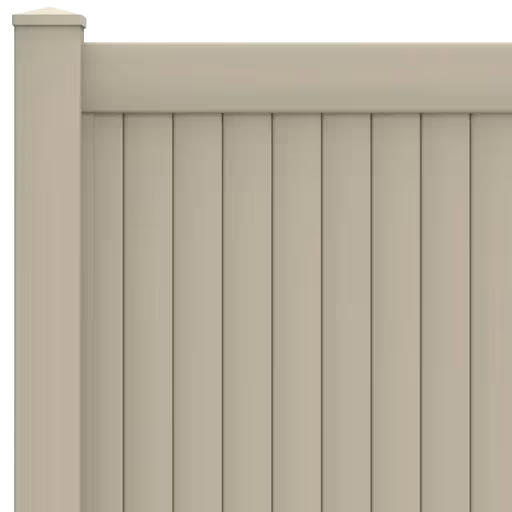
Vinyl runs longer than gates in our shop. The straight fence a gate interrupts, the decorative screens that break up a yard, the covered structures out back, we fabricate all of it in the same material.
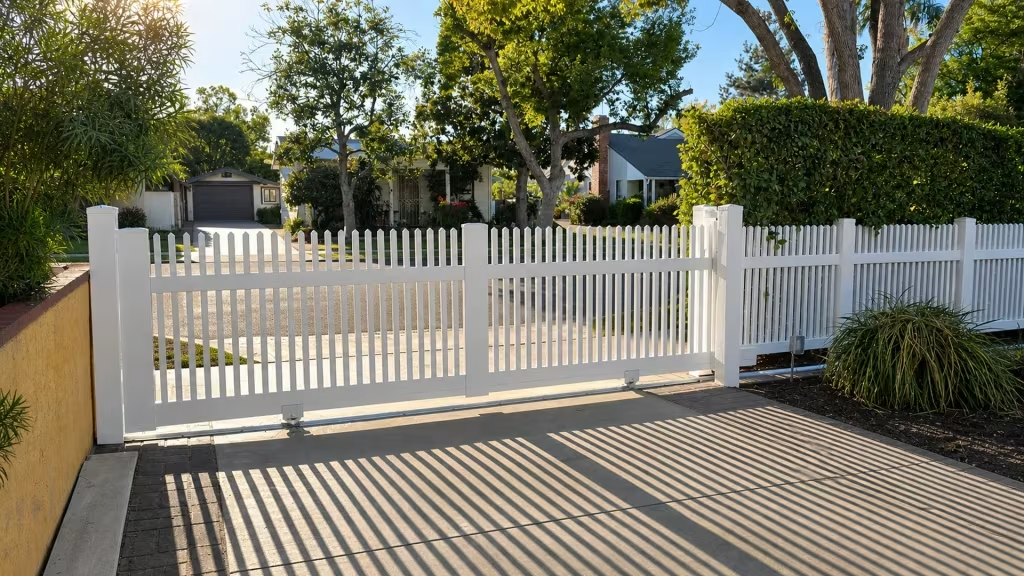
Driveway gates ride on a welded steel frame under the vinyl skin, sized to your opening so it never sags.
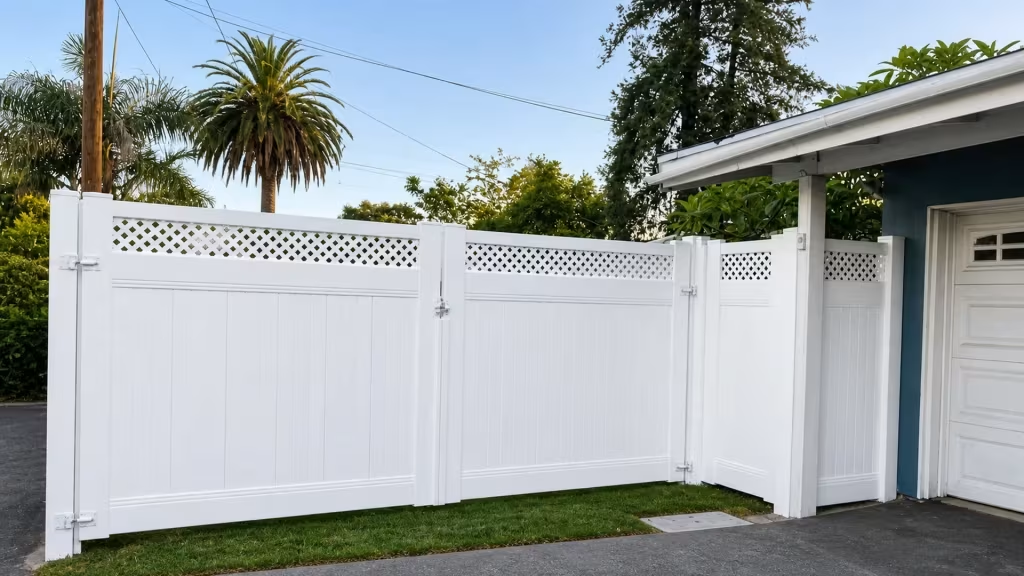
Fence gates get built to match your run exactly, same style, color, height, and pickets, on a metal frame.
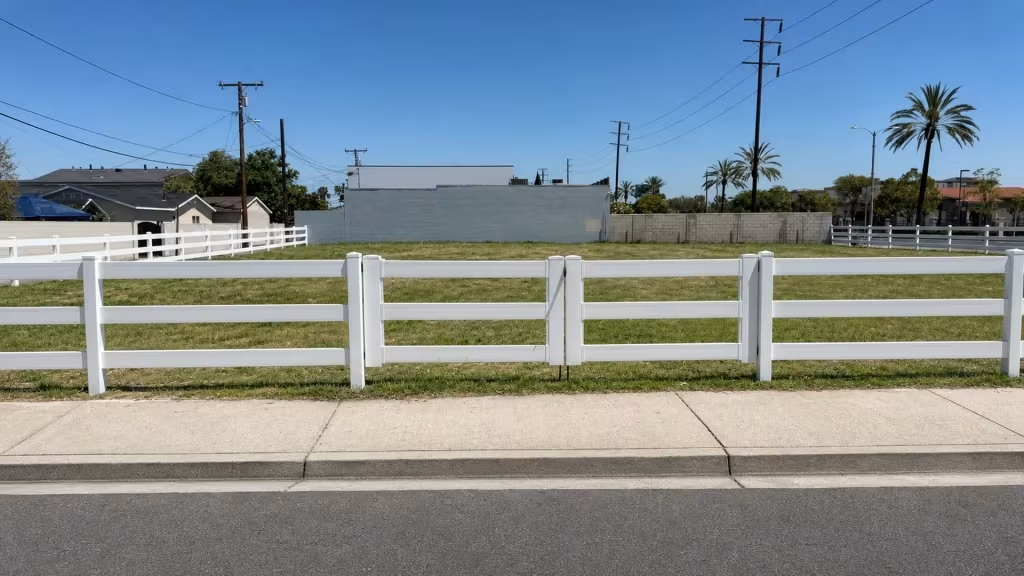
Rolling gates slide sideways on a wheeled track, clearing a wide opening with no leaf left to sag.
Igor & Ruslan were incredible! We interviewed a bunch of other companies and we are absolutely thrilled we chose them. The work was done with precision and the fence looks better than I could have imagined. They were super collaborative and helpful and very kind. Would 100% recommend them to anyone.

David , Chris , Jasmine and the team are awesome. Low pressure, very competitive pricing,great to work with . I choose this group a year ago and called them back for additional fencing. Three neighbors have now used their services completely satisfied!

I googled a company for vinyl fencing. This company came up. They were responsive, out the next day, excellent pricing and ready to install in a matter of days. The instal was professional and clean, very easy company to work with. I would highly recommend contacting Nair, he will take care of you from beginning to end!!

They were timely, professional, thorough, and communicative. David who did the installation of the two gates skillfully installed them. Explained how the locks worked.
I asked him to make adjust the closing mechanism and he did and also showed me how to make the adjustment if needed in the future.

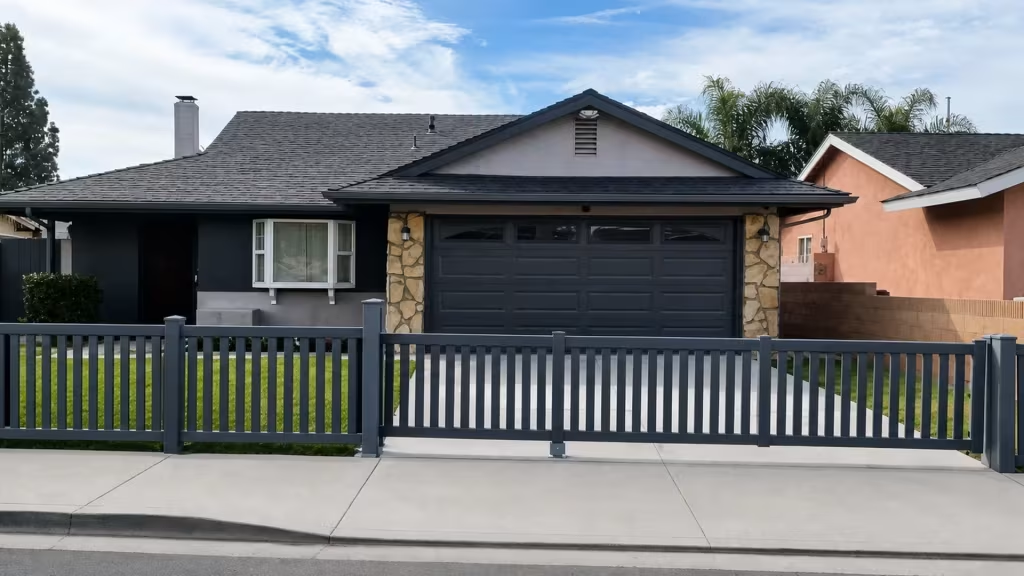
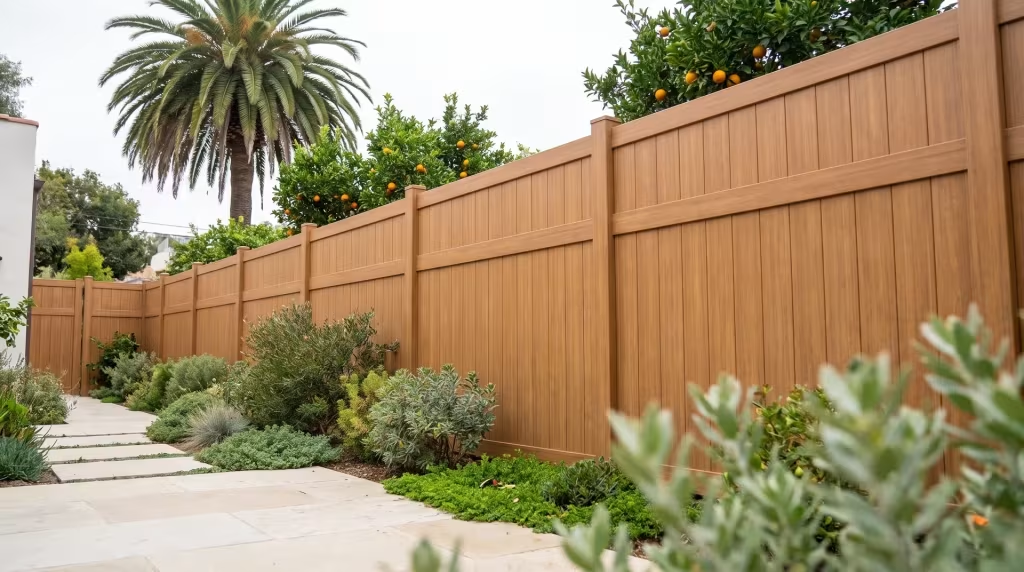
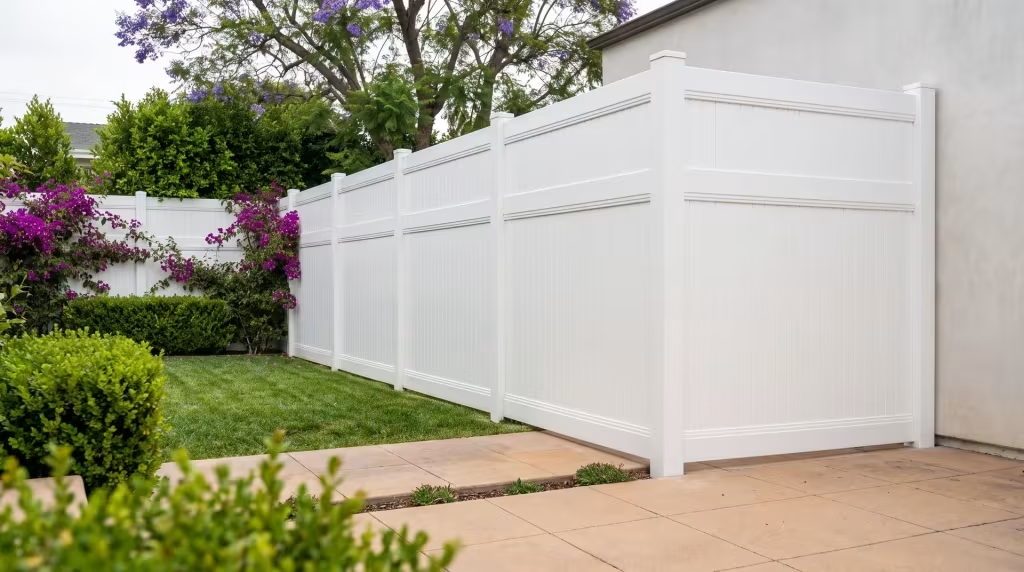
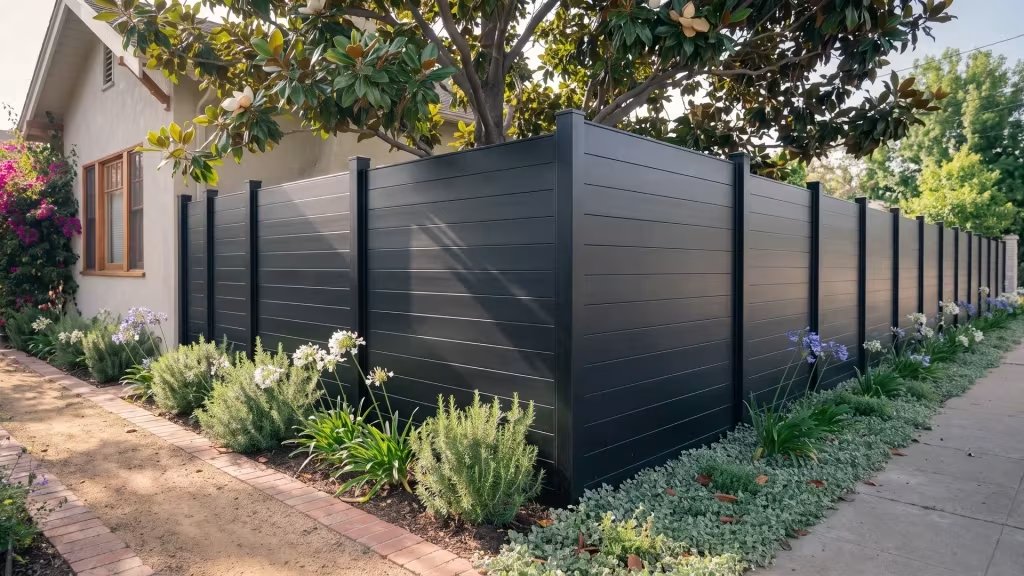
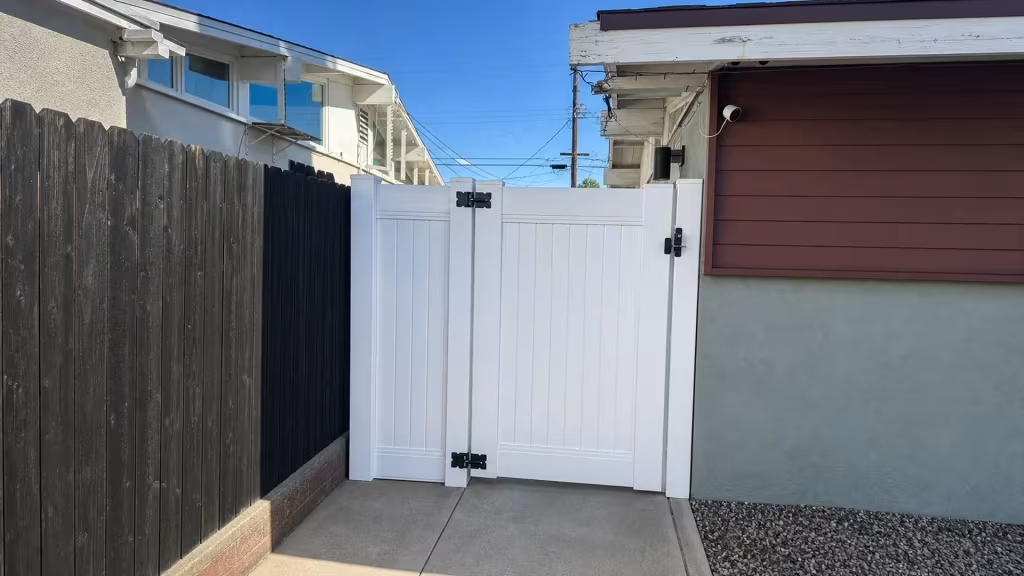
These are real side-yard gates our crew measured, built, and hung across the areas we cover. Notice how each leaf slots into a tight passage and sits flush with the fence next to it in style, color, and height. Some screen the yard solid, others stay open pickets.
Older Los Angeles and Ventura County lots tend to run tight down the sides, a slim strip between house and neighbor where a stock gate will not fit. That is routine work here: since 2018 the crew has measured those narrow passages and built leaves to match. Best-rated locally, 500+ five-star reviews.
The San Francisco Bay Area is our latest market, and side yards here lean damp and shaded, coastal, tree-cover conditions where a wood gate swells and rots fastest. The made-to-fit vinyl leaf is the one built in LA, sized to your passage and hung so it closes on its own. Book a visit and we’ll come look.
Every side gate starts at your property, not over the phone, because the passage and its obstacles decide the gate. A salesperson measures the opening, reads where the leaf has to clear, and sets color and height against the fence before a cut.
From that visit on, one crew carries the gate through: a written quote, a clean build, and the hanging.
On a free visit we measure the opening, note the obstacles around it, and settle which way the leaf should swing.
A written contract spells out the gate, the hardware, and the timeline. Cost factors are explained, the estimate free.
The crew fabricates the leaf on its metal frame, hangs it self-closing and self-latching, and matches it to the run.
We cover the install for a further 5 years, and the vinyl includes a transferable limited lifetime warranty.
Guides to sizing a side gate for a tight passage, keeping it latched around pets, and matching it to a fence.
The site, more than personal taste, usually decides whether a gate should swing, slide, or lift clear.
Fences blog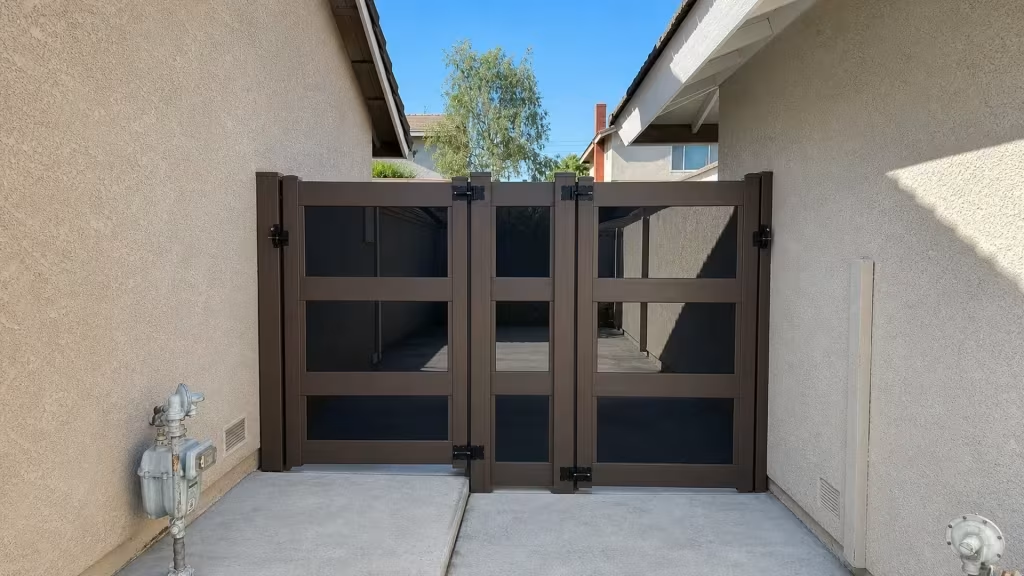
Side Gate Questions, Answered for Your Yard
Homeowners usually ask the same handful about a side gate: whether vinyl suits it, whether one fits a narrow passage, which way it should swing, whether it keeps a dog and kids in, solid or picket, and whether we can replace just the old gate. Straight answers sit below.
Planning a side gate?
Speak with a gate expert and get your side passage measured this week.
For a side yard, yes. That strip stays damp and shaded, the conditions that rot and swell a wood gate within a few seasons.
Vinyl shrugs all of that off, with no rot and no warping, and asks for nothing more than a rinse. It is the option the usual side-gate answer skips, listing only metals.
Yes, because it is measured before it is built. A salesperson takes the true width of your passage, and the leaf gets built to that exact opening, a person-width gate instead of the closest stock size.
Tight or out-of-square passages are the normal case, and a made-to-fit leaf still hangs plumb.
Toward the space the yard gives you, and clear of what is fixed in place.
In a narrow side run that usually means hinging the leaf so it opens past the air-conditioning unit, the house wall, or a downspout instead of banging into them. The crew settles the hinge side and swing at the measure.
Yes, when the closing is built in rather than left to whoever last walked through.
A self-closing hinge draws the leaf shut behind you, and a catch that self-latches grabs the post every time, so it is never quietly left open. The release usually sits high enough for a small child.
It usually depends on the run it joins and how much of the side yard you want to screen.
A solid, gapless leaf closes off the view for privacy, while a picket leaf keeps the passage open and lets light through. Matched to the neighboring fence, it blends into the line, in the full 14 colors.
Yes, the gate alone can go. The crew takes down the old wood or sagging leaf, builds a matched vinyl one on a metal frame, and hangs it back in the posts you already have.
The fence stays put, and we color- and height-match the replacement to the run beside it, so it blends right in.