Aluminum Driveway Gates
Aluminum driveway gates, welded to your exact opening and offered as swing, slide, or cantilever.
Call Now: (844) 744-0707
A single aluminum gate is one welded leaf, built to fit your opening. It hangs to line up with the fence around it. Rust-free 6063-T6 aluminum, powder-coated, made for a side yard, a pool enclosure, or a front walkway.
We build and hang single gates as a licensed installer, custom fabricator, and wholesaler, not a kit reseller. Best-rated in Los Angeles with 500+ five-star reviews, one crew covers Greater LA and the Bay Area. The on-site estimate is free. It puts a real number on your gate.
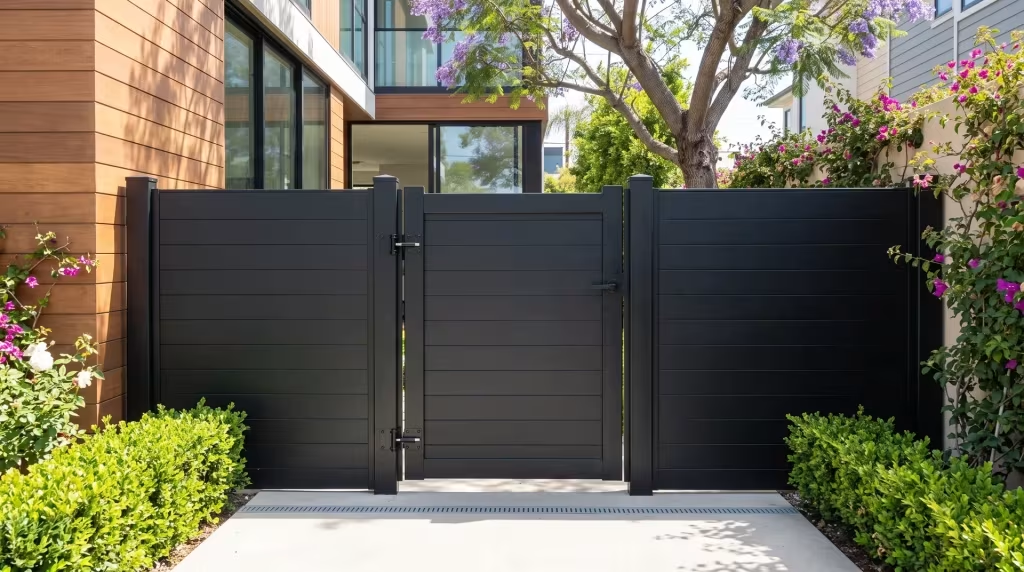
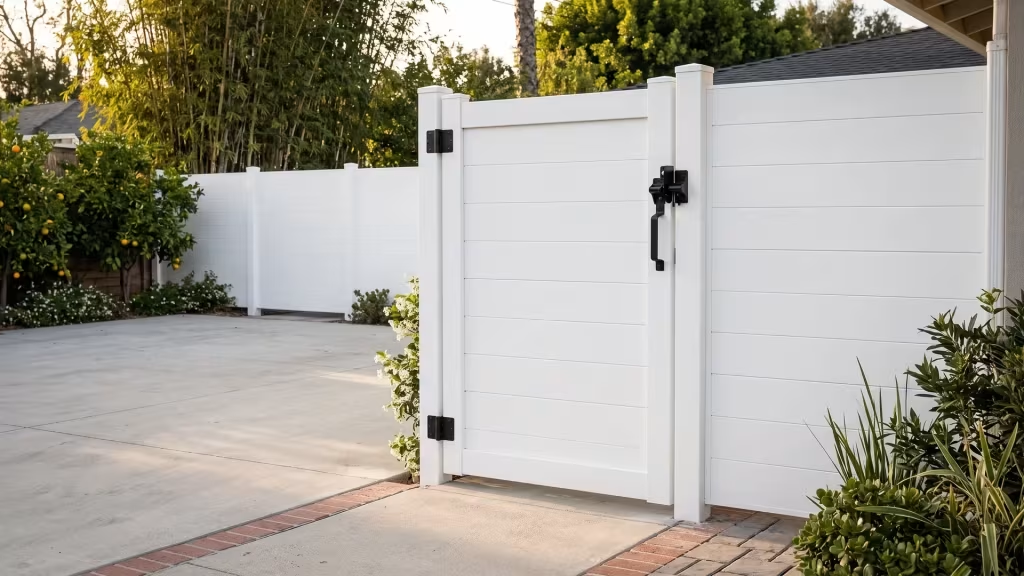
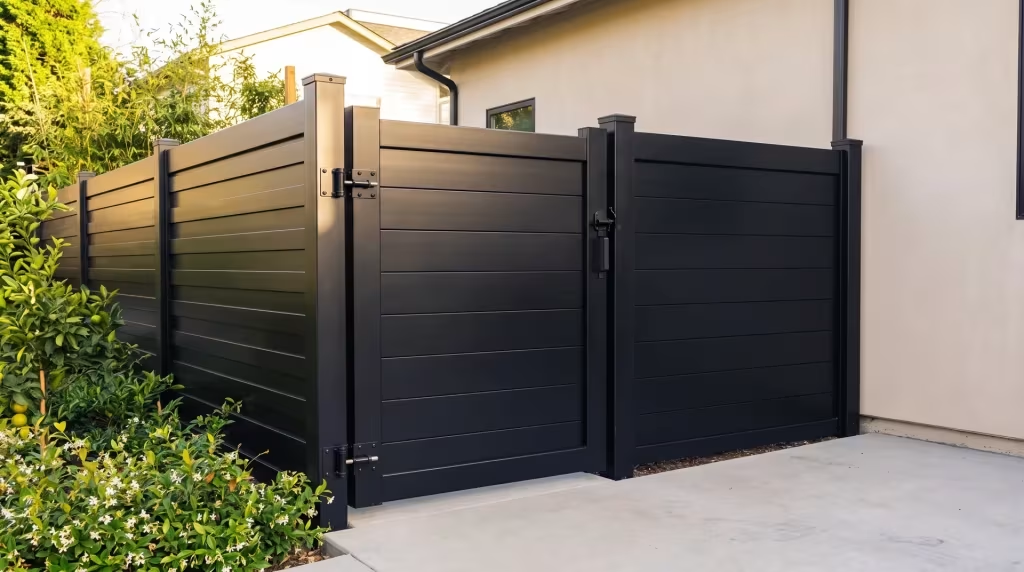
A single aluminum gate is one rust-free, powder-coated leaf we weld to your opening and hang to match the fence it sits in.
Here is how one leaf sizes up before it sags, the hardware that self-closes and self-latches, what a pool gate needs to pass code, and how we match one leaf into your run. One local crew builds and installs, in both markets.
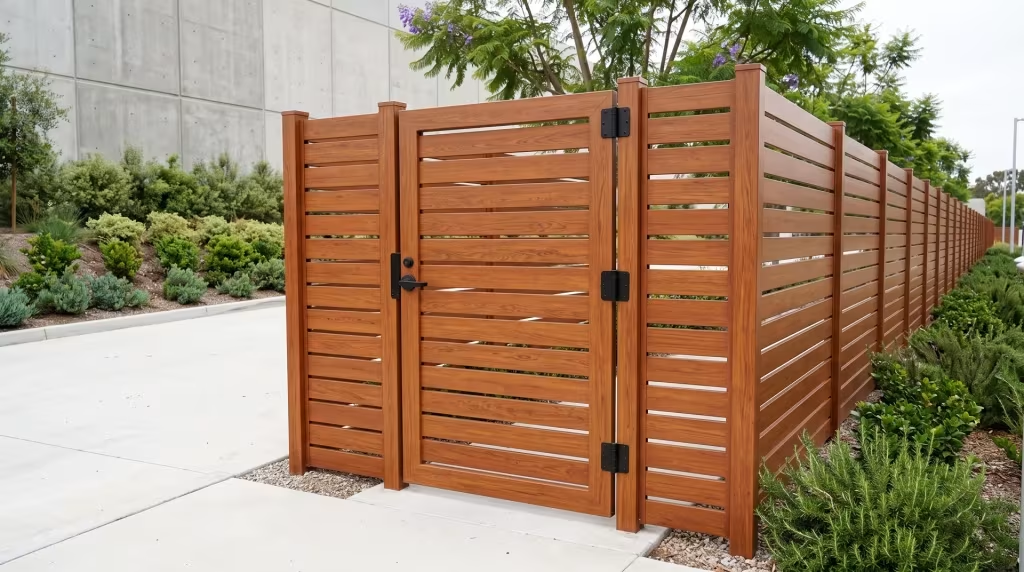
One leaf is usually the right answer when people, not cars, pass through: a side yard, a pool enclosure, or the front walk to your door. The leaf is 6063-T6 aluminum, powder-coated and heat-cured, lighter than iron or steel, so it hangs easy and never rusts. Need a driveway or rolling gate? Those are other aluminum gates we build.


A single leaf has a practical width limit; past it the gate needs help or a second leaf. Most walk gates run about 3 to 4 feet wide and up to 8 feet tall, custom to your opening. Push one too wide and it sags, not from wind at this size but from hinge geometry, the leaf’s weight on the hinges over time.
The fix is a drop rod, a diagonal brace, or splitting the opening into a double gate. A standard 3, 4, or 6 inch aluminum post carries a walk gate on its own, so a steel insert is rarely needed.
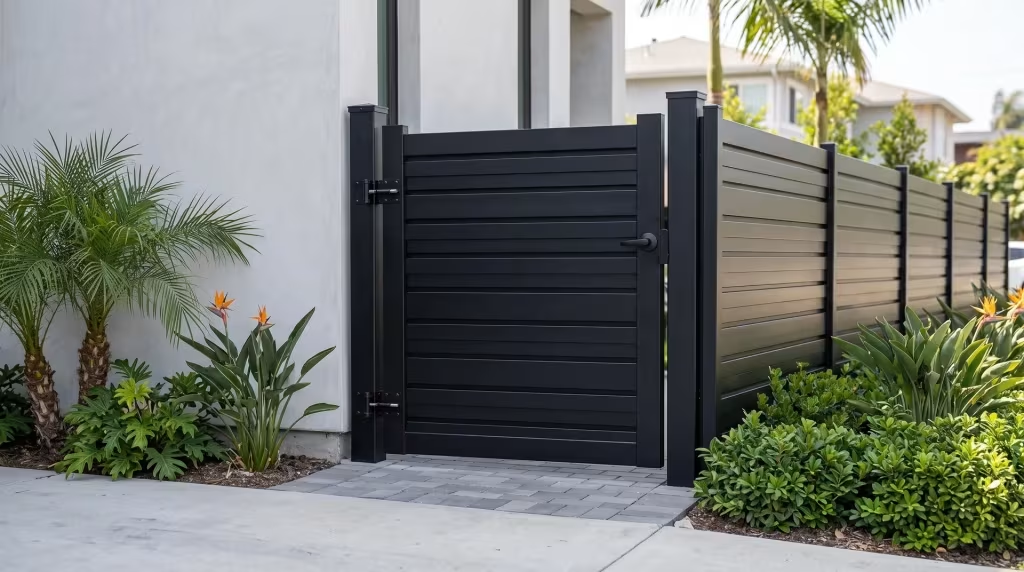
A walk gate stays safe when it closes and latches on its own. Two pieces do the work: a self-closing hinge, spring or tension loaded, that pulls the leaf shut, and a self-latching latch, gravity or magnetic, that catches on a latch post with no push.
We weld the hinges and latch to the frame instead of bolting them on, so nothing works loose over time. It matters most on a walk gate: it sets whether the leaf slams, drifts, or seals shut around kids, pets, and pools.
A pool gate turns on the hardware and the swing, not the metal. In California, a pool-enclosure gate must self-close, self-latch, and open away from the pool, with the latch release generally no lower than about 60 inches above grade.
We build the gate to take that hardware and swing the right way. What we cannot promise is that the fence itself passes as your pool barrier; that turns on the whole enclosure, not the gate alone. Verify the exact rule with your city.
Matching is the quiet part of the job: dropping one gate in takes real decisions that make the leaf read as part of the run. Which side takes the hinges, which way the gate swings (with traffic, away from a pool), and where the latch post lands get settled at the measure.
Then the leaf is built to the same style, color, and height as the fence, welded and hung by the same crew, so it belongs to the line. Walk gates are rarely automated; if you want a motor later, plan it early, and the operator comes from your automation contractor, not from us.
Every single gate we build uses SleekFence aluminum. SleekFence is a premium-class aluminum fencing manufacturer, a brand registered in the USA, and PVAF is its authorized installer and partner: their material, our fabrication and welded install.
It is modern architectural aluminum, not decorative. The powder coat meets Qualicoat Class 1, the metal carries an ASTM E84 Class A flame-and-smoke rating, and the material warranty runs 20 years on the aluminum and 10 on the coating, backed by our own 5-year workmanship.
The price of a single gate comes from the build, not a shelf tag. What moves it: the size of the leaf, the style, the grade of hardware (self-closing and pool hardware cost more than a plain latch), the matched install, and any site work. A kit sticker looks cheaper because it leaves out the install and hardware; a real number takes a short site visit.
A walk gate rarely needs a permit: in the City of LA a non-masonry fence or gate needs a building permit only above 10 feet. Rules vary by city; verify with your local building department. The baked-on powder coat is low-maintenance.
Two limits apply to the material warranty: coastal salt and pool chemicals are excluded, and a documented cleaning every six months keeps the coverage valid. Aluminum is the premium, more modern pick, priced above budget-friendly vinyl.
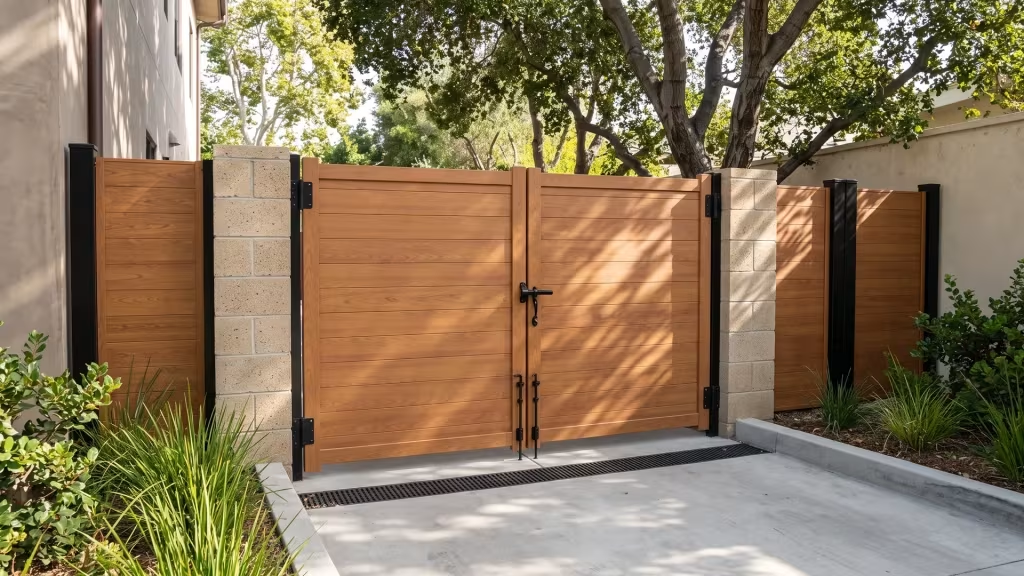
Worth knowing before you choose: contoured slat styles come in matte black and nothing else. Flat and slat styles widen that out to white, wood grain and black. Each finish is powder coat, heat cured and bonded to the aluminum, so full sun does not lift it off.
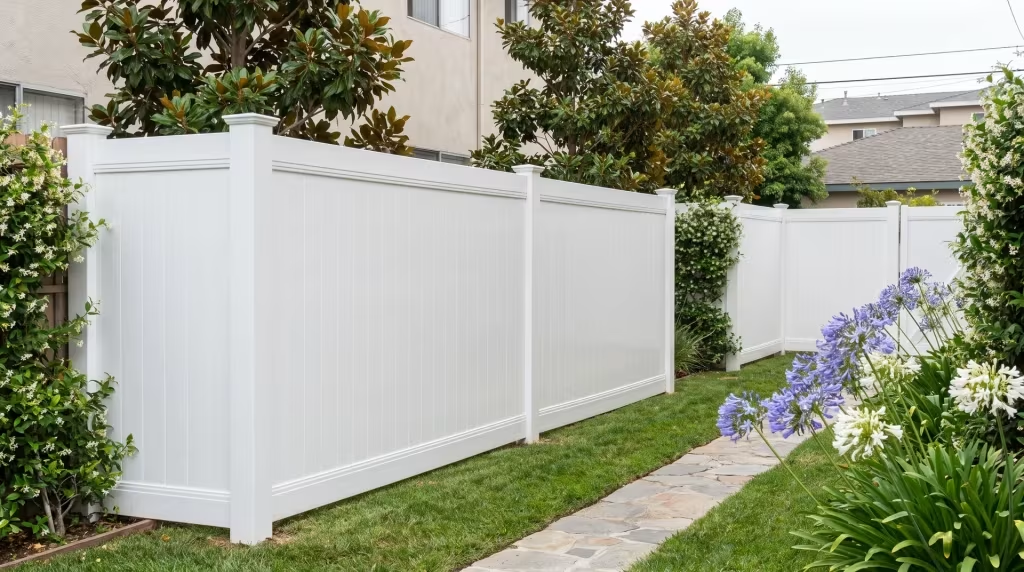
A leaf needs something to hang from. We weld the runs on either side of it, the wider driveway openings a single leaf cannot span, and the same work in vinyl for owners who go that way.
Aluminum driveway gates, welded to your exact opening and offered as swing, slide, or cantilever.
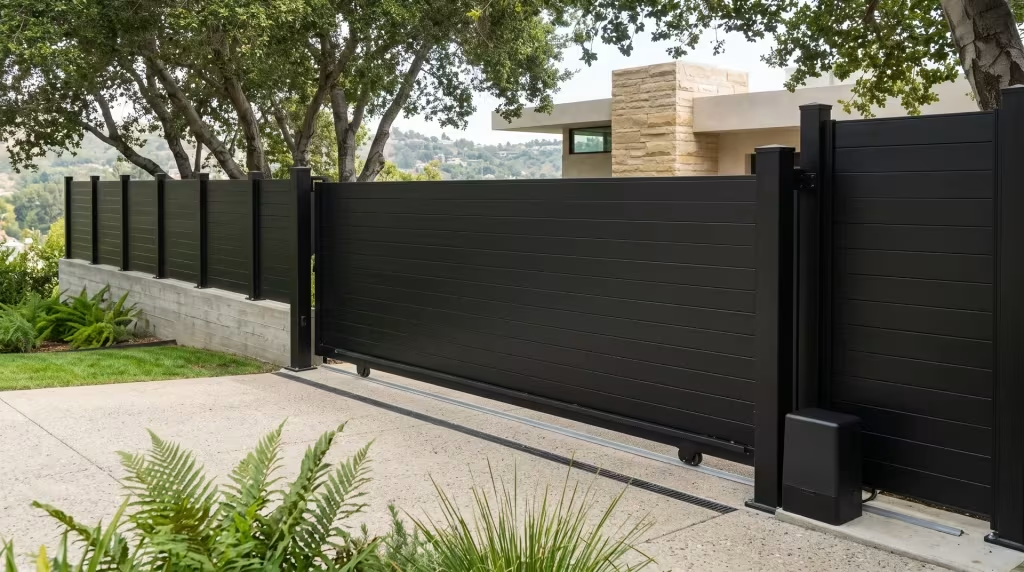
Rolling and sliding aluminum gates that travel sideways instead of swinging open.
Pro Vinyl Fencing company is the best and most reasonable in Burbank. An easy company to work with. They provide good service and quality products. Customer service and responsiveness was great.
We are grateful for the quality of their work and look forward to use their service again. Highly recommended! You won’t regret doing business with them.

These guys were awesome. From Mike, the salesman, coming to give me a quote to the installation by Levon and Igor. Great job. Finished in one day and cleaned up after themselves. Highly recommend them. Don’t look anywhere else. Thanks Jasmine and team!

#1 vinyl fencing company, called in super nice staff, they came out the next day gave me an amazing quote; and had it installed in a day. Definitely will work with them again in the near future! Thank you Pro Vinyl Fencing for giving the best customer service.

Our new fencing is beautiful, durable, and just what we needed to freshen up our back yard. Russell took pride in his work and made sure it was perfect and that our yard was clean when he left.
Can’t wait to update my plants and flowers. Our new fence makes a perfect backdrop for them. Thank You Zoro and Russell!

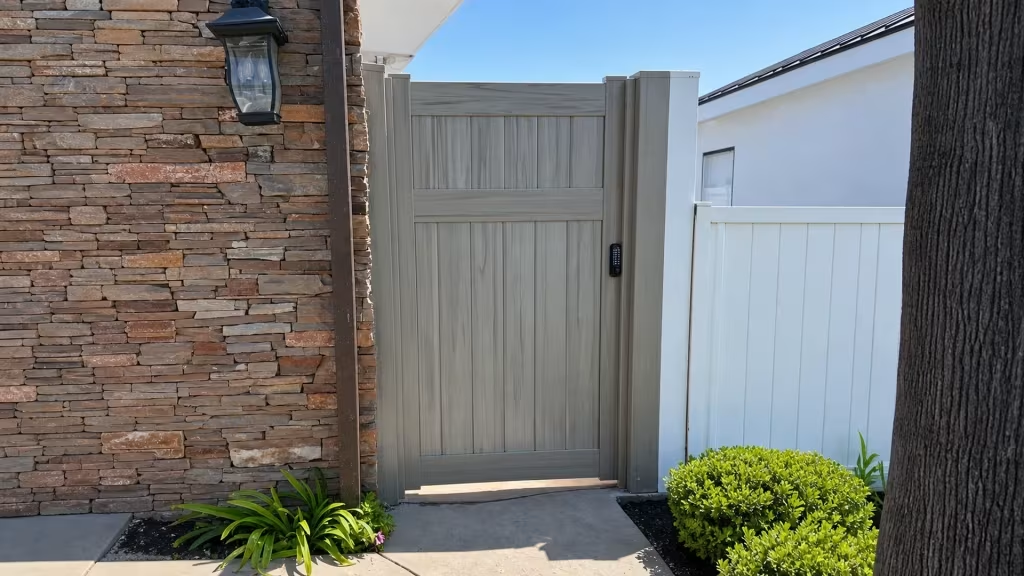
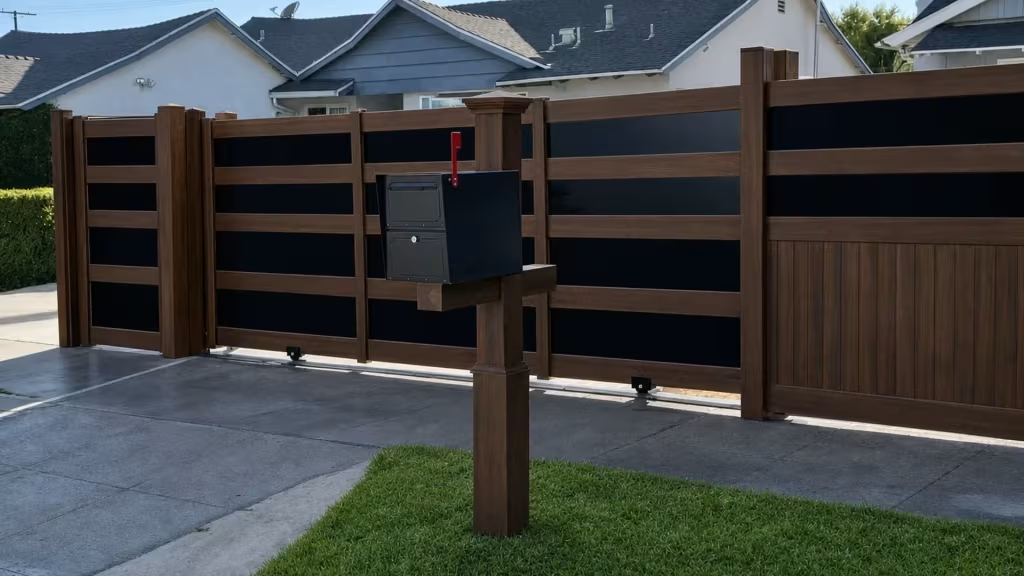
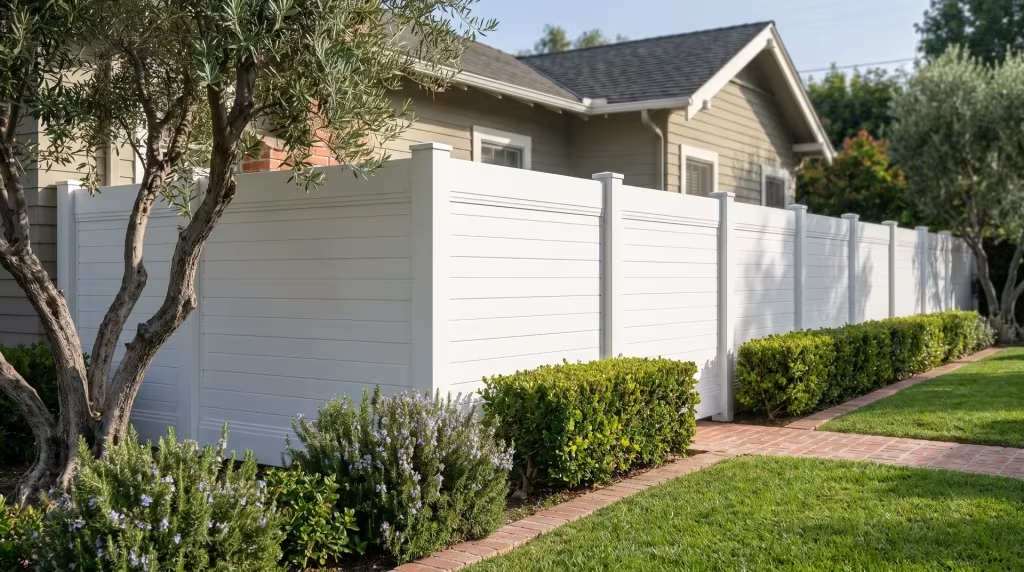
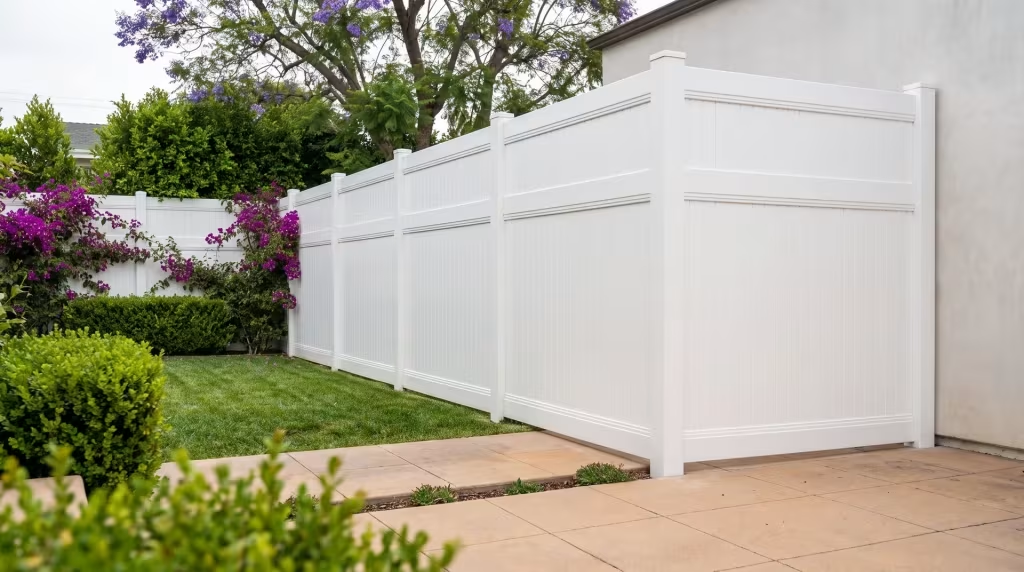
These are single gates our crew fabricated and installed across Greater Los Angeles and the San Francisco Bay Area. Side-yard, pool, and front-walk leaves, each welded to fit one opening and matched to the fence it joins in style, color, and height.
A side-yard or pool gate is routine work across Greater Los Angeles and Ventura County, where each single leaf is welded and hung to line up with its fence. Best-rated locally with 500+ five-star reviews. A walk gate rarely needs a permit; rules vary by city, so verify with your building department.
In the San Francisco Bay Area, our newer market, you get the same crew and the same welded, made-to-fit single gate we build in LA. The team measures the opening, matches the leaf to your fence in style, color, and height, and installs it, aluminum or vinyl. Book a free estimate and we will come look.
The job starts at your opening, not a catalog. The fence line, the side that clears, and the way the gate has to swing decide the leaf before we cut anything. You will see the plan and the price before a single length of aluminum is welded.
One crew quotes, builds, and hangs your gate under one written contract. The plan never changes at the end.
A salesperson visits, takes the opening, the fence, and the swing side, and leaves you a firm price with no obligation.
Scope, finish, height, hardware, and price go in writing before we build, so nothing about your gate rides on memory.
We weld the leaf, set the hinge and latch posts, hang and align it, set the self-close and self-latch, and clean up.
The workmanship is covered for 5 years, and a documented cleaning twice a year keeps the material warranty valid.
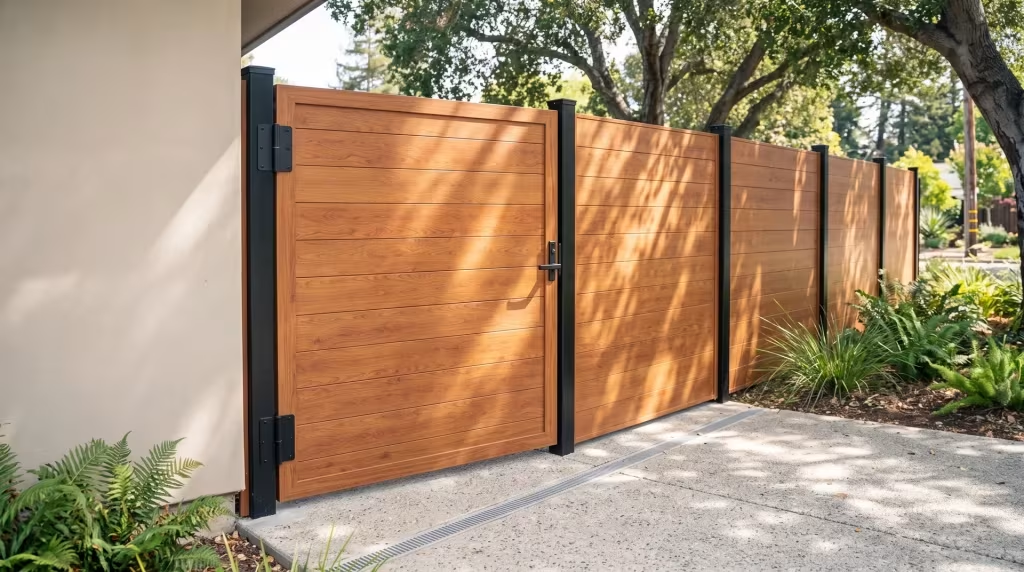
Guides on sizing one leaf, the self-close hardware that keeps a gate safe, and matching a gate to your fence.
A vinyl wall topper adds height and privacy to an existing Los Angeles wall without a full rebuild.
Fences blog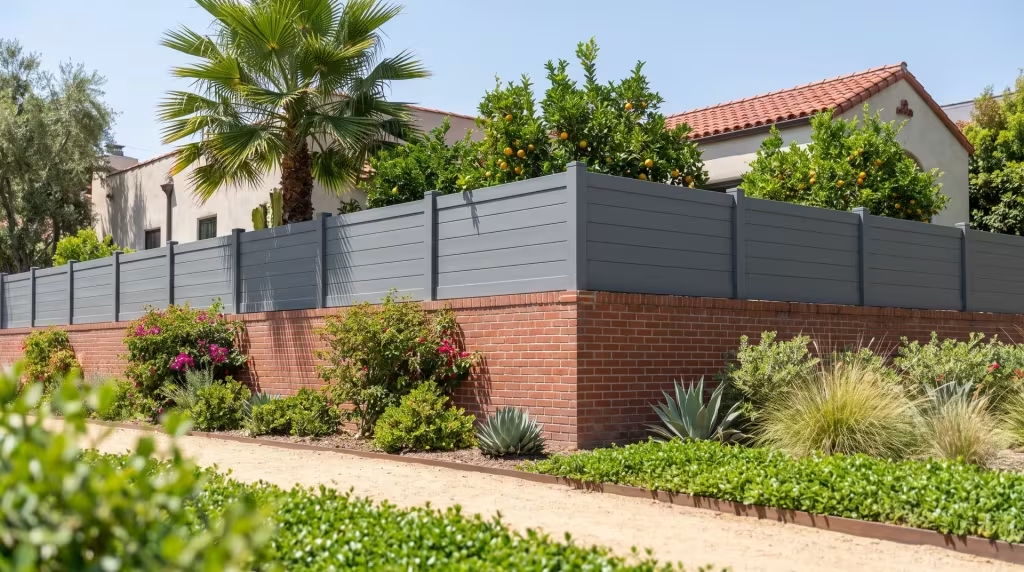
Single Gate Questions, Answered Straight
The questions we hear most about a single, walk, or pool gate: how wide it can go, the hardware that makes it close and latch, whether it passes pool code, which way it should swing, why leaves sag, and what drives the cost. Straight answers are below. The specifics take a short, free visit.
Planning one gate?
Talk to an expert and book a free on-site estimate this week.
A single leaf has a practical width limit, so most walk gates run about 3 to 4 feet wide and up to 8 feet tall.
Push one leaf wider and it sags on its hinges; past that point we add a drop rod or a diagonal brace, or split the opening into a double gate.
Two pieces of hardware. A self-closing hinge, spring or tension loaded, pulls the leaf shut on its own, and a self-latching latch, gravity or magnetic, catches on the latch post with no push.
We weld both to the frame instead of bolting them on, so they stay tight around kids, pets, and pools.
It can, and it turns on hardware and swing, not metal. A pool-enclosure gate must self-close, self-latch, and open away from the pool, with the latch no lower than 60 inches up.
We build it to swing right and take that hardware, but it is not a guaranteed barrier on its own. Confirm with your city.
Swing it with the flow of foot traffic, and always away from a pool. Hinge it on the side that lets the leaf open fully without hitting a wall or post, and put the latch post opposite, where the latch falls to hand.
At the measure we settle all three, so the gate opens the way you use the space.
A single leaf sags when it is too wide for one hinge line to carry; the weight leans out over time and drops the latch edge.
At walk-gate size that is hinge geometry, not wind. We prevent it by sizing the leaf right, welding the corners square, and adding a drop rod or brace, or a double gate.
The build, not a shelf tag. The size of the leaf, the style, the grade of hardware (self-closing and pool hardware run more than a plain latch), the matched install, and site work move the number.
A kit sticker looks lower because it leaves out the install and hardware. A real number takes a visit.