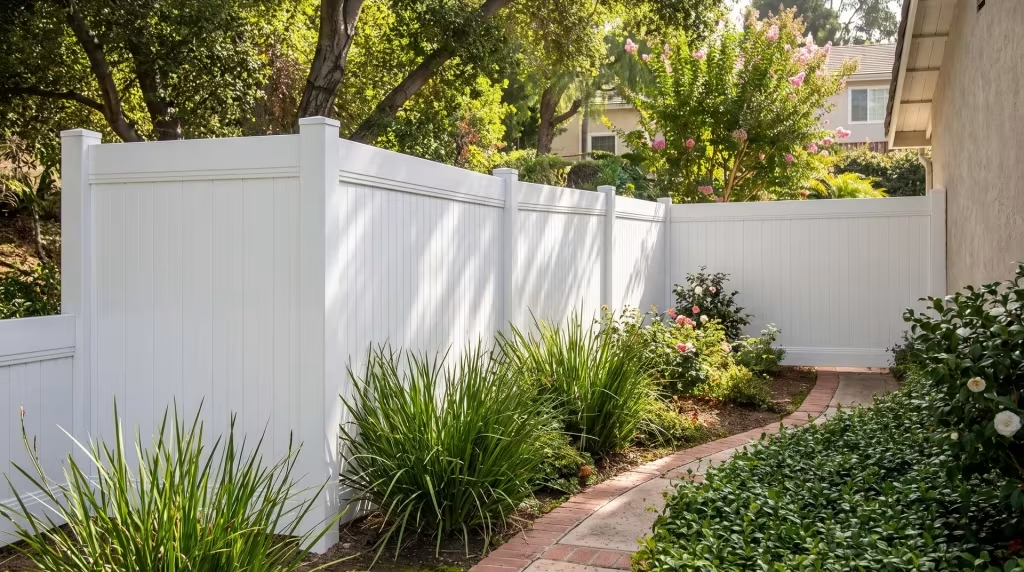
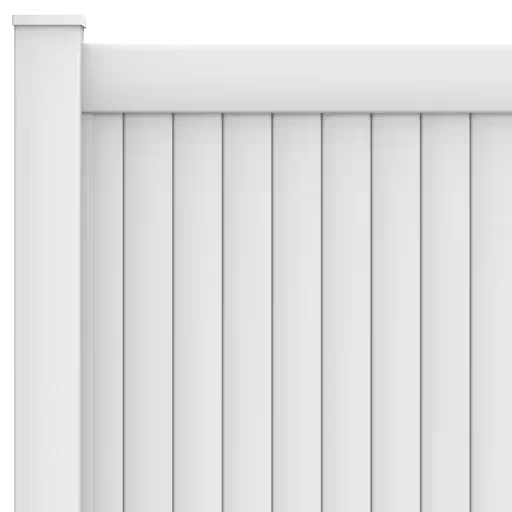
White
Call Now: (844) 744-0707
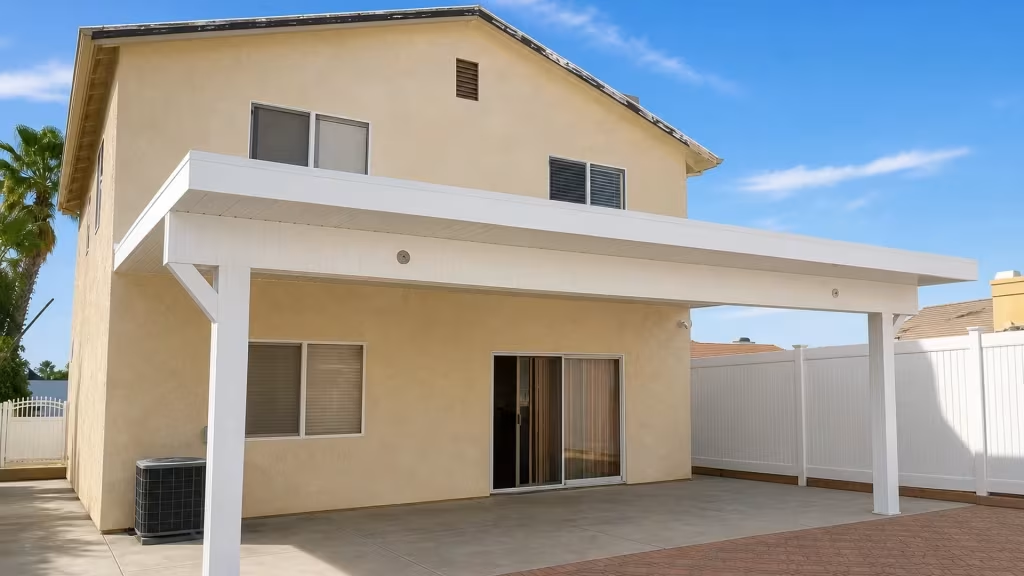
A solid vinyl cover puts a closed roof over your patio, so the space stays shaded through a hot afternoon and dry through a winter storm. It gives you a real outdoor room for the table, the loungers, or the grill, in any season.
Vinyl stays quiet and cool overhead where metal drums and bakes, and every roof is cut and built to the exact run of your patio by a licensed local crew. Talk to one of our patio experts and get straight answers on shade, rain, and cost first.
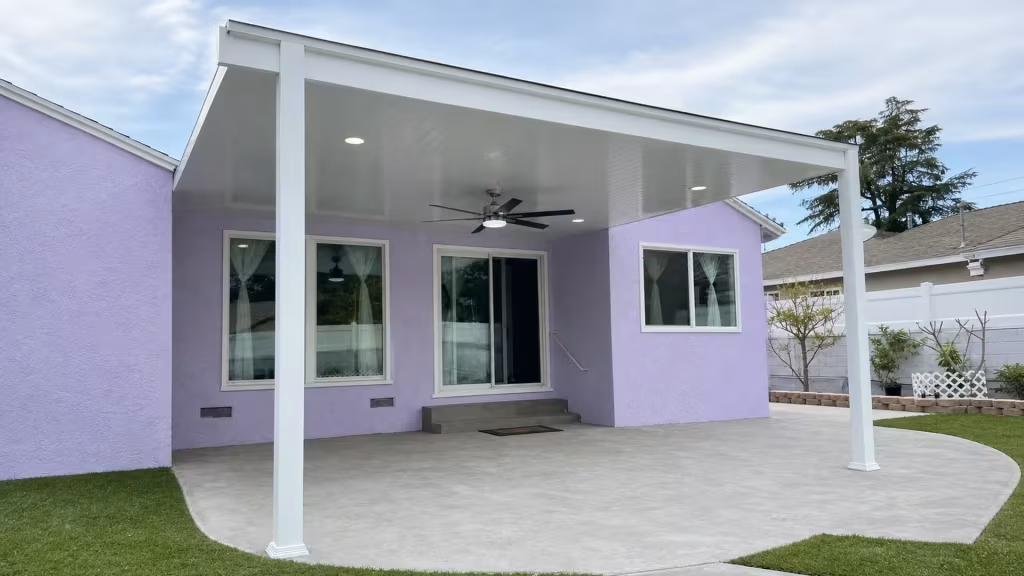
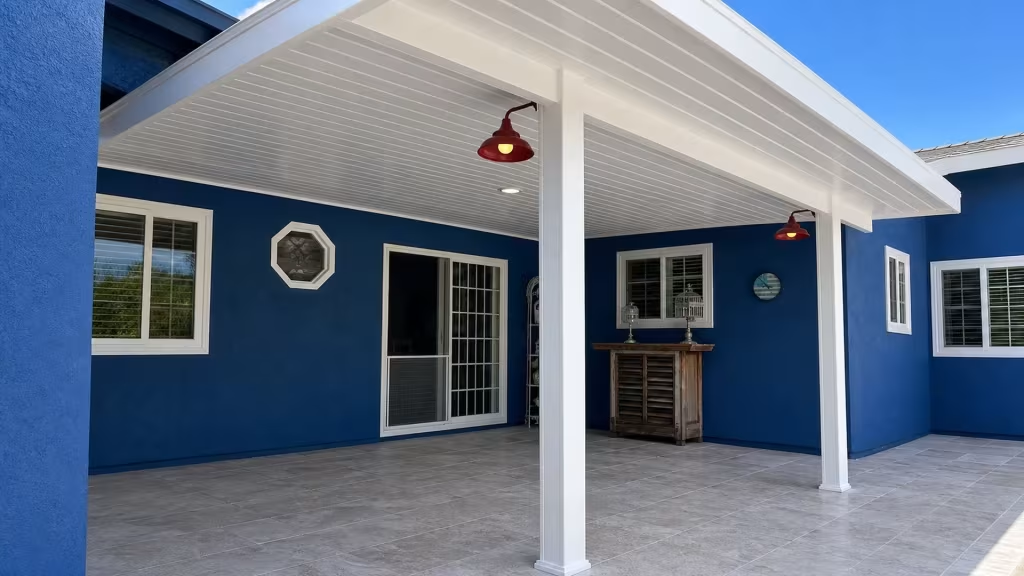
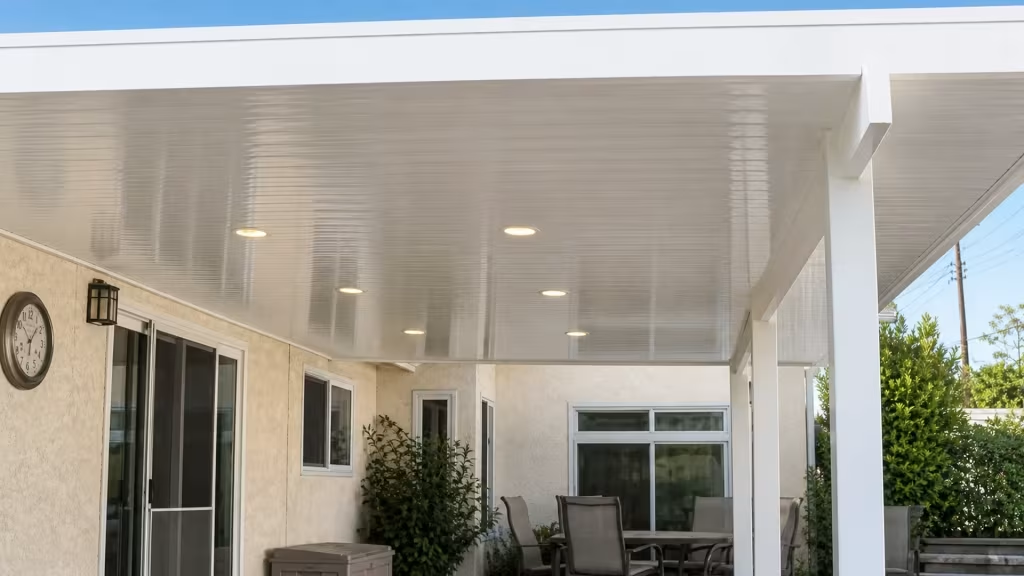
A solid cover is the closed-roof style in the vinyl line: complete overhead shade plus genuine rain protection over the patio.
You get a roof sized to your patio and built to code, with honest guidance on how a solid cover actually performs in sun and rain before you buy. Our own crew fabricates it in the shop and installs it on site.
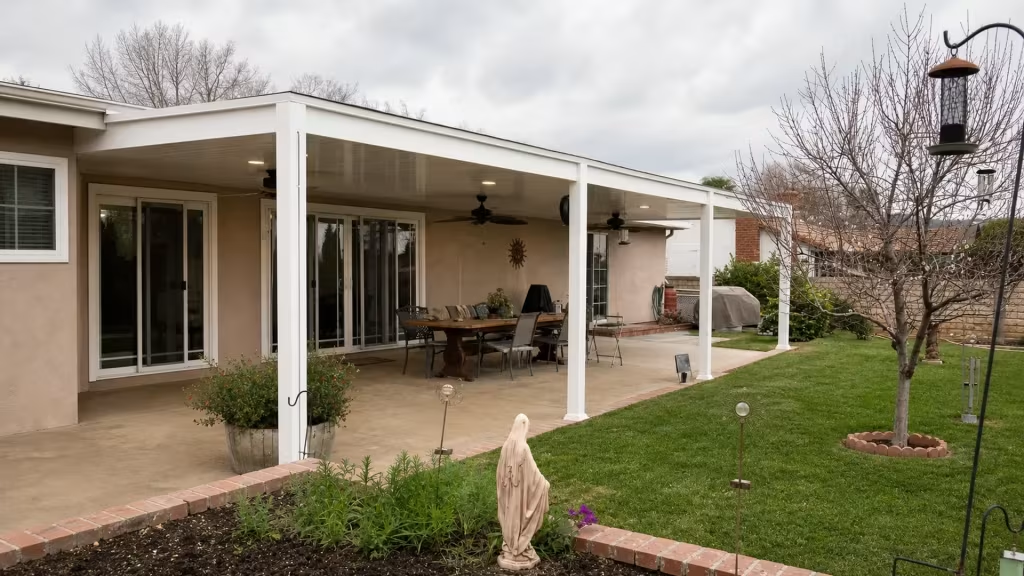
A solid vinyl patio cover is a closed roof over the patio that gives complete overhead shade and sheds rain to the edge or a downspout, so the space stays usable when the weather turns. Full coverage is the whole point of the solid style, unlike an open pergola or picket-style cover that only filters the light.
One honest note sets the right expectation. A solid roof is highly weather-protective, but not a sealed room. Rain runs off the edges, and on a house-attached cover the wall can still catch water in a heavy storm, so we plan the tie-in to shed it cleanly.


Choose a solid cover when you want maximum shade, a dry space in the rain, and a spot you can furnish like a room: a dining table, a lounge, or a sheltered grill. Choose an open picket-style or pergola when you would rather have dappled light, more airflow, and a garden feel.
| What you want | Solid cover | Open picket-style or pergola |
|---|---|---|
| Shade level | Full, all day | Filtered, dappled |
| Rain protection | Yes, sheds off the edge | Little, rain passes through |
| Best use | Sheltered dining or lounge | Airy garden seating |
Neither is better on its own; it comes down to how you want to live under it. If an open style suits your yard instead, that points to a vinyl pergola or a picket-style cover.
A solid roof blocks the sun completely, which is what you want on a hot afternoon. The honest trade is that on the stillest, hottest days a fully closed roof can hold warm air underneath, the same as any solid cover. It is normal and easy to plan around.
Vinyl has an edge here. It runs cooler to the touch than metal and radiates less heat downward, so the space under a vinyl roof usually feels milder than under a bare metal one. White and Tan help too, since light colors reflect heat off the roof rather than soaking it in. A cross-breeze or a ceiling fan keeps the patio comfortable.
The shared groundwork in short, common to every vinyl patio cover we build:
How vinyl compares with aluminum, and how the cost comes together, applies across every cover we build.
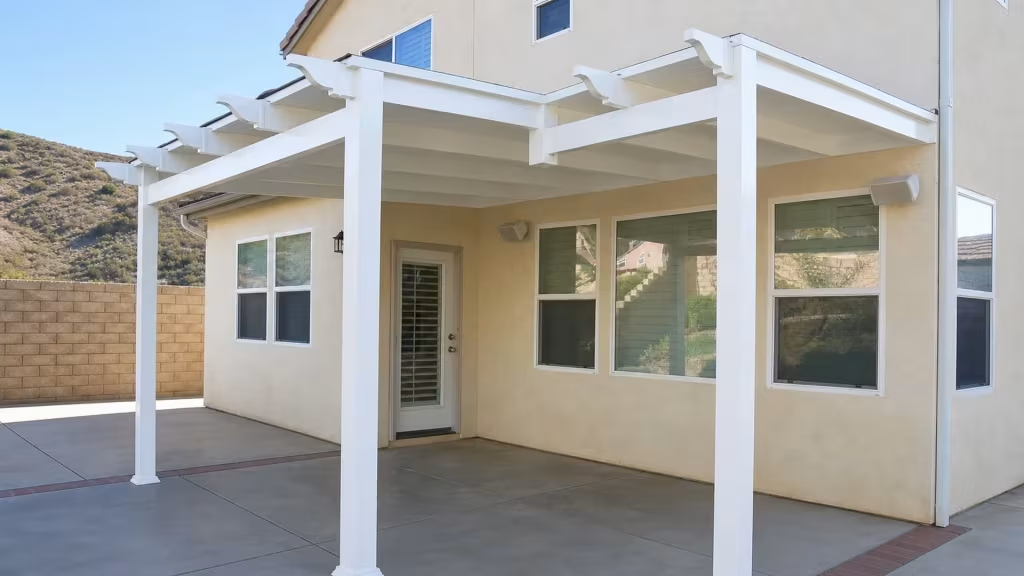
Plenty of these jobs start by tearing out a tired wood patio roof. The crew removes the old cover, hauls it away, cleans up, and fabricates and installs the new closed vinyl roof custom to the run, often within a couple of days.
Cost tracks a handful of real factors: size and span, attached or free-standing, site prep and footings, and removing whatever is up there now. No two patios price the same, so the honest number comes from a free on-site quote where a salesperson sees the whole picture.
A solid roof is one continuous panel, the biggest single stretch of vinyl anywhere in the line. And you never see the top of it. Whatever finish goes on is effectively a ceiling color, read from below in shade rather than from the street in full sun. The list is short.
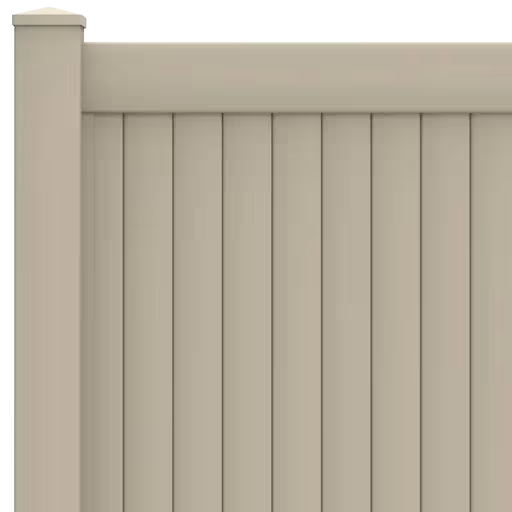
Full shade overhead settles one question. Privacy along a boundary, a gate that swings true, a topper set on an existing block wall: we build all of that too, in either material, often on one visit.
Free-standing covers stand on their own posts with no wall to lean on, so shade can go anywhere in the yard.
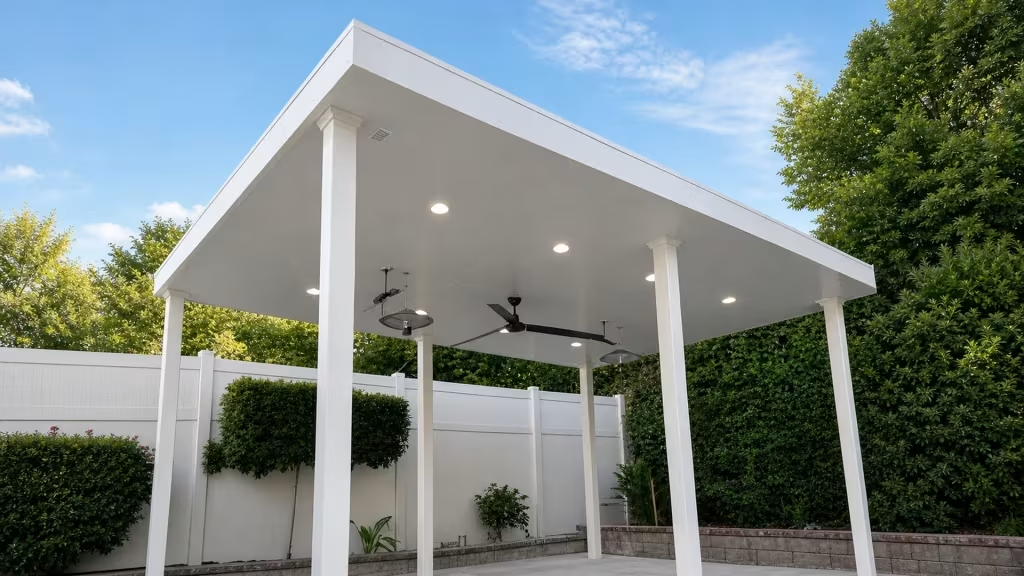
Custom patio covers get drawn to your patio’s exact footprint, built for odd angles or spans no stock kit fits.
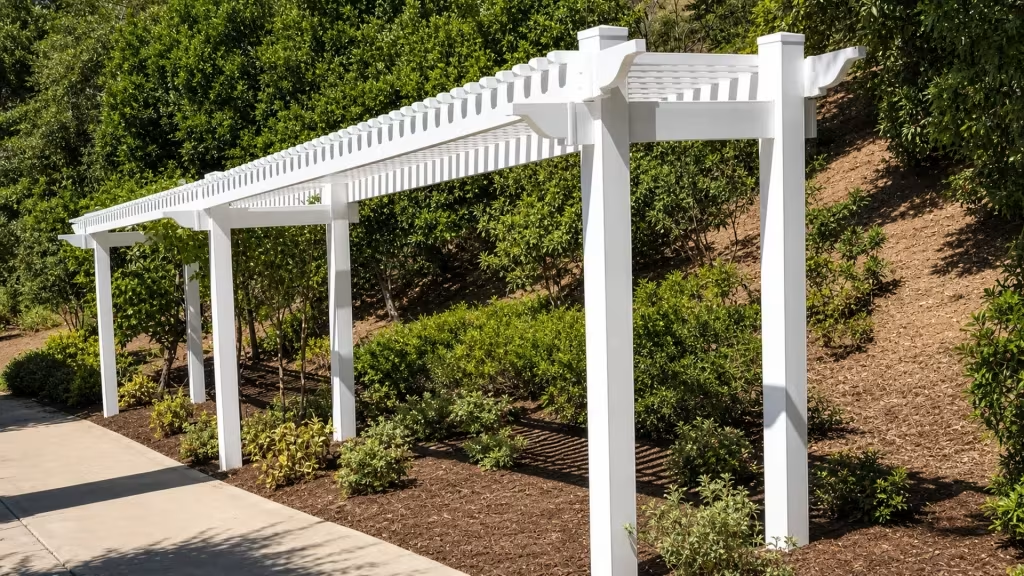
Pergolas set an open frame of posts, beams, and rafters overhead, trading a closed roof for dappled light.
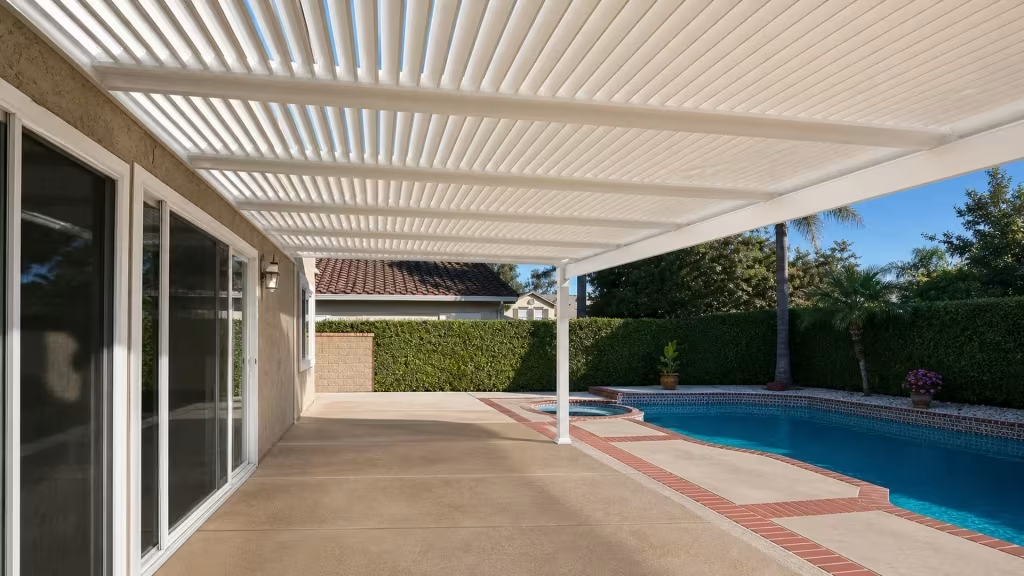
Picket-style covers filter the sun to partial shade through evenly spaced slats while a breeze keeps moving underneath.
During the free estimate they pointed things out to do. We had a stump in the way which would make the installation uneven. They waited till we could have it removed, and had the job done in one day. Very clean, polite, and efficient crew that showed up, and left it cleaner than they found it.
Very happy with the job they did.

We are all very happy. They really did an excellent job!!! Nairi, thumbs up for you, very professional young guy. thanks for giving us discounts when we paid in cash. and of course to the installers Agassi and I forgot the name of the other guy. Both of you are great 👍 thank you again👏🏼

Fast and reliable service. Great Price. LOVED the finished product.
Beautiful job and the installers were very fast and cleaned up everything to perfection, including washing down the entire fence and gate with cleaner and water to make sure it was super clean before leaving. They were super nice and finished in a very short time. LOVE IT!!!
Pro Vinyl Fencing installed a fence around our front yard and 2 gates to our backyard. We are so pleased with the result! They worked really hard to make everything just as we had envisioned. Their number one goal was to make us happy.

Every cover shown here is a real solid vinyl roof our crew built and installed in a homeowner’s yard, some replacing worn-out wood, others going up over a bare slab. Look through the finished projects, then ask for a free quote on your own patio.
Across Greater Los Angeles and Ventura County, homeowners get a solid vinyl cover sized to the patio and built to Los Angeles code. A salesperson measures on site, plans the roof pitch and the water tie-in, and puts an honest number in writing before any work begins.
The same crew and the same custom covers reach homeowners across the San Francisco Bay Area. Patio-cover permit rules change city by city up here, so we check what your city requires before we quote or build. A solid vinyl roof gives you full shade and a dry patio through the Bay’s wet winters.
A solid cover follows four clear steps, none hiding a surprise. It begins in your backyard with a tape measure and a talk about shade, rain, and drainage, and ends with a signed warranty you keep. You see the scope and price before you commit.
You owe nothing, and nobody pressures you, until the whole scope and a real price are laid out for you to read.
A salesperson measures the run on site and plans the pitch and water tie-in so the solid roof sheds rain cleanly.
You get it all on paper first: the scope, the finish color, the price, and financing if you’d rather spread the cost.
The crew pulls off the old wood roof, builds your solid vinyl cover in the shop, and raises it on site to code.
The material gets a transferable limited lifetime warranty, backed by our own 5-year workmanship warranty.
Straight talk on shade, rain, permits, and patio cover upkeep, from the same crew that puts them up.
Vinyl lattice fencing adds privacy and pattern to a Los Angeles yard without the rot or repainting wood lattice needs.
Fences blog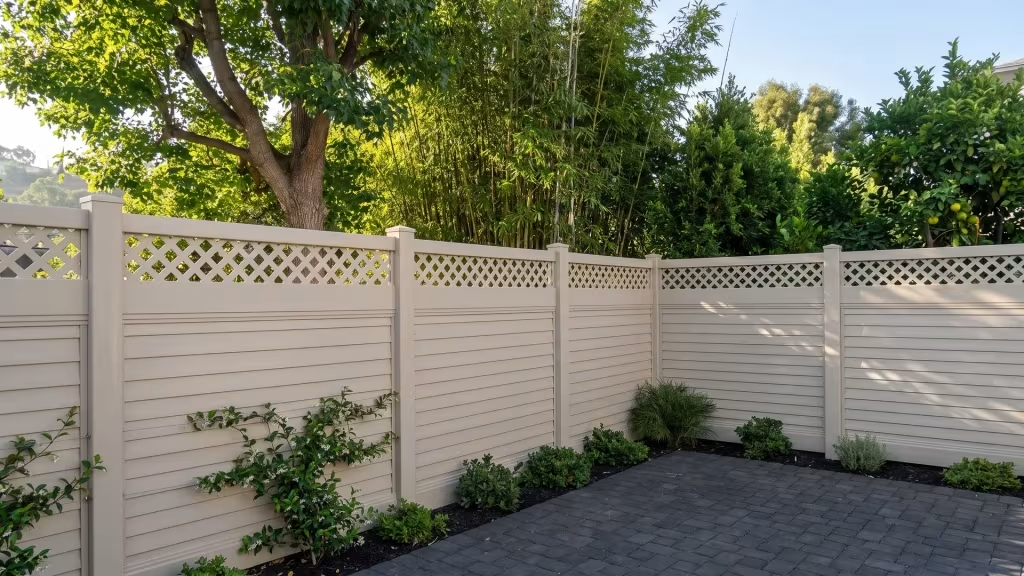
Solid Vinyl Patio Cover Questions, Answered
Homeowners weighing a solid cover tend to circle back to the same worries: is it really waterproof, does it get hot under there, and is a closed roof even the right call over an open one. Here are straight answers to the questions we hear most, so you can decide with the full picture in view.
Still on the fence?
Get a free on-site quote and we will map a solid cover to your patio.
It keeps you dry where it counts. A solid vinyl roof gives full overhead shade and sheds rain off the edge or a downspout, so the patio stays usable in wet weather.
It is highly weather-protective, not a sealed room, so on a house-attached cover we plan the wall tie-in to send water off cleanly.
A solid roof blocks the sun completely. On the stillest, hottest days a closed cover can hold some warm air underneath, normal for any solid cover.
Vinyl helps: it runs cooler to the touch and sends less heat down than metal, and White and Tan reflect heat. A fan or breeze keeps it comfortable.
Go solid when you want full shade, a dry space in the rain, and a spot you can furnish like a room for dining or lounging.
Go open, with a pergola or picket-style cover, for filtered light, airflow, and a garden feel. Neither wins outright; pick the style that matches how you will use the space.
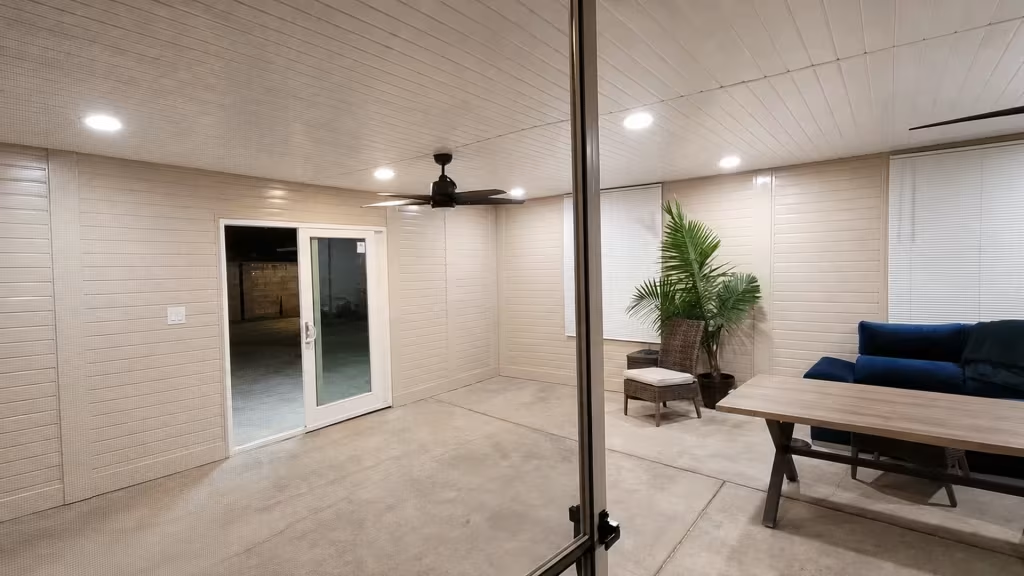
Yes. A closed roof gives you a finished ceiling to work with, which makes a solid cover a natural spot for a ceiling fan, downlights, or a sheltered outdoor kitchen.
Tell your salesperson what you plan to hang during the on-site visit, so the cover is built and placed to suit it.
A solid vinyl cover is a closed roof that shades the patio fully.
Comfort underneath comes from the material and color, not a separate insulation layer: vinyl runs cooler to the touch than metal, and the light White and Tan finishes reflect heat. A little airflow or a fan keeps it pleasant.
A solid roof shades the patio, so a room opening onto it sees softer, cooler light near the cover, much like a deep porch.
It rarely makes an interior feel dark, and where light matters we plan the size and placement to keep rooms bright. An open pergola passes more light if that is the priority.