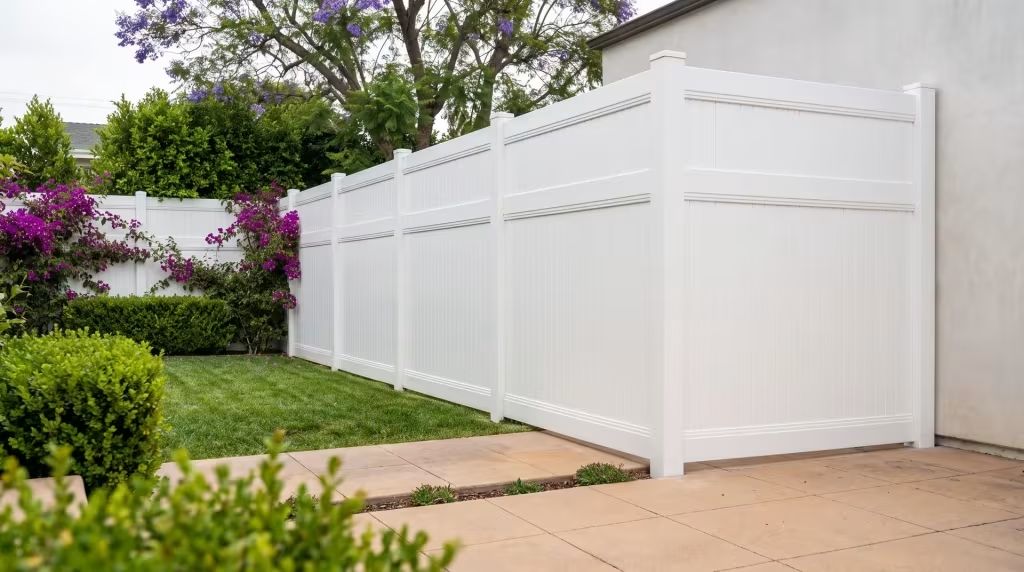
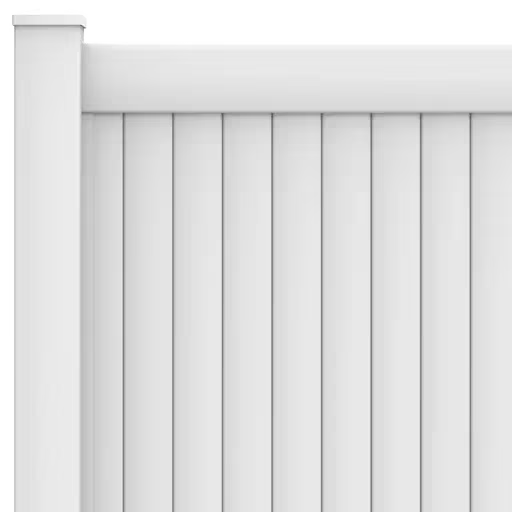
White
Call Now: (844) 744-0707
A vinyl driveway gate is vinyl cladding wrapped around a welded metal frame, sized to span your driveway opening. The frame carries the load. The vinyl gives you the color and the low-maintenance finish you want.
We custom-fabricate each gate to your exact opening, install it plumb on your drive, and match it to the fence you already own. As a licensed installer, fabricator, and wholesaler across Greater Los Angeles and the Bay Area, we build the whole gate, not a kit to assemble yourself.
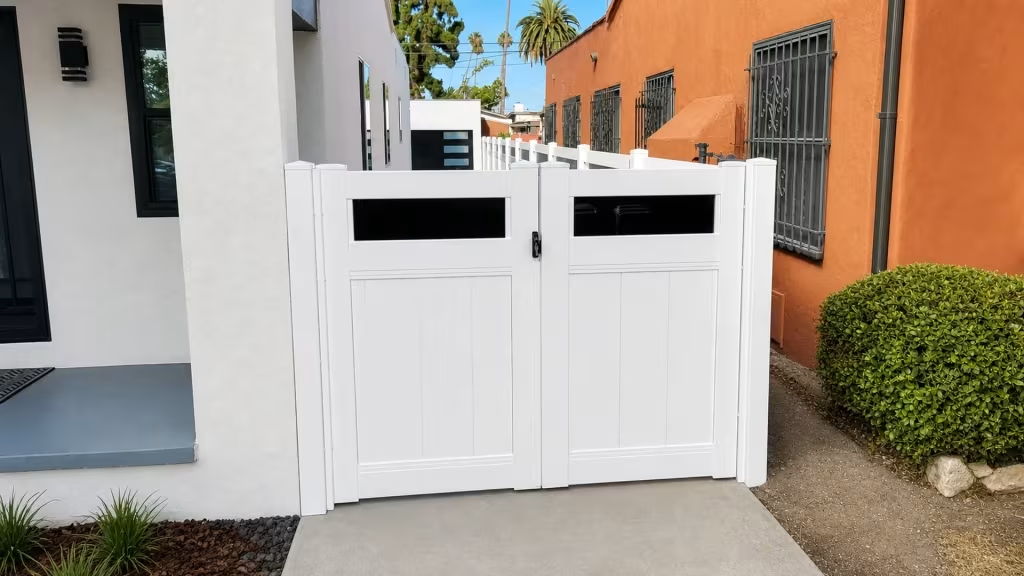
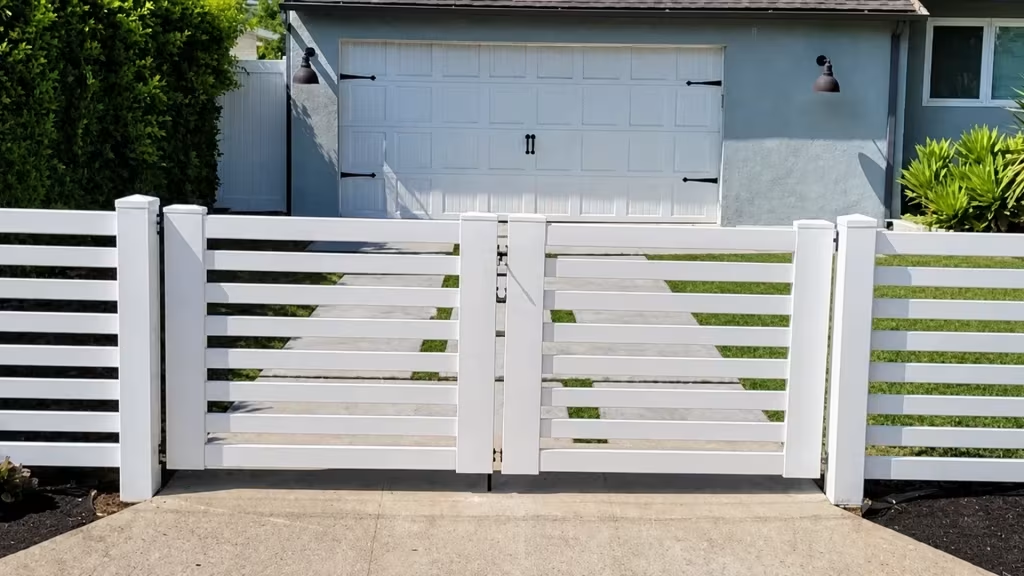
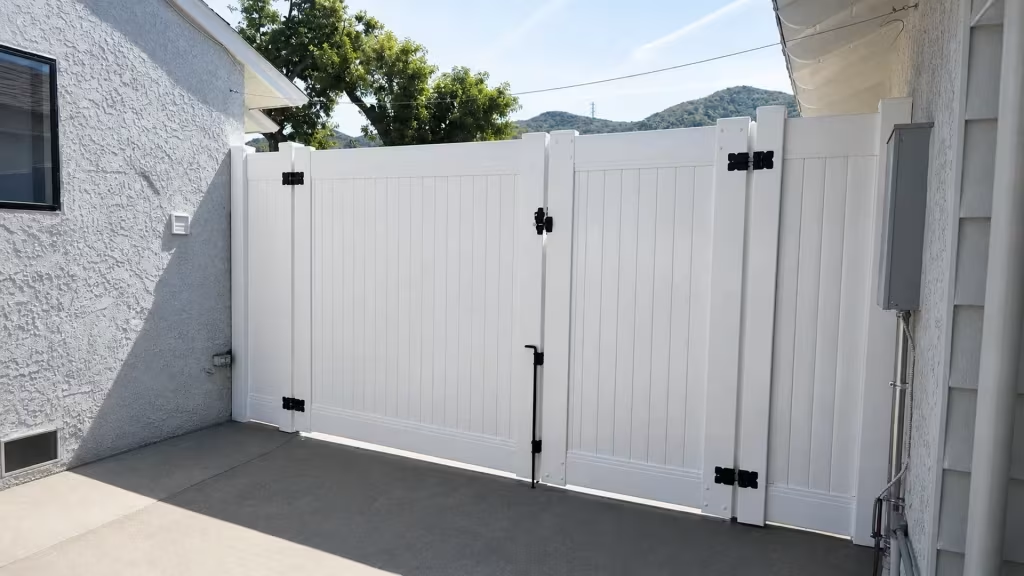
A driveway gate is the hardest-working part of any fence, so what really matters is the metal frame hidden underneath the vinyl.
Single, double, or rolling? The right setup depends on your opening: how wide a vinyl gate can go before it sags, and how a welded metal frame keeps it straight. Then we build it to fit your drive in LA and the Bay Area.
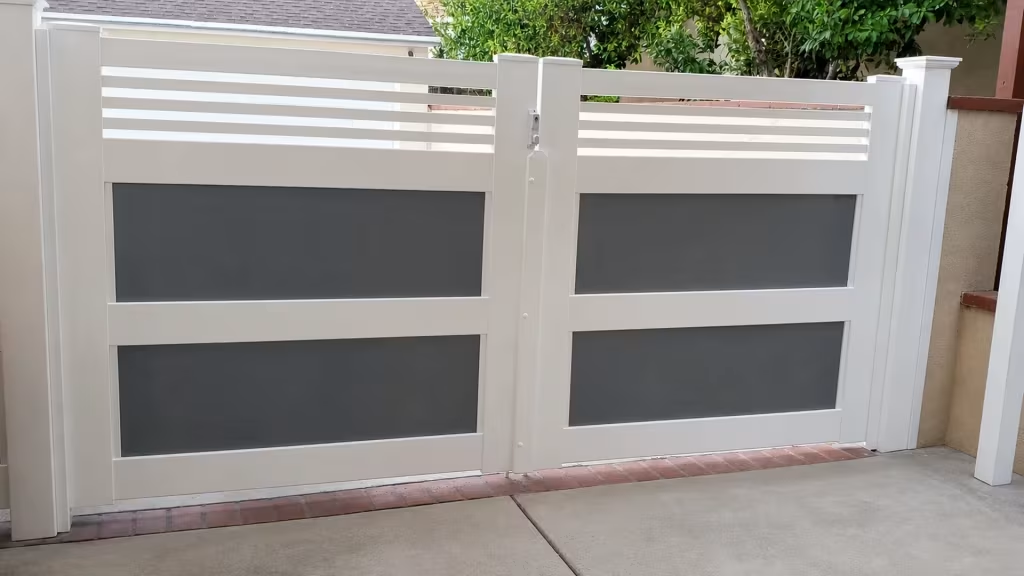
Yes, vinyl works for a driveway gate, but only when the vinyl wraps a welded metal frame, not when a fence-gate kit is stretched across a drive. PVC is a low-stiffness plastic that creeps under its own weight. A gate hangs off its hinge post like a diving board, so the bending force climbs fast as the leaf widens, and a hinge screwed into hollow vinyl works loose.
That is why bare vinyl gates sag and drag. We build the metal frame in from the start: galvanized steel or aluminum tube inside the leaf carries the load, the hinges through-bolt to that metal, and the vinyl stays a clean skin, not the structure.


For most driveways the real choice is a double swing gate, two leaves that meet in the middle, or a rolling gate that slides to one side. A single leaf belongs on a walk gate for people, not across a vehicle opening.
Double gates are the common driveway answer because each leaf spans only half the width, so each carries far less bending load. A rolling gate makes sense when the opening is wide, the frontage is tight, or the ground slopes too much for a leaf to swing clear. Need a matching walk gate beside the drive? We build that too.
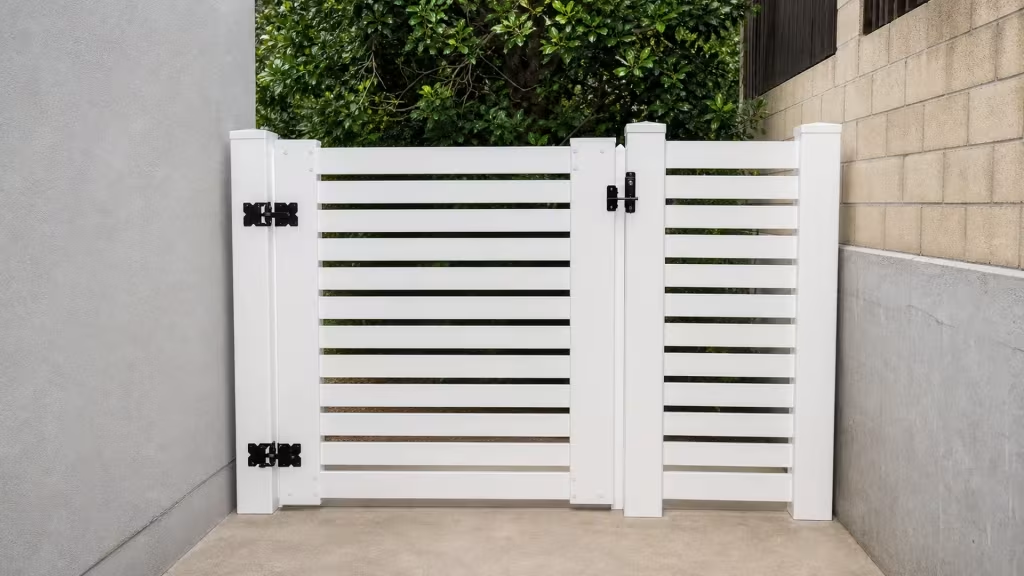
A single vinyl swing leaf is practical to about 6 ft, with 8 ft the upper limit on heavy hinges and stiff posts. A typical 10 to 12 ft driveway is best served as a double gate at roughly 5 to 6 ft per leaf, with a center drop rod so each leaf only cantilevers half its span when closed. Wider openings move to a rolling gate or add center support. These are general guides, and the estimate is where we size the gate to your exact opening.
| Opening width | Typical configuration | Why |
|---|---|---|
| Up to 6 ft | Single swing leaf | One leaf stays inside the sag-free range |
| 10 to 12 ft | Double swing gate | Each leaf spans only half the opening |
| 14 ft and wider | Rolling gate or center support | Too wide to hang from hinges alone |
Yes, we build it automation-ready, with a reinforced frame, correctly sized posts, and a gate weight matched to an operator, so it can be automated later. What we do not do is supply or install the motor itself.
That part belongs to your automation contractor, and because a vinyl-clad gate is heavier and span-limited, whether it can be automated depends on its final size and weight, which we settle at the estimate. When you talk to that installer, ask about UL 325 safety, like two means of entrapment protection per zone and a separate walk gate.
Often, yes. A driveway gate usually needs a permit once it is tall, automated, or reaches into the public right-of-way, and it can never swing out over the sidewalk. In Los Angeles that can mean an LADBS building permit, plus a curb setback so a car waits off the road. Bay Area cities run their own curb-cut and driveway rules. Because these thresholds vary by city, verify the rules with your local building department before you build.
The price comes down to a handful of things: the width of your opening, whether it is single, double, or rolling, the gate height, the hardware, whether it is built automation-ready, and the site prep your posts and terrain call for. Matching the gate to your existing fence plays in too. Get a free estimate and we will price it honestly.
A driveway leaf is the widest flat surface on most properties, and sun finds every inch of it. The shade sits in the vinyl rather than over it, so years of that will not yellow the face, and a mirror clipping the edge leaves no pale stripe behind. Yours comes from the fence palette.
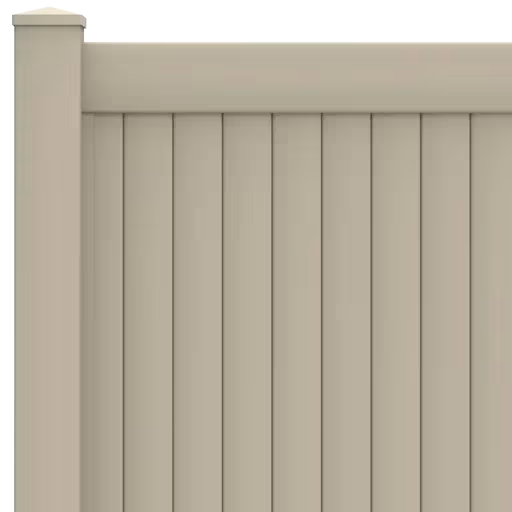
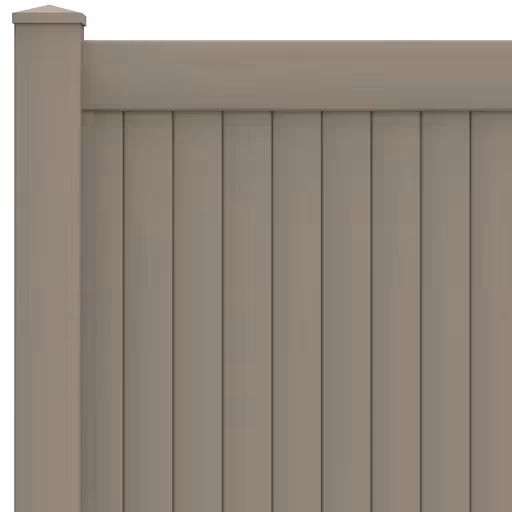
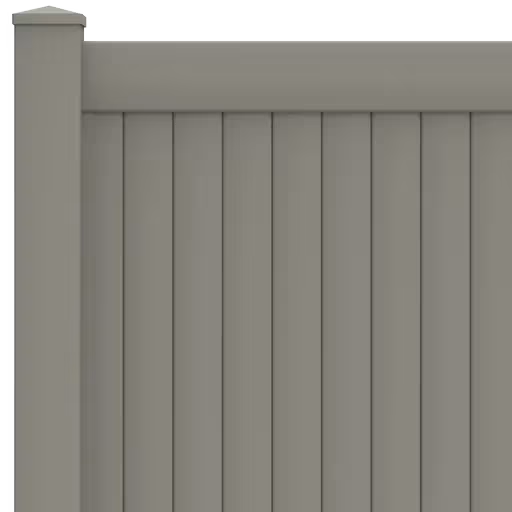
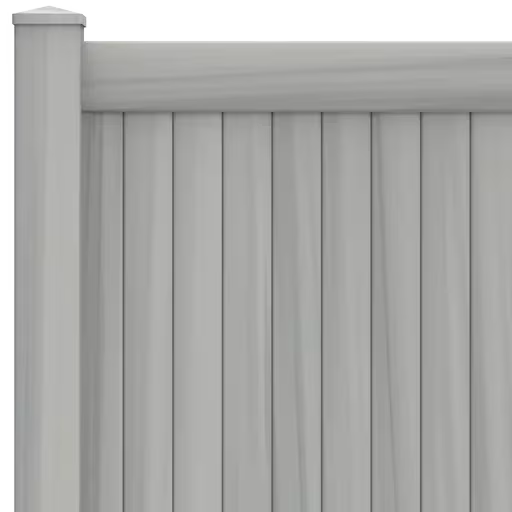
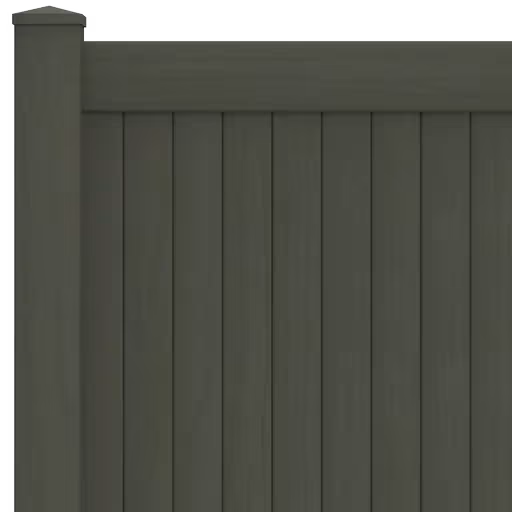
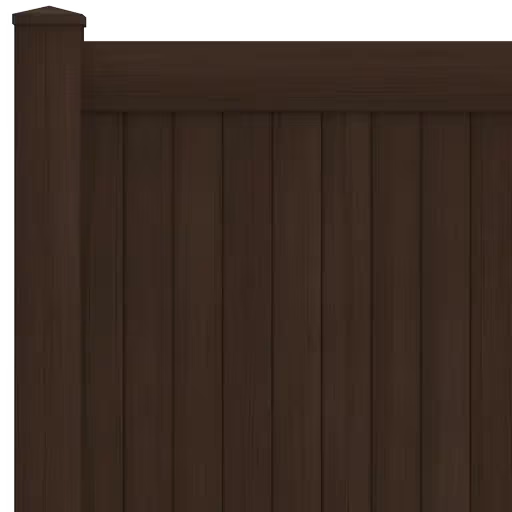

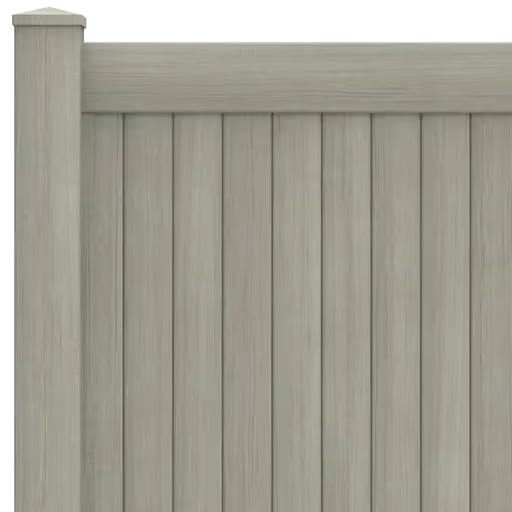
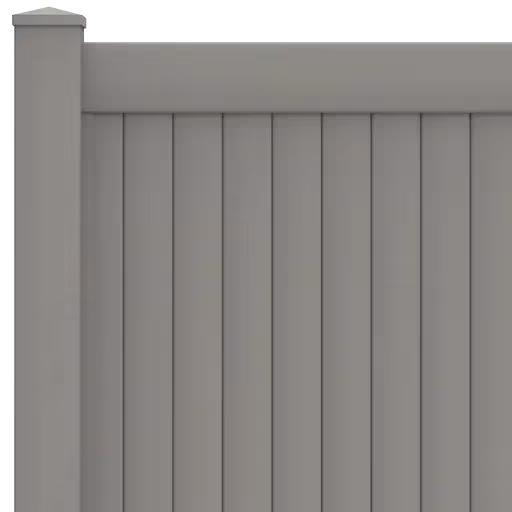
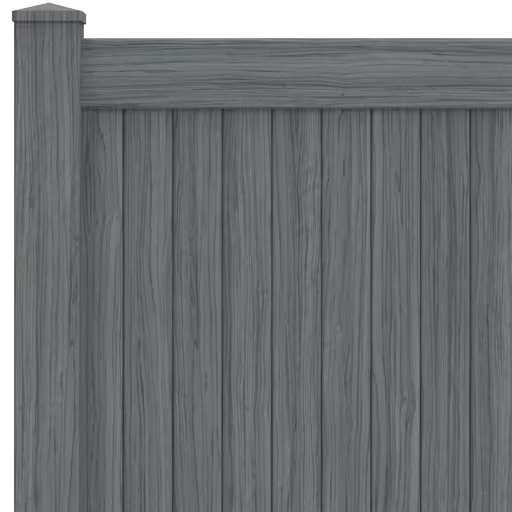
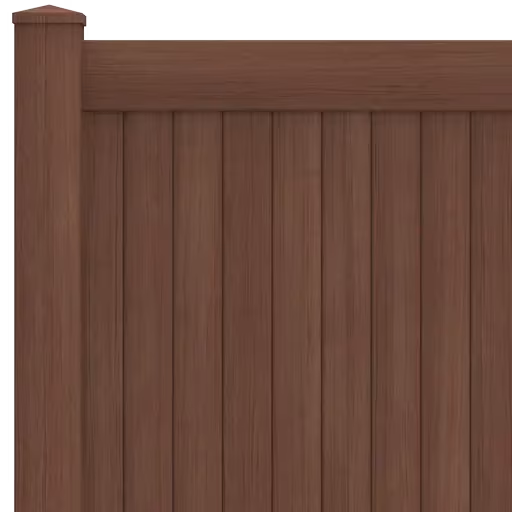
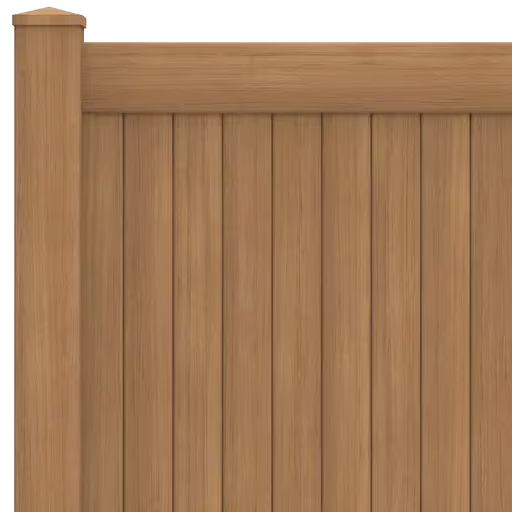
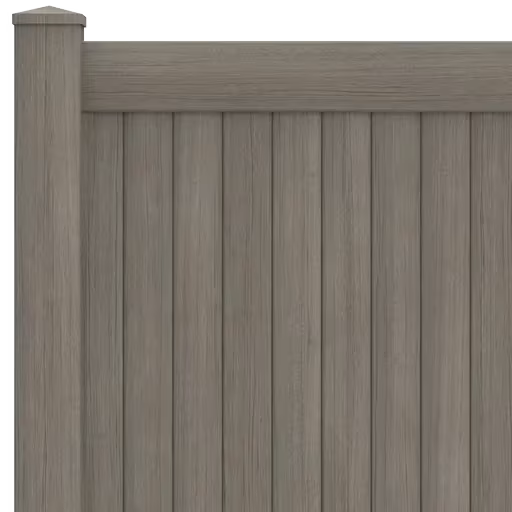
A driveway opening is one point on a perimeter. The rest of that line is work we take on too, walk-through access included, and we handle it in aluminum just as readily as in vinyl.
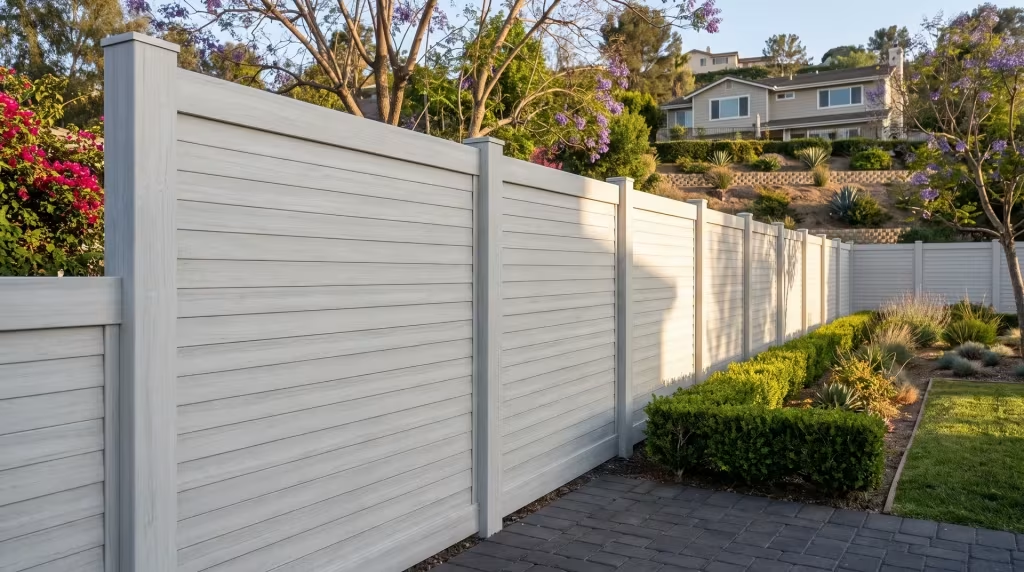
Fence gates get built to match your run exactly, same style, color, height, and pickets, on a metal frame.
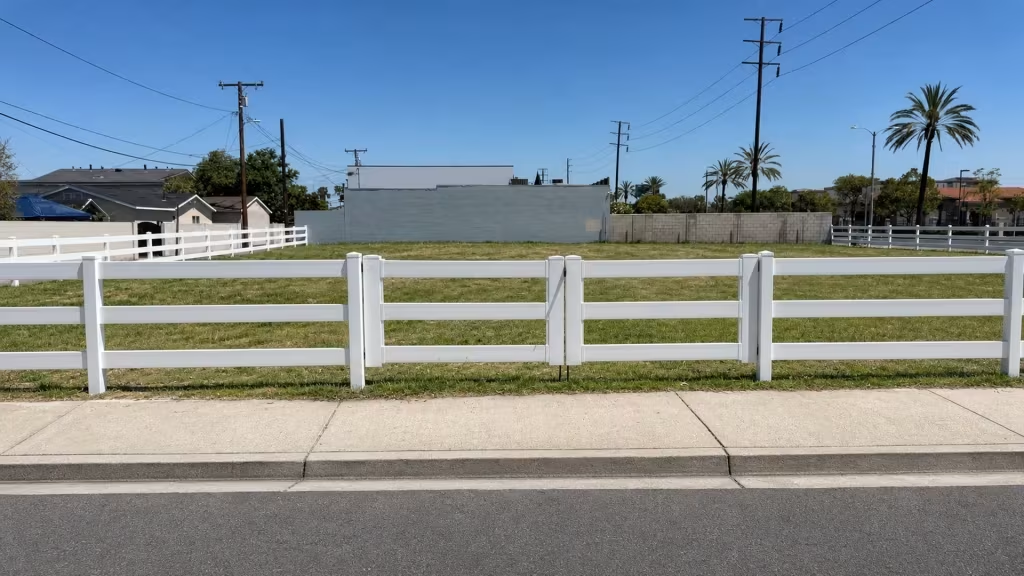
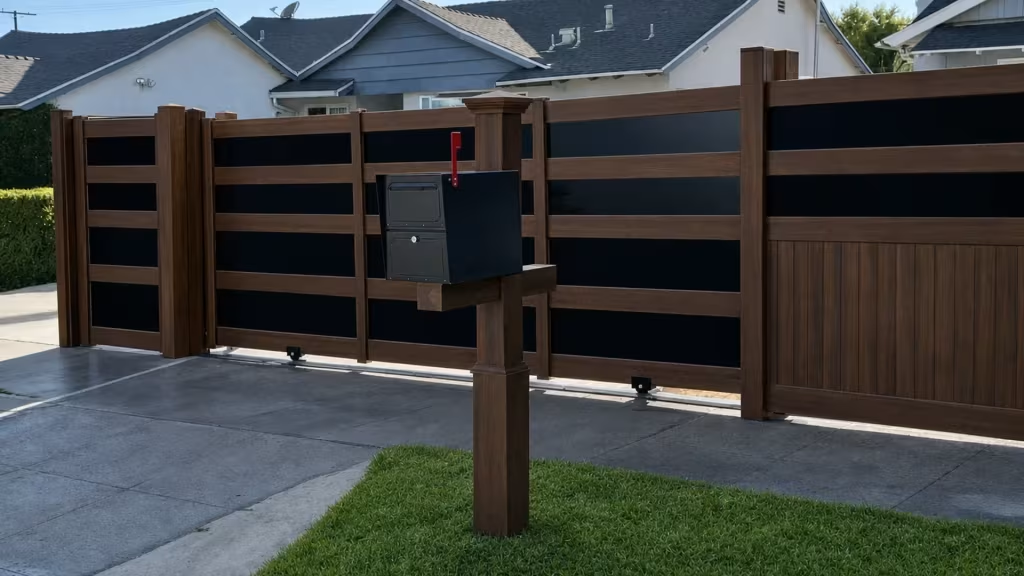
Rolling gates slide sideways on a wheeled track, clearing a wide opening with no leaf left to sag.
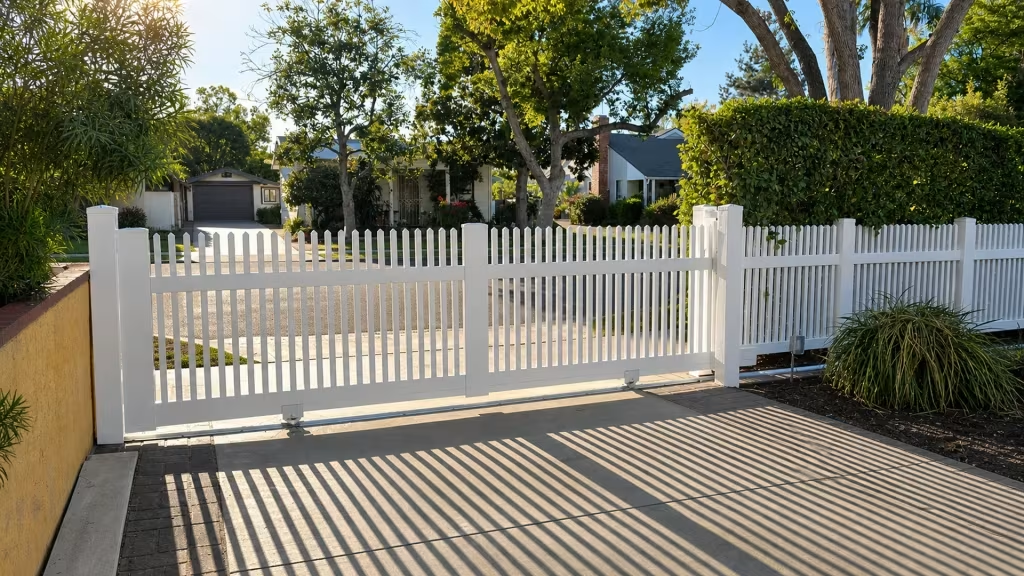
The pedestrian side gate is measured to your actual passage and hung self-closing and self-latching.
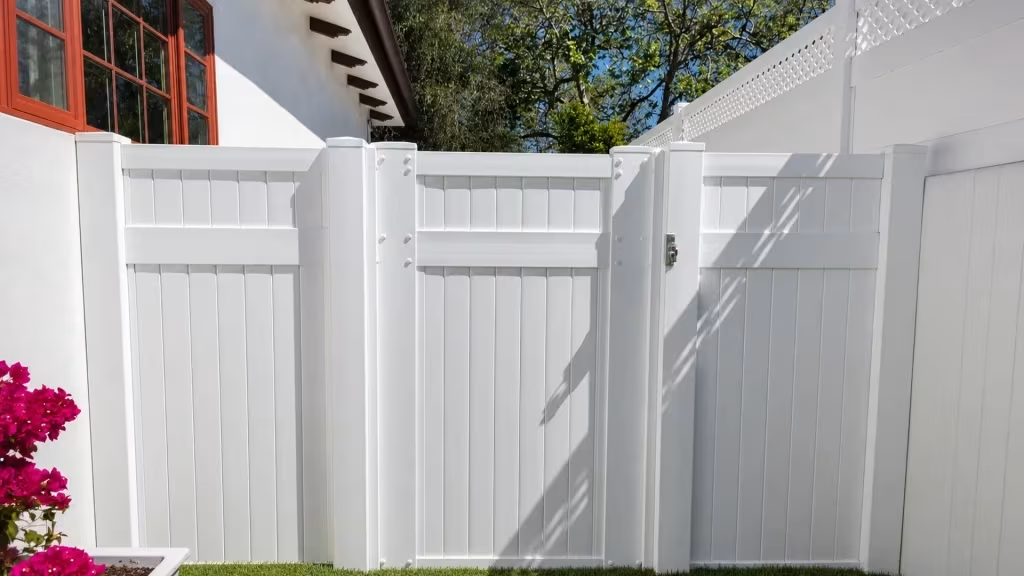
I called company and Jasmin sent out David, who was professional and did accurate measurements. I had toppers and easement gate installed. Chose walnut and even as special order everything was timely and no mishaps. They are clean, accurate and reasonably priced. Highly recommend!! I’m coming back for toppers on another wall of yard

Pro Vinyl Fencing company is the best and most reasonable in Burbank. An easy company to work with. They provide good service and quality products. Customer service and responsiveness was great.
We are grateful for the quality of their work and look forward to use their service again. Highly recommended! You won’t regret doing business with them.

These guys were awesome. From Mike, the salesman, coming to give me a quote to the installation by Levon and Igor. Great job. Finished in one day and cleaned up after themselves. Highly recommend them. Don’t look anywhere else. Thanks Jasmine and team!

#1 vinyl fencing company, called in super nice staff, they came out the next day gave me an amazing quote; and had it installed in a day. Definitely will work with them again in the near future! Thank you Pro Vinyl Fencing for giving the best customer service.

Every gate here started as a driveway opening and a fence we needed to match. Browse real vinyl driveway gates we fabricated and installed, single and double, framed to stay straight and finished to sit flush with the fence around them. Tap any photo to see the build up close.
From the San Fernando Valley to the South Bay, we build and install vinyl driveway gates across Greater Los Angeles and Ventura County. The local rules trip people up here: a gate cannot swing out over the sidewalk, and busy LA streets want it set back from the curb so a car can wait off the road.
The Bay Area is a newer market for us, and we are building it the same way we built Los Angeles. You get the same metal-framed vinyl driveway gate, sized to your opening and installed on your drive. Each Bay city runs its own curb-cut rules, so verify with your city before we build.
Every driveway gate follows the same four steps, and the first one happens at your place, not over the phone. We come out, measure the opening, and talk through single versus double, automation-ready framing, and how it matches your fence.
From there it is a clear contract, a clean build and install, and a warranty that backs the vinyl and our work.
Free and on-site, we measure the opening and check the ground and posts so the gate is sized right from day one.
You get a written scope with the config, hardware, and finish spelled out. Clear terms and no hidden numbers.
Our crew fabricates the metal-framed gate, sets or reinforces the posts, hangs it plumb and self-closing, cleans up.
Your gate carries a transferable limited lifetime warranty on the vinyl, plus our 5-year workmanship warranty.
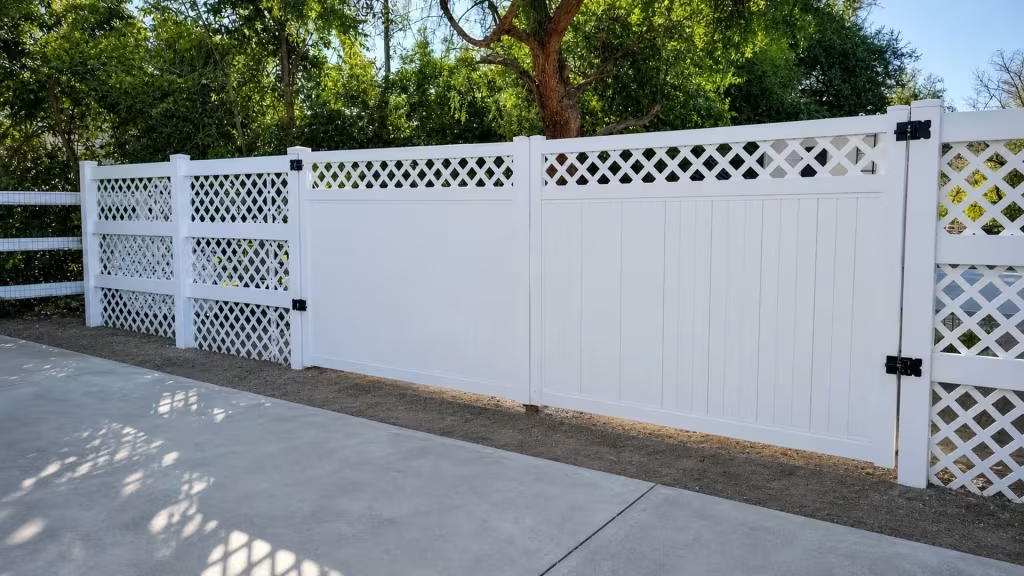
Want to go deeper on gates, sizing, and materials? These guides walk through the details before you book.
A vinyl driveway gate blocks sightlines from the street while giving a property real security.
Fences blog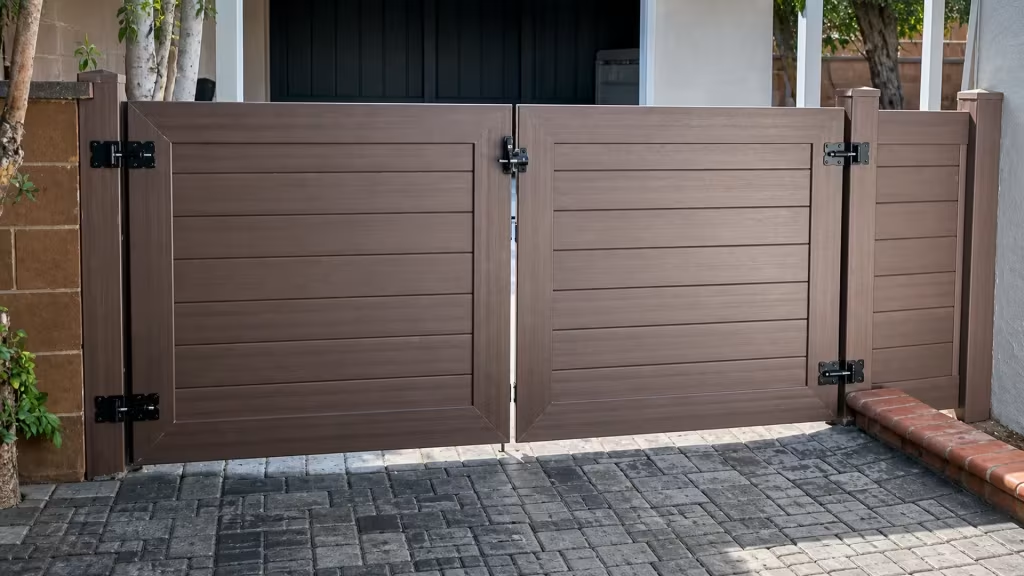
Vinyl Driveway Gate Questions We Hear Most
Here are the questions we hear most about vinyl driveway gates, answered straight, with no sales spin: what vinyl can and cannot do, how wide a gate can go before it sags, how to choose single, double, or rolling, and what a permit and automation really involve. If yours is not here, ask us.
Still have a question?
Send it over and we will get you a straight answer the same day.
Yes, as long as it is built on a metal structural frame. Vinyl on its own is cladding, not structure, so a fence-gate kit stretched across a driveway tends to sag and drag.
We build a steel or aluminum frame inside the gate and wrap it in vinyl, so it holds its shape and matches your fence.
A single vinyl swing leaf is practical to about 6 ft, and 8 ft is the upper limit with heavy hinges and stiff posts.
A 10 to 12 ft driveway works best as a double gate at roughly 5 to 6 ft per leaf. Wider than that, and we move you to a rolling gate or add center support.
For a vehicle opening, it comes down to a double swing gate or a rolling gate. Double gates are the usual pick, since each leaf spans only half the width.
A rolling gate wins when the opening is wide, the frontage is tight, or the ground slopes. A single leaf is really a walk gate for people.
Yes, we build it automation-ready, with a reinforced frame and correctly sized posts, so an operator can be added later.
What we do not do is supply or install the motor. Your automation contractor handles that, and the gate’s final size and weight decide what is possible.
Often, yes. A gate needs a permit once it is tall, automated, or affects the public right-of-way, and it can never swing over the sidewalk.
Los Angeles wants a curb setback, and Bay Area cities have their own curb-cut rules. Rules vary by city, so verify with your local building department.
A few things: your opening width, whether it is single, double, or rolling, the height, the hardware, and whether it is built automation-ready.
Site prep and matching your existing fence factor in too. That is why a real number takes a free on-site estimate rather than a sticker price.