Aluminum Fences
Custom aluminum fencing built in privacy, semi-privacy, or picket styles, powder-coated against rust.
Call Now: (844) 744-0707
An aluminum wall topper is a low fence section, usually 2 to 4 feet, set on top of an existing block or masonry wall to add height and security. The rust-free powder-coated metal finishes the line with a clean, modern edge.
The small made-to-height jobs many crews usually turn down are the ones we take on. Each section is welded rigid, fabricated to your wall and anchored into it, never a boxed kit clipped on top. Licensed and fabricating our own work since 2018, with 500+ five-star reviews behind it.
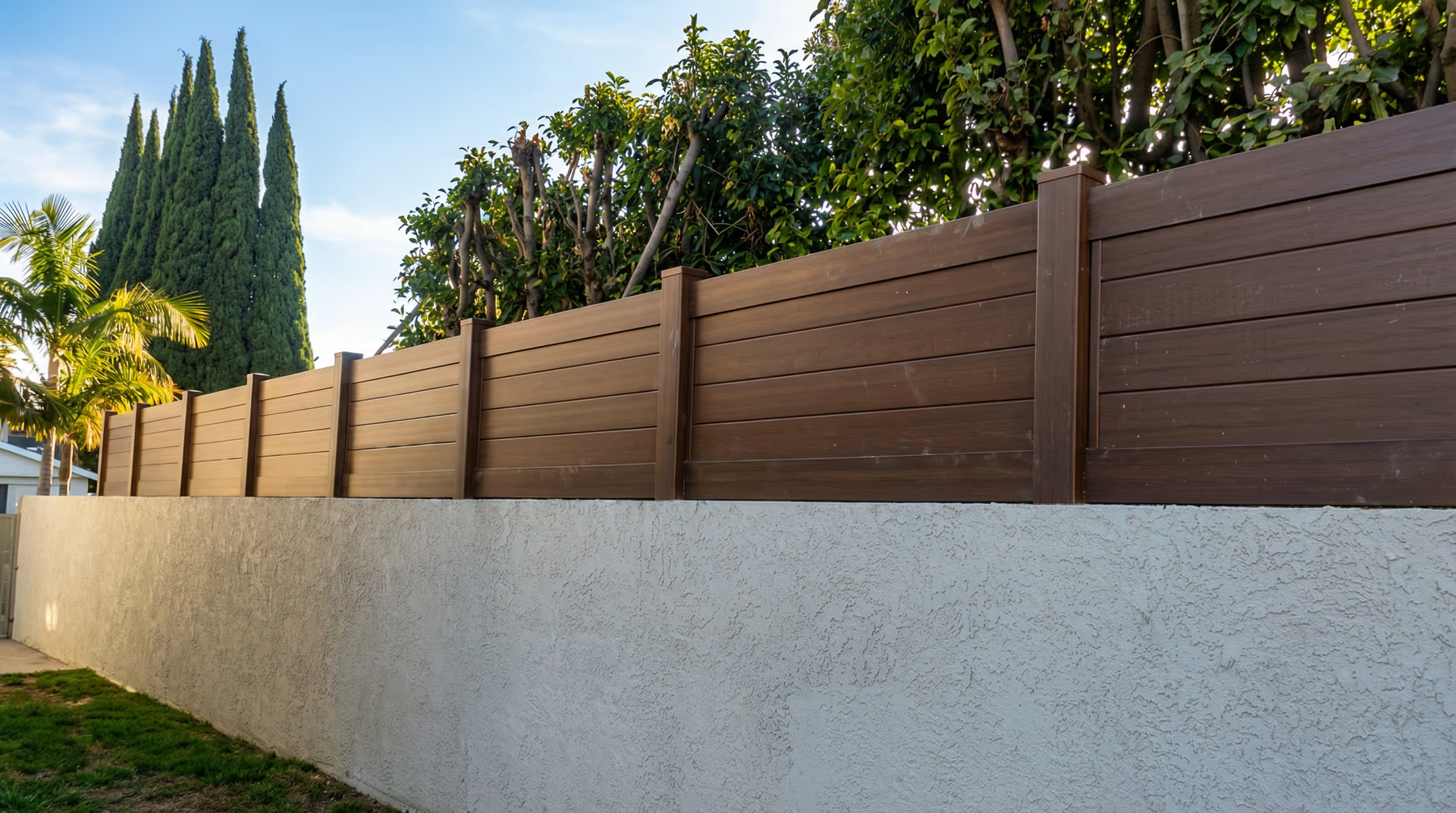
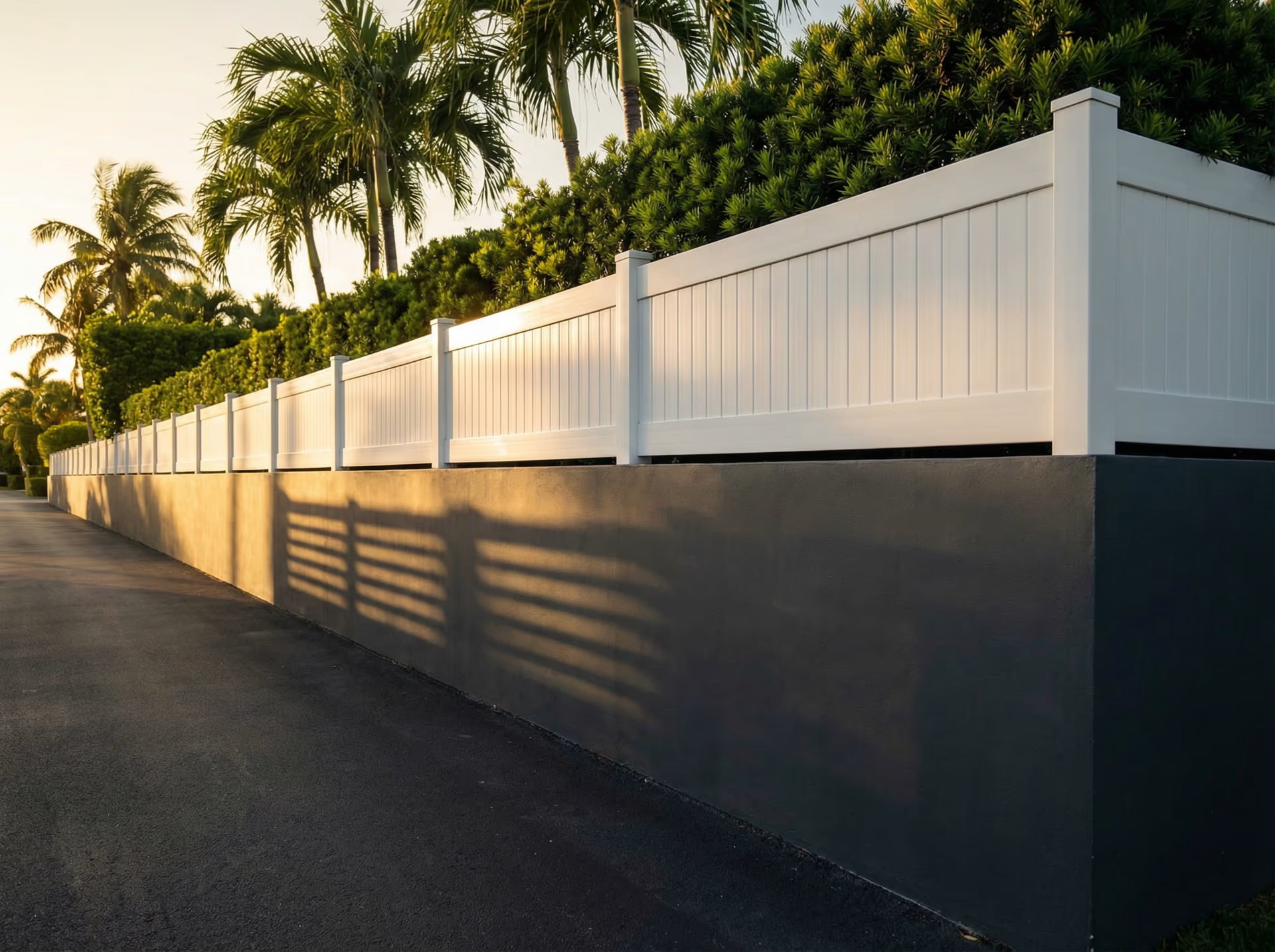
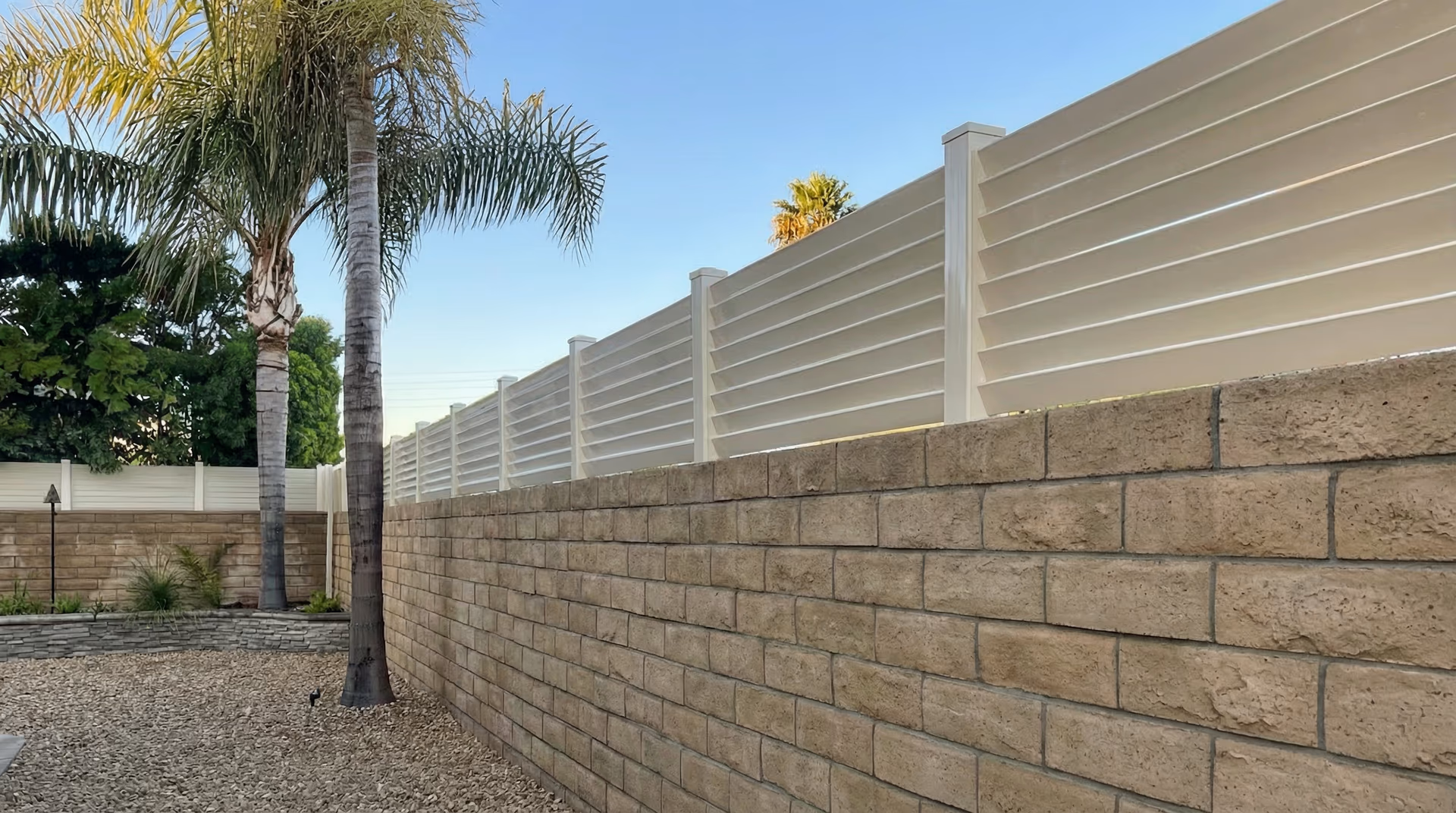
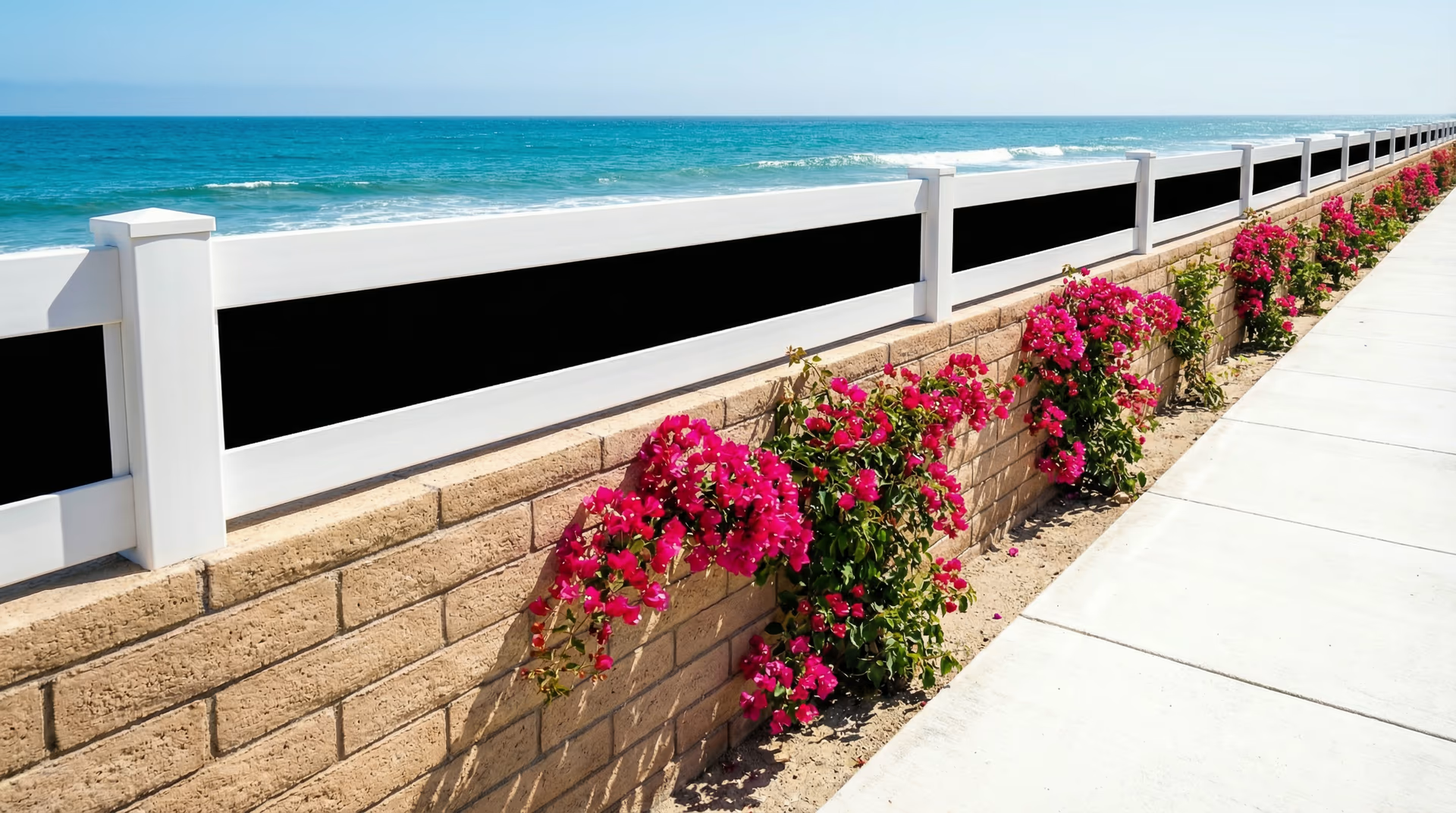
A custom aluminum topper adds real height and security to the block or masonry wall you already own, anchored to it the right way.
What an aluminum topper is, how it anchors to a wall, whether your wall can carry it, and the permit rules for raising a wall in LA. That is the honest engineering the galleries and kits skip, and your estimate is free.
An aluminum wall topper is a low aluminum fence section, usually 2 to 4 feet tall, set on an existing block, masonry, or retaining wall to add height. Some call it an aluminum fence topper. It is the same welded aluminum we build full height, set low.


Every topper is custom-fabricated 6063-T6 aluminum, welded and rigid, its color baked into a powder coat, so it never rusts or needs repainting. It comes in the same styles as a full fence: open picket, slat, and semi for more screening. A topper adds 2 to 4 feet in welded panels up to 6 feet wide, built to fit your wall cap, not a stock kit. We fabricate and install it ourselves.
The aluminum comes from SleekFence, a premium-class aluminum fencing manufacturer and an American brand. We are an authorized SleekFence installer and partner: their material, our fabrication and install.
It is modern architectural aluminum, rated ASTM E84 Class A for flame and smoke, with a Qualicoat Class 1 coating and a 20/10/2 material warranty behind our own 5-year workmanship.
It anchors one of two ways. A surface mount bolts a welded base plate to the wall cap with masonry anchors. A core-drilled post drops into a hole bored in the cap and sets in grout, the stronger hold for added height. Either way the post is fabricated to fit; a rigid welded section cannot clip on like a kit.
Before we build, we check the wall, because the added height and wind load ride into it. A sound wall shows no significant cracks, no tilt, no loose or spalling blocks, and no water damage, over an adequate footing. On an old or unreinforced landscape-block wall a structural check comes first, sometimes needing work first.
A raised line meets more wind, and because aluminum is rigid the post and anchor carry that load, not a flexing screen. Most LA and Bay Area sites design near 95 to 105 miles per hour, well inside aluminum’s rating, while a tall or exposed run takes a hidden 16-gauge steel insert, still aluminum outside.
Aluminum is non-combustible and fire-smart on a fire-zone lot, though local fire rules vary by city. The material warranty excludes coastal salt air and holds only with a documented wash every six months.
The topper’s height counts toward your measured fence height. A non-masonry aluminum topper usually needs a building permit only above 10 feet, but it still has to fit your zoning cap: often 6 feet, or up to 8 feet on a side or rear line if the lot is at least 40 feet wide and off a hillside, with front yards near 3.5 feet.
Over the cap, Planning approval comes first. A masonry wall over 3.5 feet needs its own permit, and unincorporated LA County requires one on any fence over 6 feet. Rules vary by city; verify yours locally.
| Where | Counts toward height? | Permit? |
|---|---|---|
| City of LA, aluminum topper | Yes | Only above 10 ft, must fit the zoning cap |
| Masonry wall under it | Yes | Yes, over 3.5 ft |
| Unincorporated LA County | Yes | Yes, over 6 ft |
Against a full teardown and rebuild, a topper is usually the lighter job: the wall stays put and you fund only the new height. What moves the price: height and run length, wall condition and structural work, anchoring method, style and color, reinforcement, and gates.
You will not see prices posted, since a store-kit sticker rarely matches an installed, anchored run. A firm number comes after a free on-site visit, and Synchrony financing starts at zero down.
The wall came first, so the wall decides. Most owners match a topper to the wall cap or to the fence running off it, and black, wood grain and white cover that choice. Contoured styles take matte black only. The finish is cured under heat, not brushed on.
Raising a wall you own is one way to get height. Starting from bare ground is the other, and we build those runs from scratch in either material, plus the gates that break a line for a driveway or a path.
Custom aluminum fencing built in privacy, semi-privacy, or picket styles, powder-coated against rust.
Gates welded from aluminum to match your fence, built as a walk, driveway, or rolling gate.
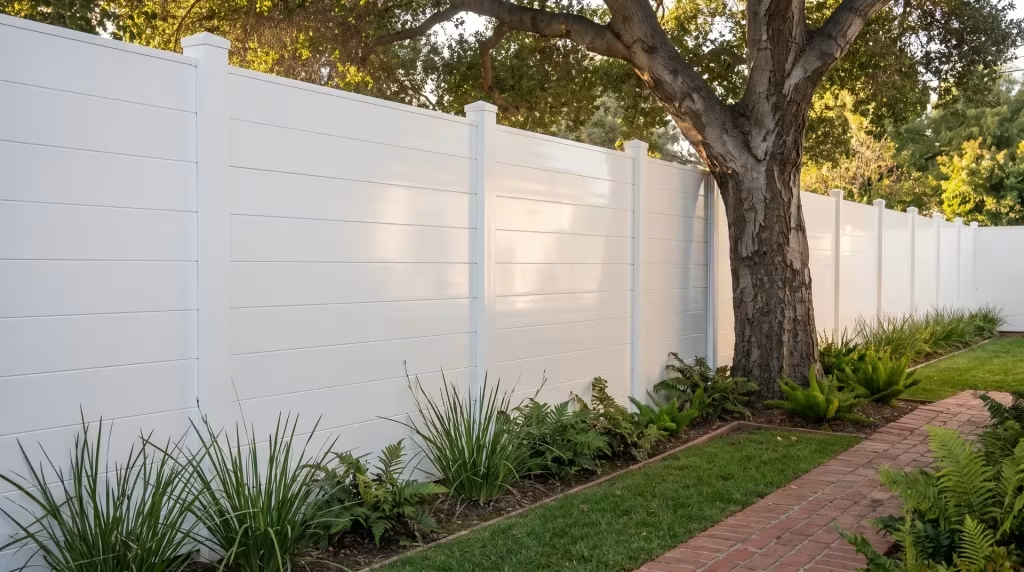
Solid aluminum privacy fencing that closes the view completely, with no sightlines at all.
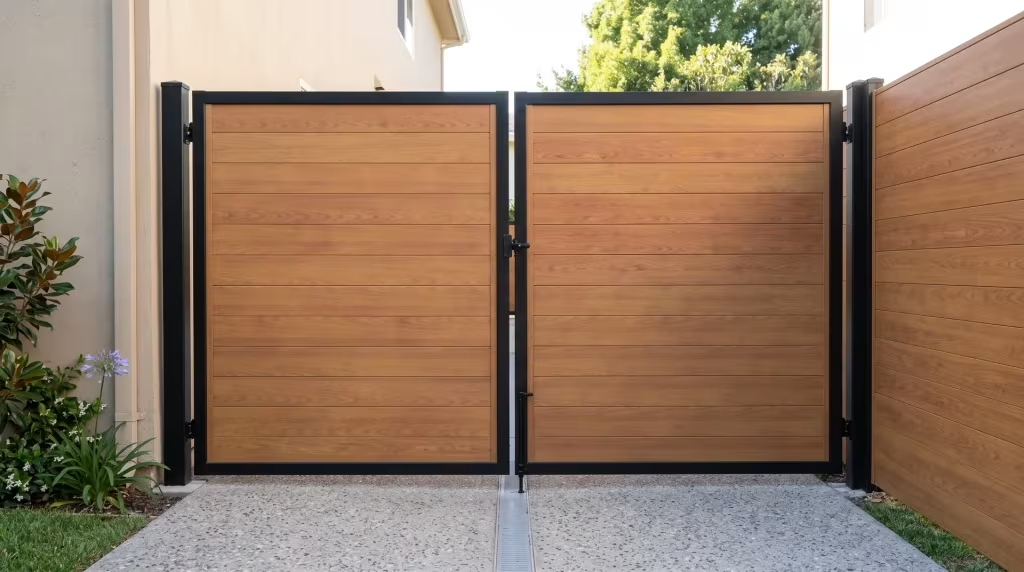
First and foremost I wish to express our appreciation on the installation of 2 gates by Har. Both gates which included a curve piece were done per our specifications. Additionally I wish to express our gratitude to Michael for his guidance and assistance in the design phase. Job well done Pro Vinyl Fencing

I had an old wooden partition between two patios that needed replacing. I had taken good care of it but wood eventually rots. They removed the old fence and installed a custom new one it looks fantastic.
I’m so happy with the work. It was done in a timely professional manner for a great price. I highly recommend them. Thank you, Nairi.

Vic and David did a great job with scheduling and installing new fencing. My only complaint is that I didn’t receive a text when they were on their way and since they arrived earlier than anticipated I wasn’t at home. Otherwise it has been great working with them.

I want to thank you for such detailed and considerable feedback. Your fence looks amazingly beautiful. Great choice on the ecrylic color . Love it!
Thank you very much Looking forward working with you in the near future Thank you so much

These are aluminum toppers the crew fabricated and set on real walls and fences around the region. Expect clean lines added over block and masonry walls, heights fitted to each wall, and black or wood-grain finishes. Look through the finished runs, then imagine one topping your own wall.
Around Greater Los Angeles, block walls ring most backyards, and raising one with an aluminum topper is everyday work for us. The City and County measure added height differently, so verify yours with the local building department. We are the best-rated aluminum crew here, with 500+ five-star reviews.
Up in the Bay Area, you reach the very company Los Angeles does: one crew, the same custom fabrication, and the same two ways of anchoring a topper into a wall. Height and permit limits here are written city by city, so confirm yours with your local building department. Start with a free estimate.
Every aluminum topper runs the same clear path: we measure the run, check the wall it will sit on, put the scope in writing, fabricate the section to fit and anchor it, then install and warranty it. The visit that starts it costs nothing.
The contract spells out the scope and heights before any anchor goes in, and you hear what your wall can take.
A salesperson measures the run, checks the wall for cracks, tilt, and footing, then confirms your height and color.
The written contract lists scope, heights, colors, and warranty before the crew arrives. No rush, no pressure to sign.
The crew builds the topper to fit, sets the posts by base plate or core-drill, and adds a steel insert where needed.
The crew installs, clears the site, and registers the material and PVAF 5-year workmanship warranties.
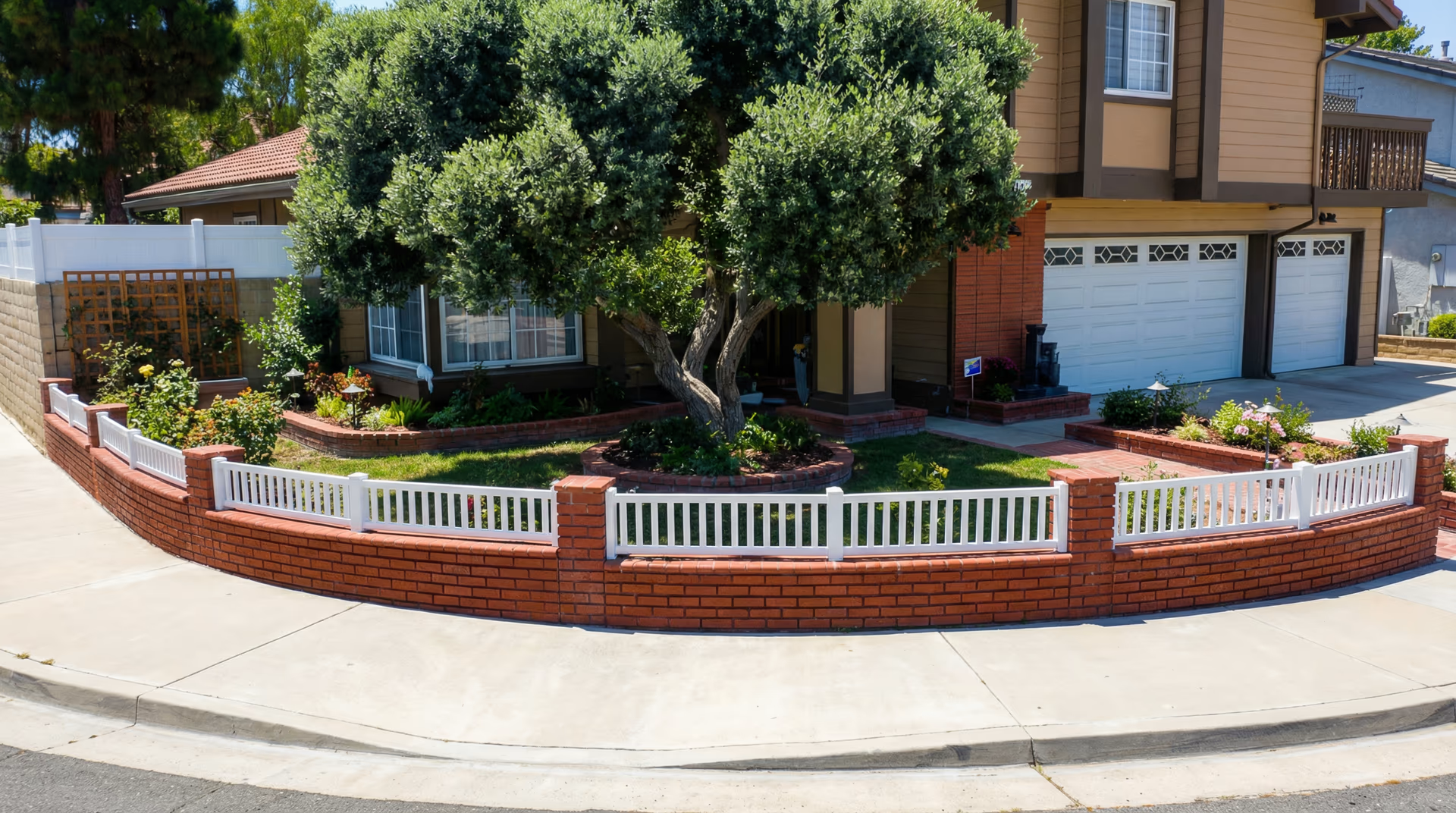
Guides to raising a wall: how a topper anchors, how it handles wind, and when added height needs a permit.
Rot, corrosion and insects wear down wood and metal fences over time, conditions gray vinyl simply does not react to.
Fences blog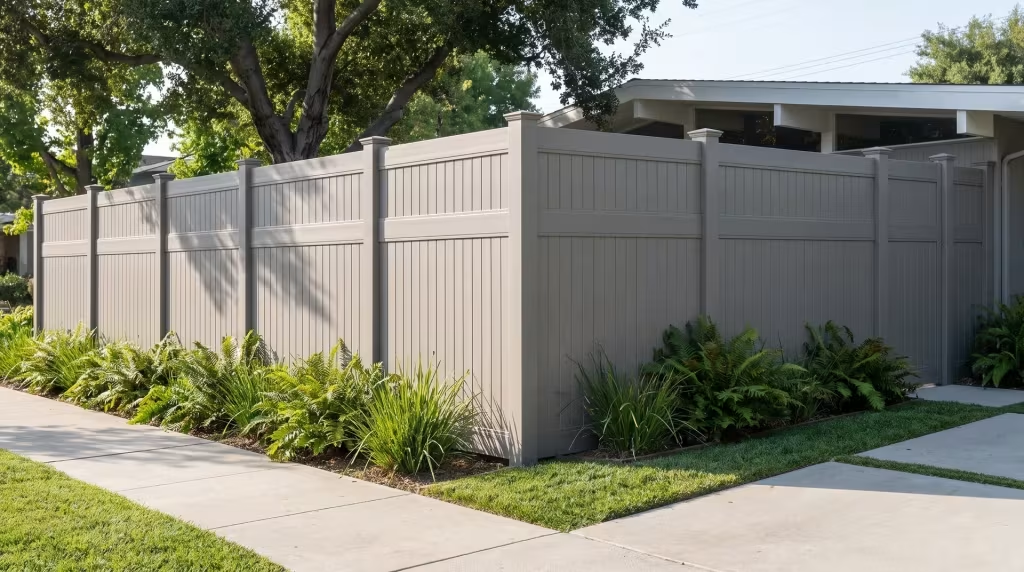
Aluminum wall toppers: your common questions
These are the honest questions owners ask before they raise a wall with an aluminum topper: how it anchors to the block, whether the existing wall can carry it, how tall you can go and when a permit applies, how it stands up to wind, and why aluminum on top at all. Each one gets a direct answer below.
Is your wall ready?
Book a free on-site visit. We look at the wall; confirm your rule locally.
Two ways, both fabricated to fit. One sets the post on a welded base plate bolted to the cap with masonry anchors.
The other core-drills a hole into the cap and sets the post in grout, the stronger hold for added height. A rigid welded section needs a real connection, not a clip-on kit.
Only if it is structurally sound. Before we build, we check the wall for significant cracks, tilt, loose or spalling blocks, and water damage, and look for an adequate footing.
The added height and its wind load ride into that wall, so on an old or unreinforced one a structural check comes first.
The added height counts toward your measured fence height. An aluminum topper usually needs no building permit under 10 feet, but it has to fit your zoning cap, often 6 feet or up to 8 feet on a wide side or rear lot.
A masonry wall over 3.5 feet, or a County fence over 6 feet, has its own rule.
Usually 2 to 4 feet of added height, custom-fabricated to your wall rather than cut from a stock panel.
The real limit is rarely the material, it is your zoning cap, because the finished total of wall plus topper has to fit what your city allows.
A raised line meets more wind, and because aluminum is rigid the post and anchor carry that load, not a flexing panel.
A tall or exposed run takes a hidden 16-gauge steel insert, still aluminum outside. Most LA and Bay sites design near 95 to 105 miles per hour, well within what aluminum handles.
For a non-climbable height-and-security layer with airflow and a clean line on top of a solid wall, and because aluminum is non-combustible and never needs a repaint.
Aluminum sits above vinyl as the premium tier, and we take the small custom job other crews turn down.