Aluminum Rolling Gates
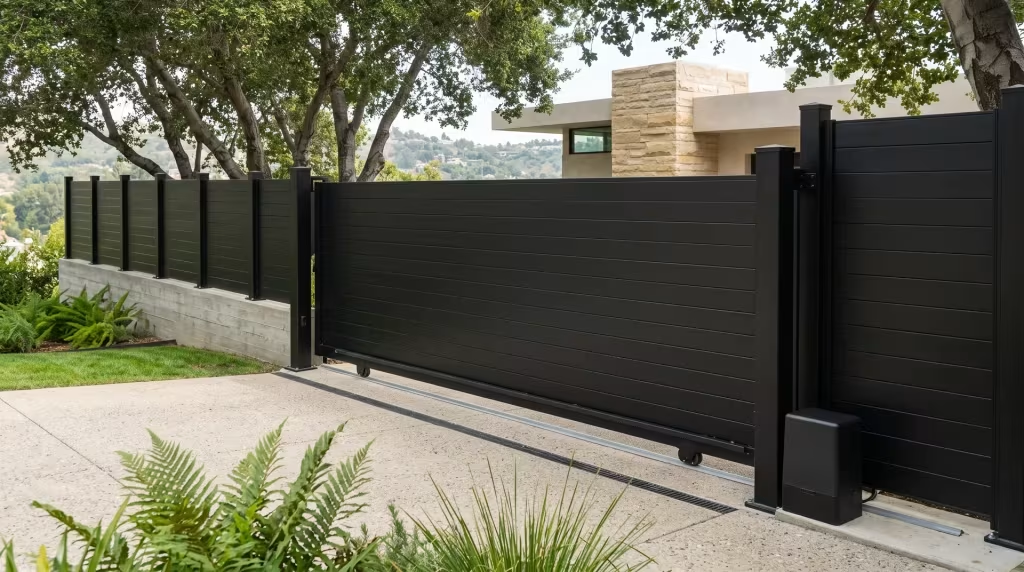
Rolling and sliding aluminum gates that travel sideways instead of swinging open.
Call Now: (844) 744-0707
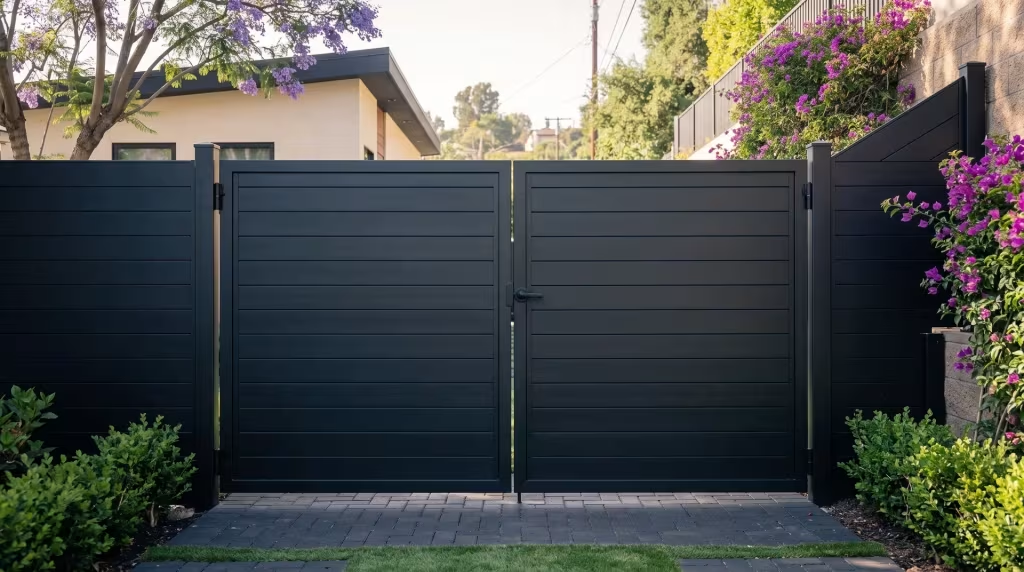
We build aluminum driveway gates the way kit stores can’t: a welded structural aluminum frame, sized to your opening, panel-matched to your fence, and installed by our crew. Powder-coated and rust-free, it holds up for years.
A driveway gate is a real decision, not a cart add-on: swing, slide, or cantilever, how wide, how tall, how it clears your slope, and whether a motor comes later. We work all of that out with you, build the gate automation-ready, and hang it across Los Angeles and the Bay Area.
We’re a licensed installer and fabricator, in business since 2018 and LA’s best-rated fence company, 500+ five-star reviews.
The right gate turns on a few things: which gate type fits your driveway, how wide and tall it can go, what automation-ready actually means, and where a permit comes in. Then we build the gate to your opening and install it in both markets.
A driveway gate lives outside, so the metal decides how it ages. Aluminum is a 6063 alloy that won’t rust, and its powder coat never needs a repaint, unlike iron with its sanding-and-paint cycle, which is why aluminum gates are commonly cited around 20 to 30 years. It is light too, so it hangs easy and works a future motor less than iron or steel, which hit harder but rust. Beside our vinyl gates it reads premium and modern.


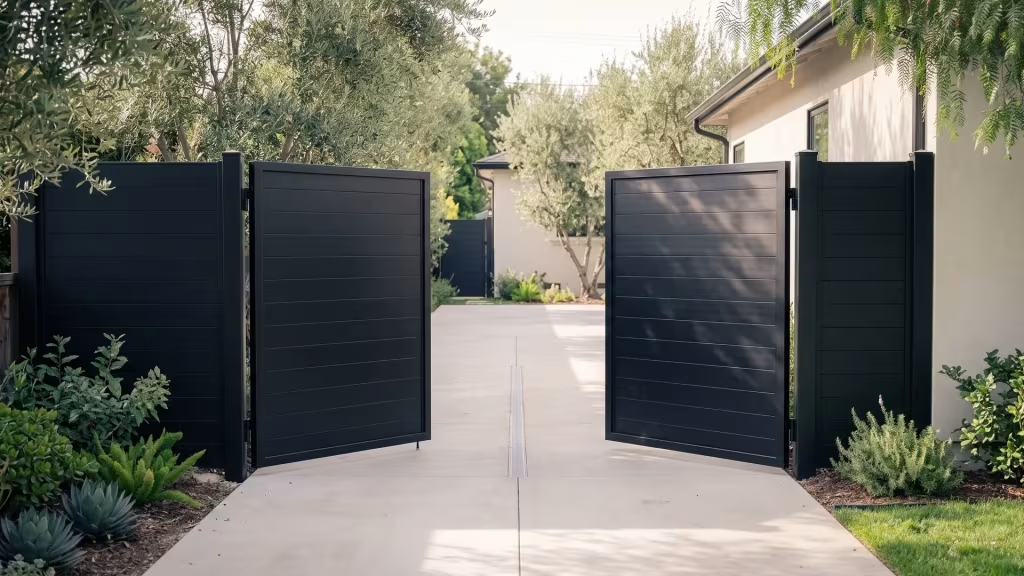
The right type comes down to your space and your slope. A swing gate needs clear space equal to its leaf length and binds on a slope over about 1 inch per foot. A track slide needs a straight, near-level runback as long as the opening. A cantilever rolls on posts with no ground track, so it takes slope and wide openings on about 1.5 to 2 times the opening in side room.
| Gate type | Space needed | Best fit |
|---|---|---|
| Swing | Arc equal to the leaf length | Level ground, room to swing |
| Track slide | Runback as long as the opening | Near-level, no swing room |
| Cantilever | About 1.5 to 2 times the opening | Slopes, wide RV openings |
Measure the clear opening between your posts, not the driveway width; that gap is what the gate covers. Vehicle gates run up to 12 feet of clear opening, as a single leaf or a double swing, and pedestrian walk gates up to 8 feet. Most residential drives sit in the 10 to 12 foot range; wide or RV entries favor a slide or cantilever. Height is custom, 6 feet typical.
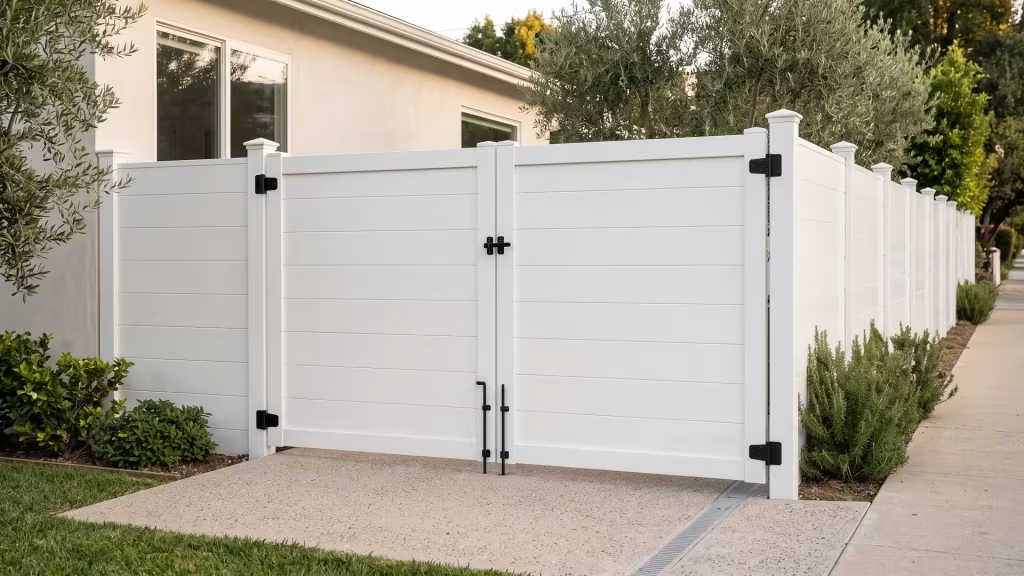
Automation-ready means the gate is built to accept a motor, but the motor is not ours to sell or install. It gets a reinforced bottom rail sized for the operator’s force, correctly sized posts, and light aluminum that eases the load.
Your gate-automation contractor supplies and mounts the operator. Ask that installer about UL 325 basics: two independent entrapment sensors per zone (photo eyes plus a safety edge), no swing into public areas, fall-over protection, and a separate walk gate.
A wide vehicle leaf acts like a sail, so tall, wide, or exposed gates get a 16-gauge steel insert inside the aluminum post. Posts run 3, 4, and 6 inches. The wind rating depends on height and configuration, so we size each gate to real conditions.
The heat-cured powder coat meets Qualicoat Class 1 and AAMA 2603. The material warranty runs 20 years on aluminum and 10 on the coating, plus our 5-year workmanship; salt air and pool chemicals are excluded, and a six-month cleaning keeps it valid.
The aluminum comes from SleekFence, a premium-class aluminum fencing manufacturer registered as an American brand. We are an authorized SleekFence installer and partner.
Their material, our custom fabrication and installation: modern, architectural aluminum, sized to your opening and hung by our own crew.
Often yes: a driveway gate usually needs a permit when it is tall, automated, or in the public right-of-way, and it can’t swing out over the sidewalk. In Los Angeles a gate on your property is a building permit; any part over the right-of-way needs a Bureau of Engineering revocable permit, set back about 20 feet from the curb on arterial streets. Bay Area cities run parallel curb-cut rules, so verify with your local building department.
The price depends on the gate, so a real number takes a visit. What moves it: opening width, swing, slide, or cantilever, the height, the post and steel-insert engineering the span needs, the color, and site work like old-gate removal or leveling. A kit’s sticker hides all that, leaving install and permits to you. You get a ballpark by phone and a firm number after we measure; the estimate is free and fast.
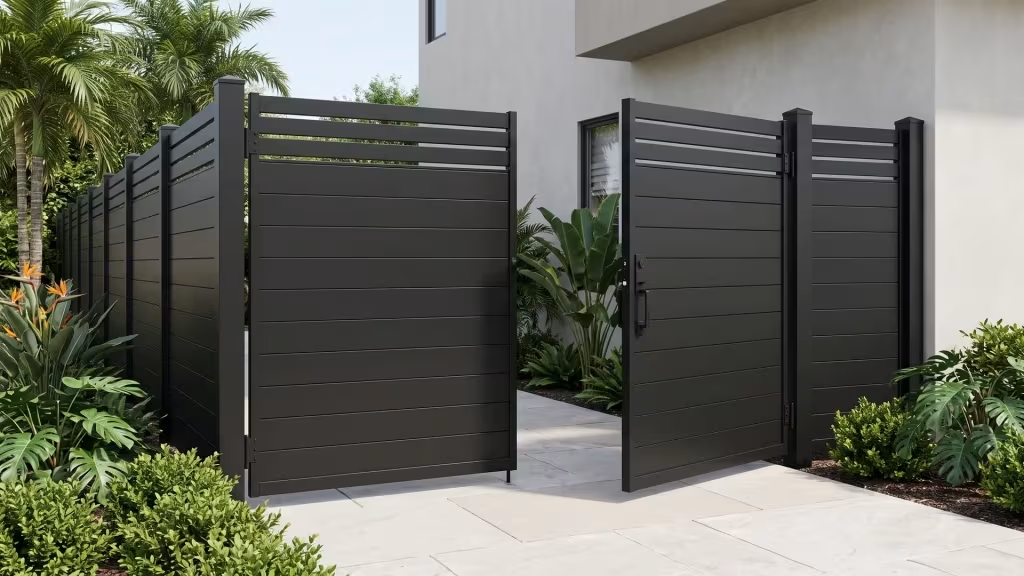
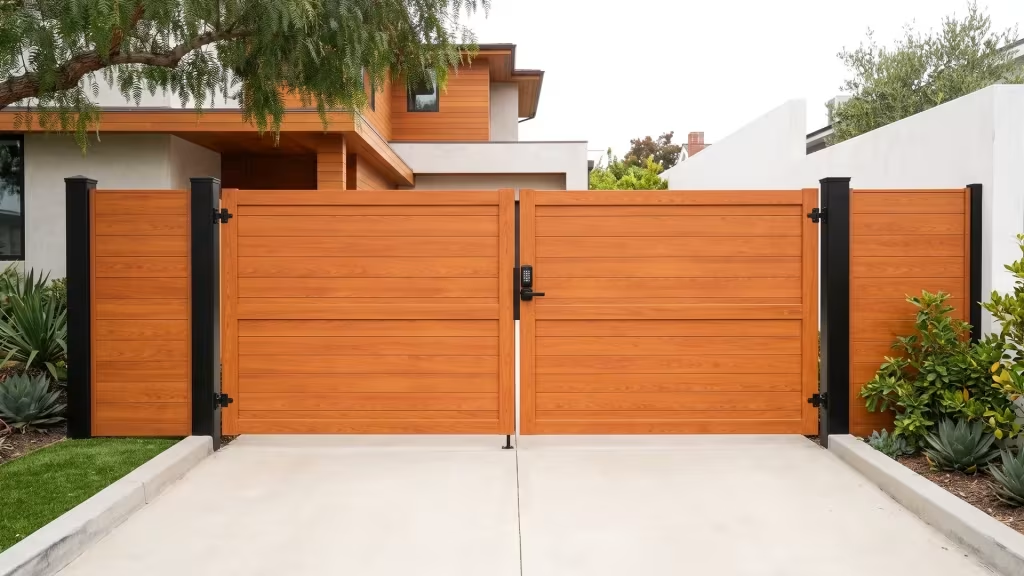
Black does the heavy lifting on driveway gates, and it is where most owners land. Slat styles open up to white or a wood grain look. Contoured styles stay matte black. All of it is powder coat, bonded to the metal under heat rather than brushed on, and there are no custom shades today.
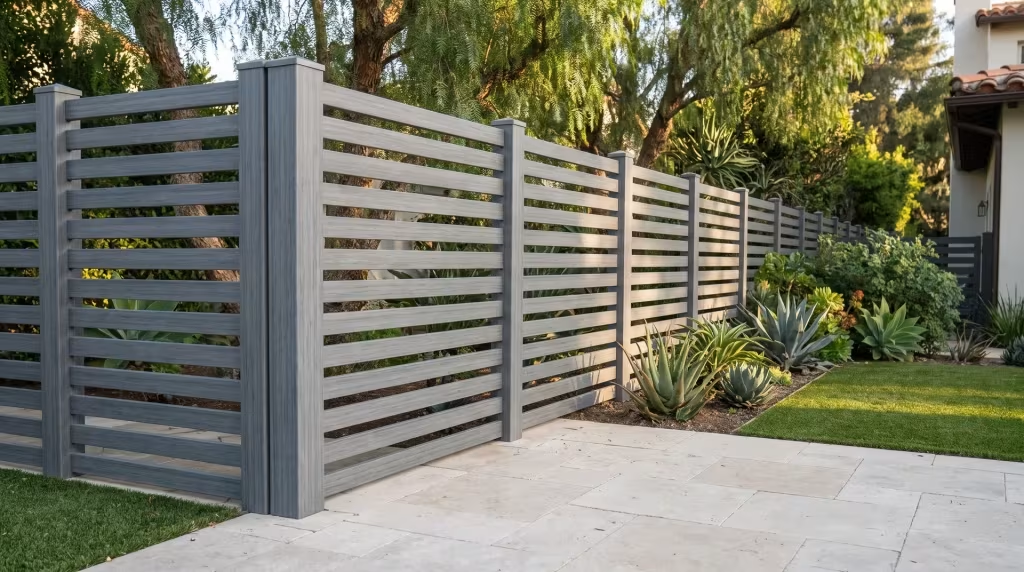
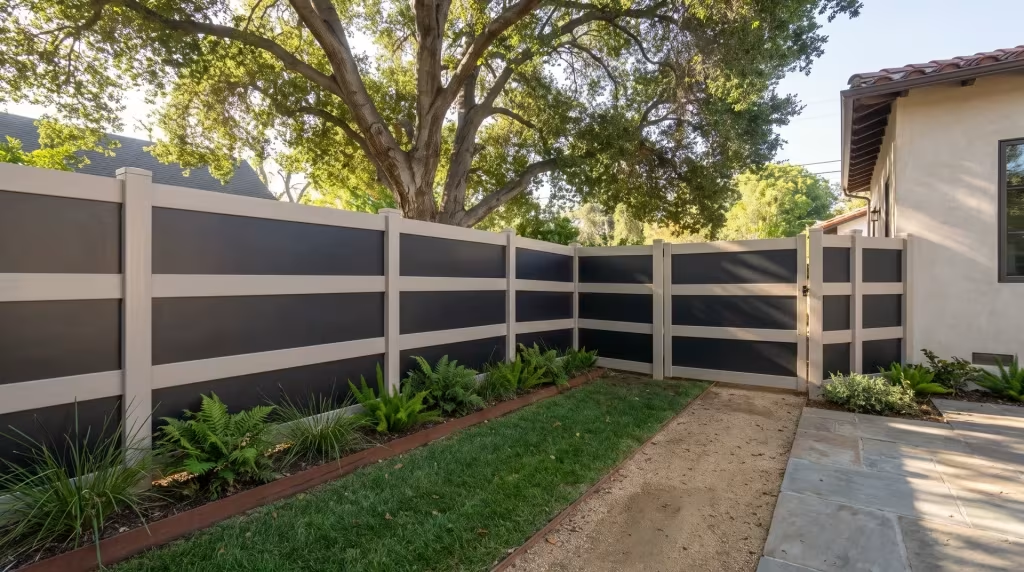
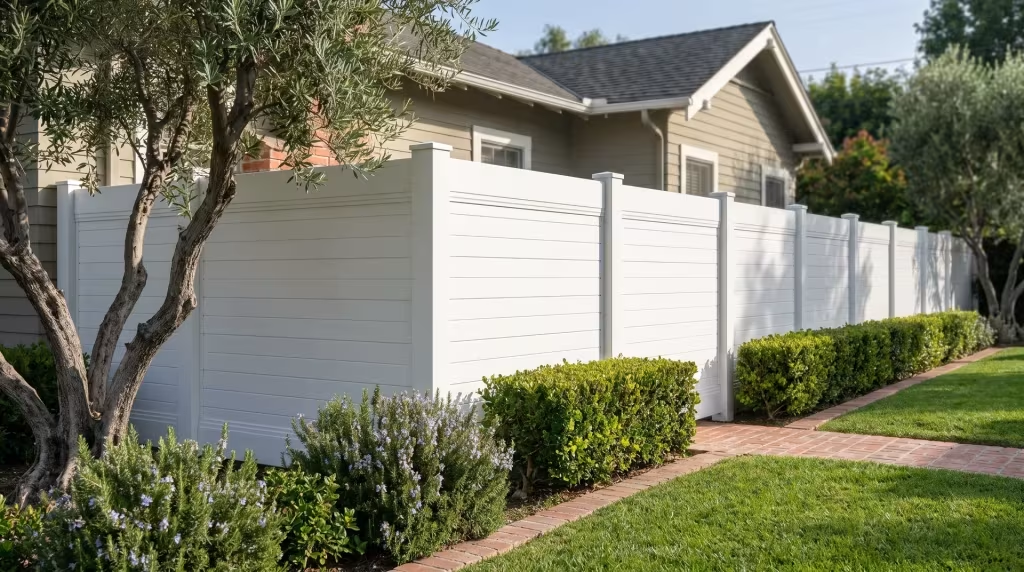
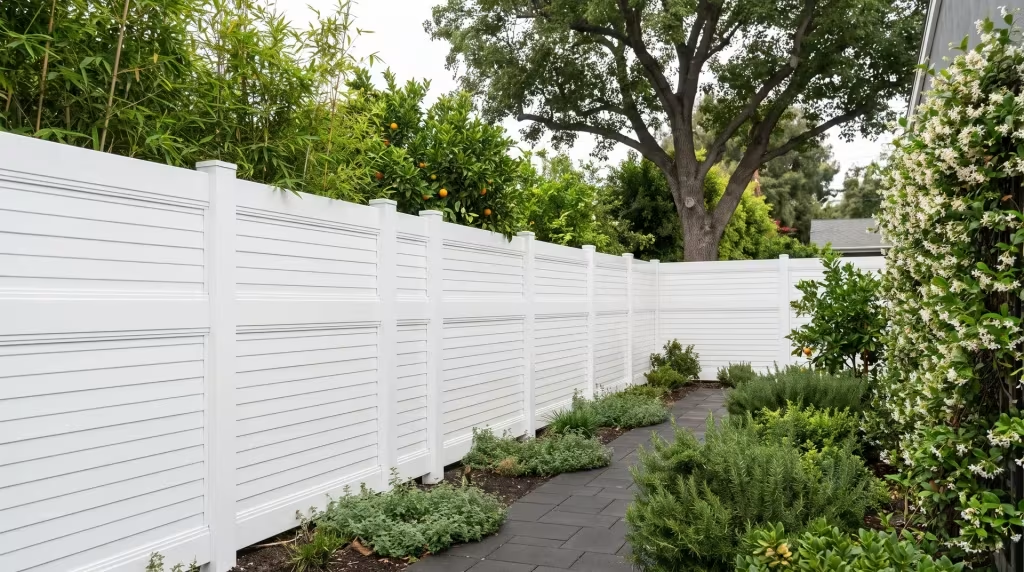
An entrance rarely stands on its own. Whatever meets the gate on either side, we build that too, in aluminum and in vinyl, fabricated in our own shop and set by the crew that shows up.
Rolling and sliding aluminum gates that travel sideways instead of swinging open.
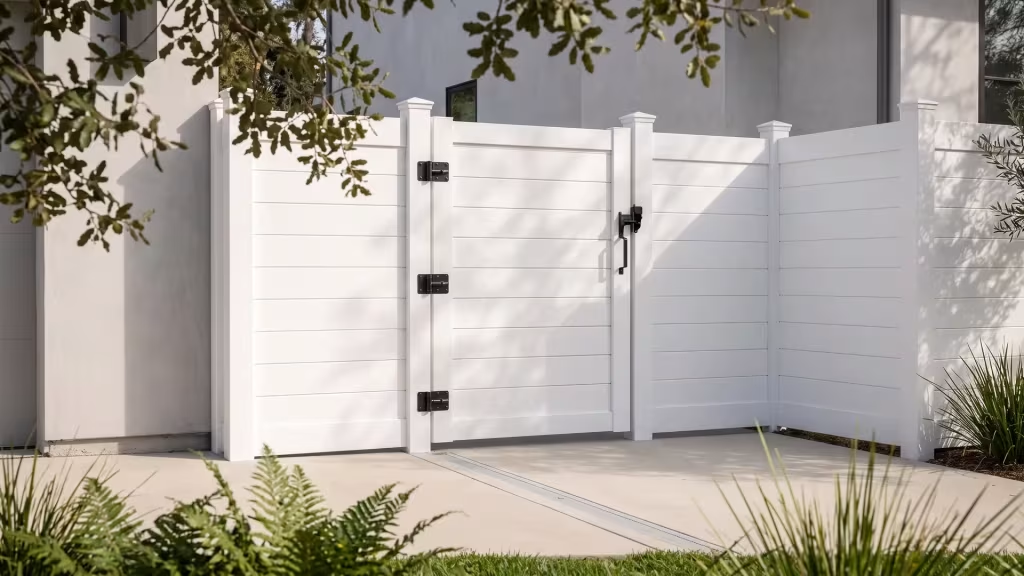
One welded aluminum gate leaf, sized for a side yard, pool enclosure, or front walkway.
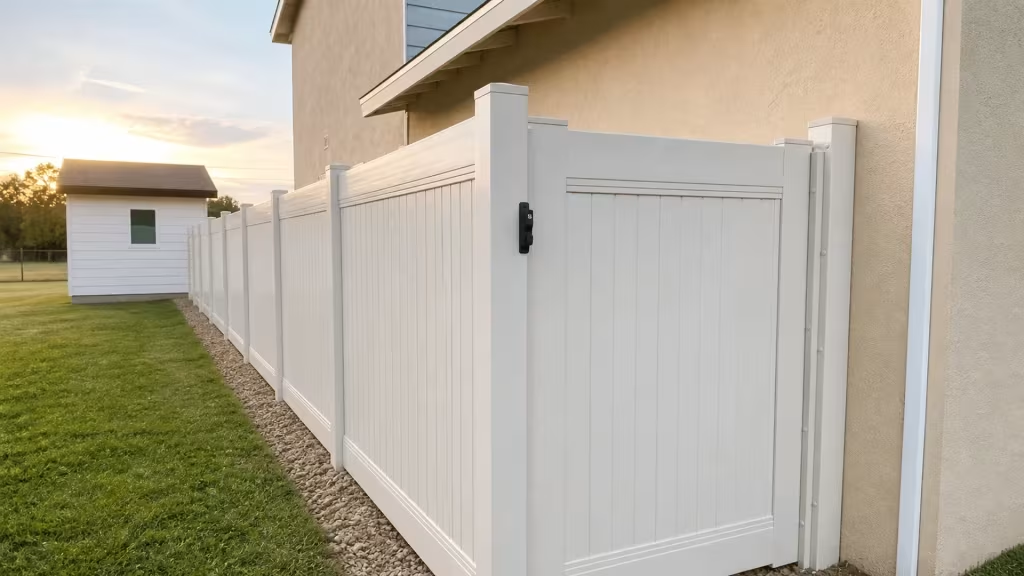
Pro Vinyl Fence just installed a beautiful privacy fence on the side of our house and we are very happy. Verkah and his crew were amazing! They removed a cinder block wall and prepped the space leaving the area clean and ready. They were timely, polite, and professional. I recommend them completely.

I have several properties and have used 3 different companies for fencing and I must say that Mike was the most professional , timely and friendly person I’ve ever worked with. Thank you for your hard work and I’ll definitely be referring your company to friends and family.

My husband and I hired pro vinyl fencing to do our backyard fencing, and we absolutely love it. The workers were hard-working and we couldn’t have asked for a better crew to do it. The fencing is gorgeous and I would definitely hire them to do future work.
they left my place clean. They were courteous and amazing.

Pro Vinyl is the best in the business. We needed vinyl raining for our backyard so we called Pro Vinyl and it was a great experience from the beginning to the end. Professional service and installation.
I highly recommend them and we will use Pro Vinyls services in the future.

Every gate here was designed, welded, and hung by our own crew, from single swing gates to wide cantilevers built where there was no room to swing. Look for what separates a custom gate from a kit: clean welds, panels matched to the fence line, and posts set plumb.
Across Greater Los Angeles and Ventura County we design, fabricate, and install aluminum driveway gates for flat drives and hillside entrances that need a cantilever. Local rules are part of it here, like the roughly 20-foot curb setback on arterial streets, so your gate sits where the city allows.
The San Francisco Bay Area is a newer market for us, and we bring the same crew and the same made-to-order gates north that earned our name in Los Angeles. Bay Area cities run their own curb-cut rules, so verify what applies to your address with your local building department before the gate is set.
A driveway gate goes from idea to a hung, aligned gate in four steps. We measure the opening, confirm whether swing, slide, or cantilever fits, engineer the posts for span and wind, then fabricate and install. Nothing ships until you sign off.
Ready to move forward? Book your free estimate this week and we’ll get you right on the schedule.
A salesman measures the opening, reads the slope and the site, and gives you a real number, not a guess off a photo.
You get a written scope that spells out the gate type, size, color, and posts, so there are no surprises later.
Then we fabricate the welded gate, set the steel-reinforced posts, hang and align it operator-ready, and clean up.
Your workmanship warranty runs 5 years; a documented cleaning every six months keeps the material coverage valid.
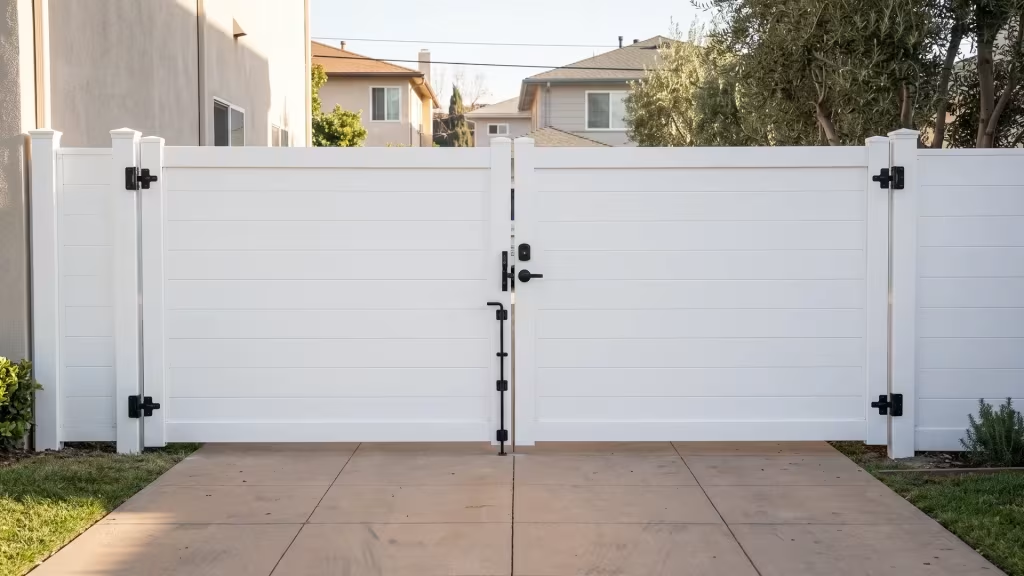
Planning a gate? Our guides dig into aluminum, gate types, sizing, and automation before you commit.
Years outdoors barely touch a vinyl pergola, since it skips the sanding, sealing and repainting a wood frame eventually needs.
Fences blog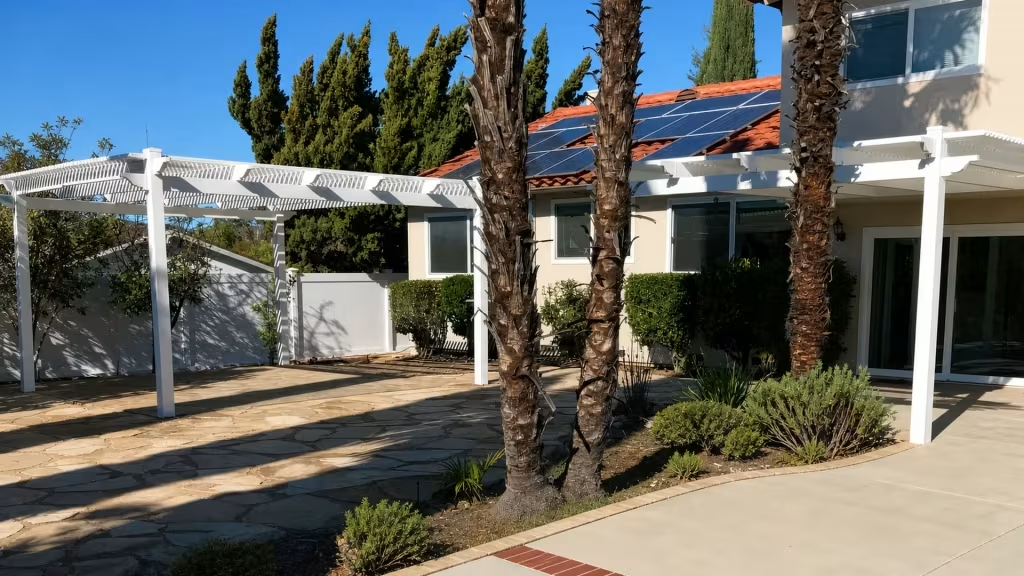
Aluminum Driveway Gate Questions, Answered
These are the questions people actually ask before they commit to a driveway gate: permits, gate types, automation, wind engineering, size, and what really drives the cost. Short, straight answers are below, and if yours isn’t here, a quick call with our team sorts it out.
Still have questions?
Talk to an expert and get a free, no-pressure estimate for your gate.
Usually yes if the gate is tall, automated, or touches the public right-of-way, and it can’t swing over the sidewalk.
Los Angeles sets gates back about 20 feet from the curb on arterial streets; Bay Area cities run parallel rules. Rules vary by city, so verify with your local building department.
It depends on your space and your slope. A swing gate needs clear room to open into and level ground. A track slide needs a straight runback as long as the opening.
A cantilever rolls on posts with no ground track, so it wins on slopes, wide RV openings, or anywhere nothing can swing.
Yes. We build it automation-ready with a reinforced bottom rail and correctly sized posts, and aluminum’s light weight is easy on a motor.
Your gate-automation contractor supplies and installs the operator. Ask them about UL 325 basics: two entrapment sensors per zone and a separate walk gate.
The usual complaint is sagging or misalignment on a wide leaf, which is really a wind and engineering issue: a gate near 12 feet acts like a sail.
A 16-gauge steel insert inside the aluminum post, plus posts sized to the span, keeps it square and swinging true for years.
Vehicle driveway gates go up to 12 feet of clear opening, as a single leaf or a double swing, and pedestrian walk gates up to 8 feet.
Height is custom, with 6 feet the common choice. Everything is made to order, so odd openings and sloped sites get built to fit rather than forced from a kit.
Size, gate type, height, the post and steel-insert engineering the span needs, color, and site conditions like old-gate removal or leveling.
A kit’s sticker leaves install and permits out. You get a ballpark by phone and a firm number after we measure, and the estimate is free and fast.