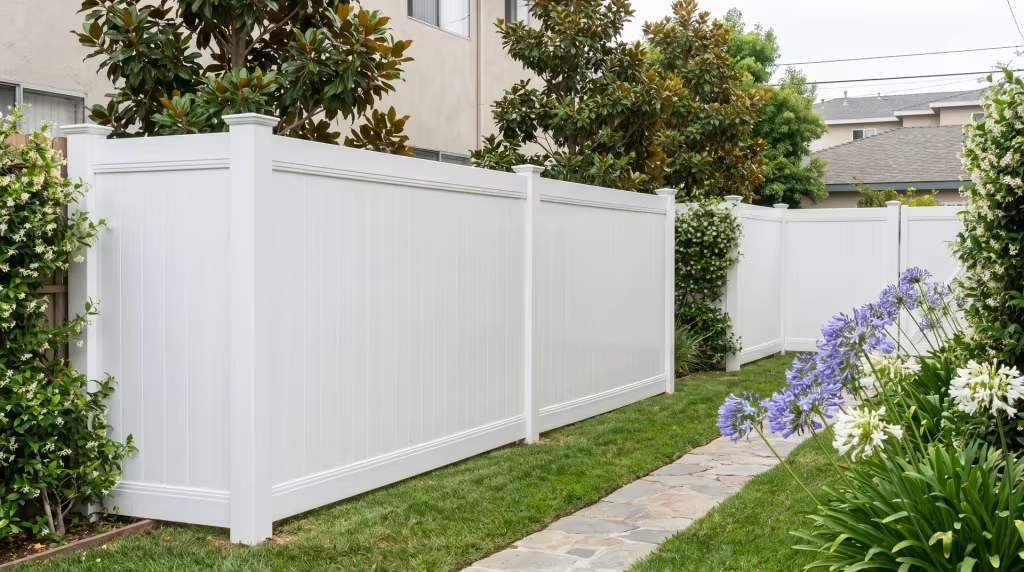
White
Call Now: (844) 744-0707
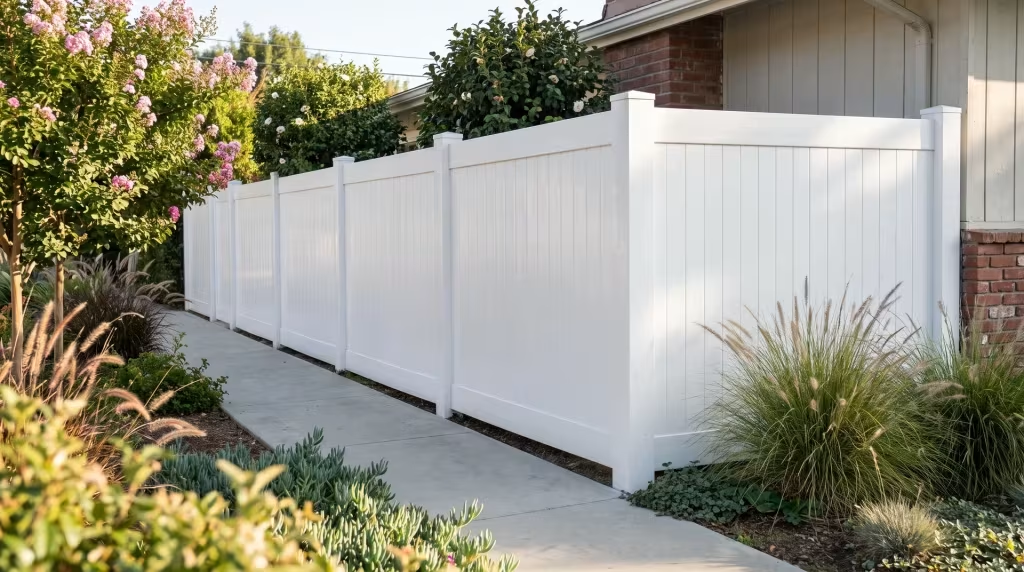
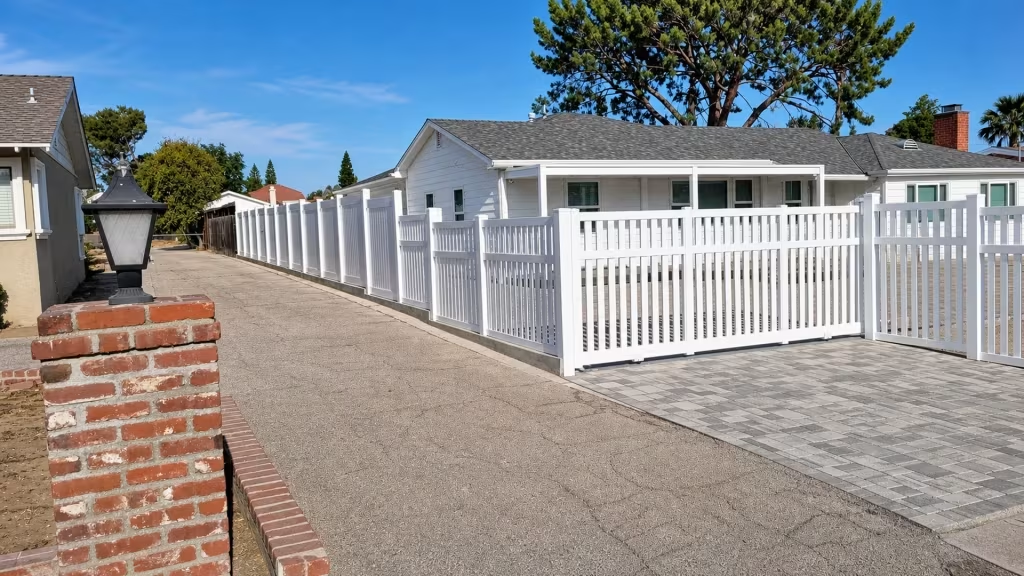
This is the classic upright white-picket look, timeless and welcoming on a traditional front yard. Pickets stop at the top rail and go no further. That is what closed-top means, and the spacing keeps the view open.
We measure your yard, fabricate the panels to that size and your color, and stand the finished run for you across Greater Los Angeles and the Bay Area. Pick the iconic white or a warmer classic tone, backed by a licensed crew with a 5.0 rating and 500-plus five-star reviews.
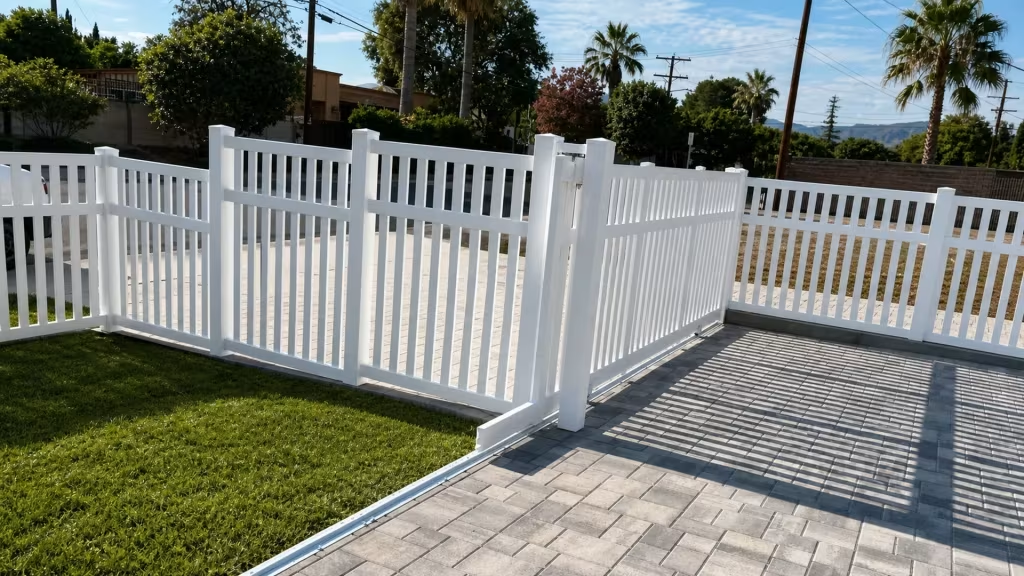
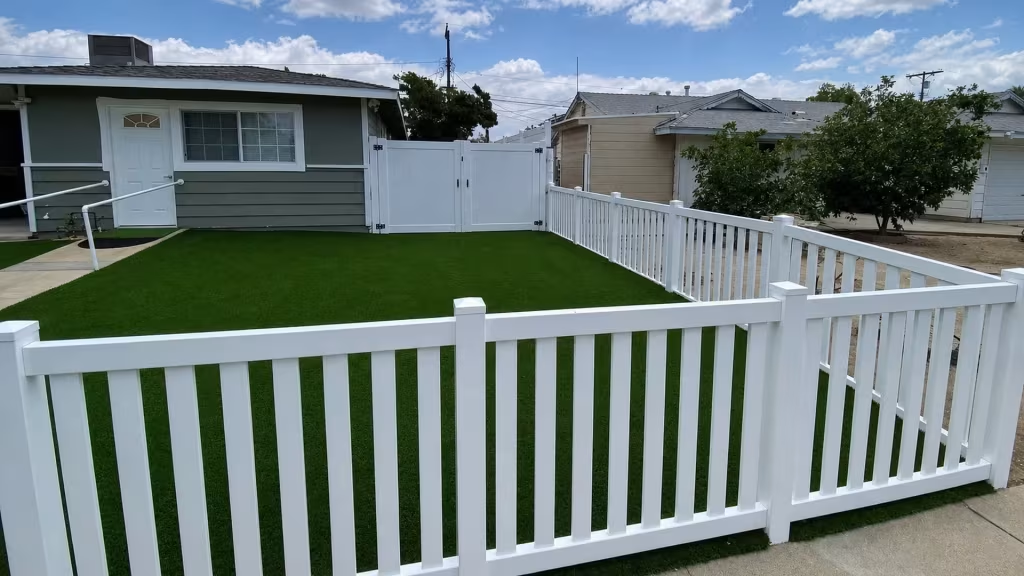
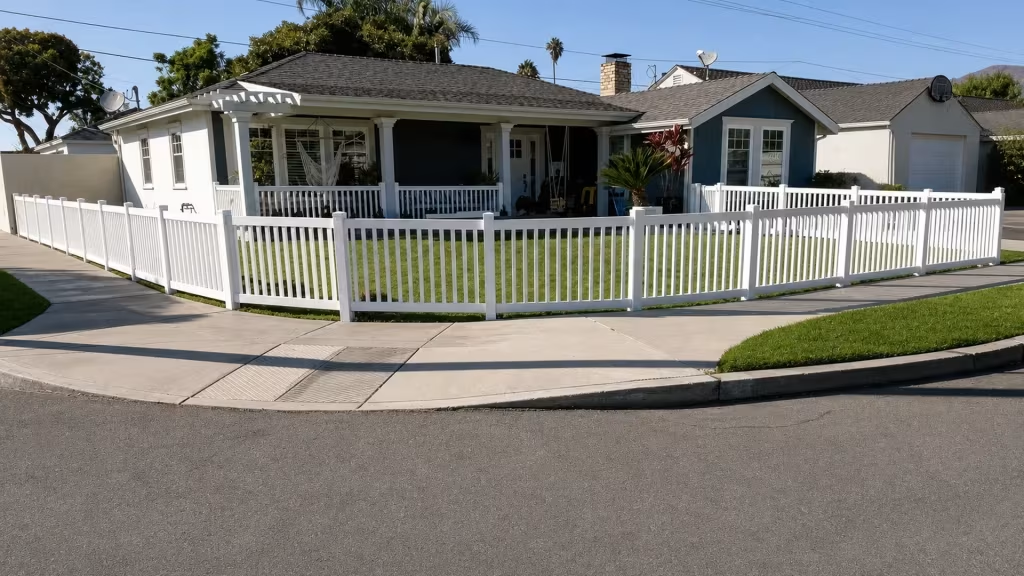
A vertical vinyl picket stands its boards upright on top and bottom rails, built and installed for the traditional front-yard look.
The classic side of the picket, settled: why upright is the timeless default, the iconic white and the tones beside it, how it differs from a shaped top, and where it honestly fits. Then a free estimate.
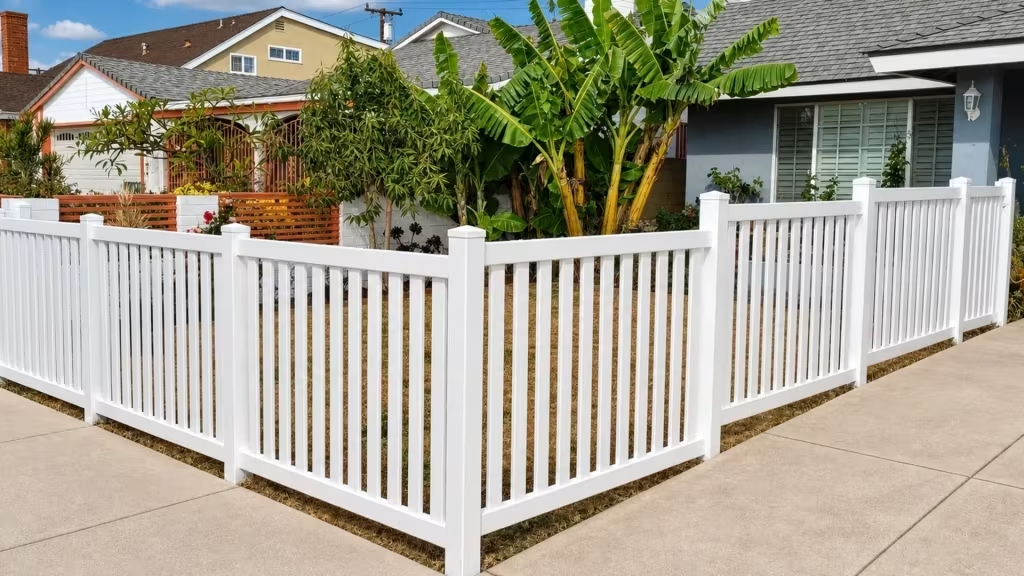
A vertical picket stands each board straight up on a top and bottom rail, and that upright row is the timeless white picket look everyone pictures. It reads classic because the orientation has fronted traditional homes for generations, so the eye takes it as heritage on sight.
Each picket measures 7/8 by 3 inches, and ten of them stand across a 69 inch section on 5 by 5 posts with 2 by 3.5 rails top and bottom; the taller 5 and 6 foot panels add a middle rail. Sizes span 2 to 6 feet.
Evenly spaced, the pickets draw a clean boundary and keep the view open behind them. The general picket basics, the spacing, and the front-yard height rule hold for vinyl picket fencing across the board. Closed-top just means no picket tops stick up above the run.
The pickets come up to the top rail and stop there; the rail closes off every one of them and leaves nothing to cap. On a straight picket the boards stand upright too, but they pass through the rail and carry on above it, so every exposed top takes a cap.


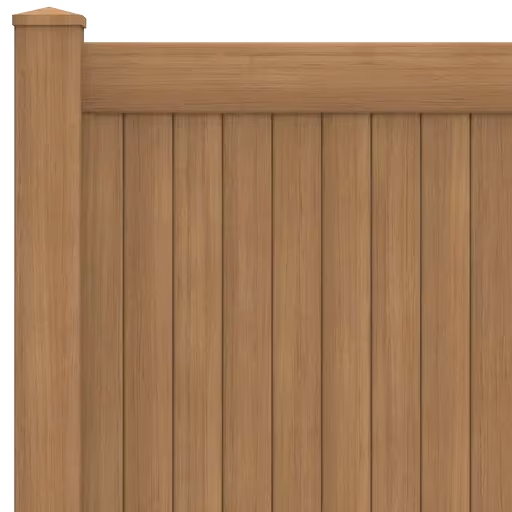
White is the deliberate heritage choice, the shade that signals classic at a glance and warms a traditional front. The same Westfield panel also carries the solids Tan and Clay for a softer look.
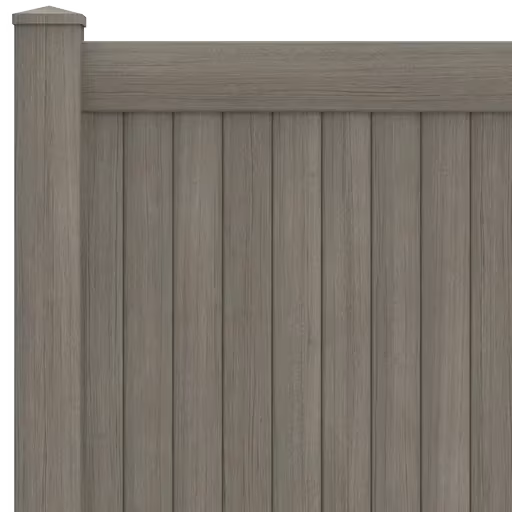
For the feel of timber, Dark Walnut in a smooth woodgrain and the TimberGrain blends, Arctic, Brazilian, Sierra, and Weathered, are on hand too, with Dark Walnut the deepest of them. The pigment runs the full thickness of the vinyl, so the finish lasts for decades and never wants paint; painting the surface would void the warranty.
Two separate things decide how a picket looks: which way the boards run, and the shape of the top edge. A classic picket settles the first of those, boards standing upright. Lay them flat and side to side and you get the horizontal picket, a lower and more modern line. The top is the second choice.
Dog-ear, arched, and scalloped are the through-rail styles: the pickets pass through the rail and stand above it, so every exposed top takes a cap. Only the line those tops draw separates them. The classic picket is the other family, closed at the rail. Pick the orientation first, then the top.
The classic upright picket suits the homes it grew up with: cottages, colonials, farmhouses, Cape Cods, and traditional front yards where curb appeal is the whole point. Its one honest limit is that openness. A spaced picket draws a line and lifts curb appeal while keeping the yard visible, so it will not screen a space, keep a small dog in, or meet California’s pool-barrier code.
One quiet upside of the upright build: each picket is short and carries its own weight, so the run holds straight on its own, and the tallest panels gain a middle rail for added support where the height calls for it.
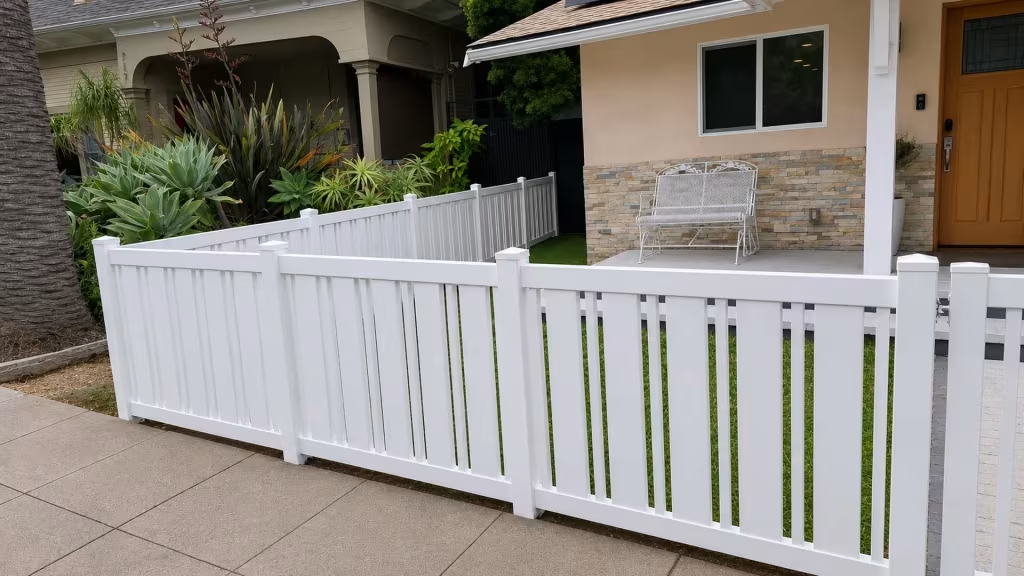
Most classic pickets sold online come as a flat kit to build yourself over a weekend. We do the opposite: measure your yard, cut the panels to fit, and stand the finished fence for you. That build-to-fit habit is why the odd heights and short runs other outfits turn down tend to land with us.
Every run comes with a matching gate in the same color and profile, whether single, double, or rolling; the frame is metal wrapped in vinyl, and gates stay manual, which you hear up front.
A front-yard fence has a legal height cap that varies by city, so verify yours with your local building department; we build to the legal height and lock it into your written quote.
The vinyl is protected by a transferable limited lifetime warranty, while our workmanship carries a separate 5-year warranty, and Synchrony financing runs at zero down with same-business-day estimates. When the classic look is what you want, a free on-site estimate is the quickest route to a real number.
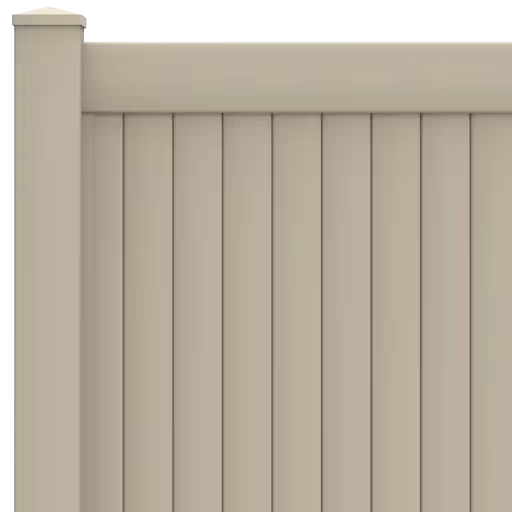
From the street a vertical picket reads by its uprights first and its color second, which is why so many of them go out in White. Two warmer solids sit beside it, and a timber look is there if you want the boards closer to wood. Every board carries its color through the material.
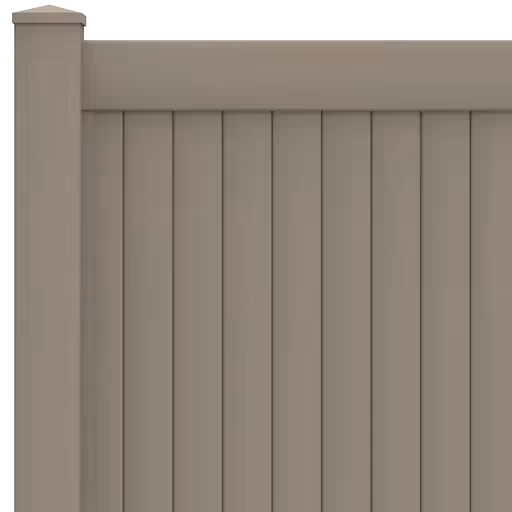
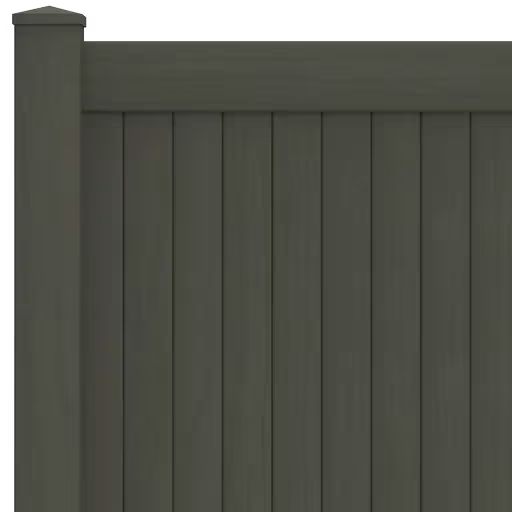
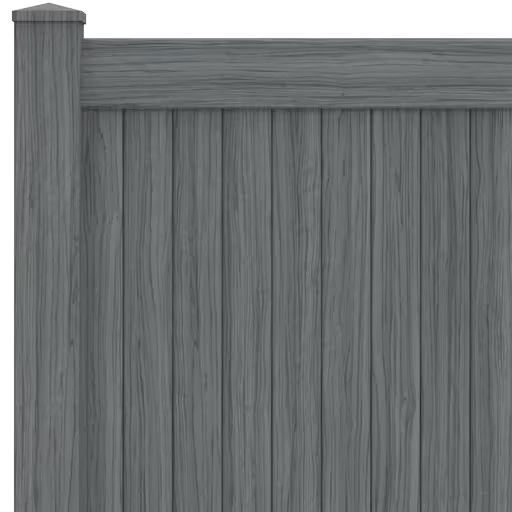
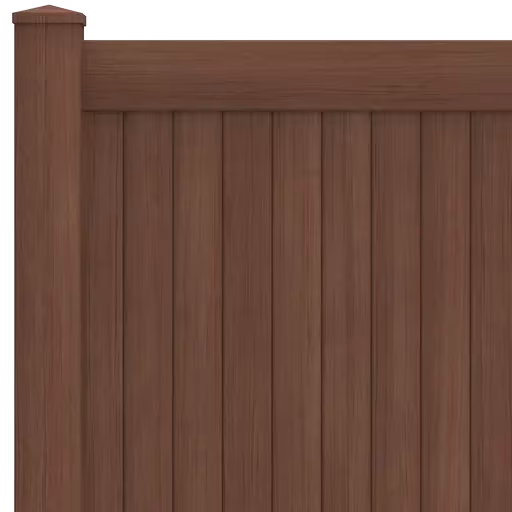
Uprights on rails is one way to fence a front yard. We build the solid screens behind the house, the toppers that add height to a block wall already standing, and the metal versions of all of it. Every run is cut to its own footage.
Arched picket tops climb to a gentle crown at the center of each section instead of running level.
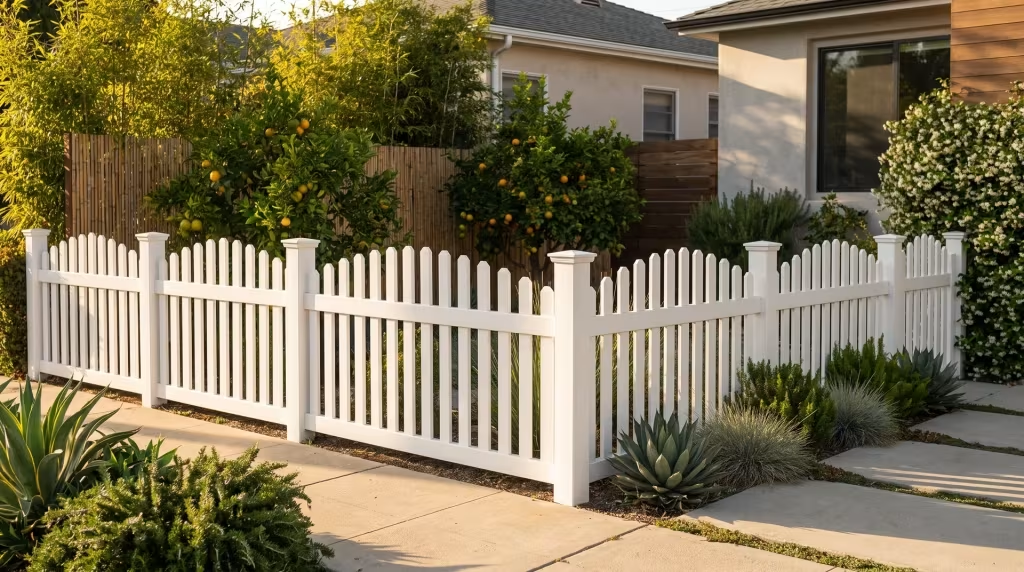
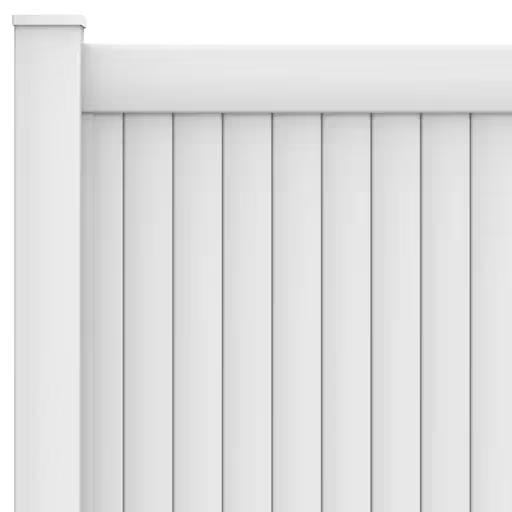
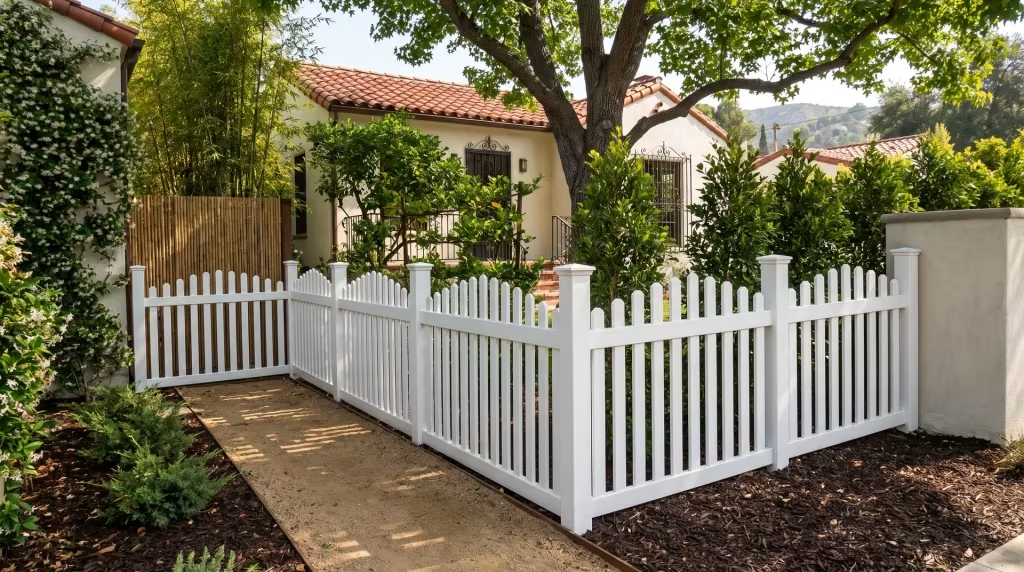
Closed-top pickets sit flush under a top rail for a finished, level line, with the gaps between boards left open.
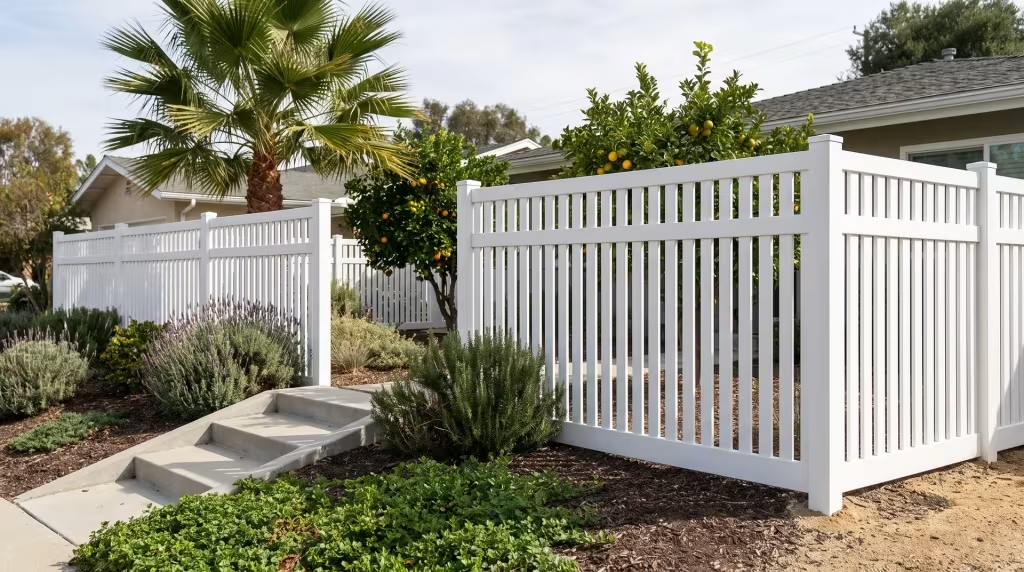
Dog-ear pickets run up through the top rail and stand exposed above it, each one wearing a molded cap.
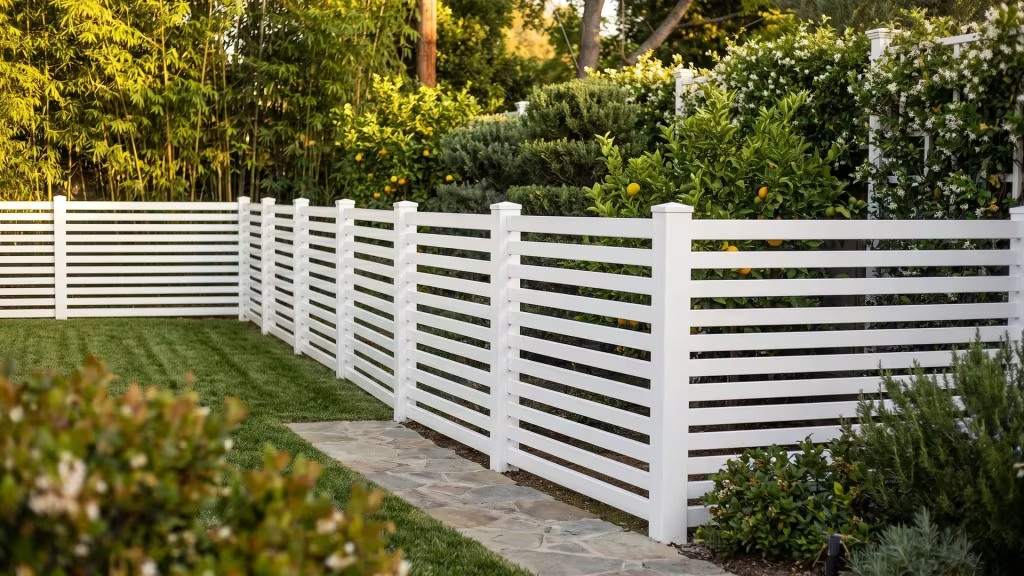
Horizontal pickets run flat boards side to side instead of standing upright, open enough for light and air to pass.
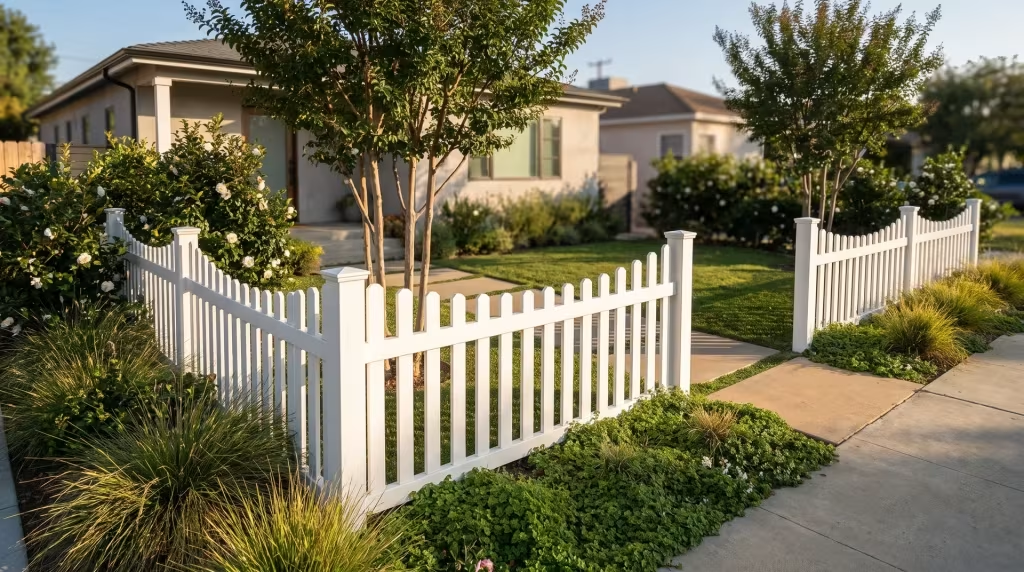
Scalloped picket tops dip into a soft scoop at the center of each section and rise back up at the posts.
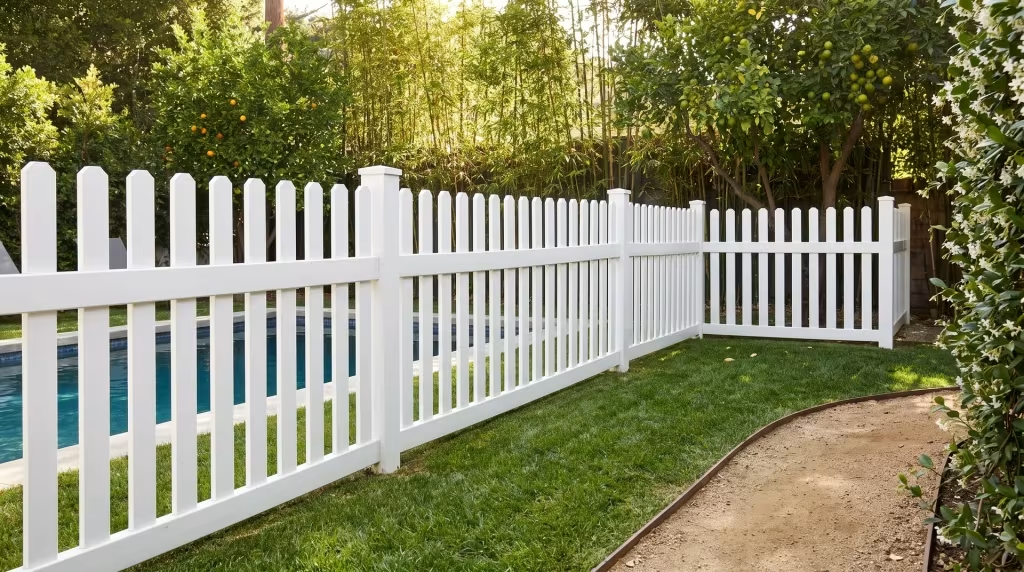
Straight picket tops hold level the whole way across the run, no dip at the center and no rise to a crown.
My husband and I hired pro vinyl fencing to do our backyard fencing, and we absolutely love it. The workers were hard-working and we couldn’t have asked for a better crew to do it. The fencing is gorgeous and I would definitely hire them to do future work.
they left my place clean. They were courteous and amazing.

Pro Vinyl is the best in the business. We needed vinyl raining for our backyard so we called Pro Vinyl and it was a great experience from the beginning to the end. Professional service and installation.
I highly recommend them and we will use Pro Vinyls services in the future.

David at Pro Vinyl Fencing did an excellent job installing our Vinyl gate. Took the time to make sure everything was level and lined up. Thank you Jasmine for all your help and attention to making sure everything was what we expected! My wife and I highly recommend Pro Vinyl Fencing.

Working with Nairi on our project was very professional. We were quoted a price and impressed by the cost, which was lower than our other bids. It was a 2 day project and was completed as promised. I would highly recommend using this company, they are very courteous and based on customer satisfaction!

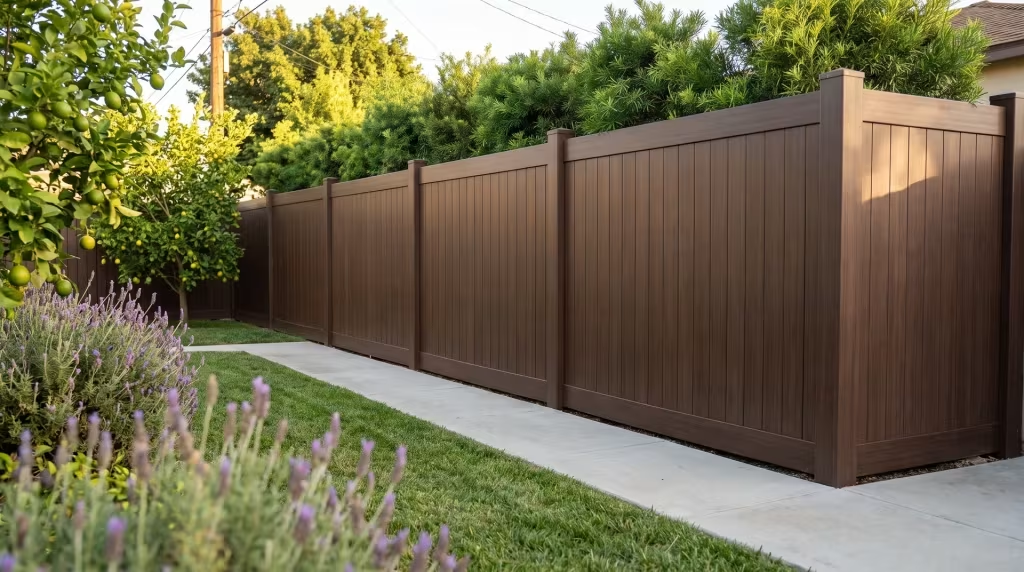
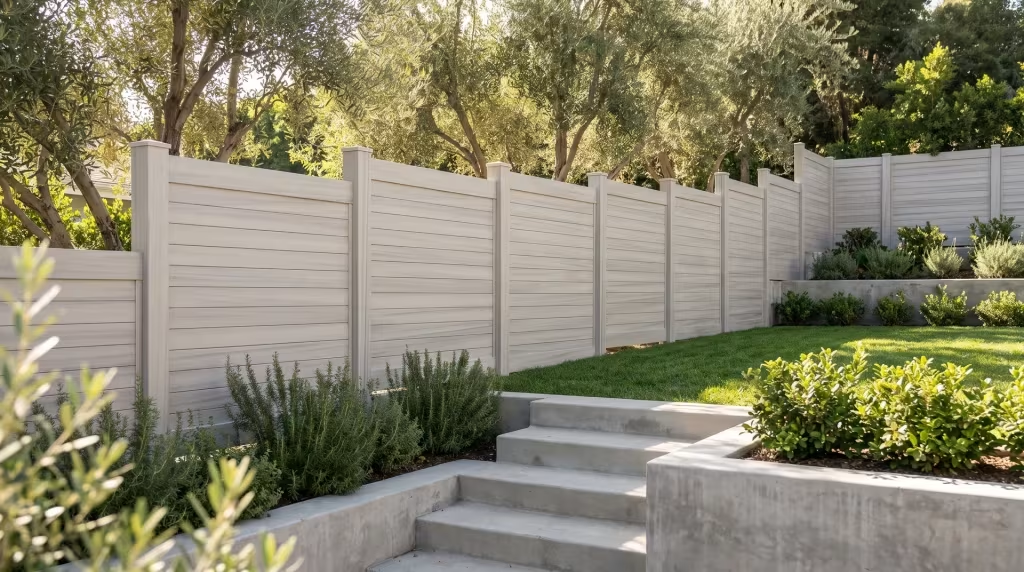
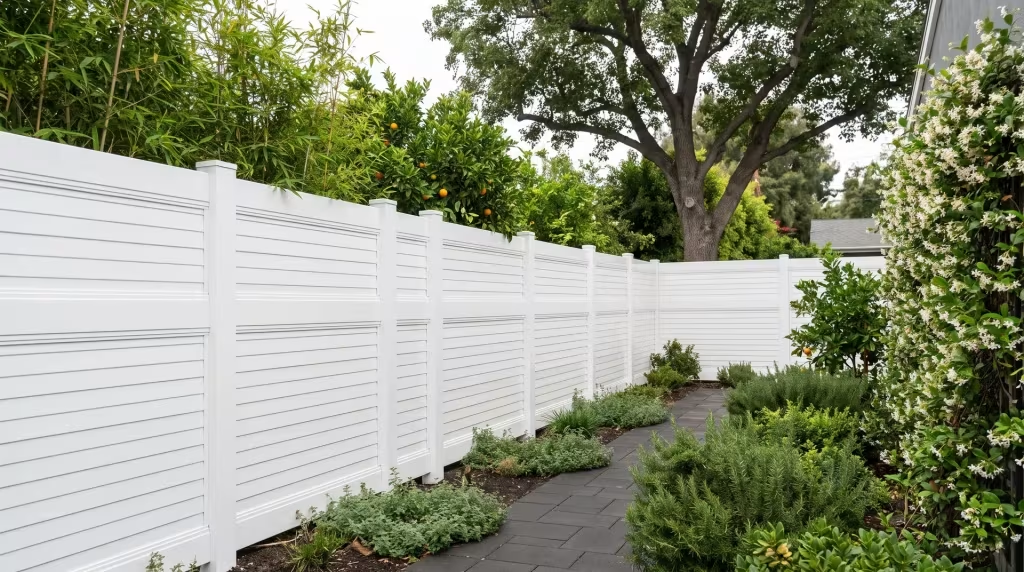
Every fence in these photos is a classic vertical picket a family in one of our service areas asked us to build. Notice how the upright lines carry front to back, the way each run sits under its city’s height cap, and where white gives way to warmer tones down the row.
Across Greater Los Angeles and Ventura County, a classic picket almost always fronts the house, where curb appeal counts most and the height cap steers the design. The cap varies by city, so verify yours with your local building department, and we set that height in the contract before work begins.
Bay Area owners work with the same fabrication shop and install crew, and the classic picket goes up true to its line. Local caps are written city by city, with San Jose, Oakland, San Francisco, and Fremont each drawing the line differently, so verify yours with your local building department.
You settle the classic look, the color, the height, and the price on site, before anyone breaks ground. Everything lands in the contract, so no new line item shows up after you sign, and the crew keeps you posted at each stage of the build.
Four clear steps below, and the same faces you meet at the estimate are the ones who hang the final gate.
A salesperson walks the yard with you, pins down the classic look, height, and color, and hands over a real number.
It all lands on paper first: run length, height, color, gates, and old-fence removal, each with its own price.
Posts get set in concrete, the upright panels and matching gate rise true, and we clear the site before heading out.
Our labor gets a 5-year workmanship warranty and the vinyl a transferable limited lifetime warranty, plus simple care.
Guides on front-yard heights, keeping white vinyl bright, and building curb appeal, straight from the crew.
Picket-top fencing closes the gap between an open yard and one that actually feels private.
Fences blog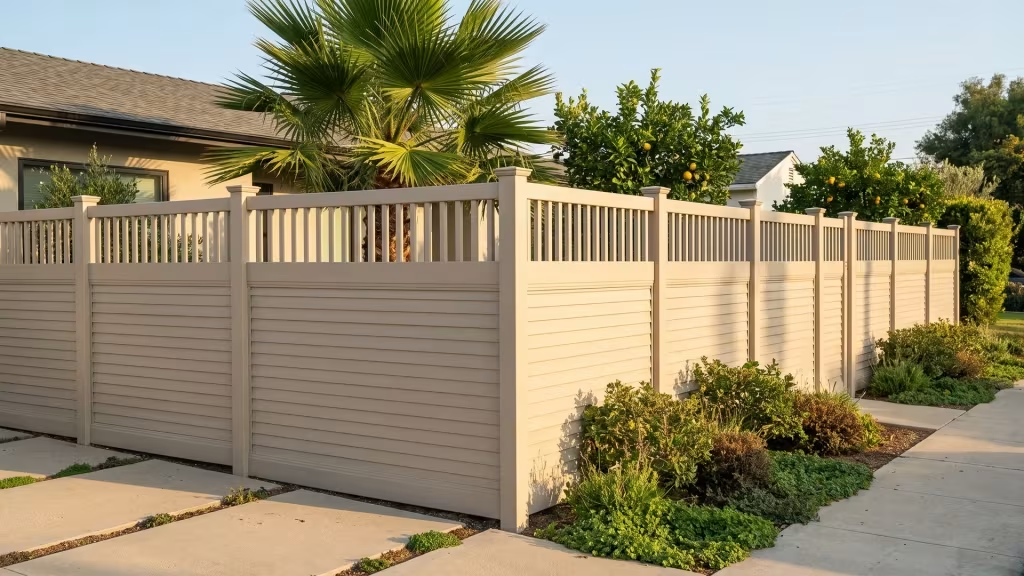
The classic picket questions buyers ask us
These are the questions that settle a classic picket: the white heritage look, which homes it suits, upright or a shaped top, staying straight over the years, the colors beyond white, and whether a custom build beats a kit. If yours is missing, the team that would build yours is a phone call away.
Ready to price yours?
Book a free on-site visit and we will price the classic picket with you.
The upright picket has fronted traditional homes for generations, so the eye reads it as heritage on sight, and white is the color most tied to that memory.
Choosing white on a vertical picket is a deliberate curb-appeal move that gives a cottage, colonial, or farmhouse front its timeless warmth.
It looks at home on the traditional styles it grew up beside: cottages, colonials, farmhouses, Cape Cods, and any classic front yard where curb appeal is the goal.
The upright line and even spacing echo the architecture and lift its character, which is why it suits heritage and traditional fronts.
Dog-ear, arched, and scalloped are the through-rail styles: the pickets pass above the rail, every exposed top takes a cap, and they differ only in the line those tops draw, level, convex, or concave.
The classic vertical picket is the other family, closed at the rail. Four tops, one upright board.
Yes. Each upright picket is short and carries only its own weight, so there is no long board stretched between posts to bow, and the row keeps its line naturally.
On the taller 5 and 6 foot panels a middle rail steadies the run where the height calls for it, which keeps it crisp for years.
Plenty. Alongside White there are the solids Tan and Clay, then Dark Walnut in a smooth woodgrain and the TimberGrain blends, Arctic, Brazilian, Sierra, and Weathered.
Each shade runs through the vinyl, so paint never comes up, and a custom color is possible on a build. The deepest is Dark Walnut.
A custom build is measured and cut to your yard, installed by our crew, and available in odd heights and short runs others skip.
Price rides on run length, height, color, gate count, how the ground slopes, and any old fence to pull, so we quote it firm on site, free, with Synchrony zero-down.