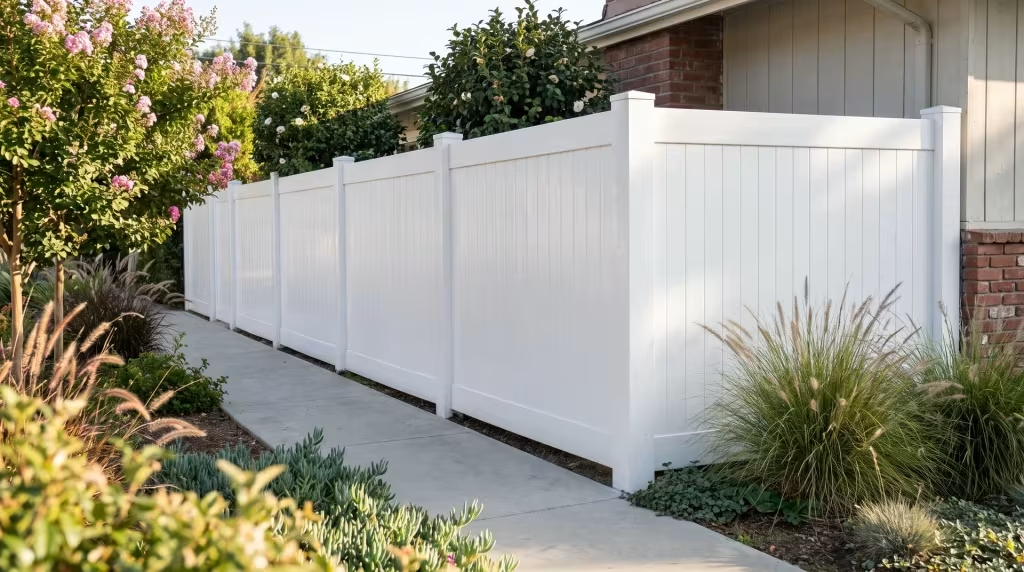
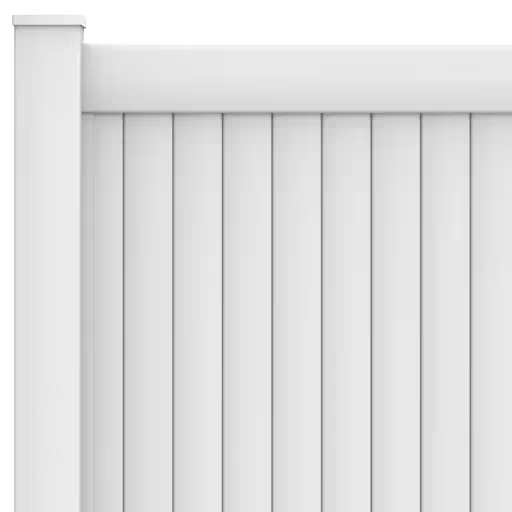
White
Call Now: (844) 744-0707
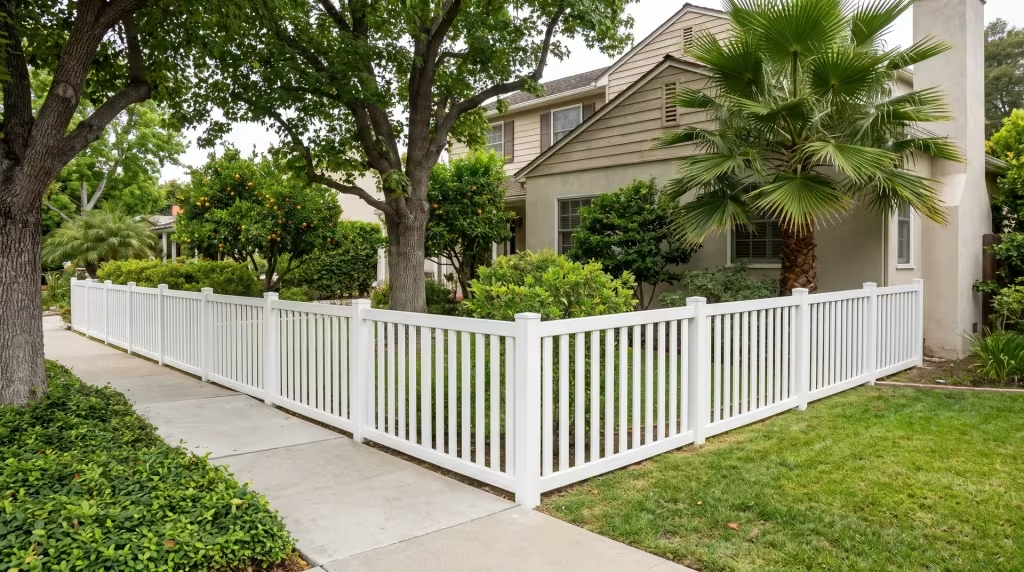
A closed-top picket gives your yard a finished, level top line: its picket tops are closed off by a top rail instead of ending in exposed points, while the gaps between the boards stay open the way a picket should.
We fabricate that closed top to your size and color in our own shop, then our licensed crew installs the finished run and hangs the matching gate. It comes with a 5.0 rating, 500+ five-star reviews, a transferable limited lifetime warranty, and a free same-business-day estimate.
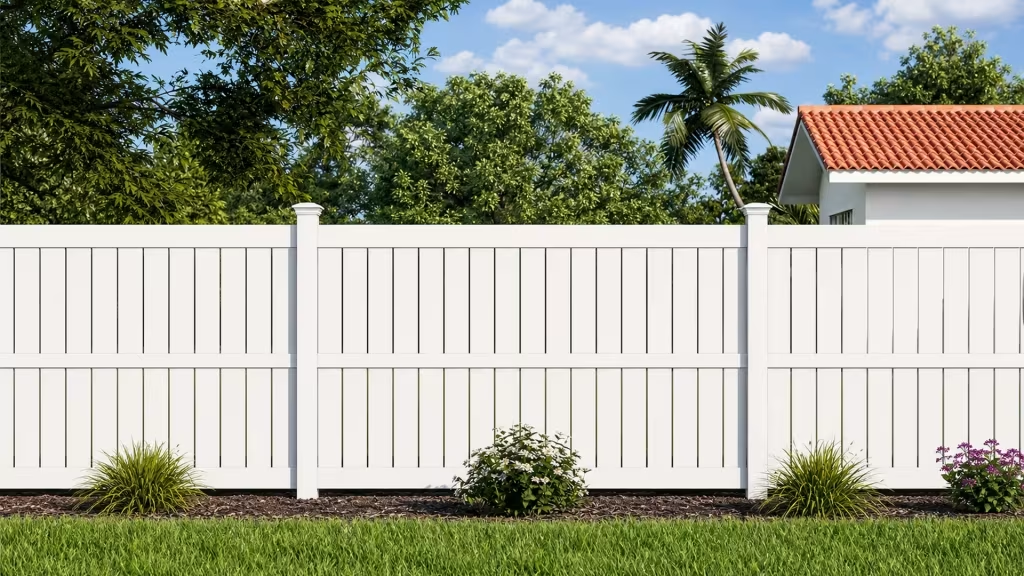
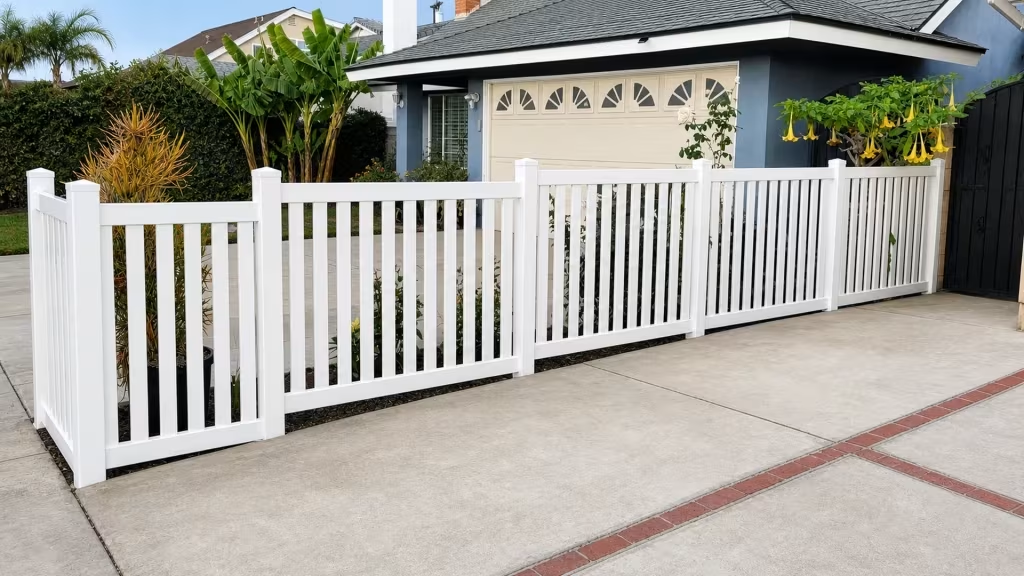
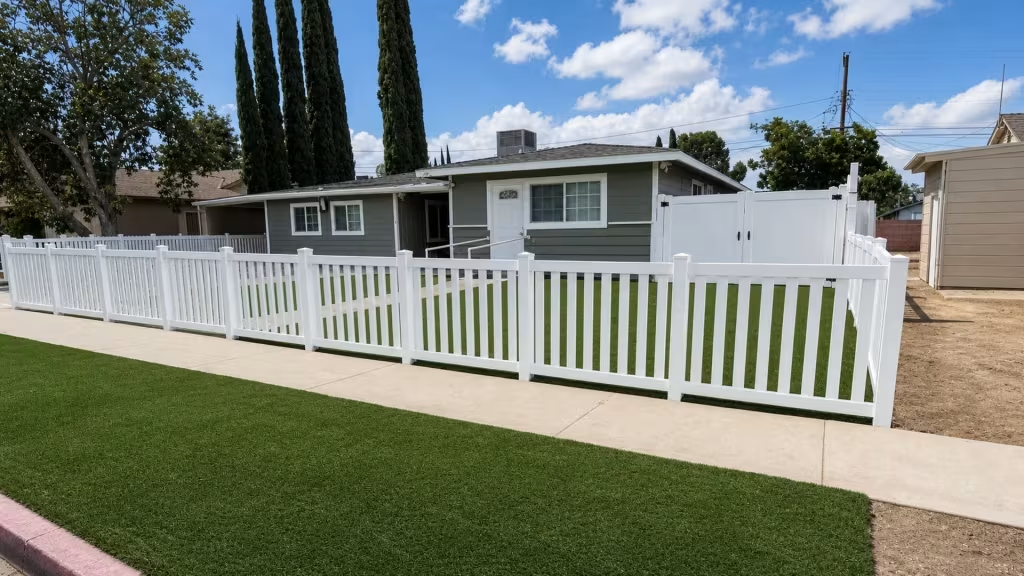
A closed-top picket caps the picket tops under a top rail for a level, finished line, and it is still a spaced, decorative picket.
The top of the fence is the whole decision: what a closed top actually means, why people pick it, how it reads against an open or shaped top, and how we fabricate and install it. The wider picket basics sit with vinyl picket fencing itself.
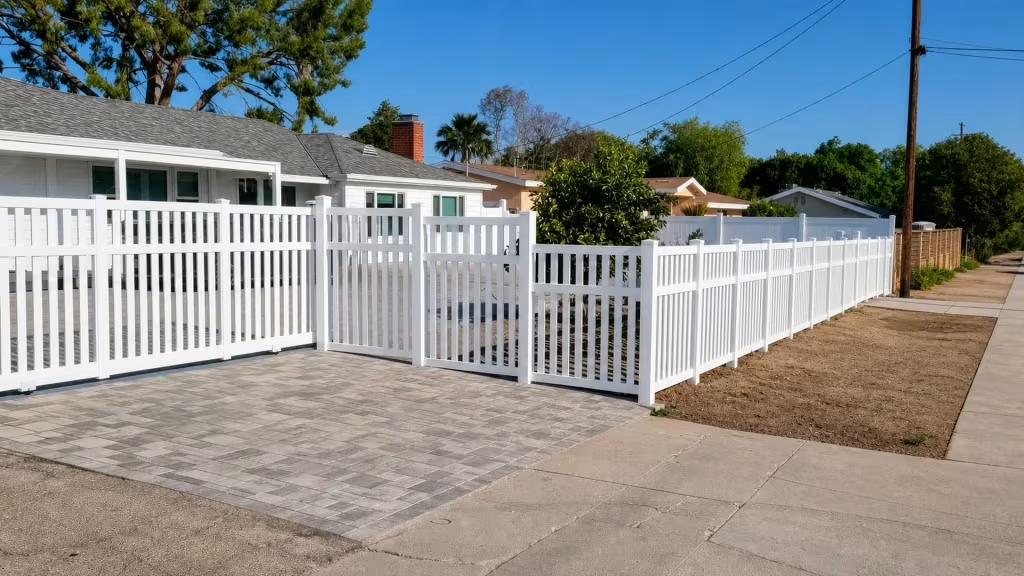
A closed-top picket fence has its picket tops closed off by a top rail: the pickets sit flush under the rail instead of poking through it as pointed tips, so the run finishes in a clean, level top line. That rail runs across every picket and caps it, which is what an open top leaves off, letting the tips rise above the rail.
Closed refers to that top edge alone. The gap between pickets stays the normal decorative 2.5 to 3 inches, so a closed top never pulls the boards tighter. The general rundown belongs to vinyl picket fencing as a whole.


A closed top gives your fence a finished, contemporary line with no exposed points, and it removes the open slot above the rail, so the top edge reads cleaner and is a little harder to reach over. For most homeowners the look is the first draw. A level rail across the tops settles the run into a crisp, modern edge, where modern describes the finished top line the closed rail draws.
The cleaner edge is the practical half: with no pointed tips and no gap above the rail, there is usually less to grab at the top. Still, it is a spaced decorative picket, so the closed top tidies that edge and stops there, no privacy screen and no pool barrier.
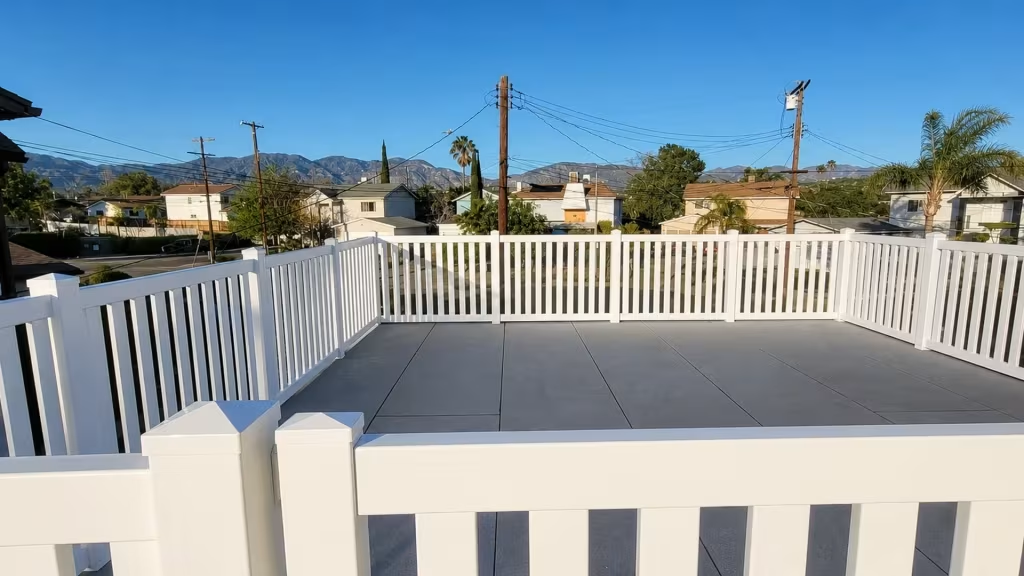
The top is the real decision. A closed top caps the pickets flush under the rail for a level, finished line, open tops let the picket tips rise above the rail, and scalloped or arched tops curve the whole run line.
| Top style | How the top finishes | Open or closed |
|---|---|---|
| Closed top | Capped flush by the top rail | Closed |
| Dog-ear | Clipped tips rise above the rail | Open |
| Straight | Square tips rise above the rail | Open |
| Scalloped | Tops dip to a low center | Open |
| Arched | Tops climb to a center crown | Open |
A closed top keeps the line level under the rail. Dog-ear and straight tops are open instead, the tips clipped or squared where they stand proud of the rail. Scalloped and arched leave the tops alone and shape the run line instead, one dipping low and one rising to a crown. Orientation is a separate call: a closed top sits just as well on upright vertical pickets as it does on side-to-side horizontal boards.
Even with the top closed, this is an open, spaced picket. The gaps between the boards stay put, so it is not a privacy fence and not a pool barrier. Closing the top changes the top edge, so everything the open gaps decide stays the same: a defined boundary and the view carrying through, but no screening, so it will not hide a yard or hold a small pet.
It also stands under California’s 60 inch pool-barrier minimum and keeps climbable rails, so it is not a pool fence, and those code limits hold across every vinyl picket fence we build. City code also sets a ceiling on front-yard fence height, a figure that changes city to city across both our Los Angeles and Bay Area markets, so it is worth verifying your local limit with the city’s building department.
We fabricate the closed-top picket to your exact heights and runs, install it, and build a matching gate. Because the panels are made in our own shop, we take on the odd heights and small runs many shops decline. Closed-top flat pickets stand 2 to 6 feet, with custom sizing on request, and where a run needs backbone a metal insert seats inside the rail on the runs that need it, not every one.
The matching gate carries the same color and height on a vinyl-clad metal frame, single, double, or rolling, and stays hand-operated. Posts go into concrete, the vinyl carries a transferable limited lifetime warranty and our workmanship a separate 5-year warranty, and Synchrony financing runs at zero down. Estimates come back the same business day.
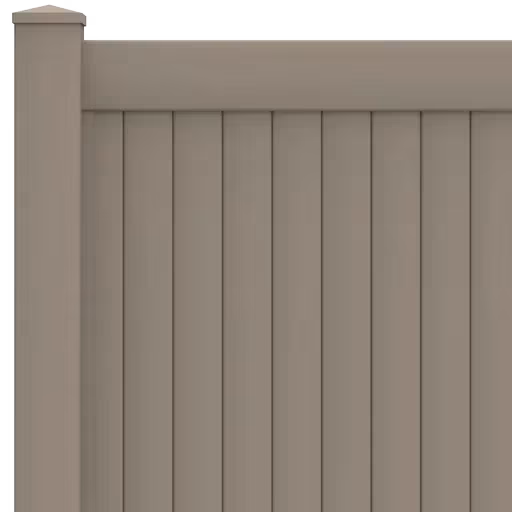
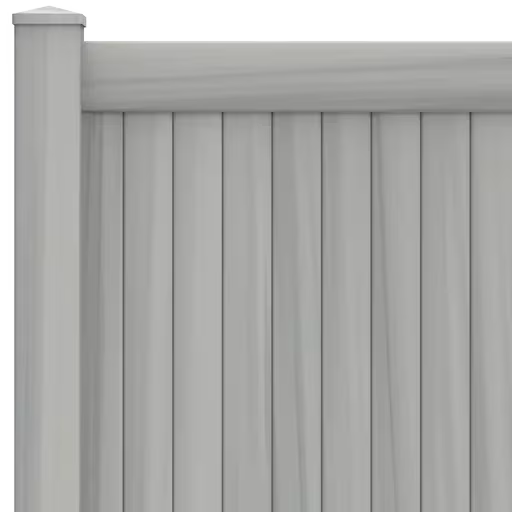
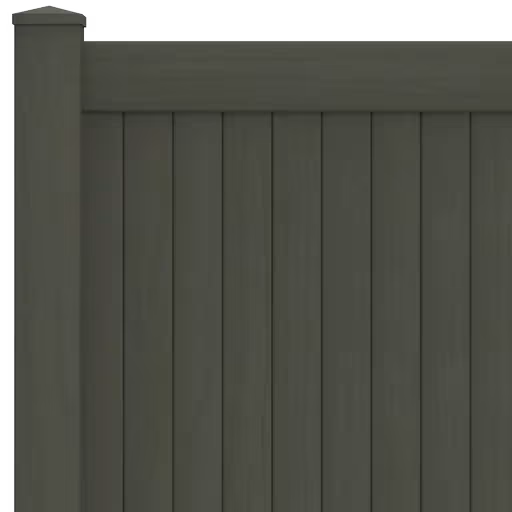
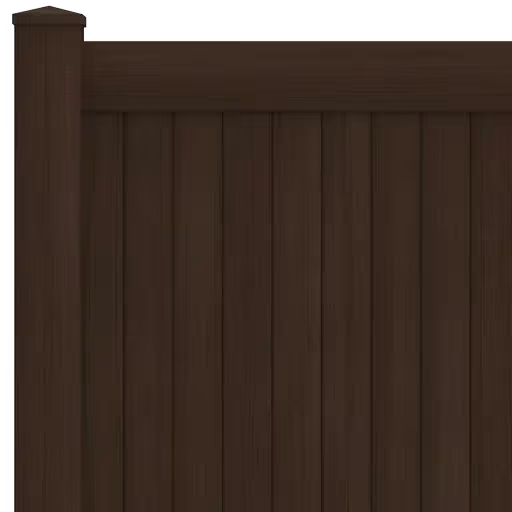
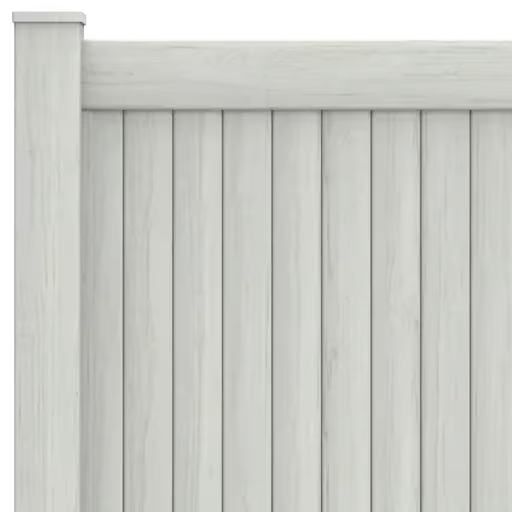
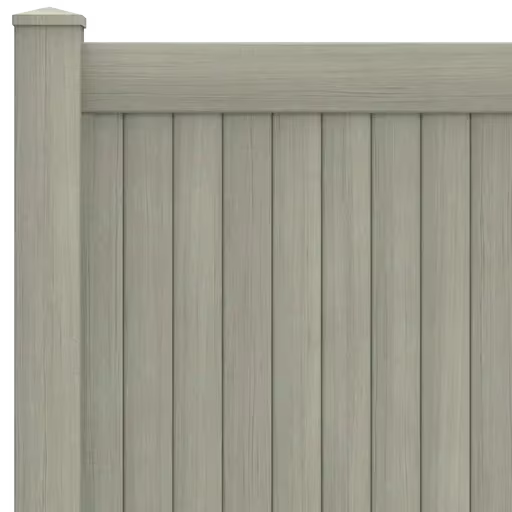
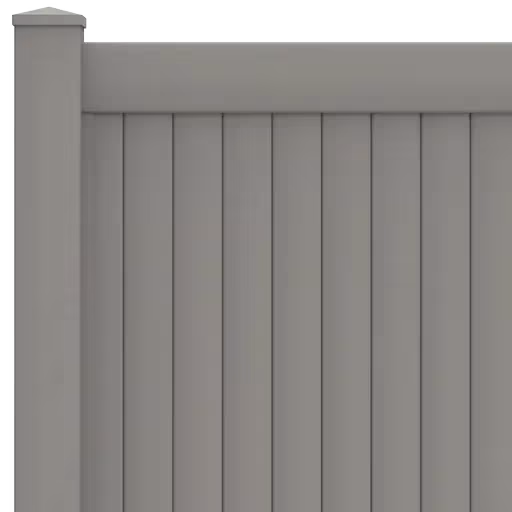
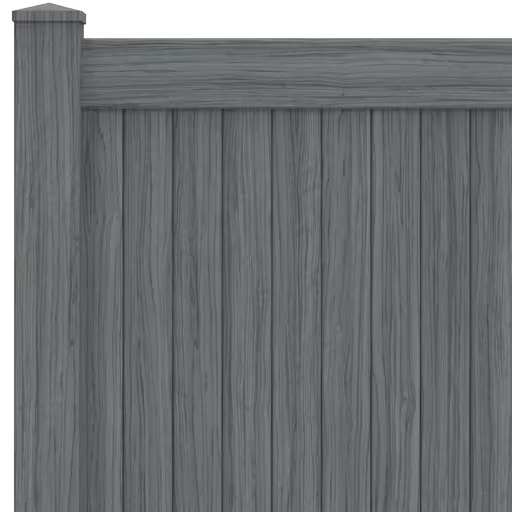
Capping the tops under a rail leaves no cut end in view, so the eye follows one straight line across the run. Color hangs off that line. This is a flat-picket panel, which means the grained faces are open to you here and not only the plain tones. Compare both against your rail.
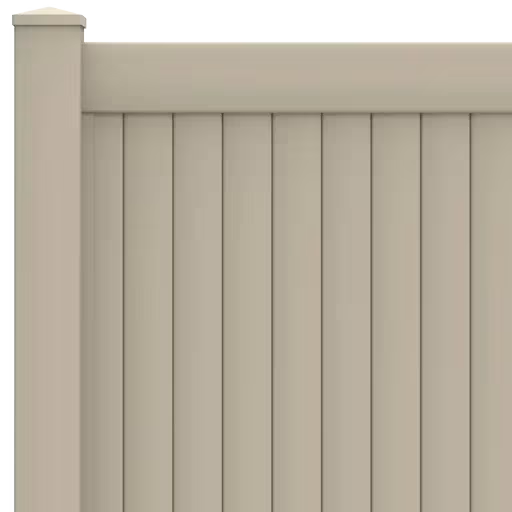
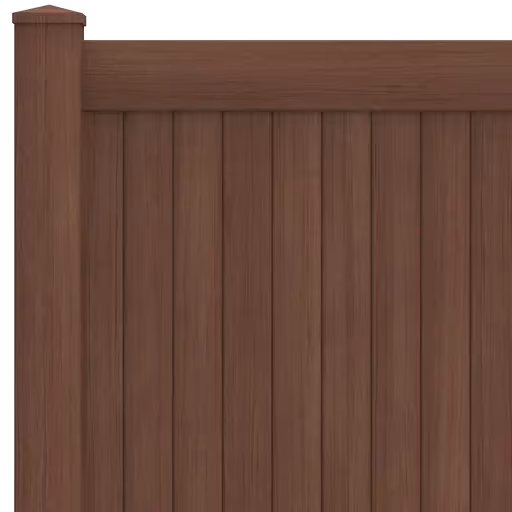
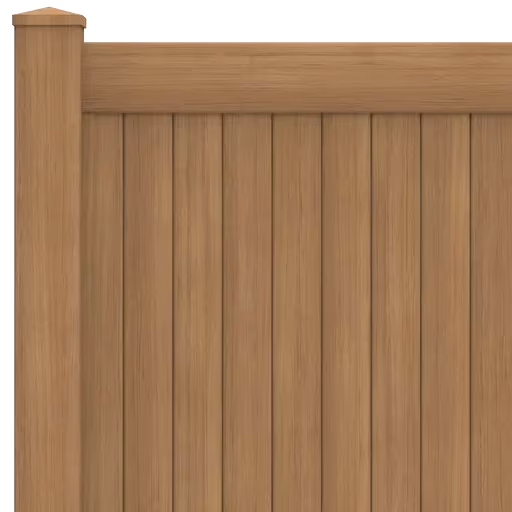
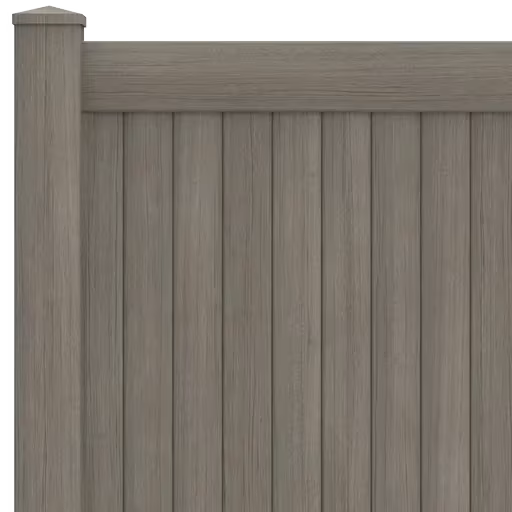
A finished top line only holds if the gate sitting in it matches. We build leaves in the same style and the same tone as the run, hinge them, and set the posts they hang from. That goes for vinyl and for aluminum.
Arched picket tops climb to a gentle crown at the center of each section instead of running level.
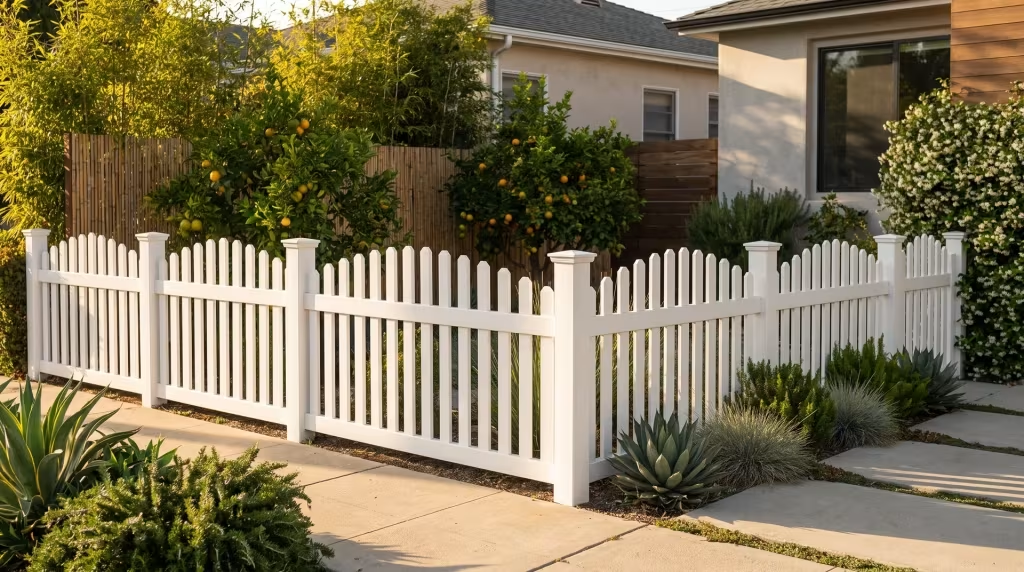
Dog-ear pickets run up through the top rail and stand exposed above it, each one wearing a molded cap.
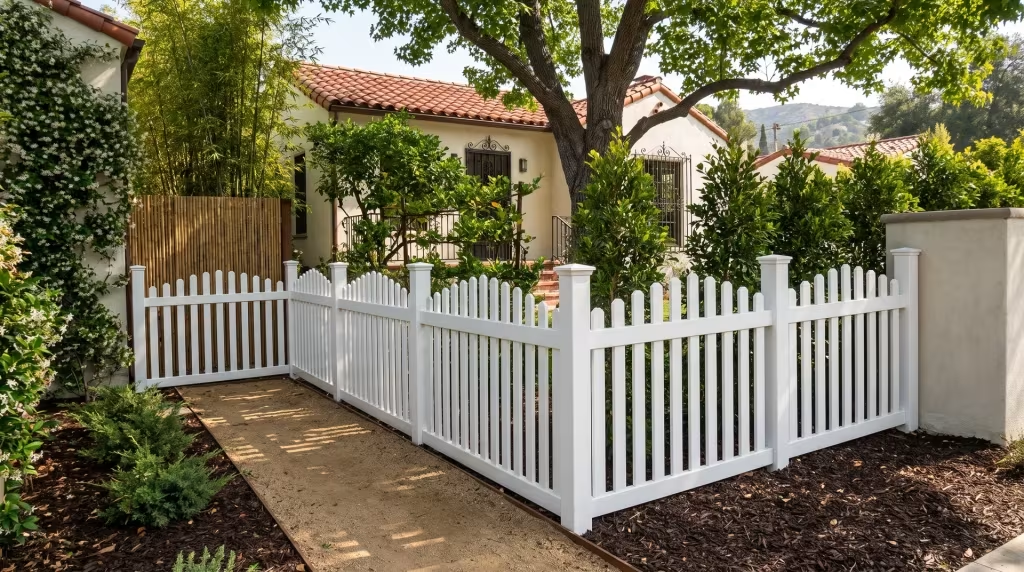
Horizontal pickets run flat boards side to side instead of standing upright, open enough for light and air to pass.
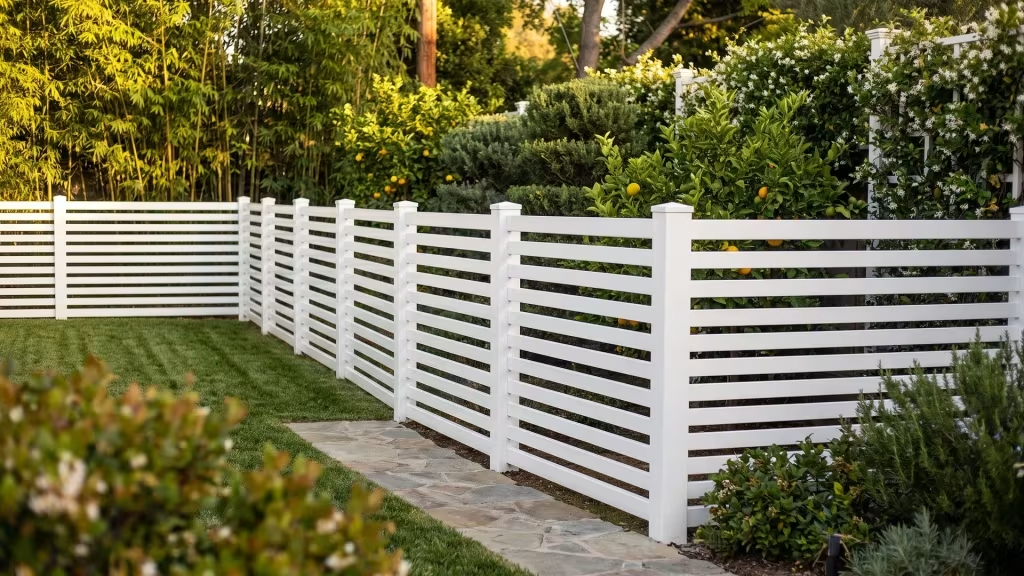
Scalloped picket tops dip into a soft scoop at the center of each section and rise back up at the posts.
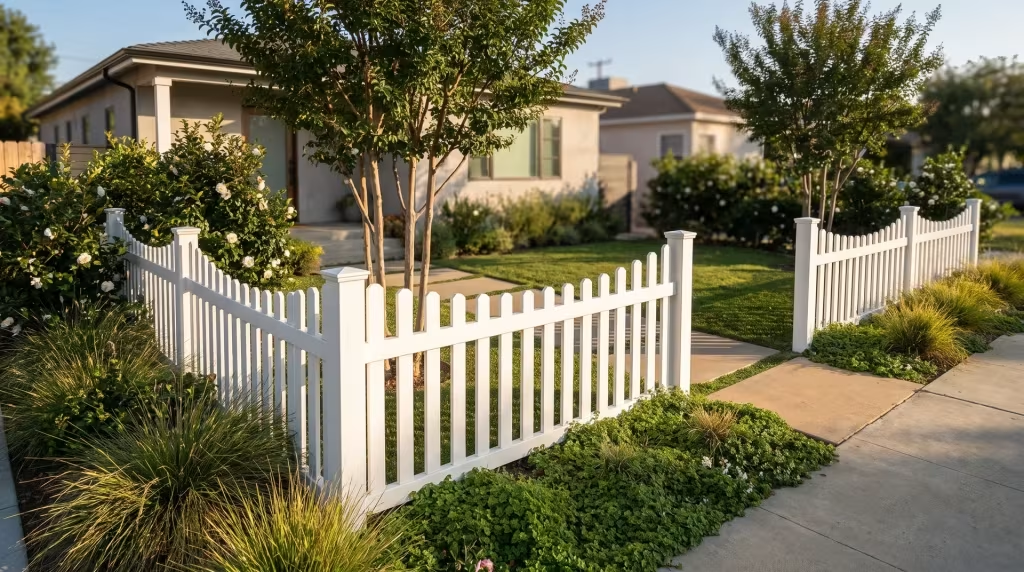
Straight picket tops hold level the whole way across the run, no dip at the center and no rise to a crown.
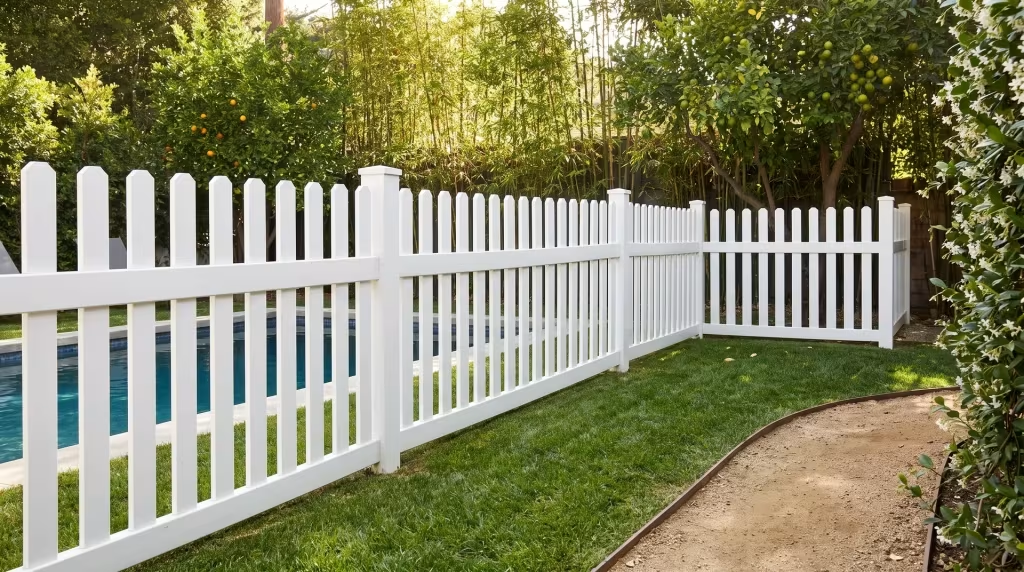
Pickets stand upright and stop clean at the top rail, the closed-top spacing behind the classic white-picket look.
I am so glad I hired Giorgi at Pro Vinyl Fencing for the installation of my vinyl fencing, gates, and patio cover. They showed up on time, worked professionally, paid attention to all details and cleaned up after they were done.
Giorgi was very punctual at returning calls and very easy to work with. I highly recommend him and his staff.

Igor & Ruslan were incredible! We interviewed a bunch of other companies and we are absolutely thrilled we chose them. The work was done with precision and the fence looks better than I could have imagined. They were super collaborative and helpful and very kind. Would 100% recommend them to anyone.

David , Chris , Jasmine and the team are awesome. Low pressure, very competitive pricing,great to work with . I choose this group a year ago and called them back for additional fencing. Three neighbors have now used their services completely satisfied!

I googled a company for vinyl fencing. This company came up. They were responsive, out the next day, excellent pricing and ready to install in a matter of days. The instal was professional and clean, very easy company to work with. I would highly recommend contacting Nair, he will take care of you from beginning to end!!

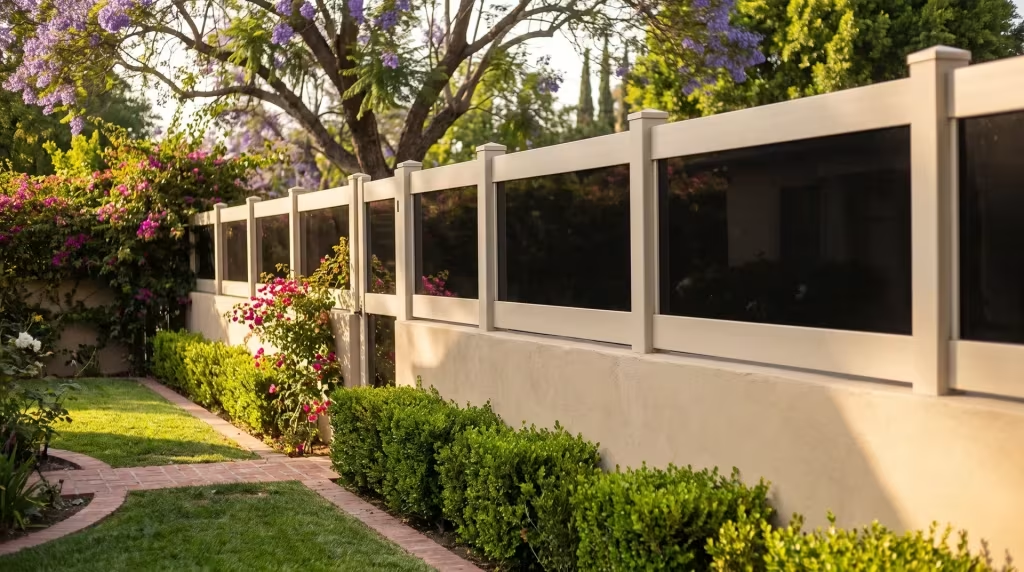
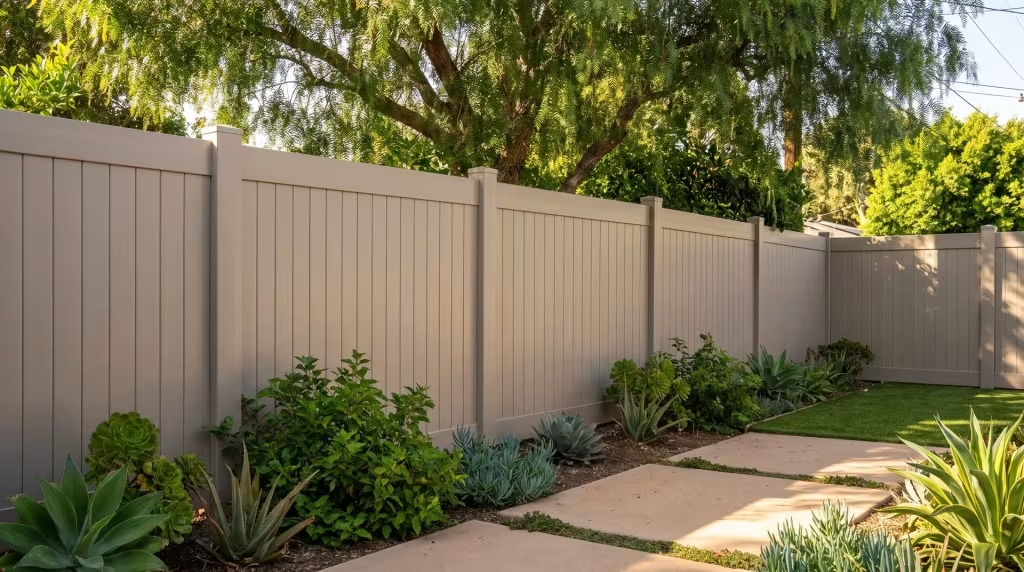
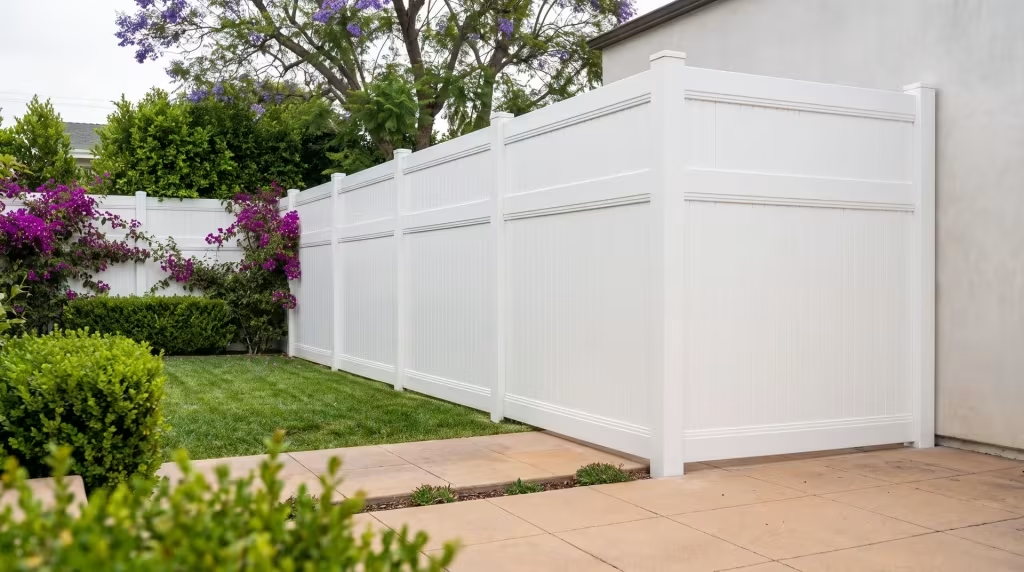
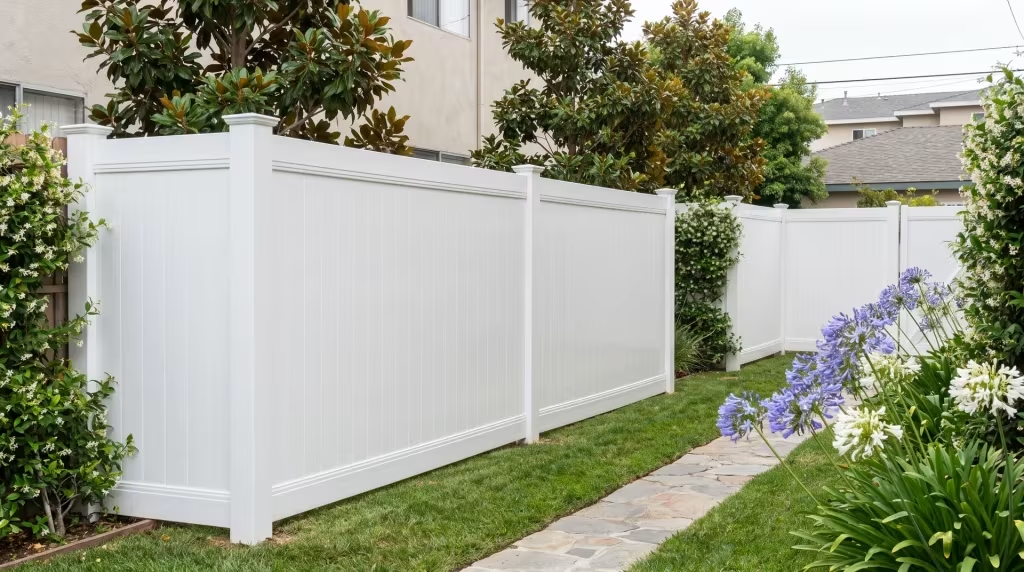
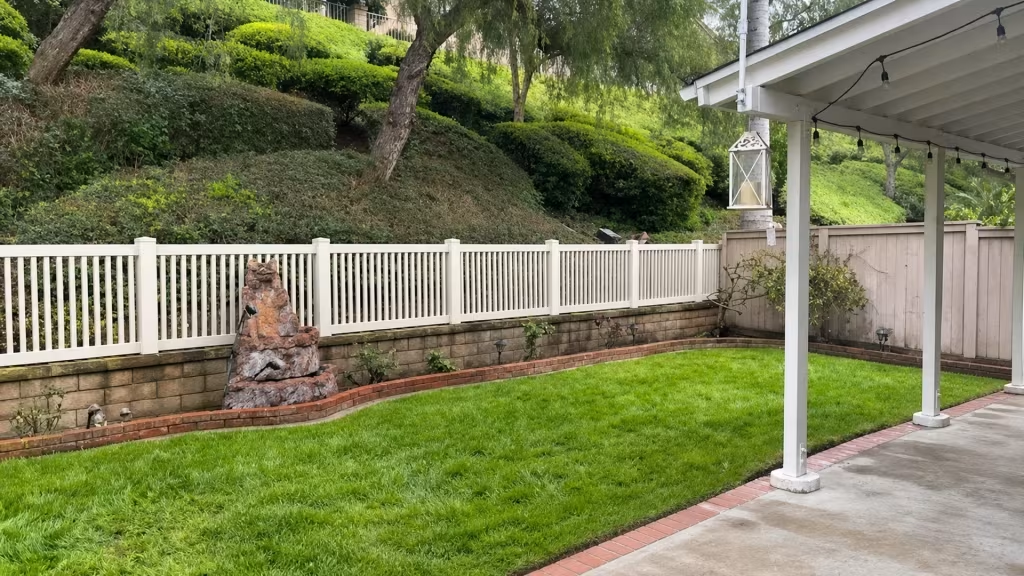
Each photo is a finished closed-top picket from a real job in our service areas. Look along the top edge, where the rail pulls the pickets into a single level line and no points break it. That flush top is the detail people usually notice first, and the reason this style reads so clean.
A closed-top picket usually sits out front across Greater Los Angeles and Ventura County, so the front-yard height cap sets the design first. That cap shifts by city, so we lock the height into your written quote, with the local limit worth confirming. The estimate is free, same business day.
In the San Francisco Bay Area, our shop cuts the panels and our crew caps the run to a level line. Front-yard limits here are set locally, city by city, so the height your street allows is worth verifying with the city up front. Book the free estimate and we price the run the same business day.
It starts with an on-site visit, and the first thing we settle is the top: closed or open, and which way the boards run. From there we lock the height, color, and price in writing before anyone digs, so the number you sign is the number you pay.
Four steps below, and the same crew that measures your yard is the one that caps the run and hangs the final gate.
A salesperson measures each run on site, and settles the top, height, and color with you, free of charge.
A written quote spells out the run, height, color, gates, and any teardown, each line its own price, financing on hand.
We cut the panels to size, set the posts in concrete, cap the pickets under the top rail, and hang the matching gate.
The vinyl gets a transferable limited lifetime warranty, our labor a 5-year warranty, plus we stay reachable after.
Quick reads on picking a picket top, holding a capped line straight, and washing white vinyl clean.
Daily wear on a driveway gate outpaces the rest of the fence line, which is where vinyl’s upkeep edge matters most.
Fences blog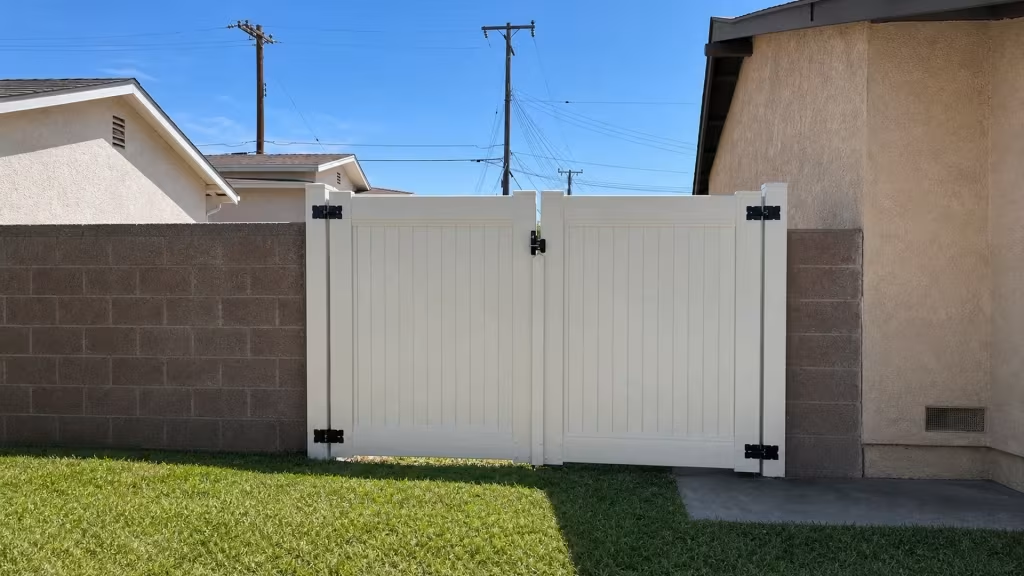
Closed-top picket fence questions, answered
A few things decide a closed-top picket: what closed top means, whether it adds privacy, how it reads against other tops, whether closed changes the spacing, and the colors and heights on offer. Each gets a short answer below. Whatever isn’t here, ask when the salesperson comes out to measure.
Still weighing the top?
Tell us about your run and we'll price the closed top on a free visit.
It is a spaced picket whose tops are closed by a top rail running across them, so the boards end level under the rail with no exposed points.
The gaps between pickets stay open, so it stays an open, decorative boundary fence. The closed part is only the top edge.
Not really private. Capping the tops with a rail takes away the pointed tips and the slot that would sit above them, so the top edge is cleaner and usually a bit harder to grab.
The pickets below stay spaced, though, so it screens nothing, keeps no small pet in, and does not meet pool-barrier code.
It comes down to where the picket tops end. On a closed top they finish under a rail that runs across them, a level edge.
On an open top like dog-ear or straight, the tips stand above the rail. Scalloped and arched differ again, caps kept while the run line curves down or up. Four tops, four lines.
No, and it is a common mix-up. Closed describes the top of the fence, the capped rail, not the board spacing.
A closed-top picket keeps the normal decorative gap, about 2.5 to 3 inches, like an open-top one. Drawn tight to screen a yard, that is a semi-privacy or privacy panel we also build.
Closed tops sit on the flat-picket panels, so the color list runs longer than the shaped styles allow: the standard solids, Slate Gray included, and a woodgrain option, pigmented through so it never needs paint.
They span 2 to 6 feet, plus custom. The woodgrain sits with the horizontal picket line.
It usually rides on several things: run length, height, gate count, any custom color, ground slope, and whether an old fence has to come down.
Since every yard differs, we do not list a price online; we come out, measure, and hand you a real figure the same day, free, Synchrony zero-down on hand.