White
Call Now: (844) 744-0707
A dog-ear picket runs its boards up through the top rail, so each one stands exposed above it and wears a molded Dog Ear cap. That cap is where the style gets its name. Spaced along the rails, the boards draw an open boundary.
Our licensed crew builds each dog-ear run to your exact measurements, fabricating the panels and gate in your chosen color, then standing it true the first time. That service reaches Greater Los Angeles and the Bay Area, with 500+ five-star reviews and a 5.0 rating behind it.
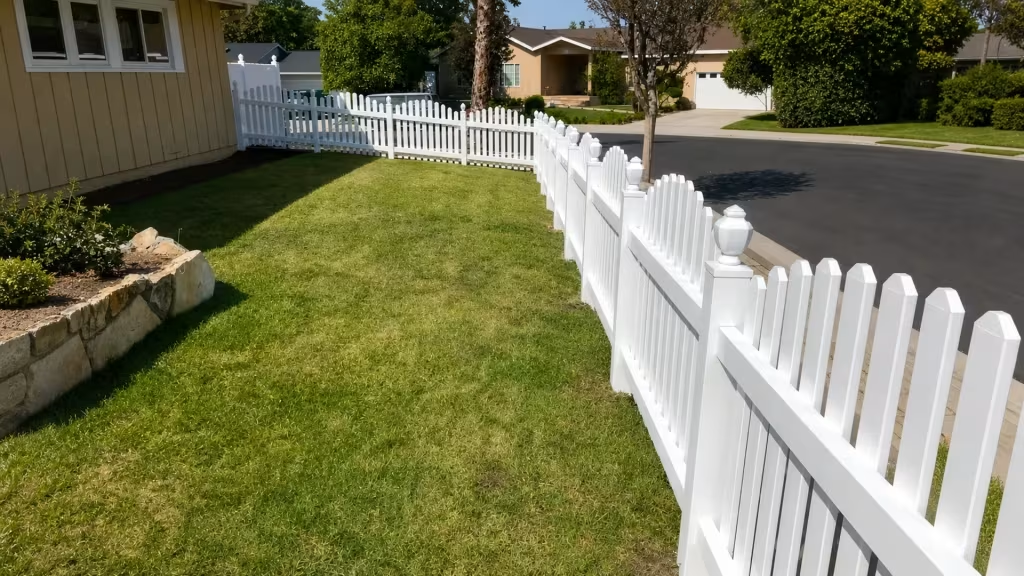
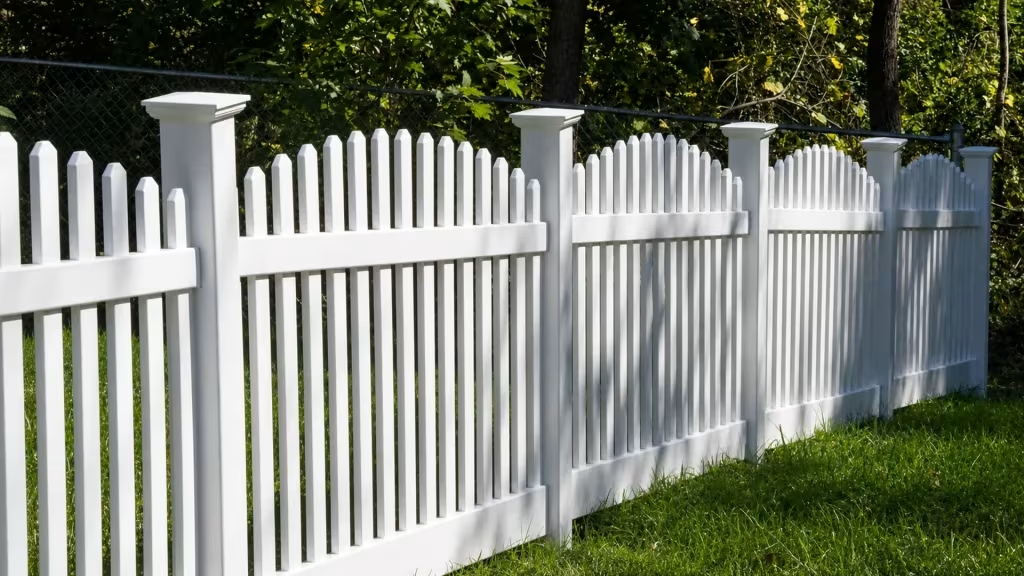
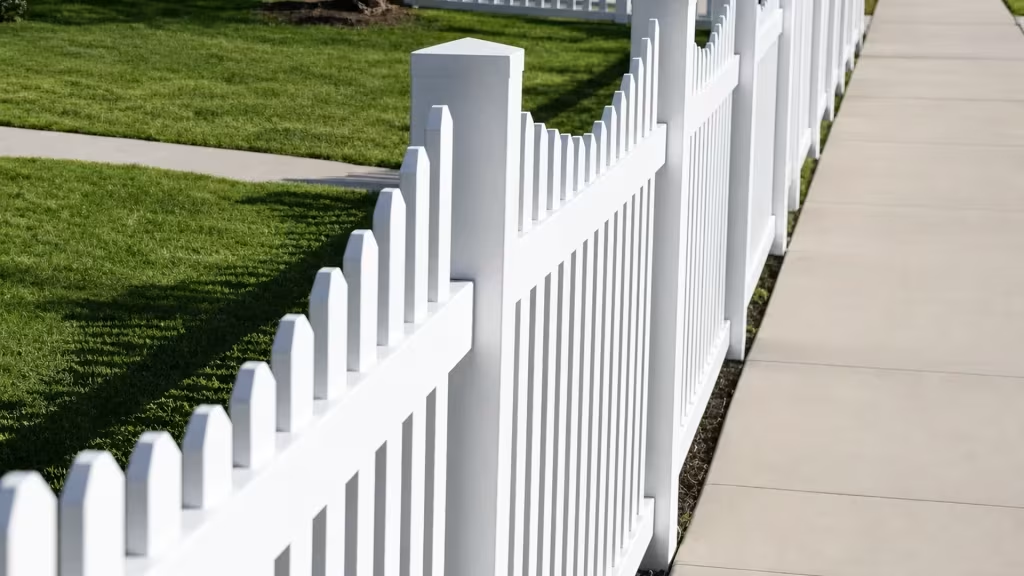
A dog-ear is a spaced upright picket wearing a dog-ear cap on every exposed top. We fabricate the run and install it to fit your yard.
The name comes off the cap. Why it stays the classic, most economical top is one standard piece per board, and an open picket belongs out front, where a boundary matters more than cover. Scalloped and arched come next, then a free estimate.
A dog-ear top is a molded cap, 0.875 by 3 inches, seated over the top of each picket in the run. The board underneath stays a plain rectangle, with nothing on it shaped or removed. The top rail crosses every picket in the fence, and the boards pass straight through it.
They stand exposed above that rail, so every one takes a cap. Name follows cap. Fit the dog-ear model to the pickets and you have a dog-ear fence. Under the caps it’s a plain spaced picket run, and the general basics and the spacing between boards are shared by every vinyl picket fence.


The dog-ear became the default picket top for a plain reason: it’s the simplest way to close an open picket. One cap per board, no finials, no extra hardware, and a fitted cap is forgiving about the small height differences that turn up along any real run.
Its traditional look suits almost any home, and on the open-top picket panels we build, the dog-ear cap is the standard finish. And because color goes all the way through the vinyl, that top line holds its tone without any paint on it.
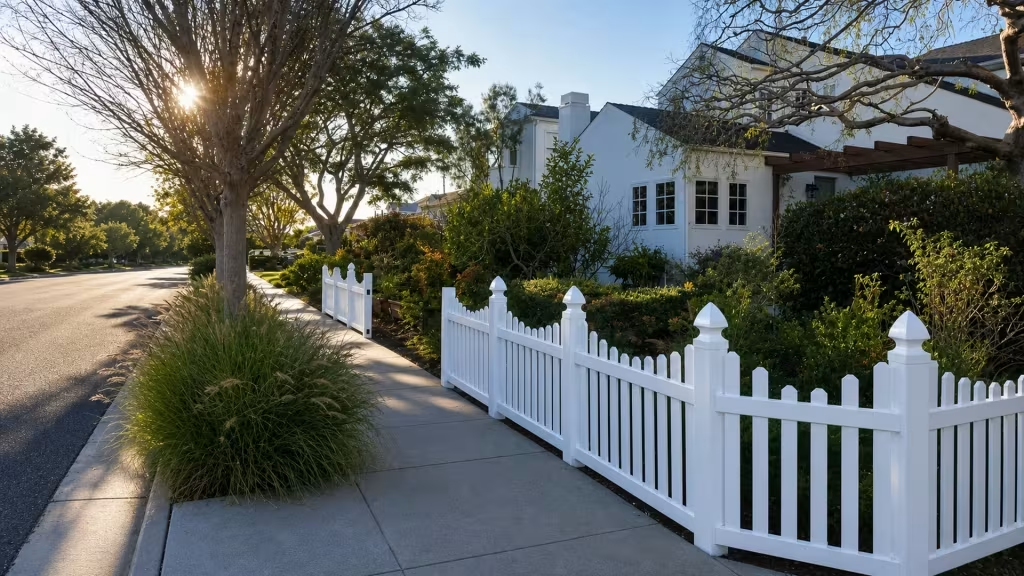
That comparison rests on a split that does not exist. Straight, arched, and scalloped picket panels all ship with dog-ear caps, because all three leave the picket tops exposed and every exposed top takes a cap. What separates them is the run line, the shape the tops draw from one post to the next.
| Panel style | The line the tops draw |
|---|---|
| Straight | Level from post to post |
| Arched | Rises through the middle, a convex curve |
| Scalloped | Dips through the middle, a concave curve |
So a dog-ear fence can be a straight run, an arched run, or a scalloped run, and the cap it is named for looks right on all three. Pick the line you want across the yard; the dog-ear cap goes on top of whichever you choose. Scalloped and arched runs are lines of their own, and whether the boards go upright or side to side is a separate call between vertical and horizontal pickets.
A dog-ear picket is an open fence, and that openness sets its honest limits. The wide gaps that give it curb appeal also let the view and daylight straight through, so it marks a boundary without screening a yard.
It gives no real privacy, will not keep a small pet in, and falls short of California’s five-foot pool-barrier standard, so it will not serve as a pool fence, the same code limit that applies to every vinyl picket fence. If you want a solid screen with dog-ear-topped boards, that is a dog-ear privacy panel, a separate fence we also build.
Every dog-ear run is measured, fabricated to the color and size you choose, and installed by our own crew, so the odd heights and small jobs other companies pass on tend to land with us. It is offered in White, Tan, and Clay, at standard 3.5 and 4 foot heights, with taller runs built to order. On the panels that call for it, the bottom rail carries a metal insert for extra backbone.
A matching gate is built to the same profile on a vinyl-clad metal frame, offered as a single, double, or rolling gate that stays hand-operated. The vinyl comes with a transferable limited lifetime warranty, and our labor gets a separate 5-year workmanship warranty, alongside zero-down Synchrony financing and estimates answered the same business day.
The clipped corner repeats on every exposed top, dozens of times down a run, and that repetition is the look. A quiet solid keeps it reading as rhythm rather than noise. An angled cut takes light at a different pitch than the picket face, so judge a swatch in sun and again in shade.
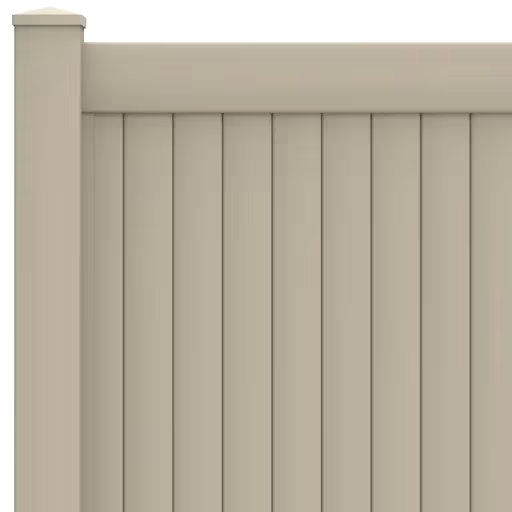
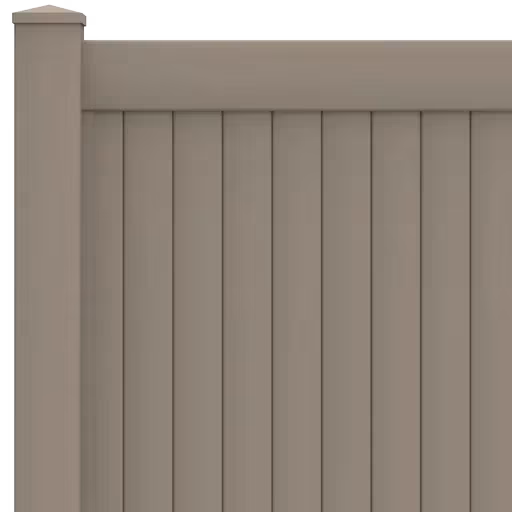
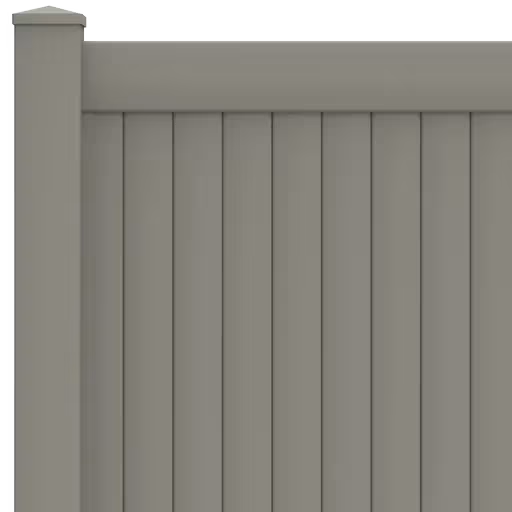
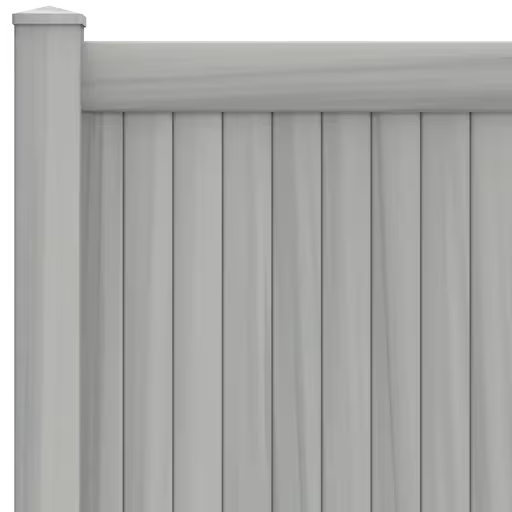
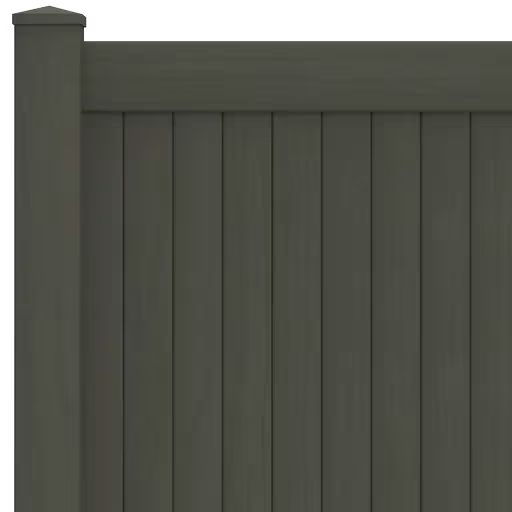
A picket marks a line without closing it. When the line needs closing, we build the solid privacy runs, tops in lattice or picket or acrylic, and toppers sized to an existing block wall. Same shop, same crews, one visit to measure.
Arched picket tops climb to a gentle crown at the center of each section instead of running level.
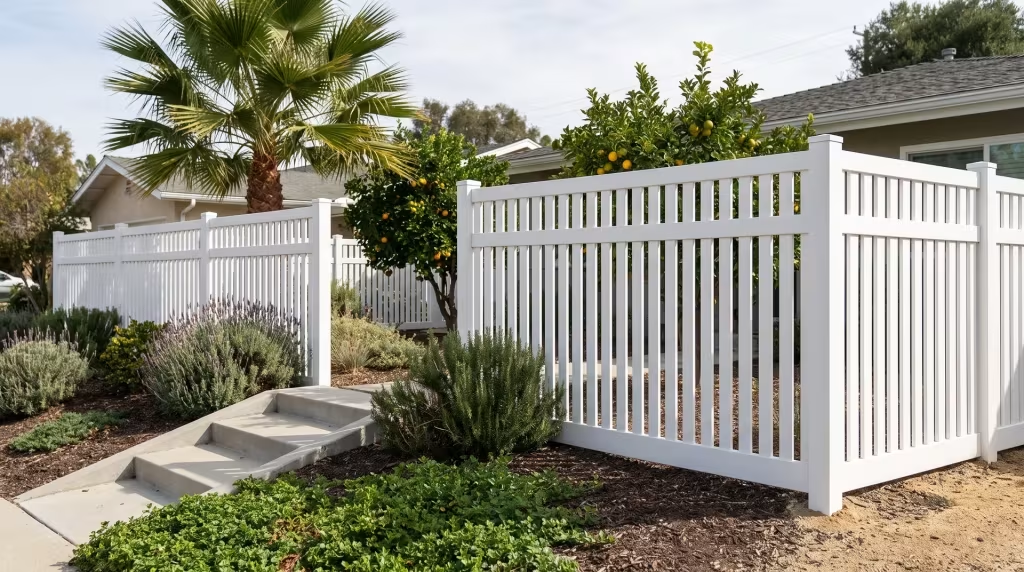
Closed-top pickets sit flush under a top rail for a finished, level line, with the gaps between boards left open.
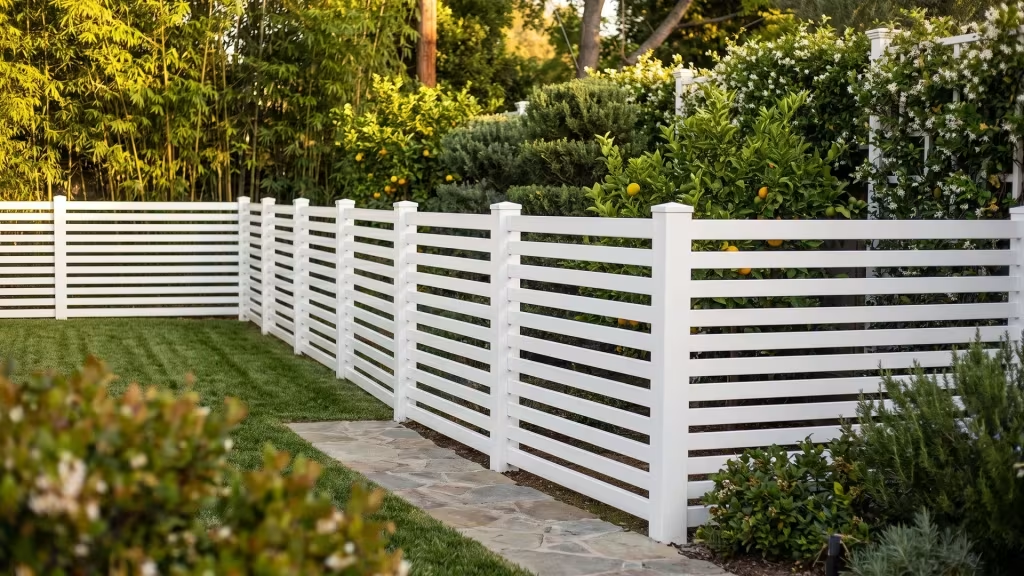
Horizontal pickets run flat boards side to side instead of standing upright, open enough for light and air to pass.
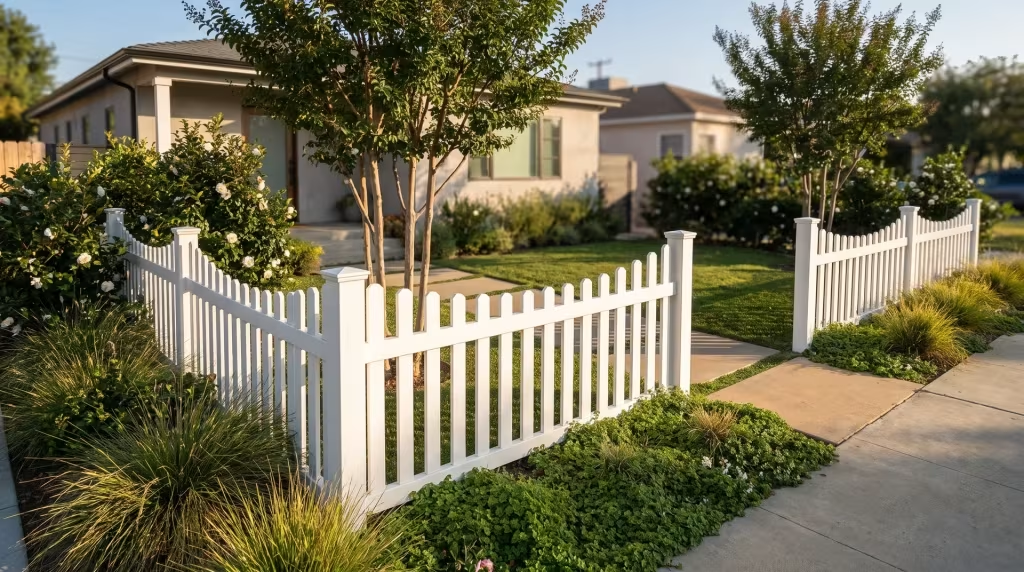
Scalloped picket tops dip into a soft scoop at the center of each section and rise back up at the posts.
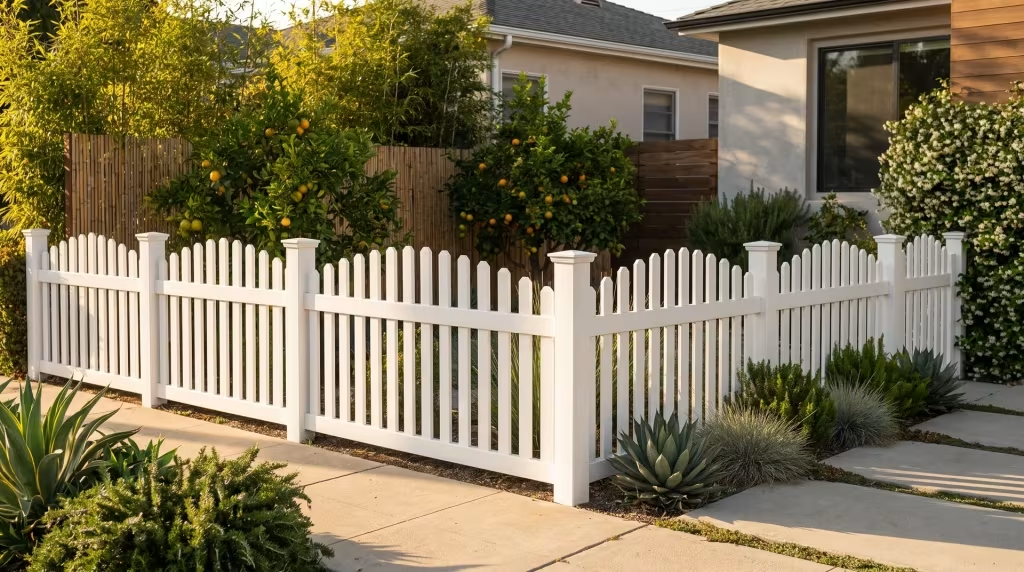
Straight picket tops hold level the whole way across the run, no dip at the center and no rise to a crown.
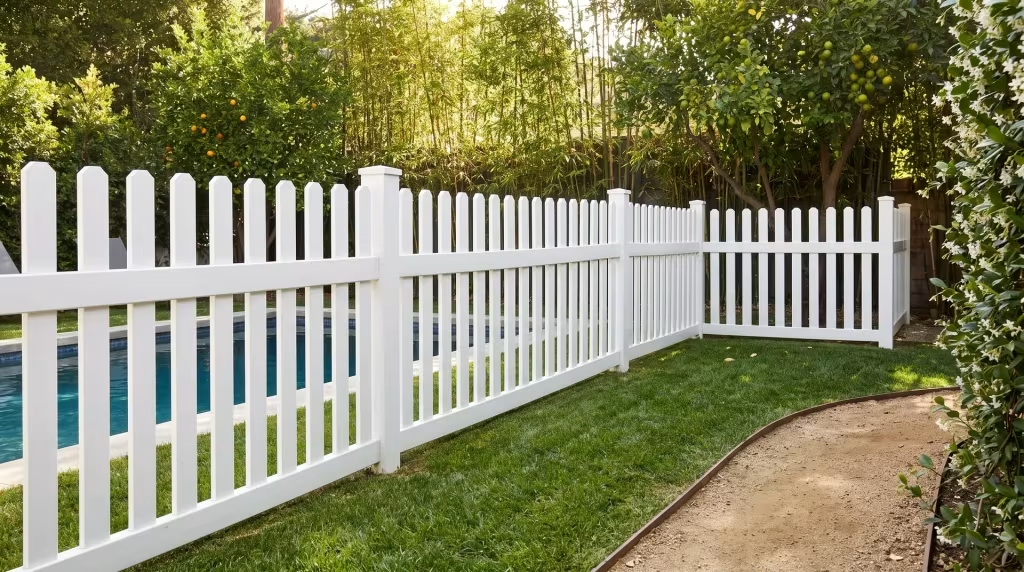
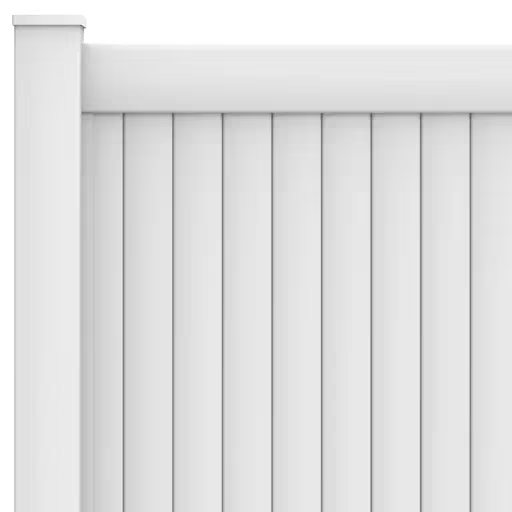
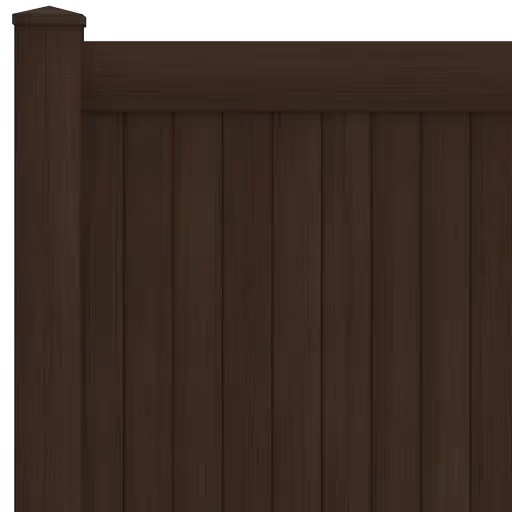
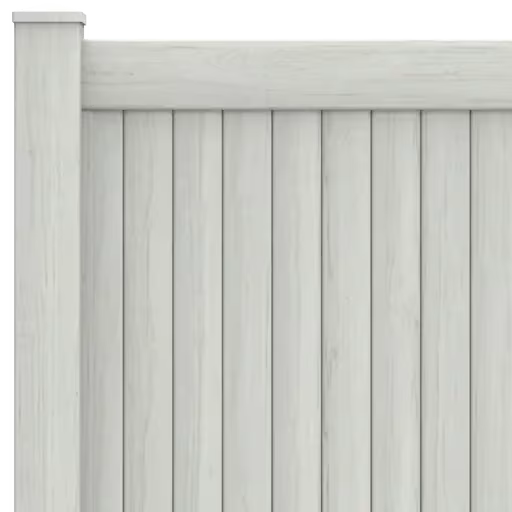
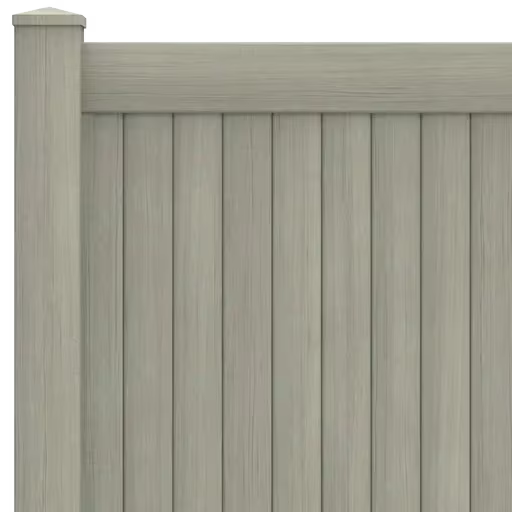
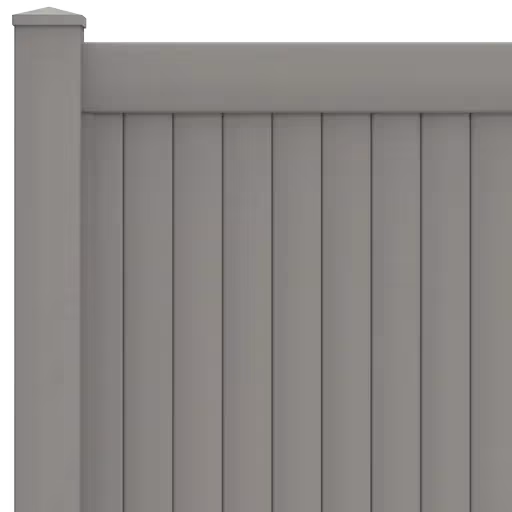
Pickets stand upright and stop clean at the top rail, the closed-top spacing behind the classic white-picket look.
#1 vinyl fencing company, called in super nice staff, they came out the next day gave me an amazing quote; and had it installed in a day. Definitely will work with them again in the near future! Thank you Pro Vinyl Fencing for giving the best customer service.

Our new fencing is beautiful, durable, and just what we needed to freshen up our back yard. Russell took pride in his work and made sure it was perfect and that our yard was clean when he left.
Can’t wait to update my plants and flowers. Our new fence makes a perfect backdrop for them. Thank You Zoro and Russell!

Pro Vinyl Fence just installed a beautiful privacy fence on the side of our house and we are very happy. Verkah and his crew were amazing! They removed a cinder block wall and prepped the space leaving the area clean and ready. They were timely, polite, and professional. I recommend them completely.

I have several properties and have used 3 different companies for fencing and I must say that Mike was the most professional , timely and friendly person I’ve ever worked with. Thank you for your hard work and I’ll definitely be referring your company to friends and family.

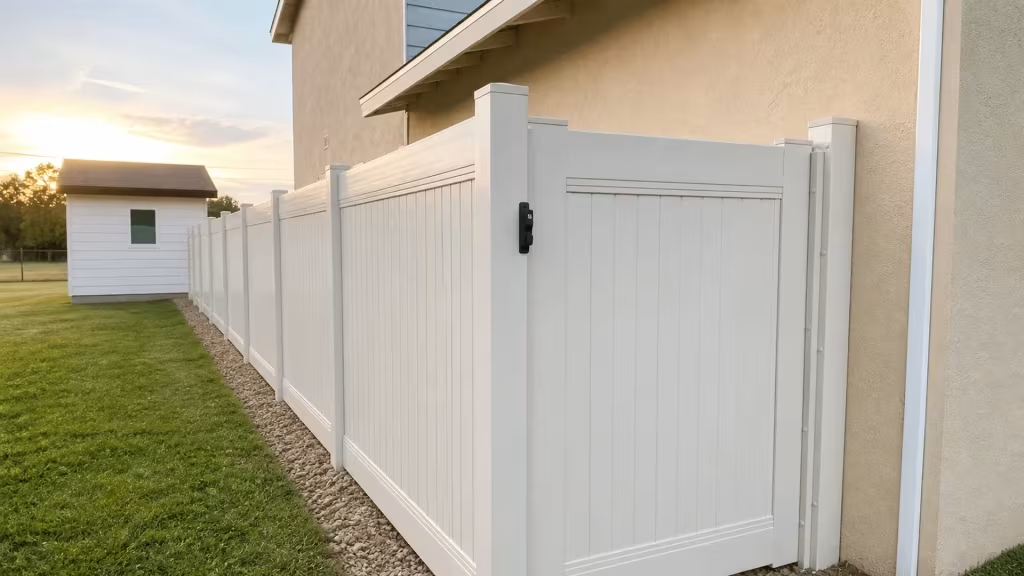
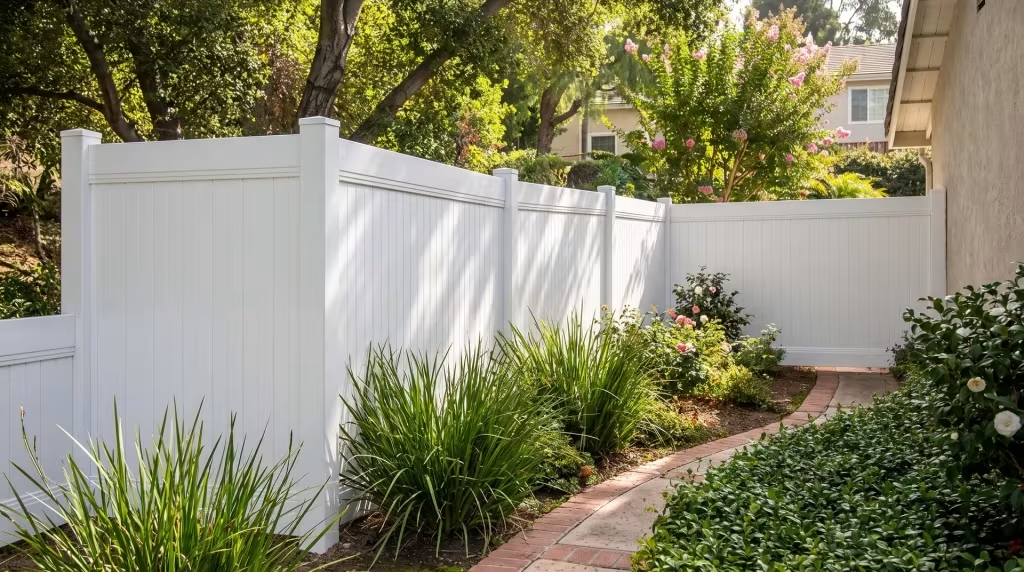
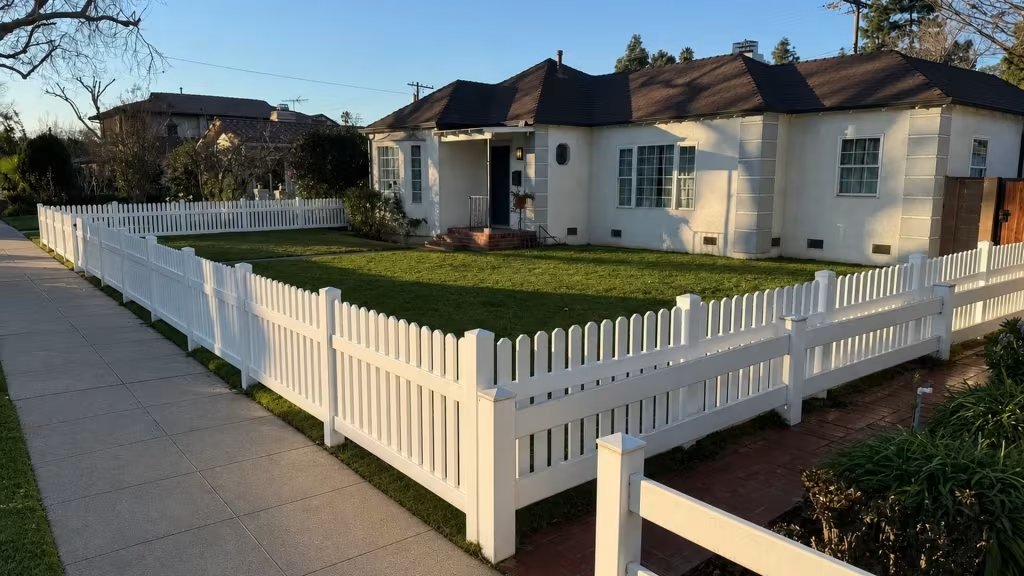
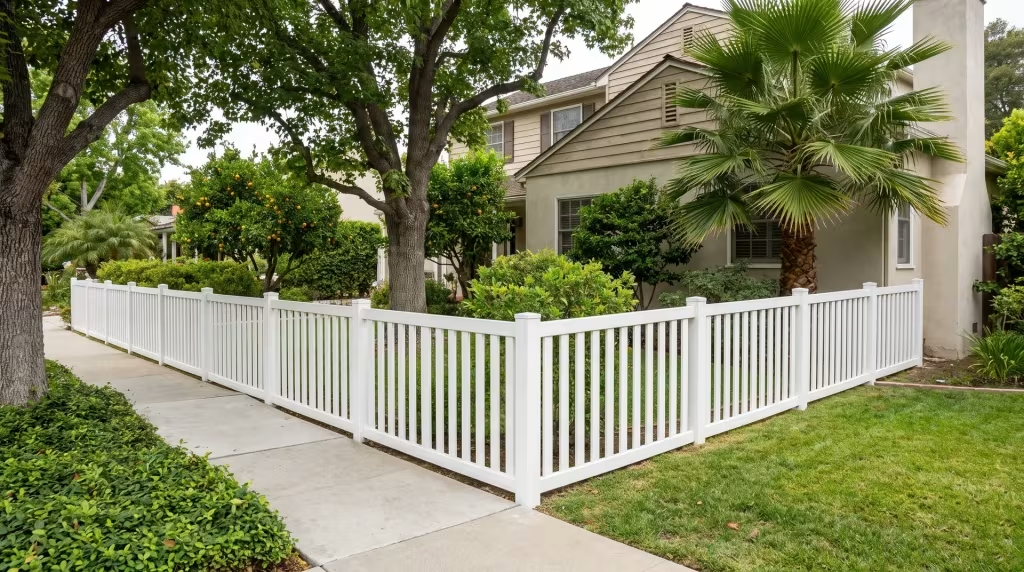
Every photo below is a finished dog-ear picket our crews measured, built, and set for a homeowner somewhere in our service areas. Look along the caps, the White, Tan, and Clay solids, and the low front-yard heights near 3.5 and 4 feet, then imagine that line fronting your own home.
A dog-ear picket is nearly always a front-yard fence, so the local height cap shapes it first. The City of Los Angeles holds front fences to 42 inches, Glendale allows four feet, and nearby county and Ventura neighborhoods fall in a three to four foot range. Confirm the local limit before building.
Across the Bay Area the same shop fabricates your panels and the same crew installs them, and a dog-ear run goes up plumb. Front-yard caps are drawn city by city, so San Jose, Oakland, San Francisco, and Fremont each set a different limit; verify yours with the local building department before building.
At the on-site visit we settle the top profile, height, color, and price, before a post hole is dug. All of it goes into the contract, so nothing new turns up on the bill later, and you get a progress update from the crew at each stage.
Four steps below, and one crew usually carries your fence from the first measurement to the final gate.
A salesperson comes out, measures the yard, settles the profile, height, and color with you, and prices the job on site.
Every detail is written down first, run length, height, profile, gates, color, and any old-fence removal, each priced.
The panels are cut to your run, posts set in concrete, the dog-ear line and gate raised, and the site left clean.
Vinyl gets a transferable limited lifetime warranty; our workmanship a separate 5-year warranty, with simple care notes.
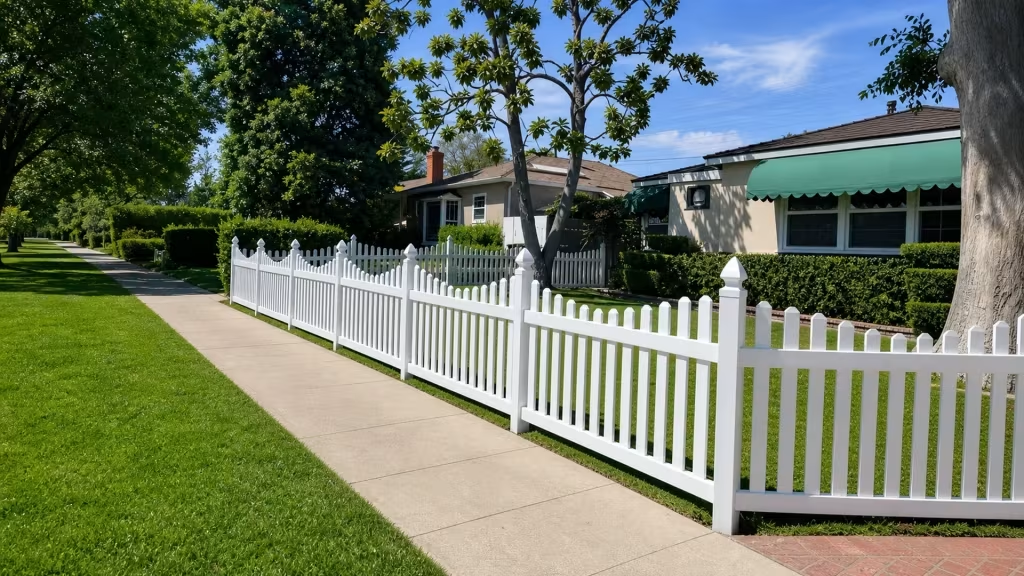
Guides from the crew on picking a top profile, trimming pickets to a run, and keeping white vinyl bright.
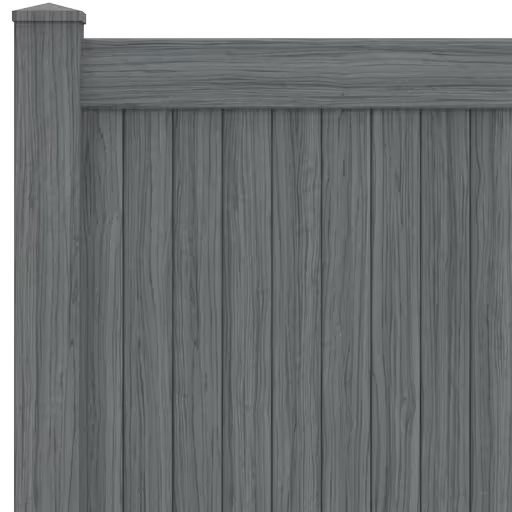
Rot, corrosion and insects wear down wood and metal fences over time, conditions gray vinyl simply does not react to.
Fences blog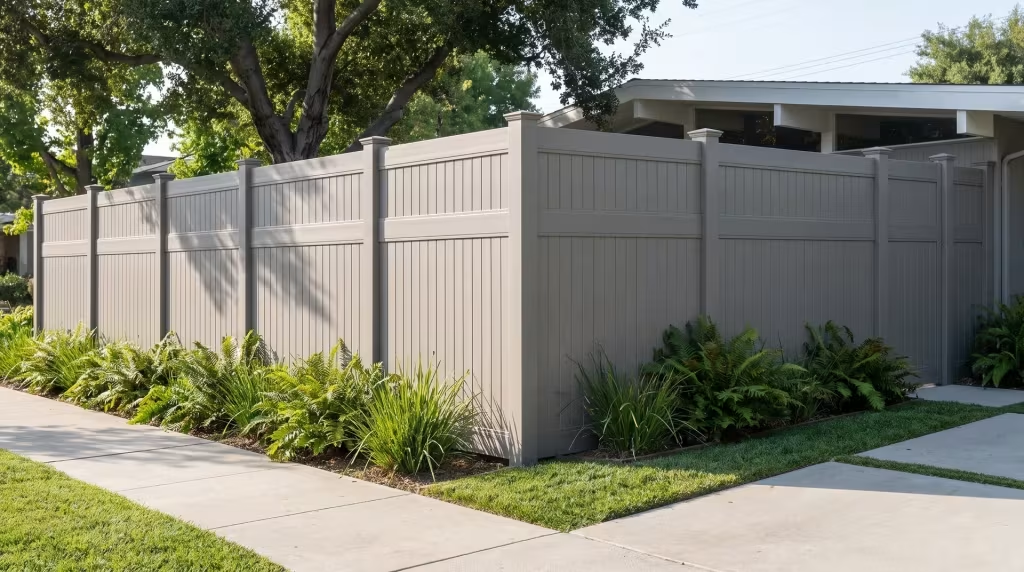
Dog-ear pickets: your questions, answered
Most dog-ear questions land in the same five places: what the cap on top actually is, why it’s the economical one, how the pickets meet the top rail, how it sits beside a scalloped or arched run, and how tall you can take it. Miss yours? The crew that would build it is a call away.
Want a firm number?
Set up a free site visit and we'll quote the dog-ear run on the spot.
It’s a cap. A molded piece, 0.875 by 3 inches, that sits on the exposed top of every picket in the run, and Dog Ear is the name of that model.
Nothing on the board itself is shaped or reworked to make it. The fence takes its name from the cap fitted to its pickets, and that is the whole of it.
It’s the simplest and cheapest way to finish a top. One standard cap per picket, no finials or added hardware, and a fitted cap hides the little height differences that show up along a long run.
The look is traditional and suits almost any home, which is how it became the default.
Yes, and the pickets keep going past it. Each board stands exposed above the top rail, which is why a molded dog-ear cap sits on every one.
On the flat picket styles the pickets stop at the rail instead, so the rail closes the tops and no caps are fitted.
Same cap, different run line. Straight, arched, and scalloped panels all carry dog-ear caps, so it was never dog-ear against the other two.
What changes is the line the tops draw between posts: level on a straight run, a convex rise on an arched one, a concave dip on a scalloped one.
Three standard solids: White, Tan, and Clay. Most buyers take White, though Tan and Clay give a softer, warmer front.
Pigment runs the whole thickness of the vinyl, so paint never enters the picture, and coating a panel voids the warranty. Woodgrain tones stay on the flat-picket styles.
Yes. Standard dog-ear panels run 3.5 and 4 feet, and taller runs are fabricated to your yard, including awkward heights and small jobs plenty of outfits turn down.
The figure follows run length, height, gates, slope, and old-fence removal, so we quote it free on site, with Synchrony zero-down.