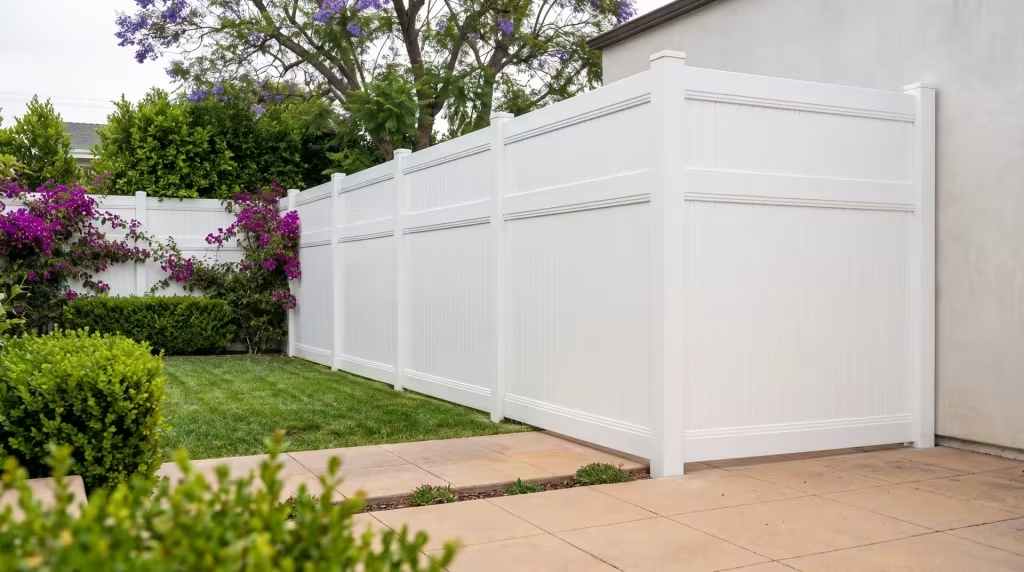
White
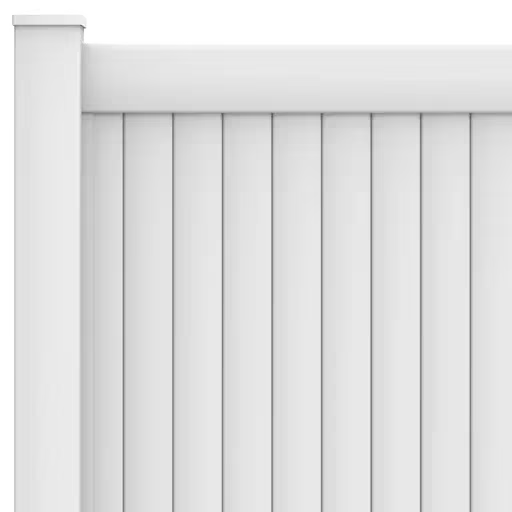
Call Now: (844) 744-0707
A vinyl lattice fence is a decorative, semi-open screen of criss-cross diamond or square strips that filters light and views instead of blocking them. You get it built to your pattern and installed, not a loose big-box panel.
Since 2018 we have fabricated and installed custom vinyl work across two markets, with 500+ five-star reviews behind us. You get the lattice section built to your layout, height, and color, set in a real posted frame so it holds its line, plus an honest number after a free visit.
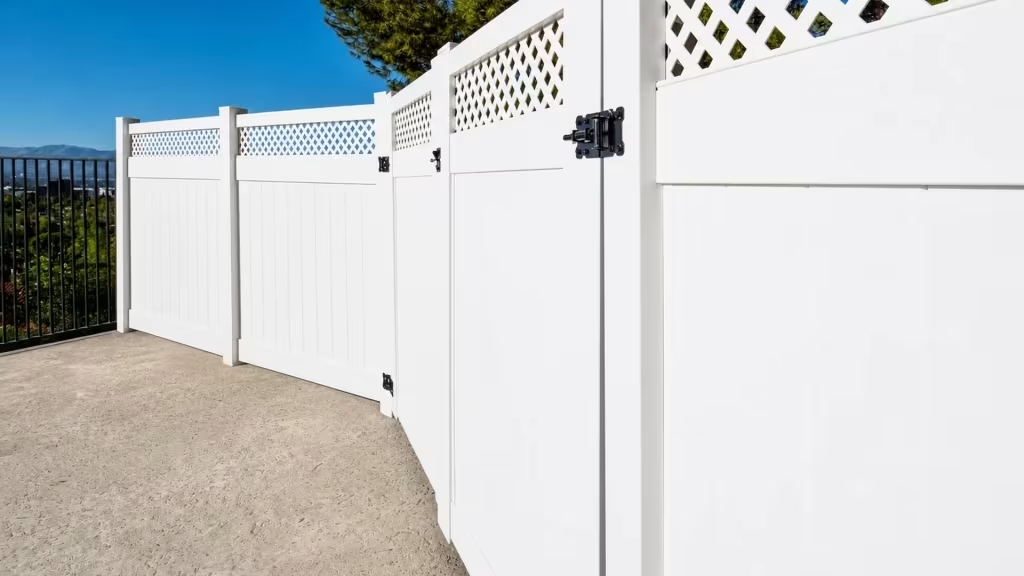
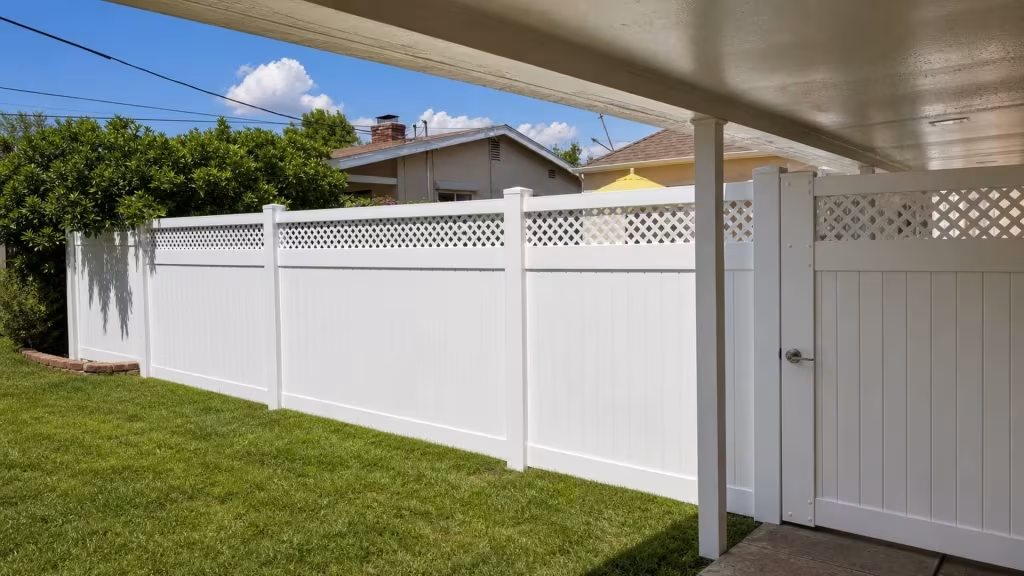
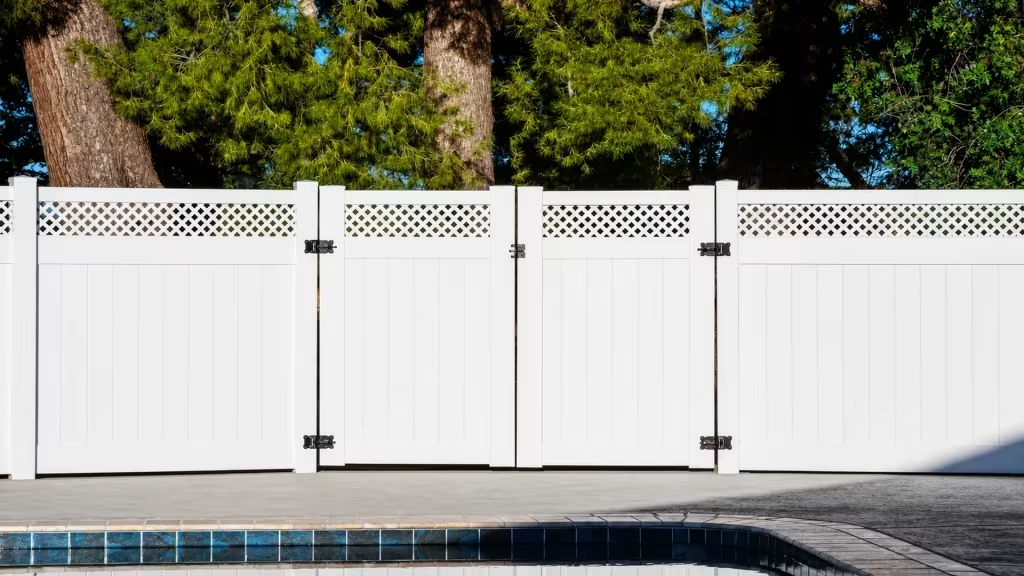
An installed vinyl lattice fence is a criss-cross screen you see through in part, built to the pattern, height, and color you want.
It comes down to which lattice you actually want, a decorative standalone screen or a solid privacy fence capped with lattice, plus how much it usually screens, which pattern fits, and how we build it to last.
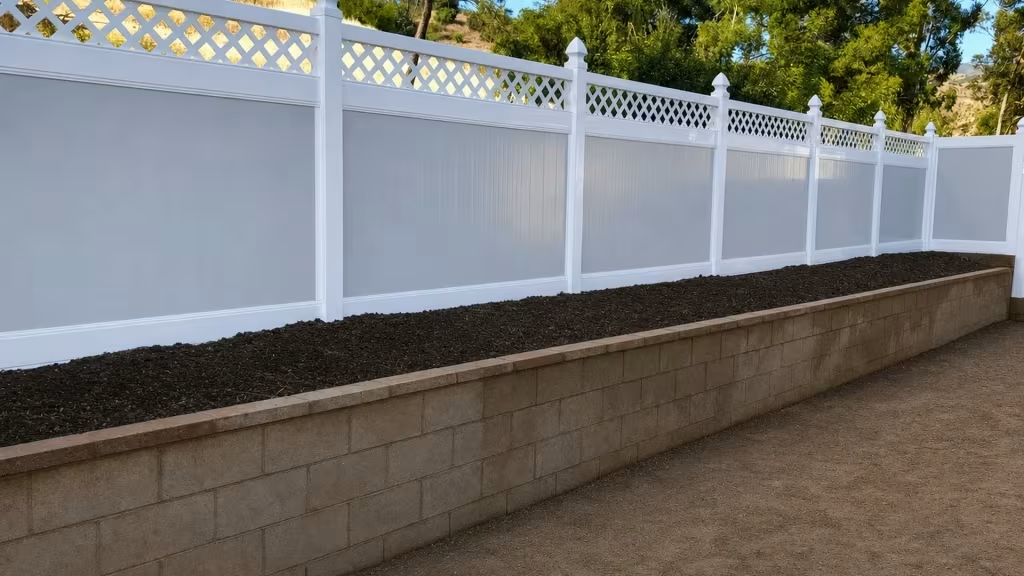
Two fences share this name. One is a standalone lattice fence, the decorative, semi-open criss-cross screen. The other is a solid privacy fence with a lattice section on top. Want a decorative screen, airflow, or partial views instead of a wall? This standalone lattice fence is your fit. Want the yard fully screened with a lattice cap on top? We build that version too, and it is covered just below.


Semi-privacy, not full. A lattice filters the view rather than blocking it. An open diamond screens roughly half of what is behind it, around 50%; a tighter square pattern more, closer to 60 to 70%. It is the right call to mark a boundary, soften a view, or keep a breeze; the wrong call when you must fully block sightlines, where a solid privacy fence is the honest answer.
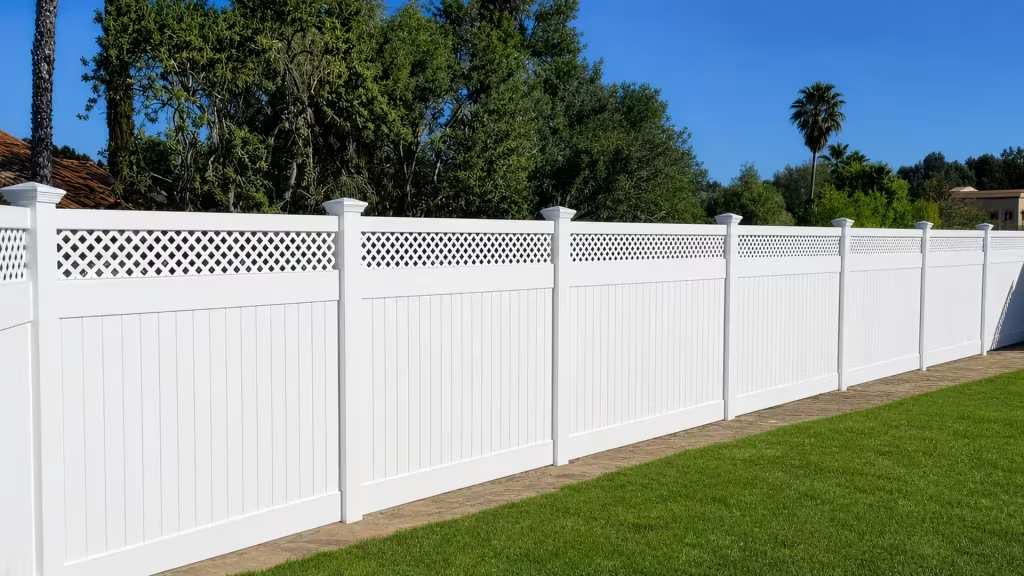
If a standalone screen shows too much but you still want that criss-cross detail, we build the other version: a solid privacy fence with a lattice band along the top. The solid boards below block the view; the lattice above adds height, light, and the decorative line without walling off the sky.
You get it fabricated as one framed run on the same 5-by-5 posts, so the cap holds instead of sagging like a bolted-on strip. Pattern and color choices match a standalone screen.
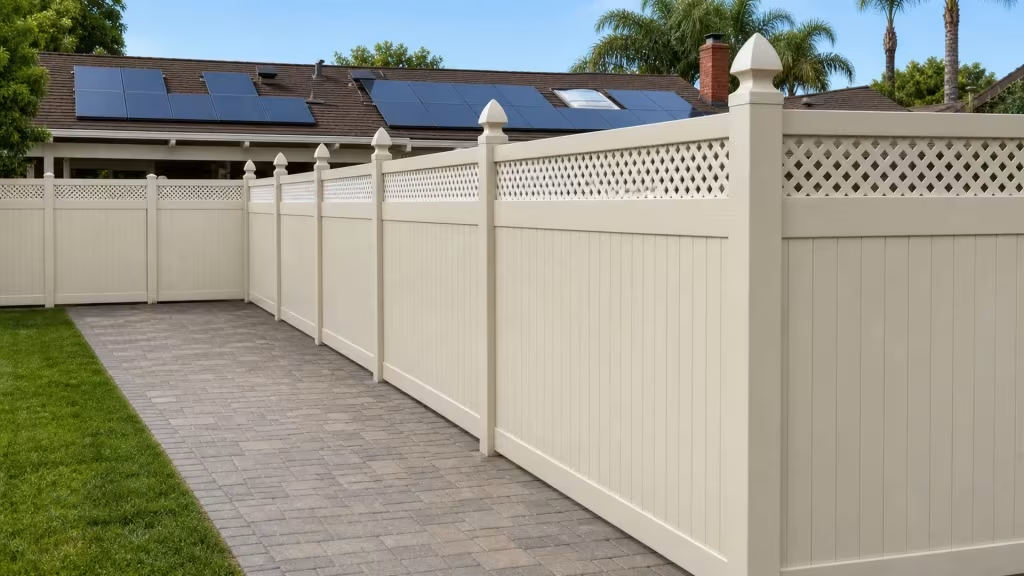
Pattern sets the look and how much the fence screens: the tighter the opening, the more it hides.
| Pattern | How much it screens | Best for |
|---|---|---|
| Small diamond | Most, tight criss-cross | A private-leaning decorative screen |
| Big diamond | Least, open and classic | Garden dividers and airy accents |
| Square | High, clean and modern | Contemporary screens and patios |
Pick the weave for the look and the screening you want; colors and custom matching come just below.
A standalone lattice fence does jobs a solid wall cannot. It divides a garden or borders one part of the yard from another. It screens a patio while still letting a breeze through, and hides what you would rather not see, a pool pump, an AC condenser, or the trash bins, without trapping their heat. The openings also hold a climbing plant like star jasmine or clematis, so it doubles as a trellis.
Yes, and the open pattern is the reason. A solid fence catches wind like a sail; a lattice lets air pass straight through. It has a lower solidity ratio, so the pressure difference across the fence drops and the load it carries runs far lighter than a solid wall, on the order of a third to a half less. It still sits on proper posts and footings, and we reinforce a long span or a gate where it counts.
Here is the difference between our lattice fence and a flimsy hardware-store sheet. We fabricate the lattice section or full panel to your layout and set it in a real vinyl frame on 5-by-5 posts, so the run stays straight. A metal insert goes inside the frame where a long span or a gate needs the backbone.
Heights usually run 3 to 8 feet, plus custom sizes. Matching gates share the pattern and color, though we do not motorize them. Two warranties close it out: the vinyl gets a transferable limited lifetime warranty, plus our own 5-year workmanship warranty.
There is no flat price; a lattice fence is priced on your project. Cost tracks the run length, the height, the pattern (a tighter weave uses more material), the gate count, the terrain and access, and any old fence that has to be torn out. You can get a ballpark by phone, but the honest figure lands once a salesperson walks the yard and sees the whole job. Synchrony offers zero-down financing to spread it out if you like.
Lattice is the short palette in the line, three colors rather than fourteen. Pattern narrows it again, since one large diamond comes in White and nothing else, so we confirm pattern and color together before anything is cut. The tone is molded through the sheet, never coated on.
Cut-to-pattern work is one thing we do. Full-height privacy, picket runs, gates hung to match them, and covered structures are the rest. We fabricate in our own shop, so a screen and the fence beside it come off one order.
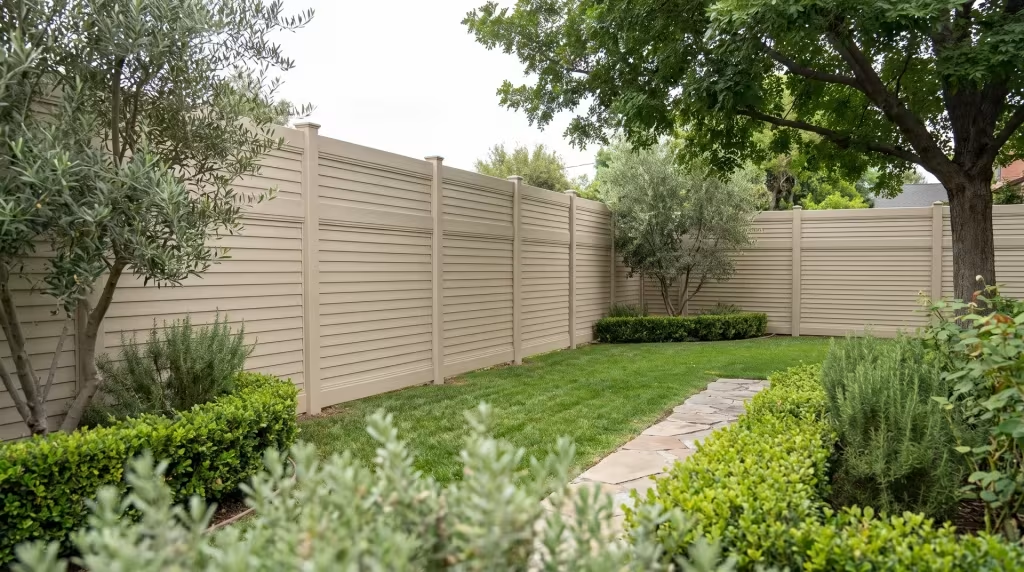
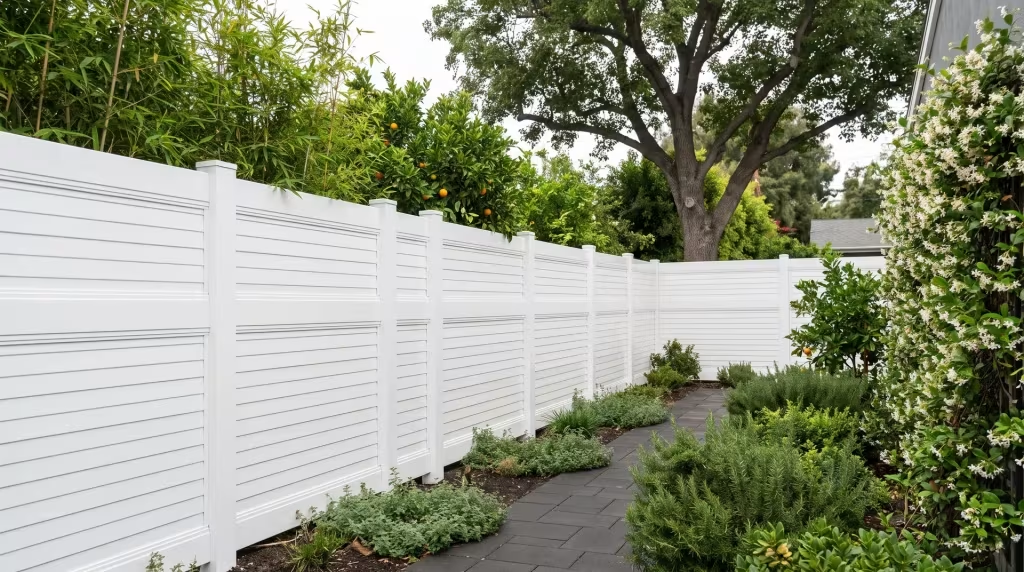
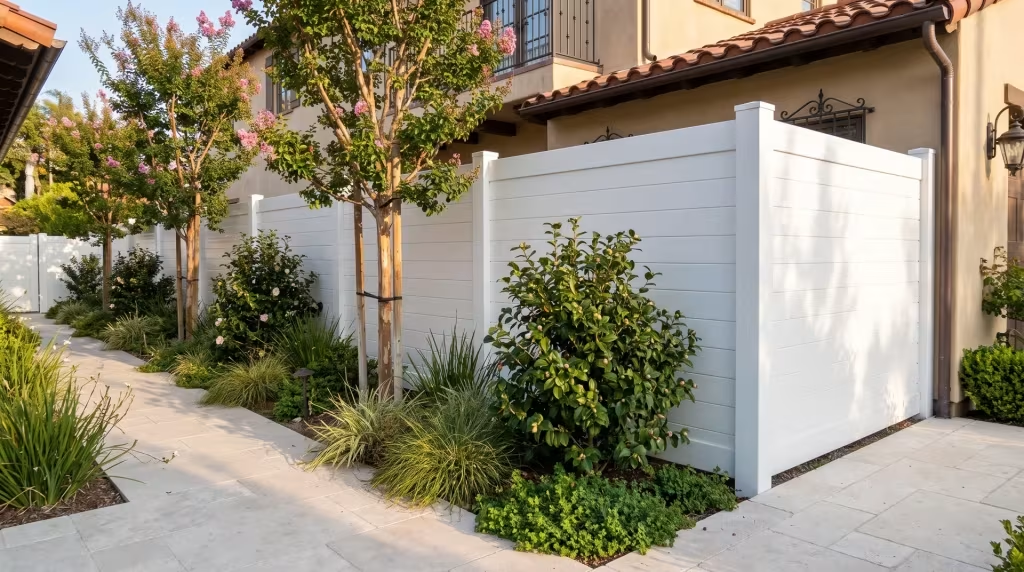
Tongue-and-groove boards run side to side into one solid, gap-free screen for a wide, modern board line.
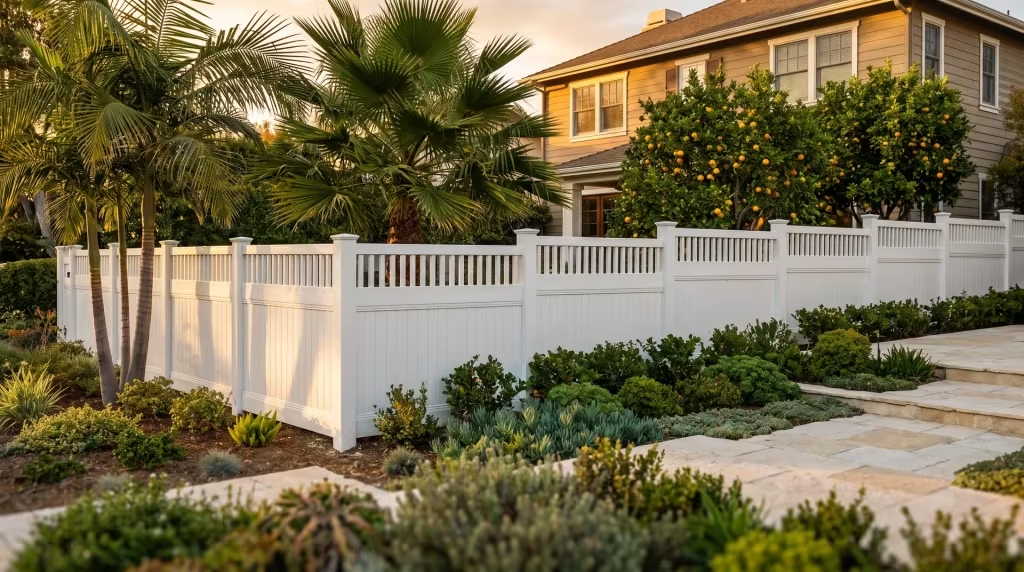
A solid privacy body capped by an open decorative picket crown, private below and detailed at the top.
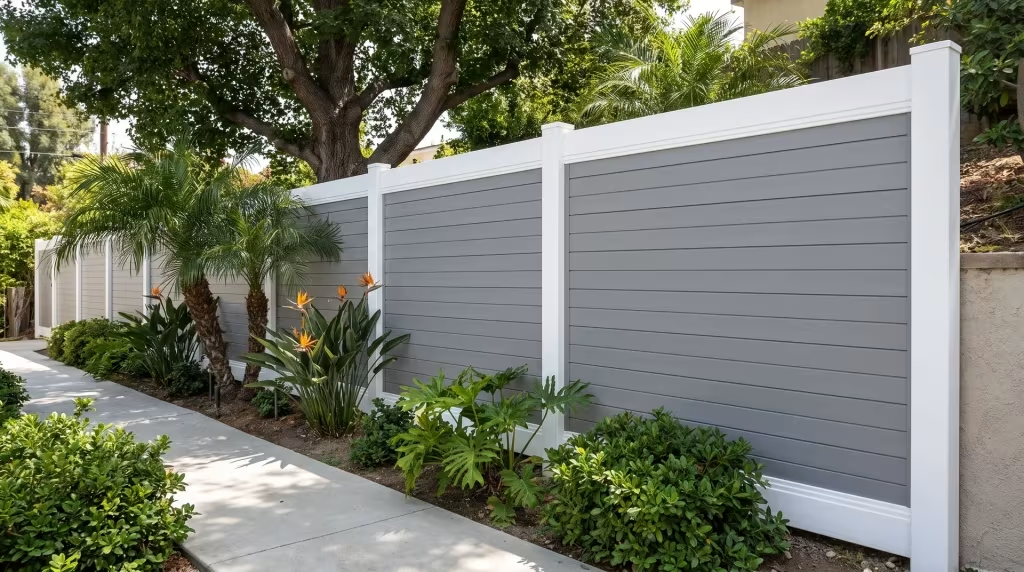
The same solid privacy body built in two colors, the frame in one tone and the infill boards in another.
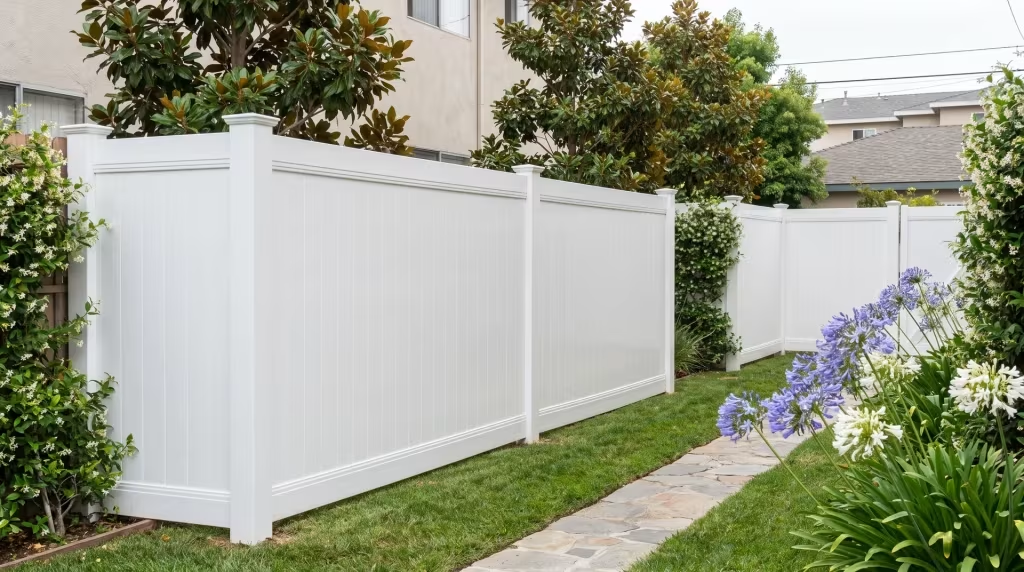
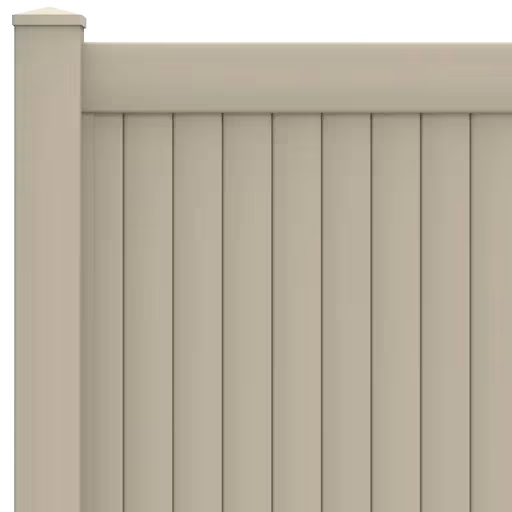
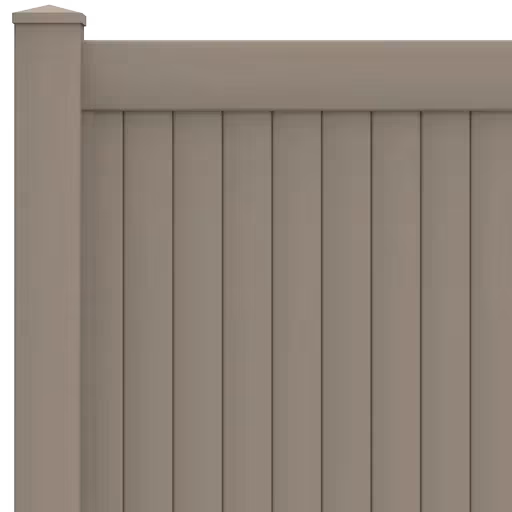
Boards run straight up and down into one solid wall, the classic upright silhouette of a privacy fence.
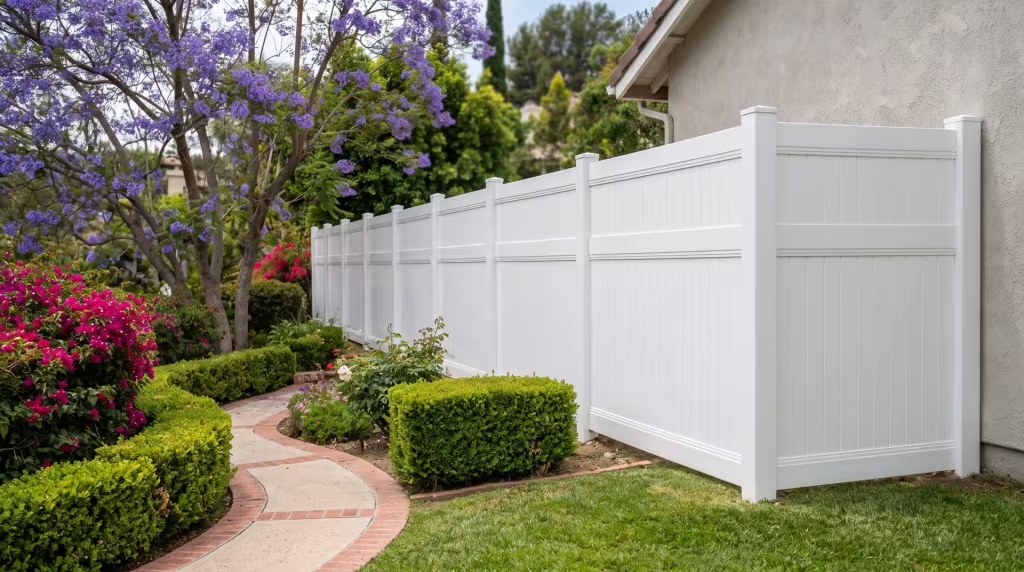
Vinyl fencing fabricated to whatever height, width, or color mix your yard needs, not the nearest stock size.
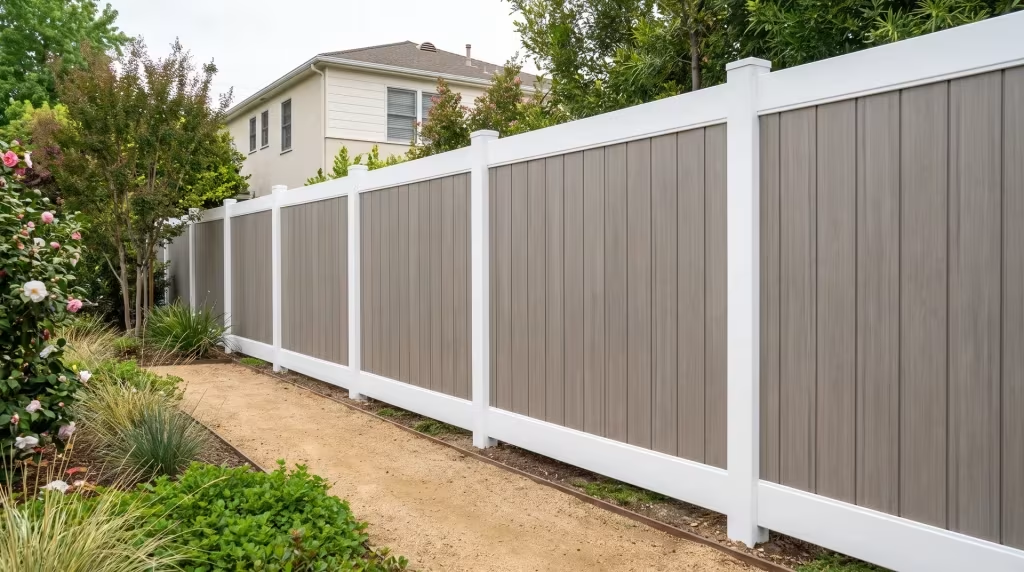
Great service and price, this was a 3 neighbor project, Pro vinyl worked with us, all of us are very happy we chose Pro Vinyl over the 4 other companies. Smooth and no issues from start to finish. They also installed a wall topper for my backyard.
Next job, vinyl fencing around the pool for mom’s house.

Highly recommend. Nairi was very professional and prompt with my estimate and measurements. The two installers did a great job and made sure all was precise and cleaned up job area when finished.
Thank you guys. I have already requested my next job estimate.

Great job by Pro Vinyl Fencing! Nairi came out and measured and designed the fence, worked with my wife to pick the material, gave us a great deal, and his team of engineers and installers nailed the demo and install! No fuss and no muss. Two full days of no nonsense work and it looks beautiful! Work done in Chino!

Pro Vinyl Fencing did a fantastic job at my home in Los Angeles. They worked hard and got things done on time and on budget. The product is fantastic as I have a completely private yard because of their work!
Their initial estimate was thousands of dollars less than other contractors who bid on my job. I will use them again!

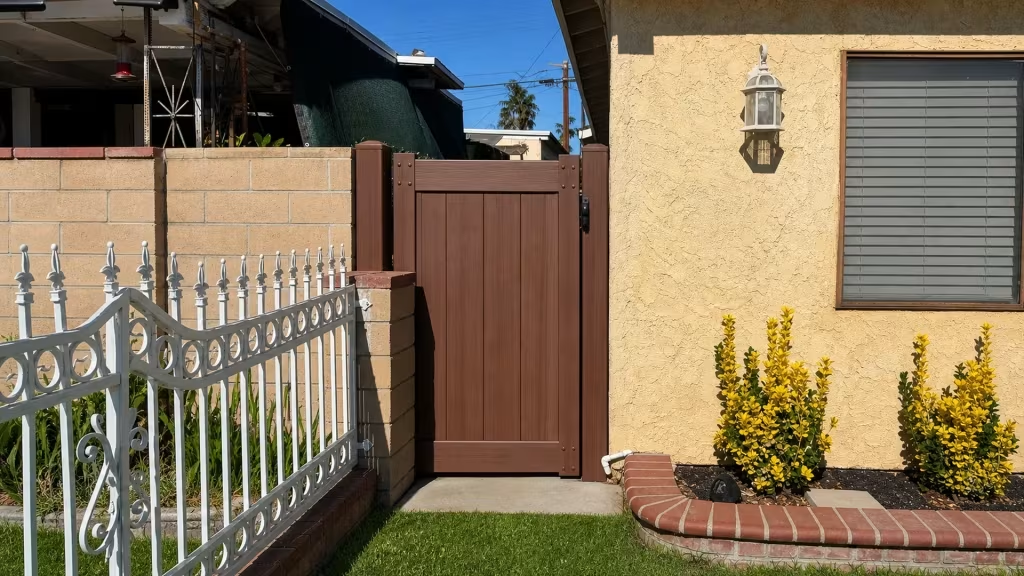
Below are lattice fences the crew has finished for homeowners in our two markets: garden dividers, patio screens, and covers over pool and AC equipment. Patterns and colors vary from job to job, usually diamond or square. Browse a few, then tell us about the screen you have in mind.
Greater LA and Ventura County yards lean on a lattice screen to do a lot in a small footprint, from dividing a garden to dressing a patio or hiding equipment. The open weave usually sheds wind that funnels through inland canyons. Height and permit limits vary by address, so we check yours and flag it.
In the San Francisco Bay Area, the same licensed crew and in-house shop build lattice screens in your pattern and color. An open weave suits breezy hillside lots, where a solid fence tends to take the wind full on. Height rules shift from one Bay city to the next, so we check yours before we build.
In our experience a lattice project runs in four clear steps, from first measure to final cap. You pick the pattern, height, and color; we fabricate the screen, install it, and stand behind it. Nothing on the bill was missing from the contract.
The estimate is free, no pressure to sign, and one team usually runs it from first visit to final walk-through.
A salesperson measures, talks through pattern, height, and color, covers cost factors, and leaves a real number, free.
You get scope, the exact pattern, color, height, and gates in writing, with old-fence removal spelled out.
We take out the old fence, set posts in concrete, fabricate the lattice to your layout, reinforce it, and clean up.
Registration, then the vinyl’s transferable limited lifetime warranty backed by our 5-year workmanship warranty.
Guides on choosing a pattern, training vines up a lattice, and the DIY panel questions people keep asking us.
Vinyl doors resist weather and rust while cutting both energy bills and outside noise year round.
Fences blog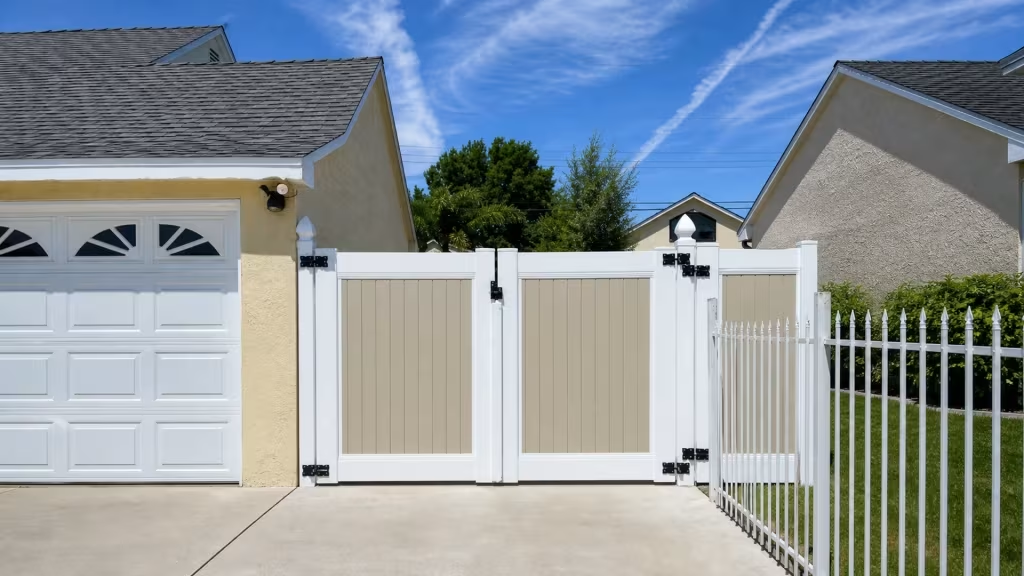
Lattice fence questions, answered straight
Straight answers on what buyers actually weigh before building a lattice fence: how much privacy it really gives, which pattern to pick, what it costs, whether it will bow, adding lattice to a fence you already own, and matching gates. If yours is not here, ask the crew that would build it.
Have a lattice project?
Book a free on-site visit and get straight answers from a lattice pro.
Some, but not full privacy. An open diamond lattice blocks about half the view; a tighter square screens more, around 60 to 70%.
A climbing vine fills the openings toward solid over a season or two. If you need to fully block the view, a solid, no-gap fence is the answer, and we build those too.
Yes. We fabricate full lattice panels and sections to your layout, pattern, height, and color, then set them in a posted, railed vinyl frame so the run stays straight.
It is built for your yard, not a flat panel you bolt up over a weekend. Custom shapes and odd runs are the jobs we like most.
It depends. An open lattice can usually use less material than a tall solid panel, but the price turns on length, height, pattern, gates, terrain, and any old fence that needs tearing out.
A fence fabricated to your yard is priced on your project, so a free on-site measure gives you the real number.
Not when it is framed and installed right. We build the lattice into a framed run, with a metal insert at a gate or a long span, and the posts set in concrete.
That holds the line straight, unlike a loose panel bolted between two stakes that bows in its first season.
A solid privacy fence finished with a lattice top is one of the two versions we build, covered higher up.
Adding a lattice cap to a fence you already own depends on whether its posts and rails can carry it, which we check on site. For a decorative standalone screen, the lattice fence here fits.
Yes. We fabricate matching lattice gates in the same pattern and color, on a reinforced metal frame clad in vinyl so they do not sag over time.
Walk gates and wider openings both work. No gate motors, and you get that straight before any work starts.