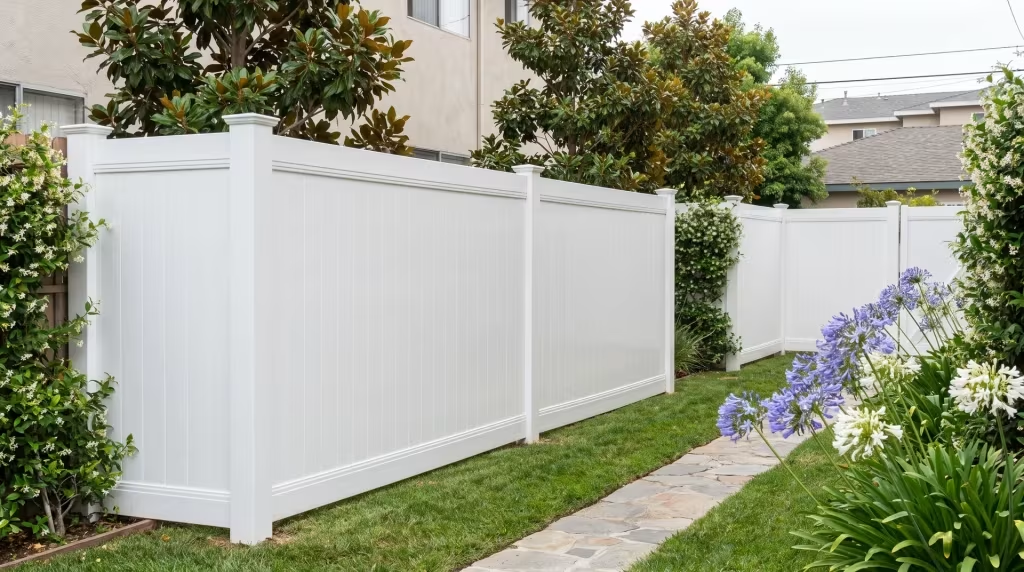
White
Call Now: (844) 744-0707
A two-tone vinyl privacy fence is one solid tongue-and-groove privacy fence built in two colors: the frame of posts, rails, and caps in one color, the infill boards in another. It still closes into a full, no-gap screen.
We fabricate your two colors to your run, any pairing from our 14-color palette, on a vertical or horizontal body, with a matching two-tone gate. A boxed kit gives you one combo. We have custom-fabricated fences since 2018 at a 5.0 rating, and your real number follows a free visit.
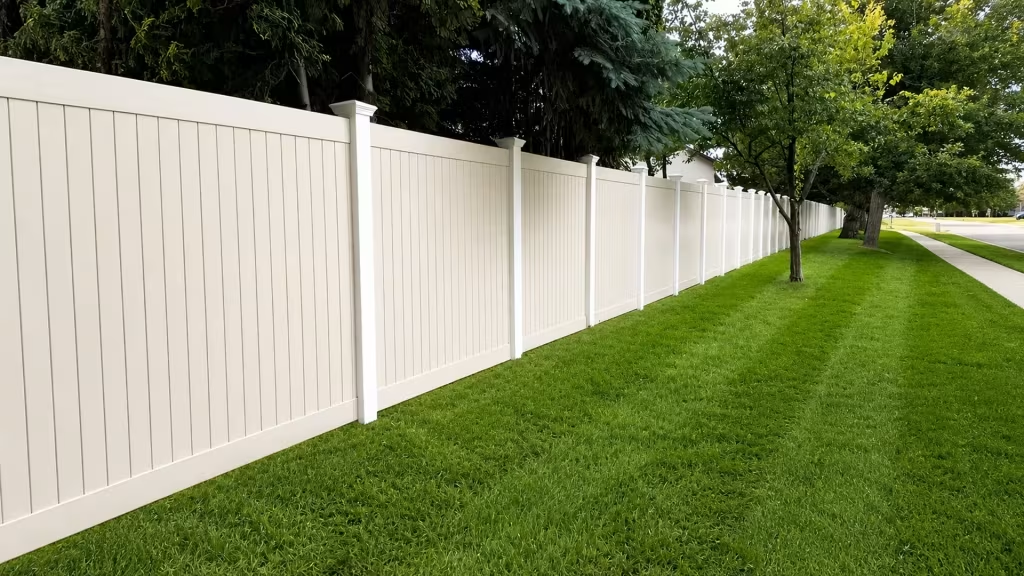
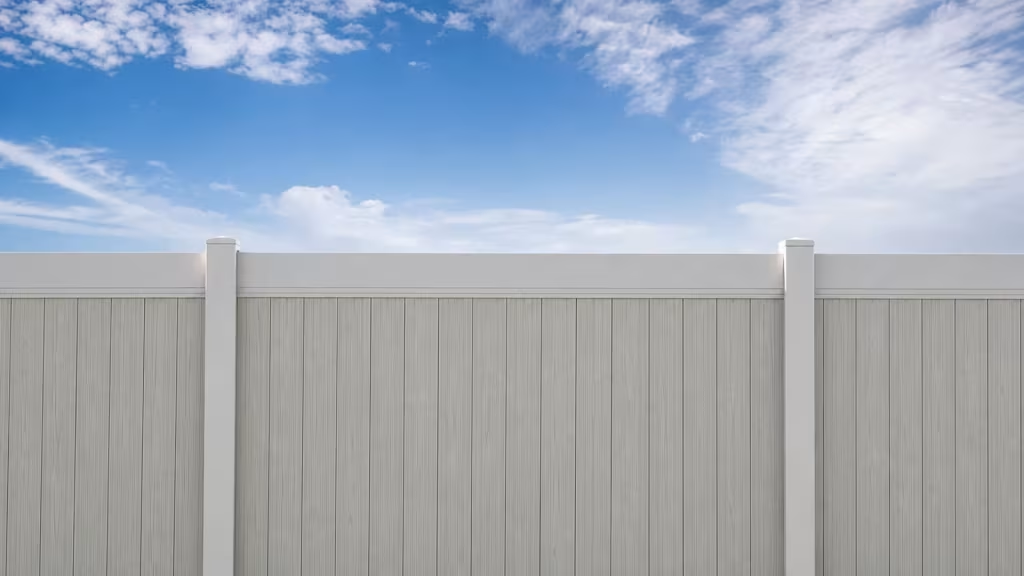
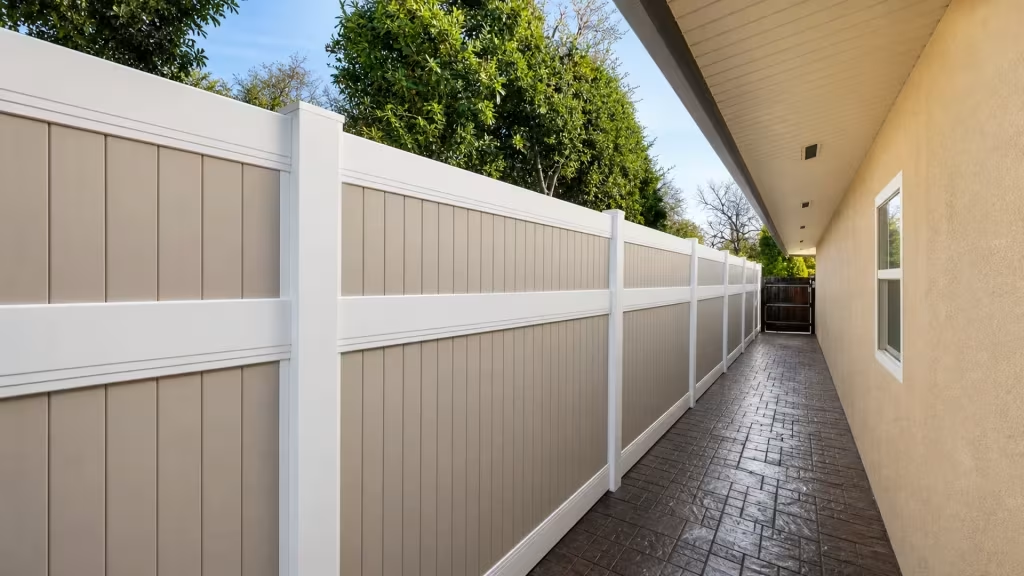
Two-tone is a two-color look on a solid privacy body, a styling choice on a fence you have already decided to build.
We custom-fabricate it to your run in any two of our real colors, on a vertical Prescott body or a horizontal Ashford body, and finish it with a matching two-tone gate. The frame wears one color, the infill boards the other.
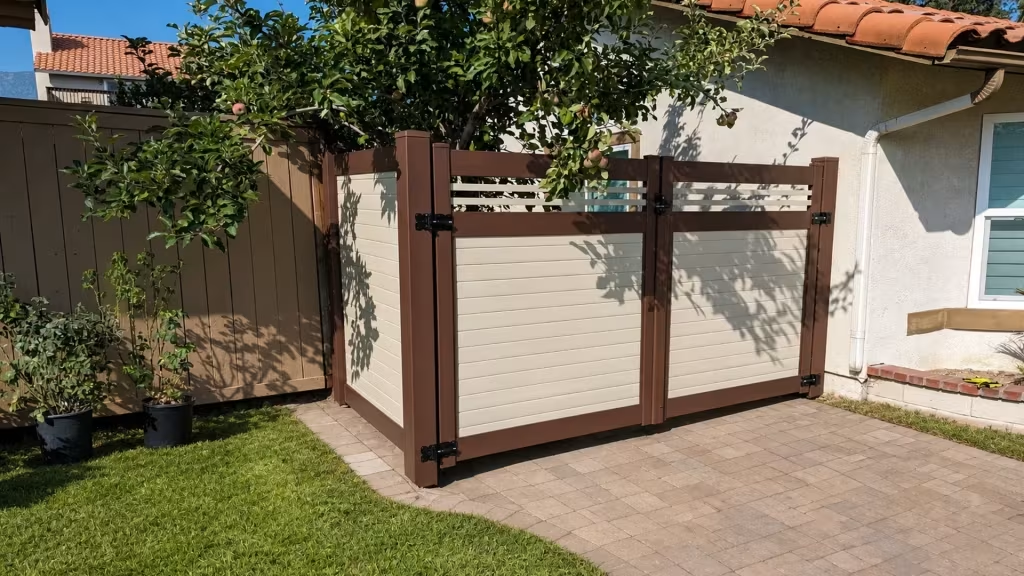
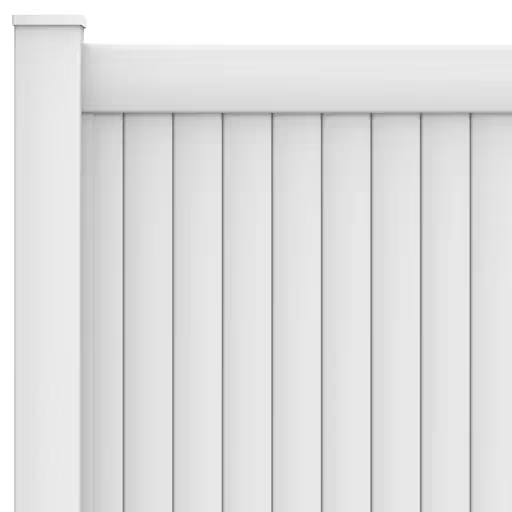
Two-tone means two colors on one solid fence: the frame in one color, the tongue-and-groove infill boards in another. The frame is the part you see at the edges, the posts, the top and bottom rails, the U-channels, and the post caps. The infill is the field of solid boards between them, usually carrying the accent color.
Where a boxed kit hands you one fixed pairing, we fabricate the two colors to your actual run, mixing colors across the sections to suit your yard. You pick the pair, we build it. The full panel anatomy, how a solid section is framed and set, is identical on any solid privacy fence, since that part does not change with color.


The real two-tone question is which two colors, and how much contrast you want. A White frame around a Tan infill is the pairing most people land on, a crisp white edge holding a warm, sandy body.
For a wood look, keep the White frame and run a woodgrain infill like Coastal Cedar or Weathered Aspen, so the boards read like timber inside a bright border. Want it quieter? White with Gray sits close in tone, a subtle pairing that reads as one considered color from the curb.
You can also flip it, wrapping a warmer or woodgrain frame around a White infill. Usually the frame carries the lighter, more neutral color and the infill the accent, so a traditional home tends to suit the softer pairing while a modern one can push the contrast. Both colors are molded through the vinyl, so whichever pair you choose stays matched for good.
Two colors change how the fence looks, and they leave the screening exactly where it was. A two-tone privacy fence blocks the view just as completely as a single-color one, because the infill is still solid tongue-and-groove with no gaps between the boards. The second color is purely cosmetic, so picking one color or two comes down to design.
Everything that sets your screening and strength works the same here as on any solid privacy fence: whether to go fully solid or leave airflow gaps, how the panel is braced for wind, and how tall you can legally build. Those belong to solid privacy fencing and to semi-privacy fencing alike.
Color, board direction, and the top of the fence are three separate choices, and two-tone touches only the first. A two-tone body can run vertical or horizontal, and it can wear a decorative crown or none at all.
Which way the boards face is orientation: upright is the vertical style, the low modern line is the horizontal style. A decorative top is a crown: an open picket cap makes it a privacy-and-picket fence, a diamond lattice cap a lattice-top fence. Two-tone is the color layer that sits on any of them, so settle the shape first, then choose the two colors here.
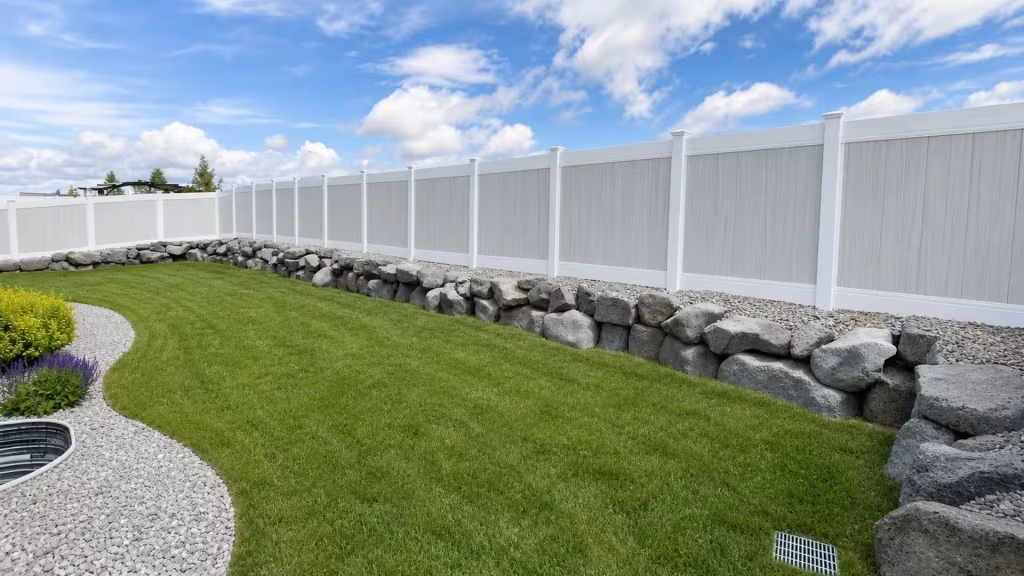
A licensed local shop fabricates and installs the whole two-tone run, both colors matched at the shop and set on your line, with a gate built in the same two colors. Odd heights and the smaller jobs some shops pass on are the ones we usually say yes to, from 2 to 8 feet plus custom sizes.
What moves the price is the run length, the height, the extra second-color components the pairing adds, the number of gates, and whether you build on a vertical or horizontal body. We post no figure, since none of that is settled until we see the yard, so you get an honest number once we have walked it.
Both colors carry the same coverage, a transferable limited lifetime warranty on the material and our five-year workmanship warranty, molded through so the frame and infill stay matched and never yellow.
Two-tone works by contrast, so read the swatches in pairs rather than one at a time. Most start with a white frame around a tan or wood grain body, though the accent can just as easily outline a white field. Push the two apart for a hard line, keep them close for a quiet one.
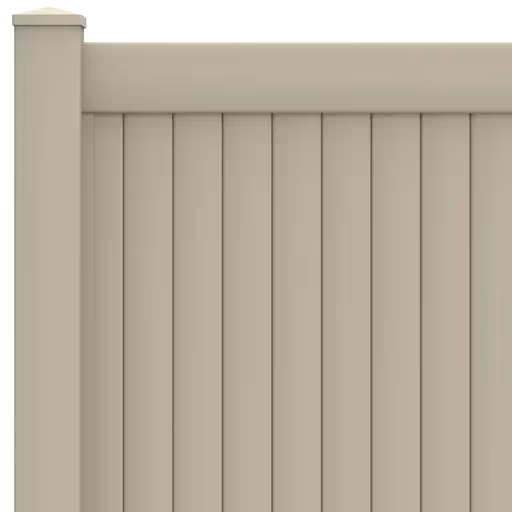
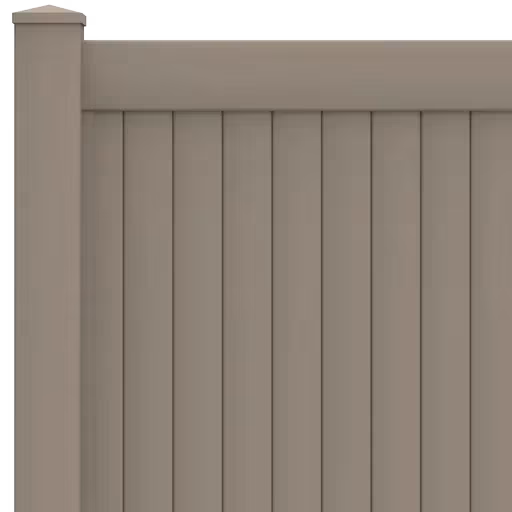
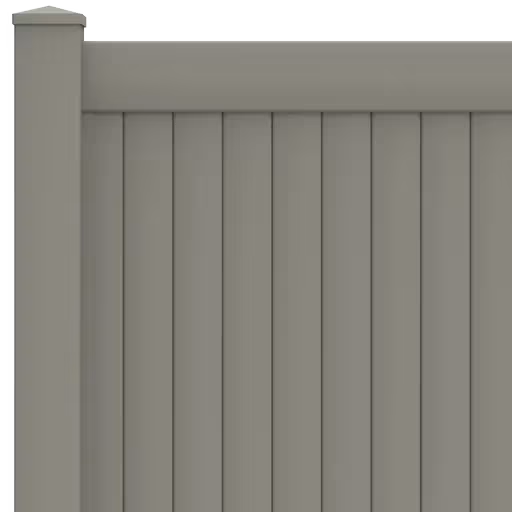
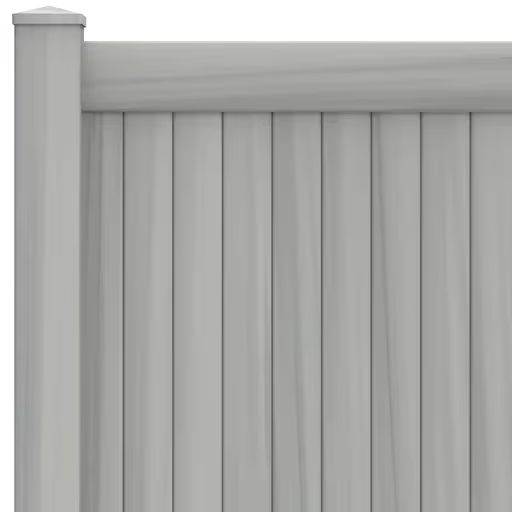
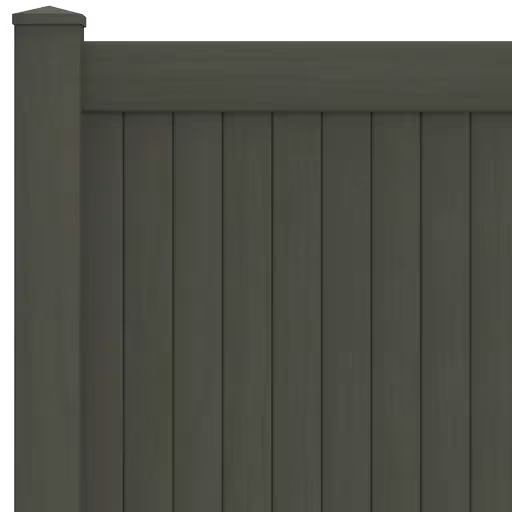
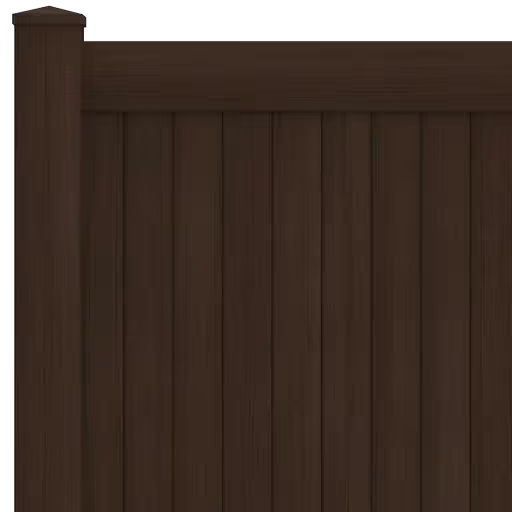
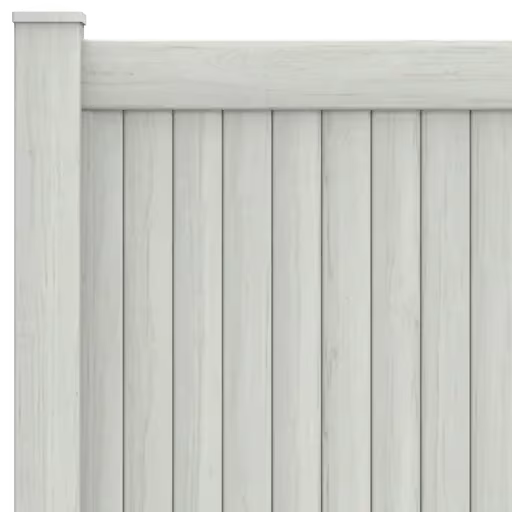
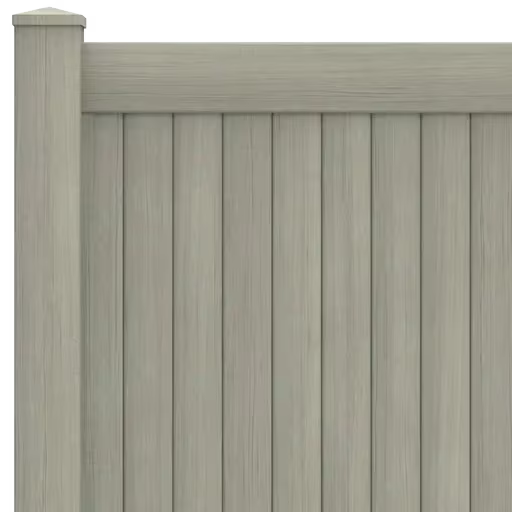
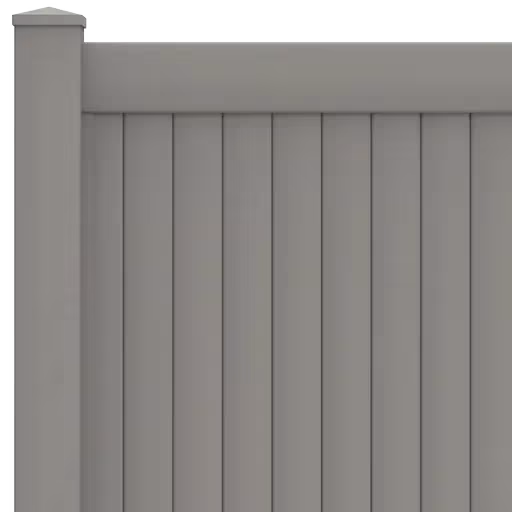
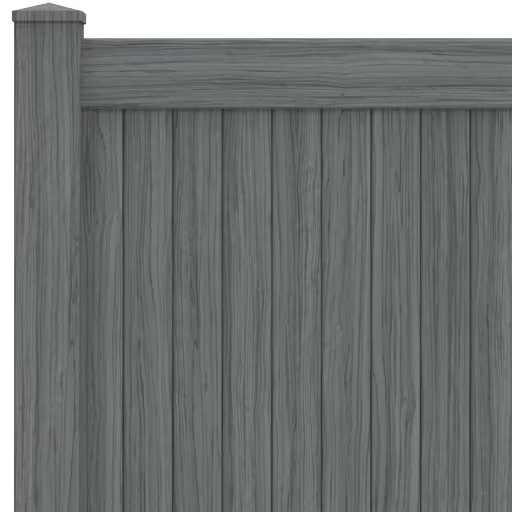
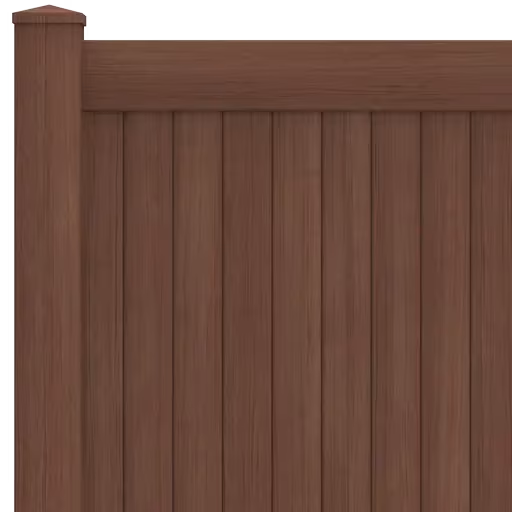
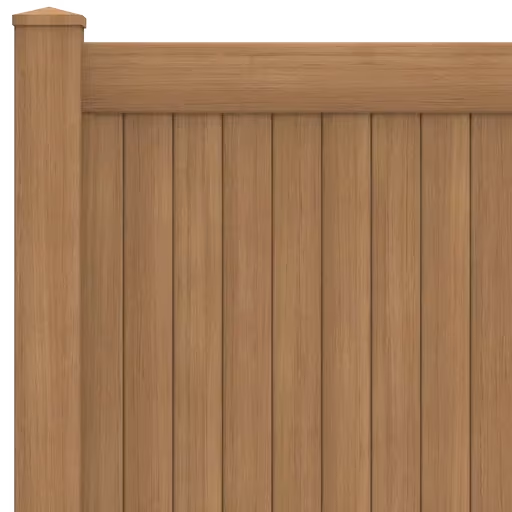
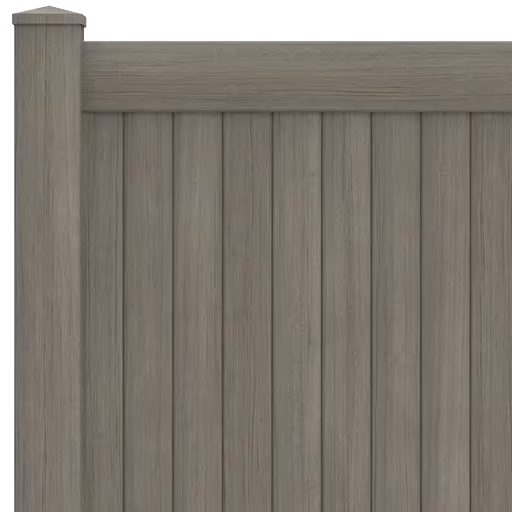
Styling decisions do not stop at the fence line. The same shop that cuts a two-color run also handles the entry it opens into, the pieces that sit above a wall, and the rest of what a vinyl yard needs.
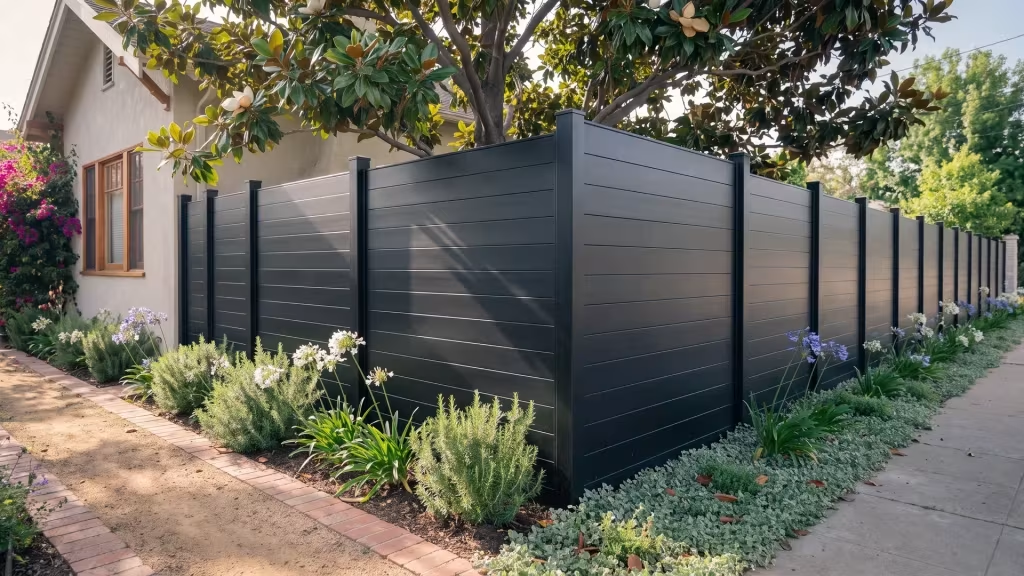
Tongue-and-groove boards run side to side into one solid, gap-free screen for a wide, modern board line.
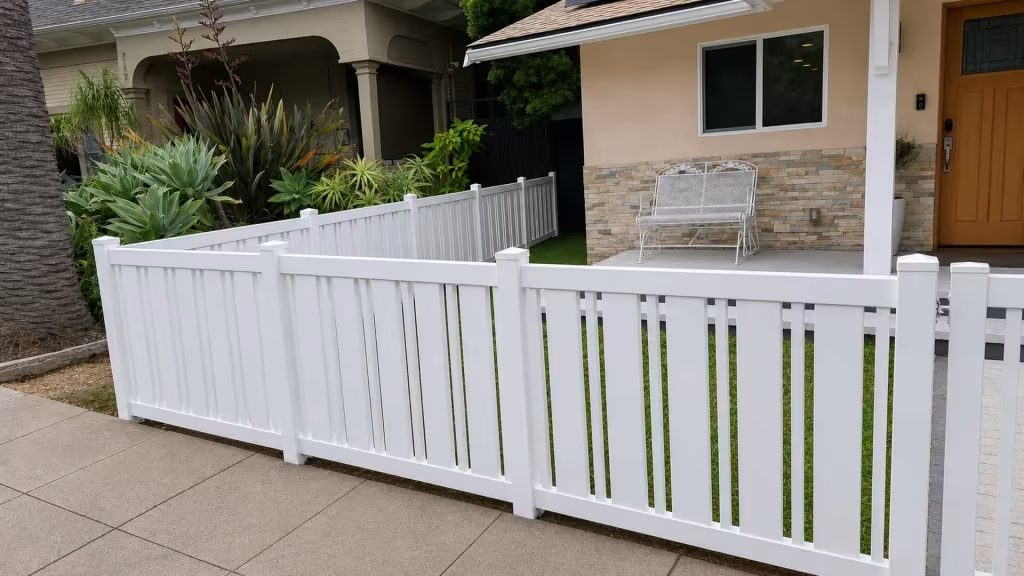
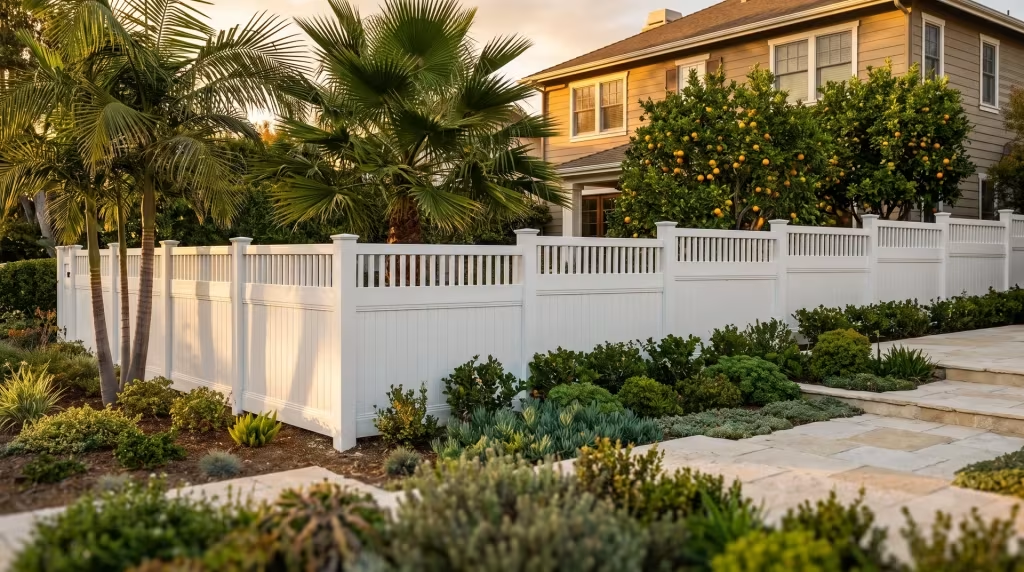
A solid privacy body capped by an open decorative picket crown, private below and detailed at the top.
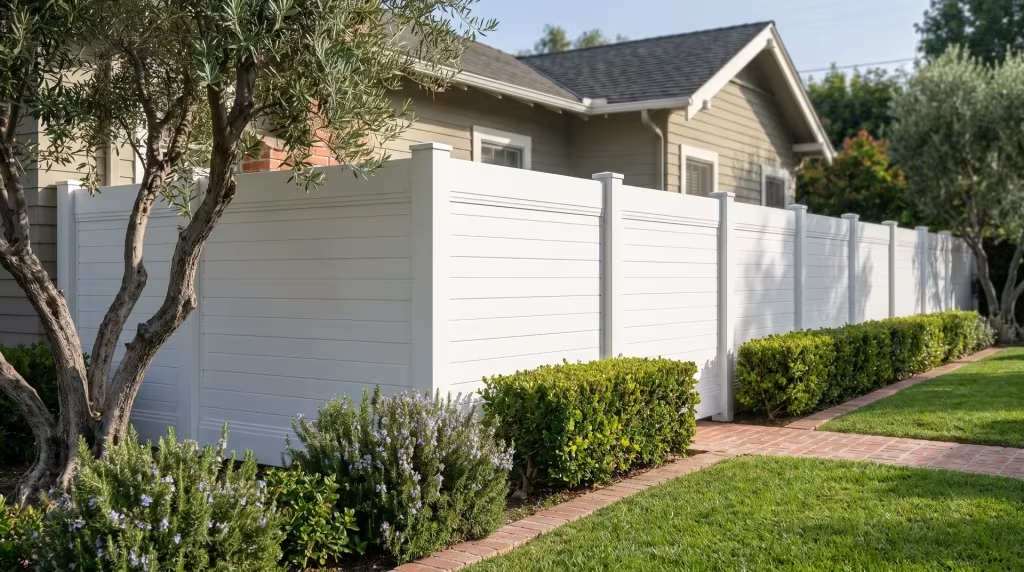
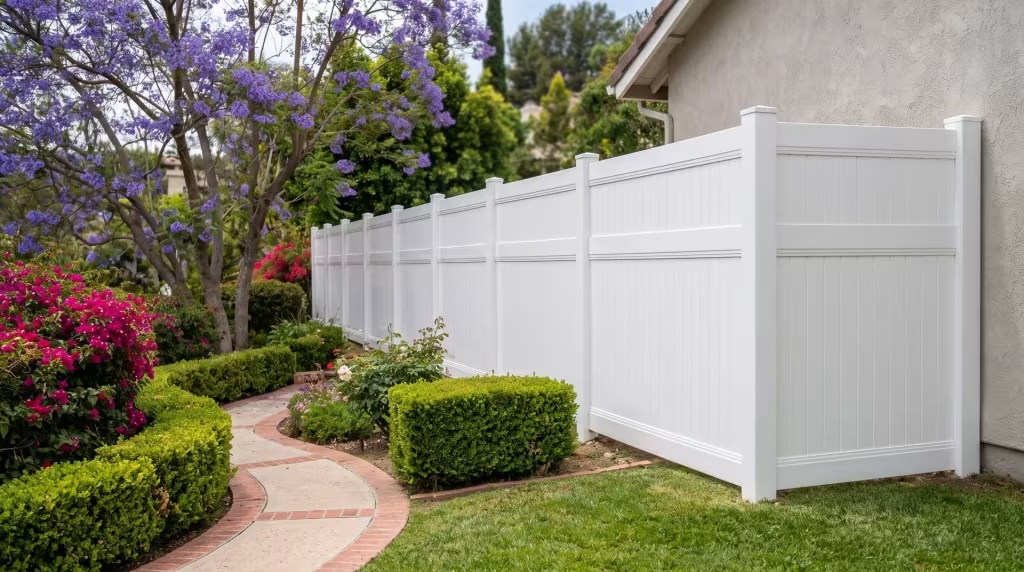
Boards run straight up and down into one solid wall, the classic upright silhouette of a privacy fence.
Three words- Professional, reliable and fast! We had a great experience with Mike and his team with the installation of vinyl fencing in our yard. They gave us a date and finished earlier. Couldn’t be happier with the way everything turned out. Thanks guys!!

ProVinyl did a great job installing a ranch-style fence on our property. David and his team were a pleasure to work with – the quote was transparent and fair, and they completed the job on time and to the letter. Highly recommended!

Pro Vinyl Fencing is absolutely incredible. Vic and Jasmine walked me through every step of the process and gave me wonderful recommendations for style, color and function. The installation was super easy and fast! My fence looks absolutely stunning.
If you’re looking for a vinyl fence, I highly recommend them!

Pro Vinyl Fencing is the very best company. From Mike who made the initial visit to measure the area, to Jasmine, whom I met at their warehouse, to the guys who did the installation only a couple of weeks later, it was a smooth, professional and easy experience.
I HIGHLY recommend this company!
Each build here pairs two colors, a frame in one and infill boards in another, on real homes around our service area. See how the contrast reads at different heights and how the accent sits inside its border, then send over your own yard for a no-charge price.
Around Greater Los Angeles and Ventura County, a two-tone fence is an easy way to make a plain property line look designed. Pick your two colors and we fabricate the run to your yard, then book fast. Height and permit rules are set by your city, so verify yours with your local building department first.
Bay Area homeowners get the identical two-color fabrication, both tones matched at the shop before our crew heads out. San Francisco Bay Area height limits vary sharply town to town, more than in most of California, so verify yours with your local building department before a single panel is cut.
Building your two-tone fence takes four steps, and the color work starts at the first one. On site we measure, settle your two colors and where each one lands, build to the legal height, then fabricate the frame and infill and set the line.
No charge for the estimate, and no one leans on you to sign. Reach us this week to grab a calendar slot.
On site we measure, lock the approved height into your written quote, and settle the two colors. A real price, free.
You get the scope, both colors, height, gates, timeline, and warranty in writing. Sign once it all reads right to you.
Dig zone marked, old fence down, footings in. We set the frame in one color, the infill in the other, then install.
You are covered twice: a transferable limited lifetime warranty on vinyl, five years on our labor. Then soap and water.
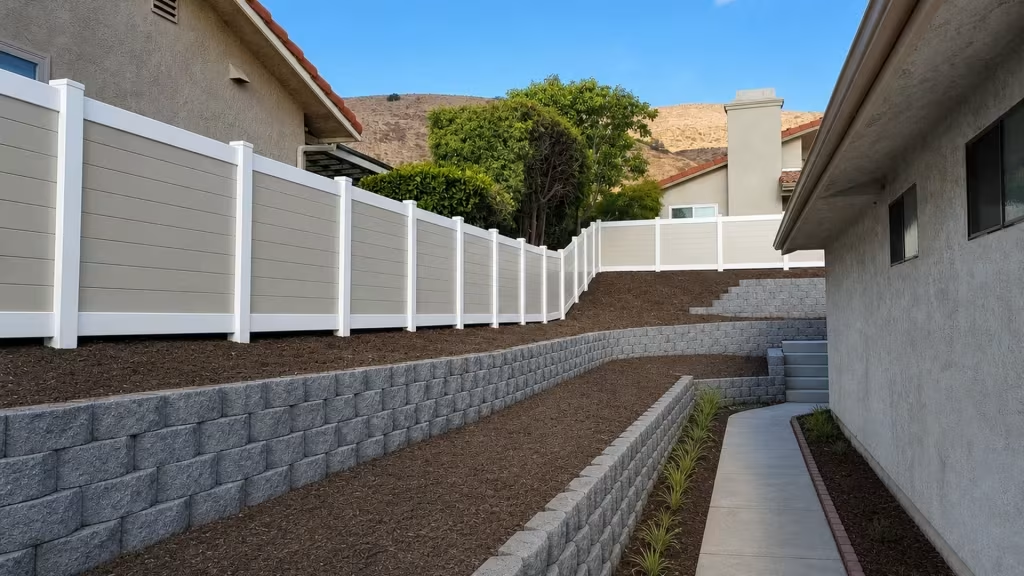
Guides on pairing two colors and matching a two-tone fence to your home, its trim, and its roofline.
A lattice top lets light and air through a Los Angeles fence line while still blocking a direct view into the yard.
Fences blog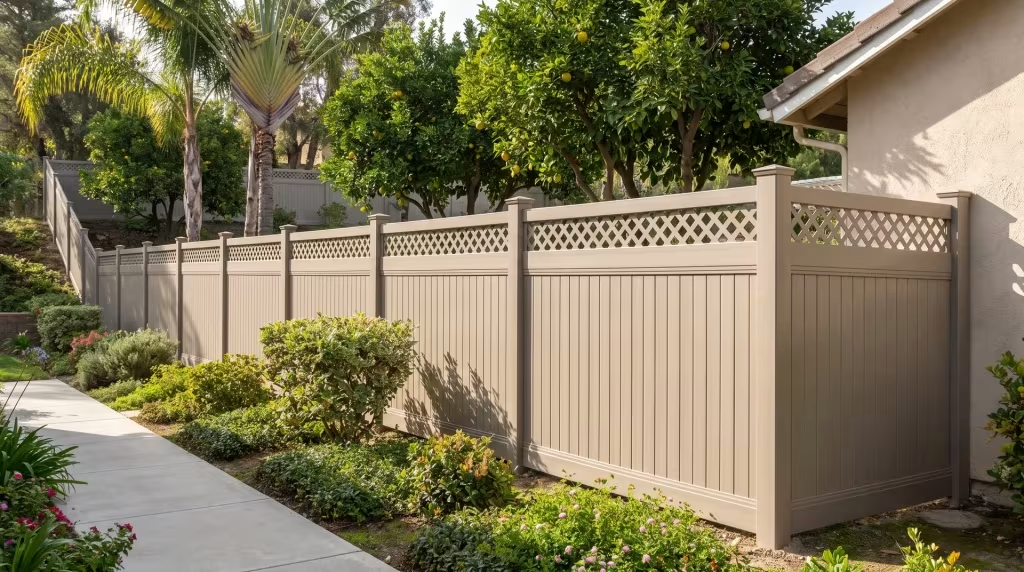
Your Two-Tone Vinyl Fence Questions Answered
Here is what people ask before they commit to two colors: what a two-tone fence actually is, which pairings look best, whether a second color costs you any privacy, whether we can combine any two colors, what two colors do to the price, and whether the accent fades at a different rate than the frame.
Still choosing colors?
Book a free estimate and we will walk the two colors with you.
It is one solid privacy fence built in two colors. The frame, meaning the posts, rails, and caps, takes one color, and the tongue-and-groove boards that fill the panel take another.
Those boards still lock tight with no gaps, so you get a full screen and a two-color look at once.
Begin with the contrast you want between them. A crisp white border around a warm tan body is the go-to, easy on most homes. Prefer wood?
A white border over a Coastal Cedar or Weathered Aspen field reads modern, while a gray body beside white stays quiet. Black is the one shade we do not stock.
No. The infill boards are solid and interlocked whether the fence is one color or two, so a two-tone panel screens your yard just as completely.
The second color is cosmetic. If you would rather have some airflow than a full screen, that is a semi-privacy fence, which we also build.
You are not tied to a set catalog of pairs. Because we fabricate every run, you can pair most any two of our fourteen colors across the three families, and we steer you toward the combinations that actually look right on a home.
The one color we do not offer in vinyl is black.
A bit, yes. Running two colors means ordering a second set of frame or infill parts, which nudges the material cost up.
The bigger factors are still the length of the run, the height, how many gates, and the body underneath. We keep prices off the page and quote yours after we walk the yard.
They stay in step. The pigment runs through each board instead of sitting on top like paint, so the frame and accent age at the same rate and never yellow.
One warranty covers both: the transferable limited lifetime term plus our five-year workmanship guarantee, for the life of the fence.