White
Call Now: (844) 744-0707
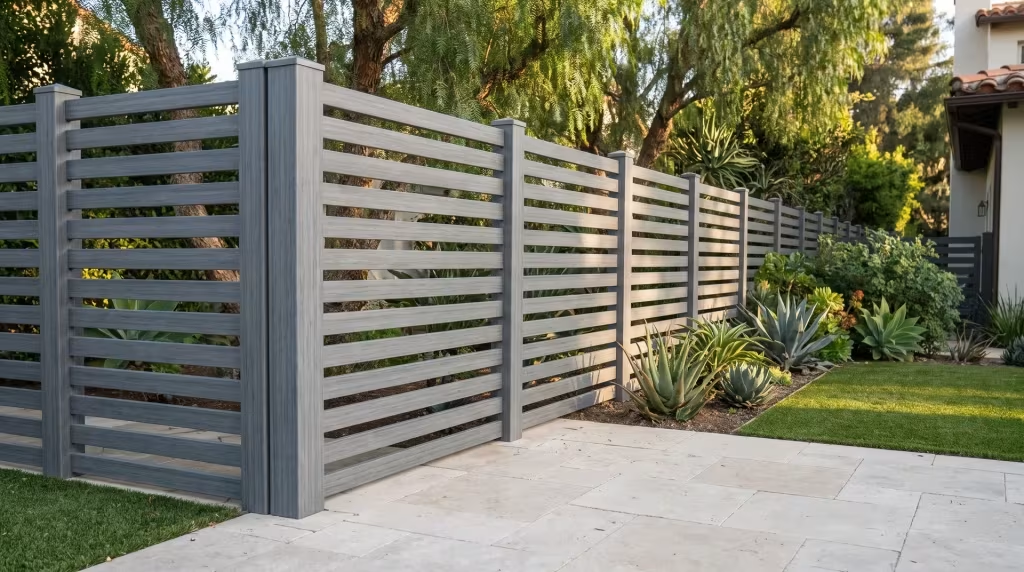
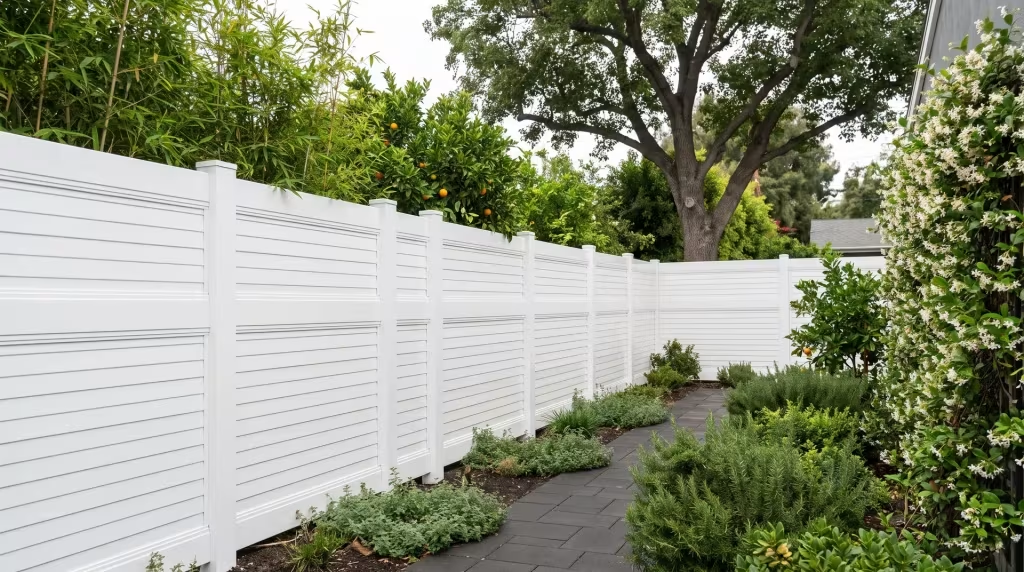
Shut the yard off completely behind a low, wide wall of tongue-and-groove boards set side to side into one solid face. No gaps to see through anywhere along it, and you still get that clean modern board line.
You get the whole run fabricated and installed to your height, in any of 14 colors, woodgrains included, and built to sit level along every long board. In business since 2018 and rated 5.0, we measure the yard, then put an honest number before you at no charge.
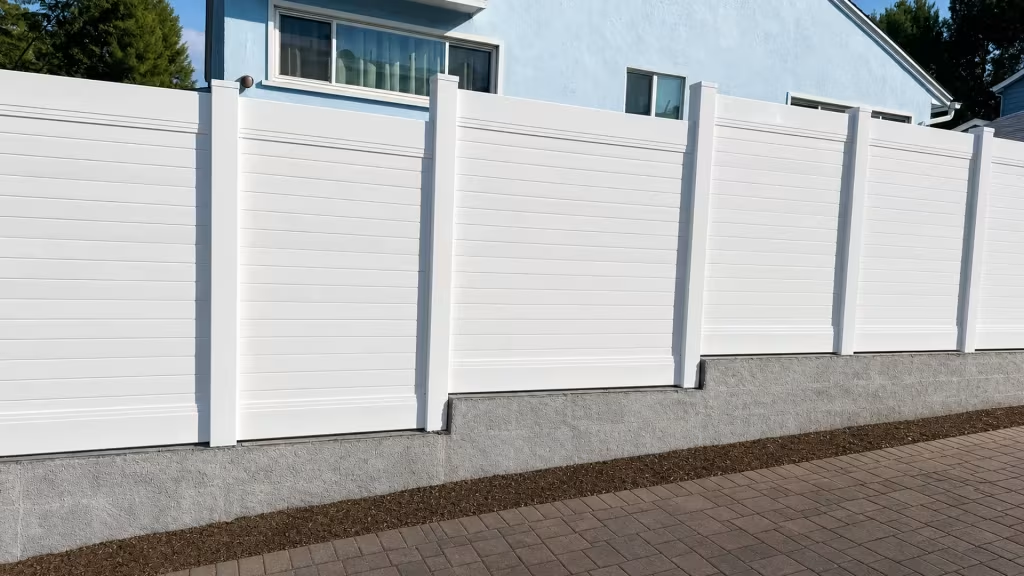
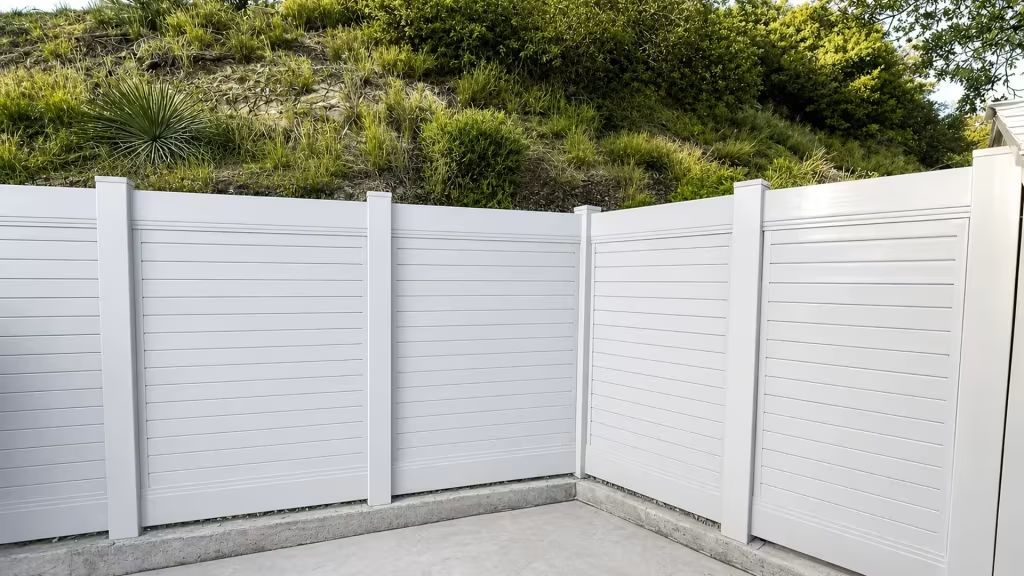
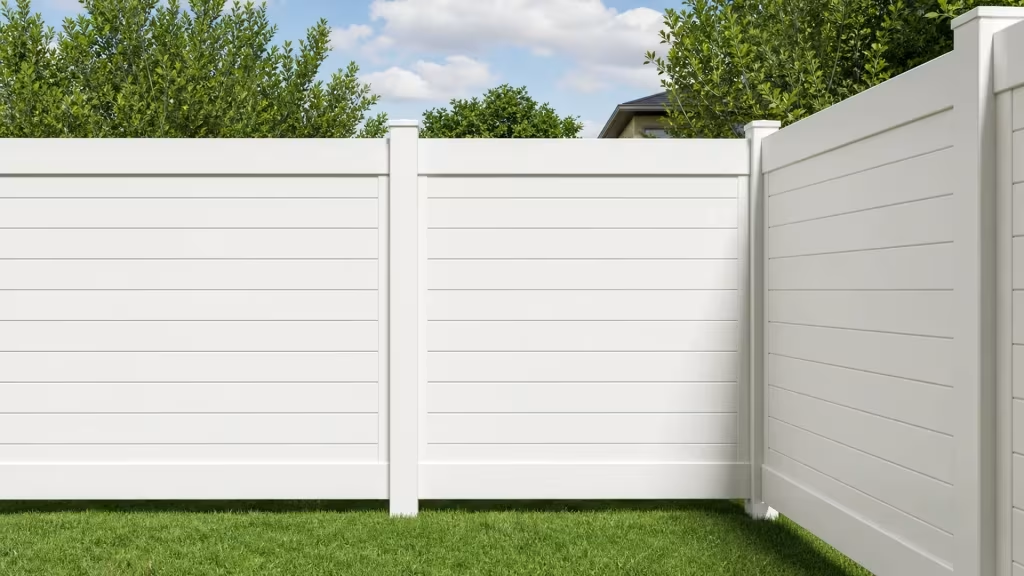
A horizontal-style privacy fence locks solid tongue-and-groove boards side to side into one continuous, gap-free privacy screen.
The horizontal look itself is the focus: how the sideways line reads, when it beats an upright run, why long boards need steel to hold level, and the woodgrain colors. Everything general about solid vinyl privacy fencing applies here too.
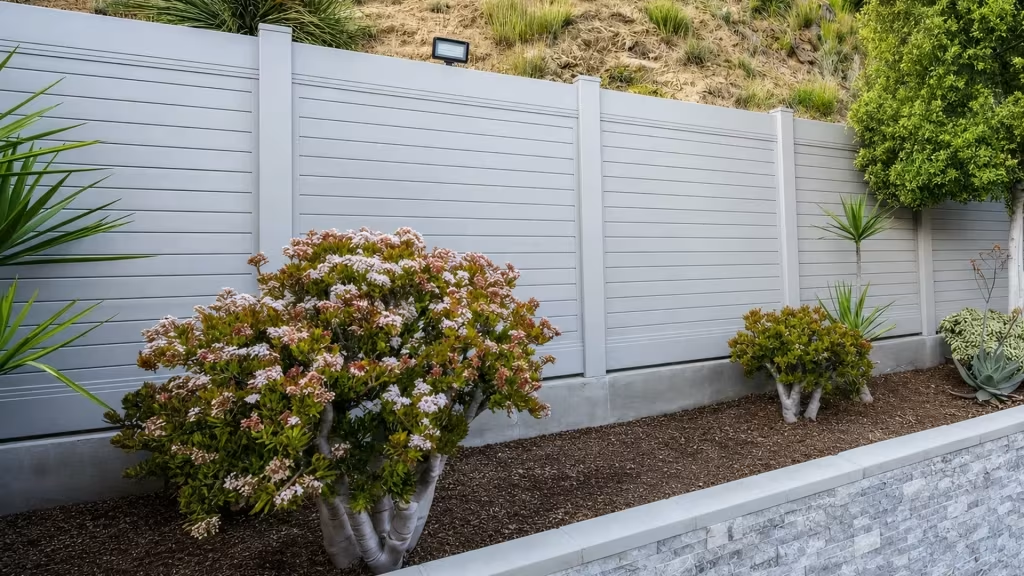
Horizontal privacy means the boards run the long way, side to side over the posts, locked tight into one solid face, a look also called board-on-board or stacked-board. Because the boards close up with no gaps, it screens a yard as fully as any solid privacy fence, so the direction is only a look choice. Ours is the Ashford line, and the full anatomy of a solid privacy panel is the same one behind every style we build.


Which way the boards run is a style question, and it leaves privacy and strength untouched. A horizontal panel closes as tight as a vertical one, both fully solid, so the two screen a yard the same. Boards laid the long way read modern and architectural, the low, wide line on current and mid-century homes, while upright boards keep the older, formal feel. Prefer that traditional upright run? That is the vertical-style privacy fence.
In an Ashford panel each board runs the full width of the bay as one continuous course, roughly 62 inches end to end. Carried that far, a solid PVC board can dip over the years if it is built light, and keeping that long course level is the single build detail the horizontal layout hinges on.
So from 4 feet up, we set a metal insert down the length of the boards themselves, alongside the ones already seated in the rails, and the course keeps its line. That board insert goes in only on the taller panels whose span calls for it; short upright boards never cross a bay, which is why the concern belongs to the horizontal build alone.
A horizontal fence earns its modern read as much from its color as from its shape. The Ashford line carries all 14 of our colors in three families: standard solids, smooth woodgrains that mimic real timber, and textured TimberGrain finishes. That range is what the big-box kits leave out, since most stop at white or tan. And the color is molded straight through the vinyl, so it holds its shade for good and never needs paint.
We are a licensed shop that fabricates the Ashford panel to any height from 2 to 8 feet, plus custom sizes, and installs it across both regions. Each run also gets a matching gate in the same color, single, double, or rolling, never motorized. The odd height and the small job other shops turn down are usually the ones we take.
How tall you may legally build is your city’s call, and permit rules vary by city, so check with your local building department. The dig sequence and the cost factors are common to every solid privacy fence, and we quote a real figure after a free visit.
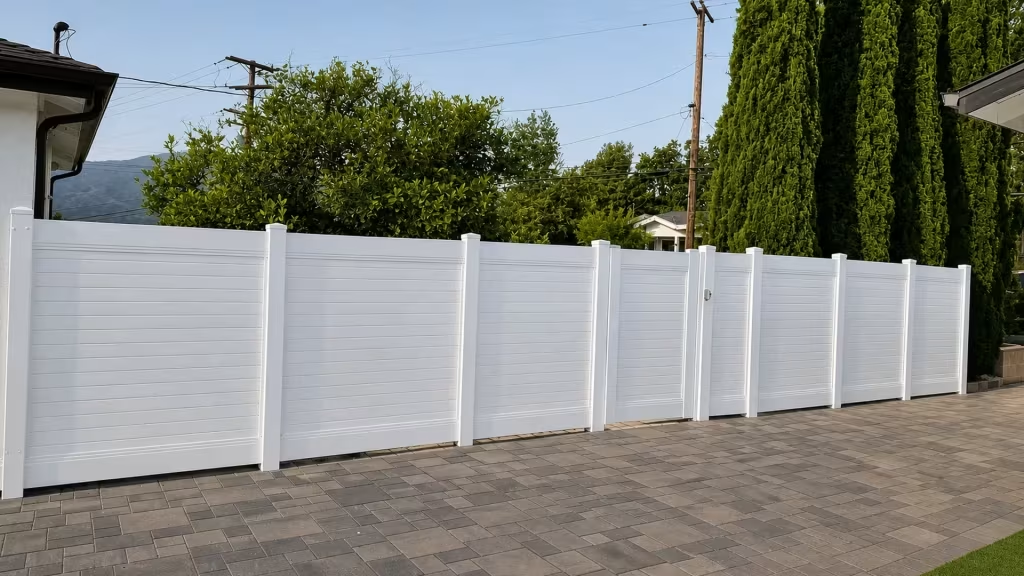
A solid horizontal fence suits a backyard, a poolside, or any line where you want the view shut out. Being solid, it also stops airflow, so for a yard that breathes, choose a semi-privacy fence, and we build those as well.
Sideways is only a look, so a horizontal panel is no more private and no stronger than the upright version. A horizontal picket, by contrast, leaves the boards wide open with no screen, and that, the crown styles, and two-tone are all builds of their own.
Boards locked side to side run the grain the long way, and that horizontal line is what does the modern part. Wood tones suit it best. For weight at the bottom of the range, Dark Walnut and Slate Gray go as deep as this style gets. No black. Each tone runs through the board.
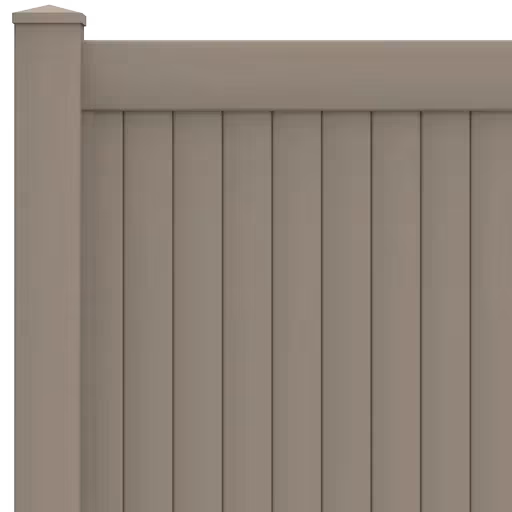
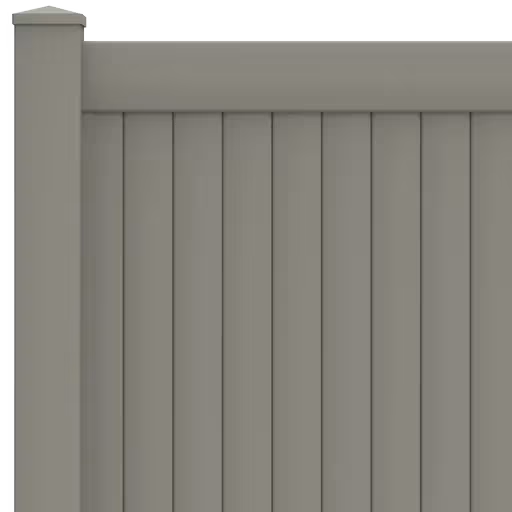
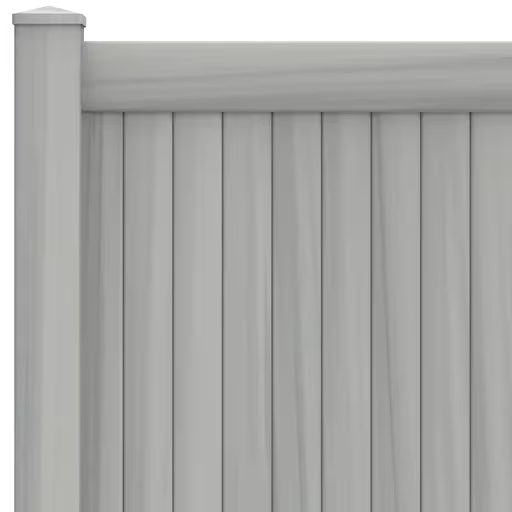
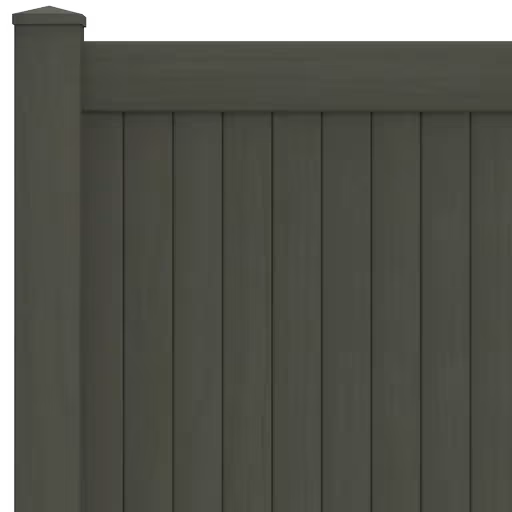
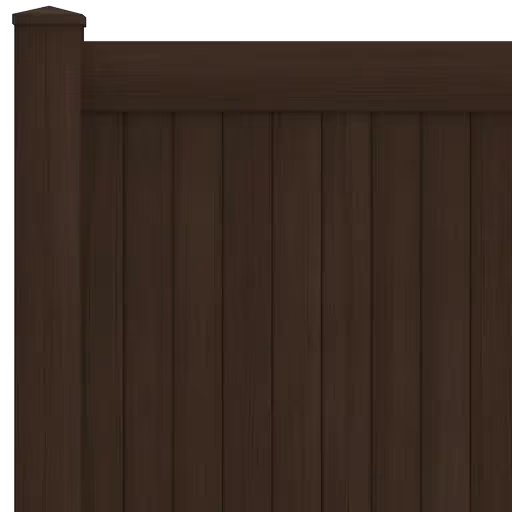
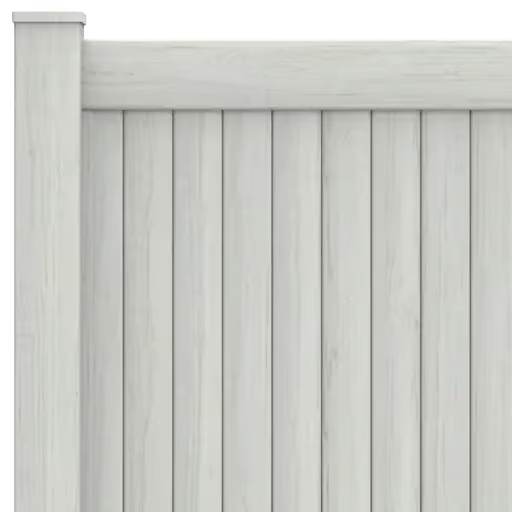
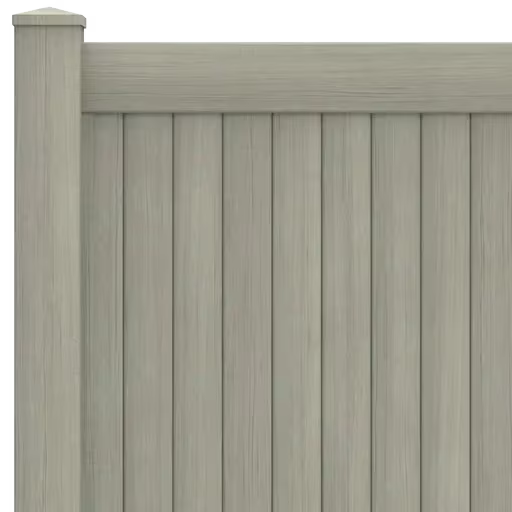
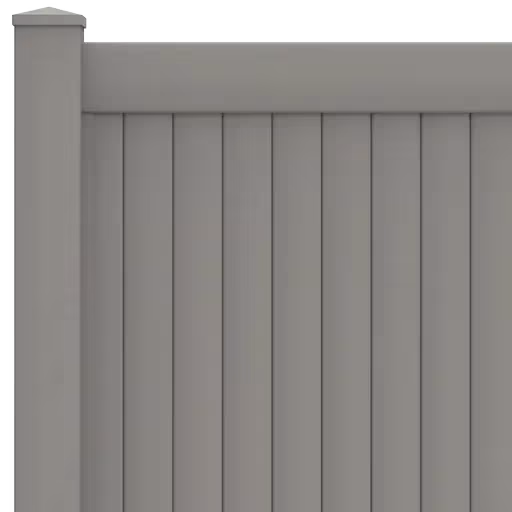
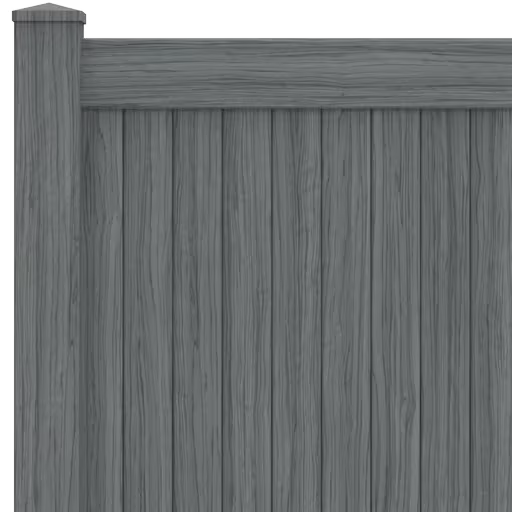
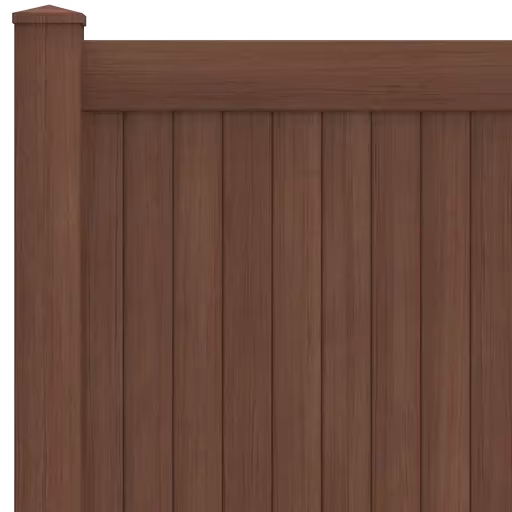
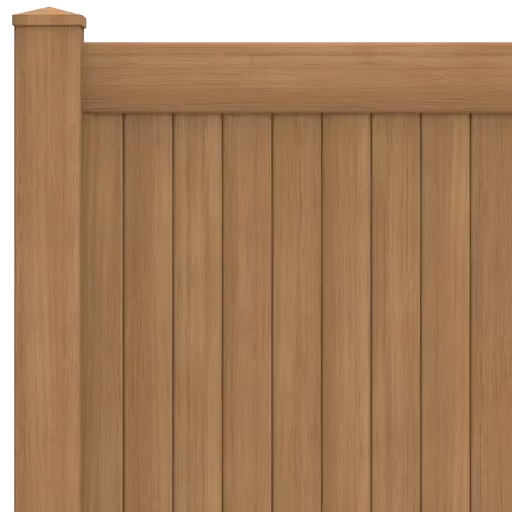
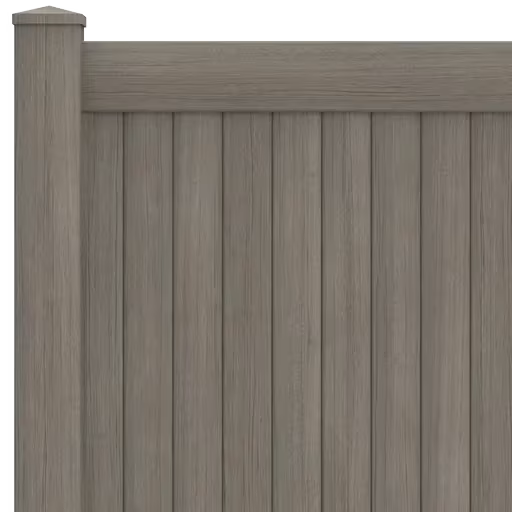
Modern lines do not stop at one screen. We match a gate to the same boards so the run carries on unbroken, and where a yard wants metal we build the slat styles in aluminum. Measured on site either way.
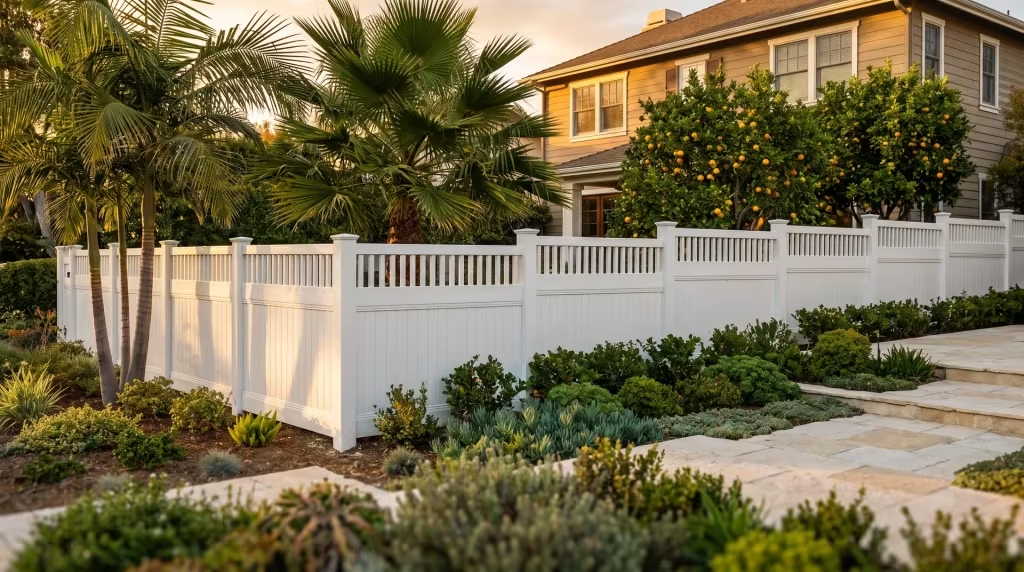
A solid privacy body capped by an open decorative picket crown, private below and detailed at the top.
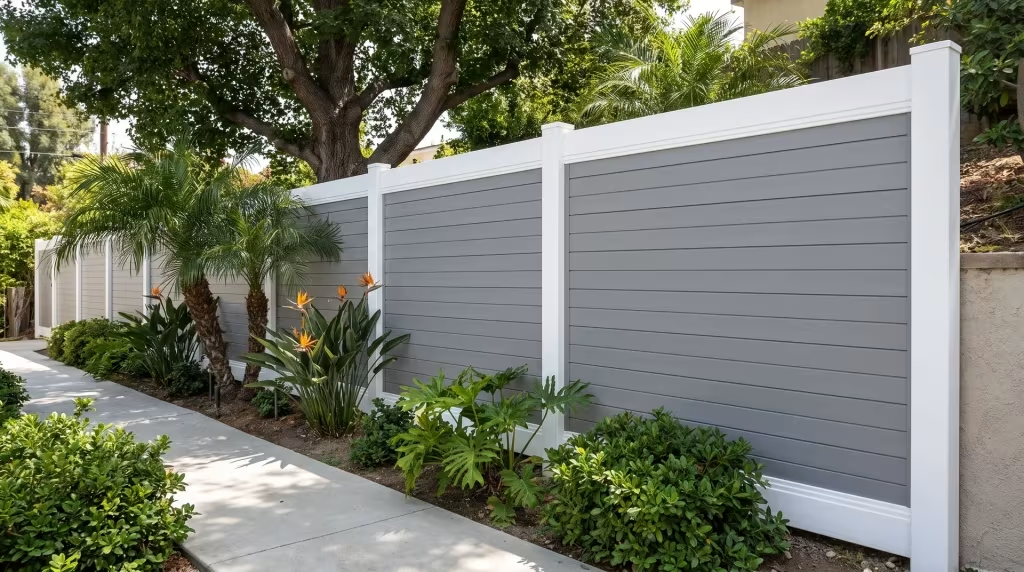
The same solid privacy body built in two colors, the frame in one tone and the infill boards in another.
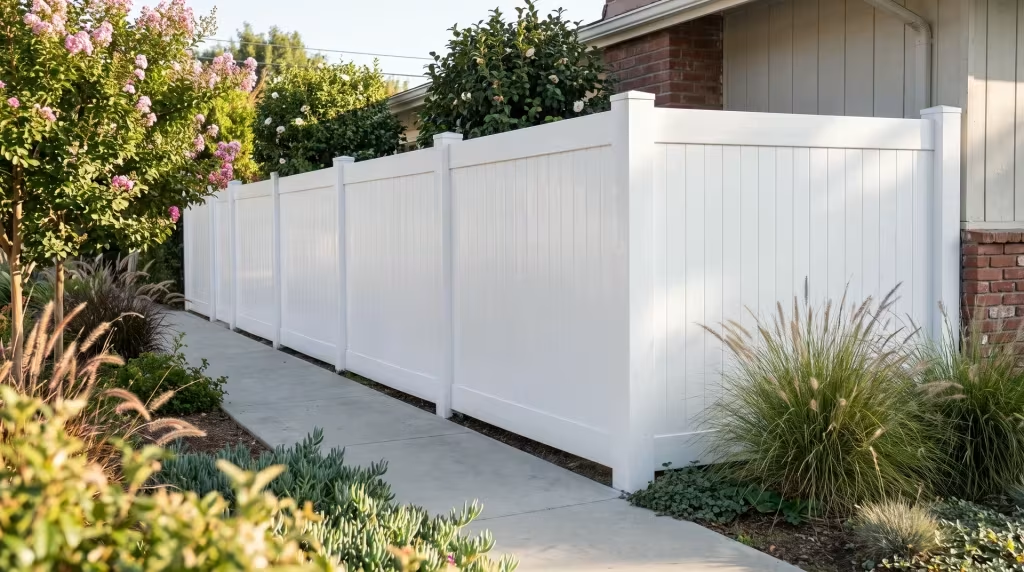
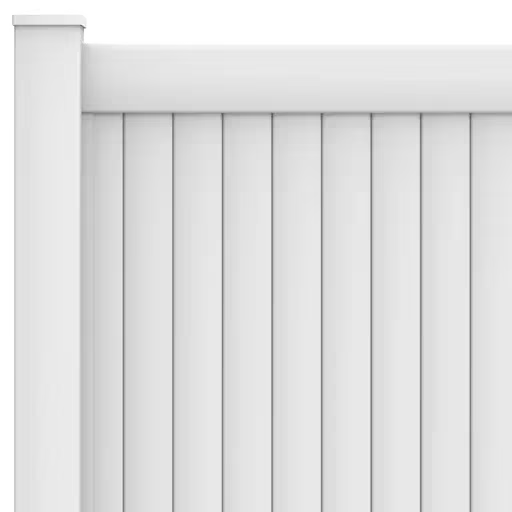
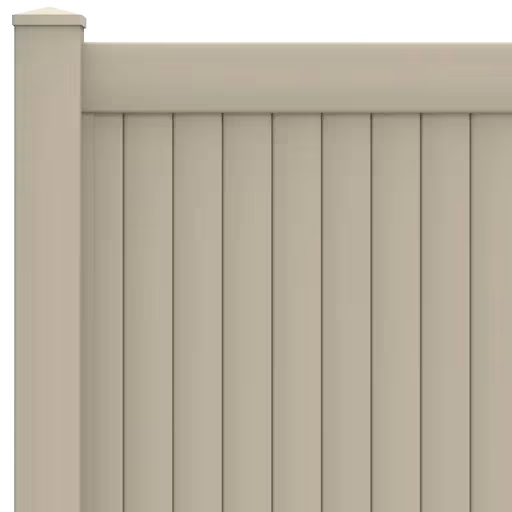
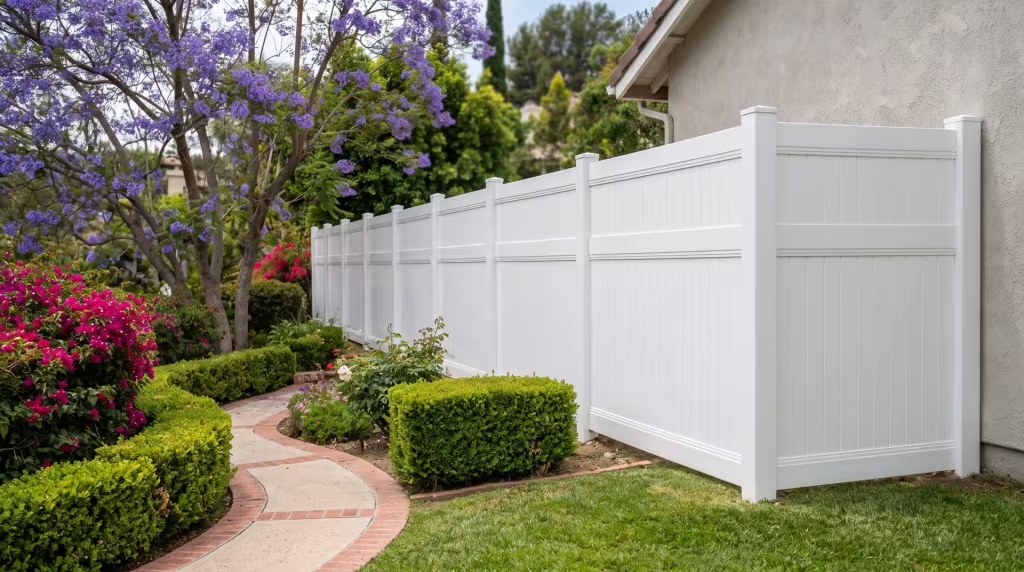
Boards run straight up and down into one solid wall, the classic upright silhouette of a privacy fence.
Excellent to work with, any concerns are addressed immediately without hesitation. An older gentleman showed up the day of and worked 8 hours straight with two 15 minute breaks. I gave him bottled waters to ensure he stayed hydrated.
A respectful and talented gentleman who took pride in his work.

Beautiful work! This is perfect and installed professionally. Very affordable and very friendly staff. Jasmine was able to work with me over the phone and Levon got this job done within 24 hours of me calling!! 10/10 would recommend!

First and foremost I wish to express our appreciation on the installation of 2 gates by Har. Both gates which included a curve piece were done per our specifications. Additionally I wish to express our gratitude to Michael for his guidance and assistance in the design phase. Job well done Pro Vinyl Fencing

I had an old wooden partition between two patios that needed replacing. I had taken good care of it but wood eventually rots. They removed the old fence and installed a custom new one it looks fantastic.
I’m so happy with the work. It was done in a timely professional manner for a great price. I highly recommend them. Thank you, Nairi.

The builds below are solid horizontal privacy jobs, boards run flat and locked into a full screen on homes around the area. Look for the low modern line, the woodgrain and solid tones we matched, and the finished heights. See one near your place and we quote yours free.
Across Greater Los Angeles and Ventura County, the low, wide horizontal line suits plenty of local streets. Tell us the height and color you want, and we build the Ashford panels and book your slot. Height and permit caps run city by city here, so verify yours with your local building department.
Up in the San Francisco Bay Area, the same crew fabricates and stands your horizontal fence level, woodgrain matched. Front-yard height gets set town by town up here, among the more variable markets in the state, so the exact cap comes from your local building department.
Your horizontal fence goes up in four clear steps, and years of it keep surprises out. On site we lock the layout, the finished height, the woodgrain or solid color, and how we will keep the long boards level, before anyone breaks ground.
The on-site estimate is free and nobody rushes you to sign. Reach out this week to claim a slot on the schedule.
A salesperson measures the run, reads your height limit, and sets the color and level line. A real number, free.
It all goes on paper first: scope, height, gates, color, old-fence tear-out, and warranty. Sign only when you’re ready.
Utilities marked, old fence out, footings in. The panels stand level, the insert added wherever a long span would sag.
The vinyl gets a transferable limited lifetime warranty, our labor a 5-year one, then soap and water twice a year.
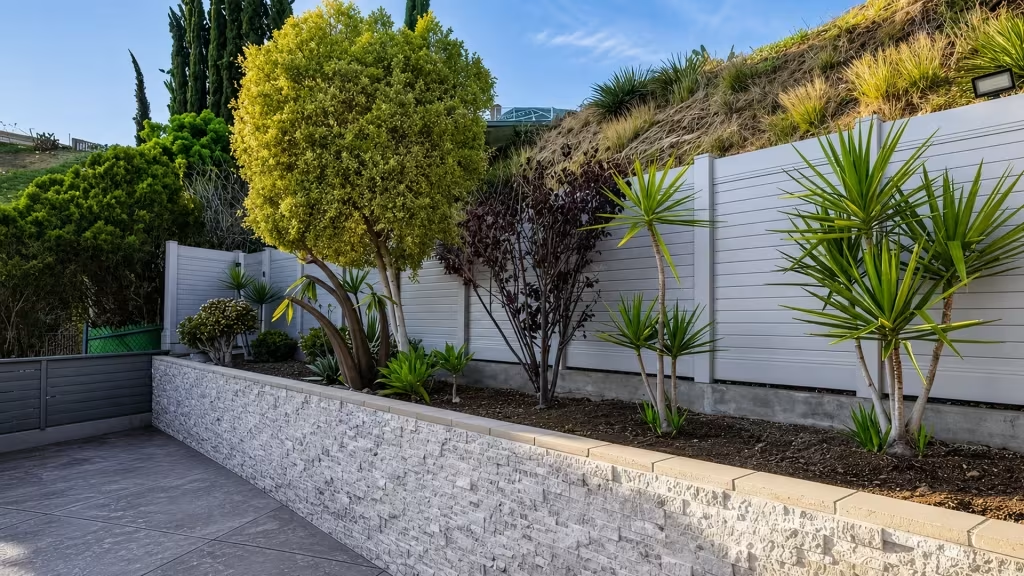
Guides on picking horizontal over vertical, choosing a woodgrain color, and keeping a long solid run level.
Running the boards sideways gives a Los Angeles fence a clean, contemporary line most vertical styles don’t have.
Fences blog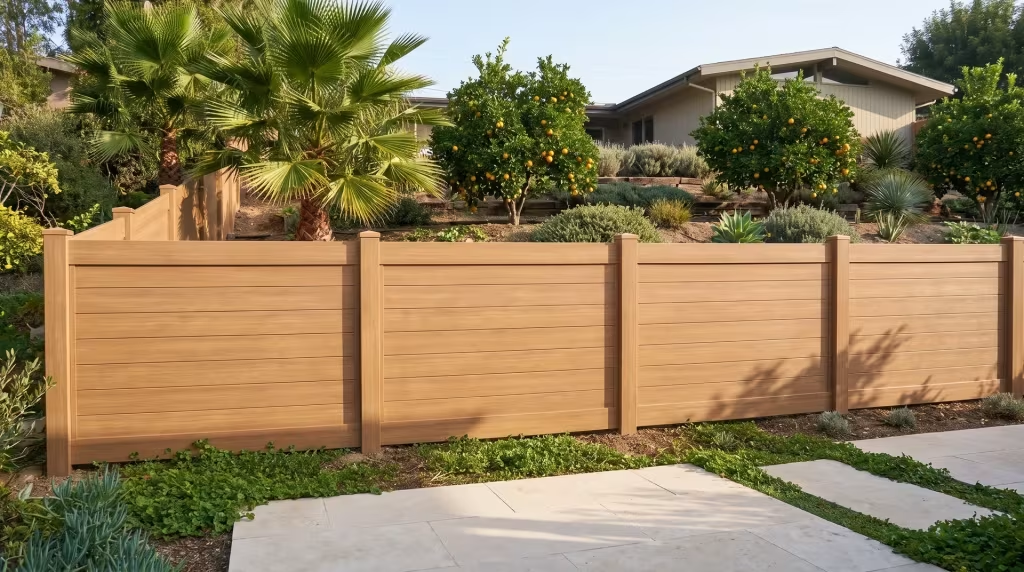
Horizontal Privacy Fence Questions, Answered
These are the questions buyers circle back to before they commit to the horizontal look: what to call it, whether tall panels need extra steel, if any air slips through, which colors read modern, how tall it can go, and how it differs from a picket or semi-privacy run. Answers follow.
Not sure it's the look?
Book a free on-site visit and we quote your run after walking the look.
It goes by a few names: board-on-board, stacked-board, or simply a modern privacy fence.
All mean the same thing, a solid panel of vinyl boards laid flat and stacked from the ground up, locked edge to edge so no gap shows through. Most people just call it a horizontal privacy fence.
Yes, once a panel clears about 4 feet. Each board stretches the whole bay, so at that height a long board can dip if nothing backs it.
We slide a steel insert into the boards, next to the ones in the rails, and it holds the line. Below 4 feet the boards manage on their own.
No, it is solid by design, so it stops air and light the same way it stops the view. That is the point of a privacy panel, full coverage with nothing showing through.
If you would rather feel a breeze, a semi-privacy build with slim gaps is the answer, and we make those too.
The modern feel comes from the wood-look tones. Alongside a few plain solids, the line runs smooth woodgrains and textured TimberGrain finishes, 14 colors in all, each pigmented through the board so it never yellows or wants paint.
There is no black, and the darkest are Dark Walnut and Slate Gray.
Anywhere from 2 to 8 feet, plus custom sizes for a slope or a taller screen.
How high you may legally go, though, is your city’s call, not ours, and permit rules vary by city, so verify the cap with your local building department. Heights run the same across every solid privacy build.
It comes down to the space between the boards. A privacy fence closes them tight for a full screen. A semi-privacy fence keeps a slim, even gap for air and light.
A horizontal picket leaves the boards wide open, a decorative line with no screen at all. We build all three.